


The start of the the 1980s saw the dazzling rise of the Pretenders. Led by American expat Chrissie Hynde, the dynamic British rock ’n’ roll quartet issued a one-two punch of albums, Pretenders (1980) and Pretenders II (1981), that featured memorable hits such as Stop Your Sobbing, Brass in Pocket, Kid, and Talk of the Town.
A former rock critic, Hynde quickly established herself as a crafty songwriter and a captivating singer, and she was aided by an ace band that included drummer Martin Chambers, bassist Pete Farndon, and the immensely gifted guitarist, James Honeyman-Scott.
The band’s rapid ascent came to a crashing halt in June 1982. First came the firing of Farndon (his increasing drug use had fractured relations within the group), and two days later, Honeyman-Scott died of heart failure caused by a cocaine overdose (a year later, Farndon succumbed to a heroin overdose as well).
“I was good friends with Jimmy, and his death was such a shock,” says guitarist Robbie McIntosh. “I met him before he joined the Pretenders, and we had stayed in touch. He had actually talked to me about playing with the band. The idea was to flesh things out as the band were evolving. I hadn’t said I’d definitely do it, but it would have been great. It’s a shame it didn’t happen that way.”
Hynde and Chambers channeled their grief by recording a smashing double hit single, Back on the Chain Gang and My City Was Gone, utilizing ex-Rockpile guitarist Billy Bremner and Big Country bassist Tony Butler. Because of his commitments to Big Country, Butler was unable to join the Pretenders, and in the case of Bremner, McIntosh says, “I don’t think Chrissie saw him as the right fit. He’s a great player, obviously, but he was more of a rockabilly guy.”
McIntosh, who had played various bands throughout the late Seventies and early Eighties, shared Honeyman-Scott’s musical tastes. “We were rock and pop guys,” McIntosh says. “We loved Pete Townshend, the Kinks, the Beach Boys, the Beatles, and the Rolling Stones. That might be a reason I got called up to audition for the band.”
![Pretenders - 2000 Miles (Official Music Video) [HD] - YouTube](https://img.youtube.com/vi/AEyGZlBdkaA/maxresdefault.jpg)
By the end of 1982, McIntosh was asked to join a new Pretenders lineup, which would also include bassist Malcolm Foster. Much was expected of the band – could they match the power and tunefulness of the first two albums? – and they came through like champs with 1984’s Learning to Crawl.
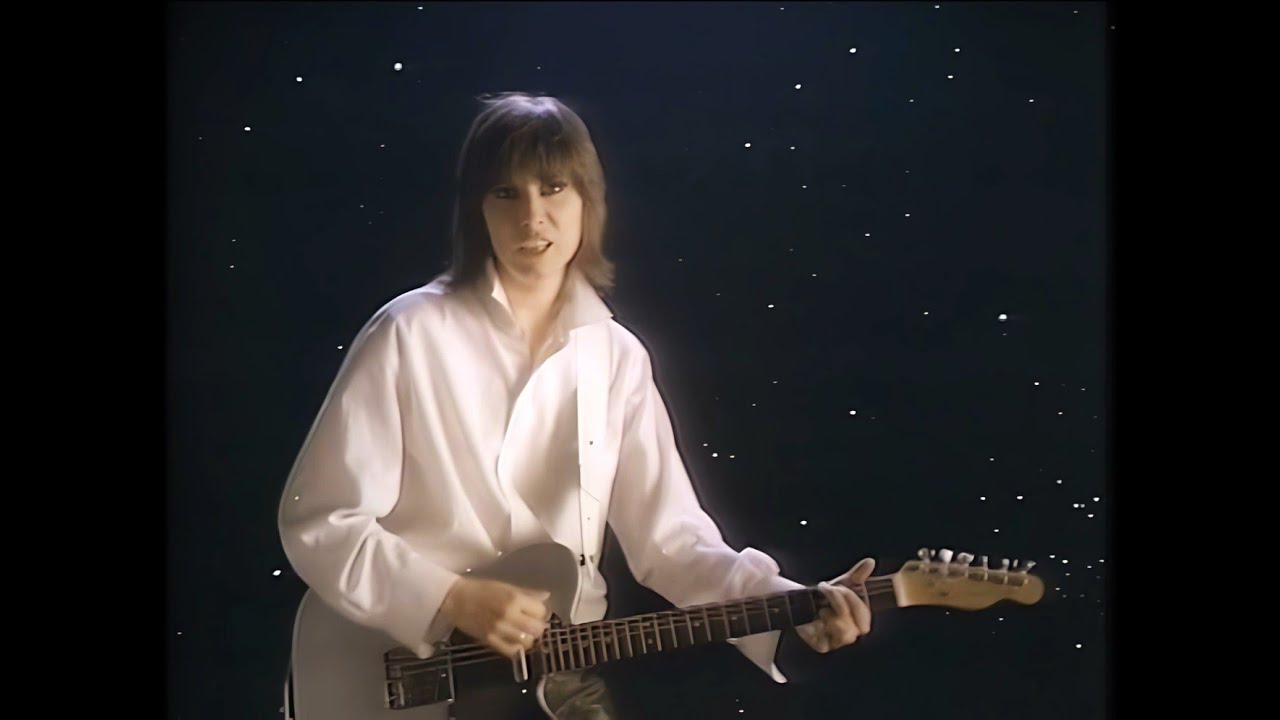
The record featured Back on the Chain Gang and My City Was Gone, but it also packed forceful rockers like Time the Avengers and Watching the Clothes, along with two tracks that demonstrated Hynde’s softer side, Show Me and the shimmering Christmas ballad 2000 Miles.
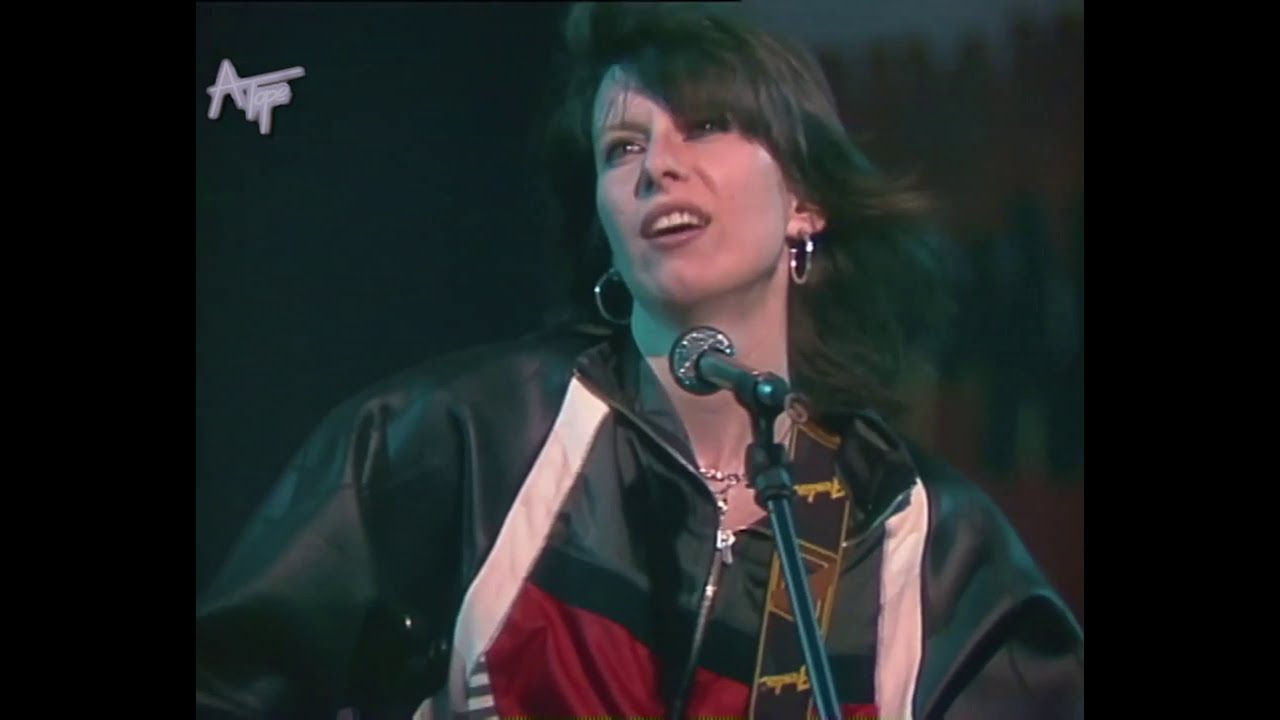
The album burst out of the gate with the seismic single Middle of the Road, on which McIntosh burned through a breakneck solo that ranks as a masterclass in kinetic excitement.
“I’m extremely proud of the album,” says McIntosh, who stayed with the Pretenders until 1987. “It was a big jump for me, working with a famous band and with Chris Thomas, an established producer.”
He laughs. “I did get some bad reviews, though. Some people called me ‘the guy who ruined the Pretenders.’ But you can’t take reviews seriously – good or bad ones. The album did extremely well; it went double platinum in America, so there was that. I was young and confident, so I just plowed on.”
Being that James Honeyman-Scott was a friend, did you have mixed feelings about auditioning?
Yeah, although I felt very lucky in one respect that I had been his friend. The fact that I did an audition meant I didn’t walk straight into the gig. I mean, the band might not have liked what I did, but as it turned out, they did. For the first few songs we did, I thought things worked out pretty well.
Did you have any interactions with Chrissie Hynde before the audition?
No, I met her at the audition. That was the first time, and then she rang me a few days later and said, “Do you want to join the band?” Obviously, I said yes.
What did the audition entail? Were you given a list of songs to prepare?
No, we just jammed. I played for maybe 20 minutes with another guitar player, Mick Green, who I was sort of in awe of, and a bass player whose name I can’t remember. Martin was playing drums. Chrissie and Dave Hill, the manager, sat in front of the stage. A few days later, I got the call from Chrissie and she said she wanted me in the band. I didn’t have a clue that I’d passed the audition.
The great thing about the Pretenders is that Chrissie is kind of garagey and punk – she’s a great songwriter and lyricist, and she’s got an individual voice – but it was embellished by Jimmy’s musical style. He wasn’t into punk at all, and neither was I.
What was it like the first time you played in rehearsal with Chrissie?
I remember she played quite loud, but that didn’t worry me. I was more concerned with how I could complement her and play off what she did. I can’t remember whether the first thing we did was 2000 Miles or Middle of the Road. I think it was Middle of the Road.

Okay, dude… that solo, I mean, come on. It’s so electrifying and beautifully composed. How long did it take you to work it out?
Thanks so much. But no, I didn’t work it out. Chrissie had the chords, kind of a Mitch Ryder and the Detroit Wheels thing, and I came up with some ideas.
I remember there was a growing riff part – I came up with that, and it seemed to work. In the studio I did maybe three or four solos, all different kinds of things, and Chris Thomas said, “I like that bit. We’ll keep the first half.” I think I dropped in the really fast bit on its own, and I did that thing with the delay at the end of the solo. We worked on it for maybe half an hour.
Which guitar did you use for that track?
My 1977 Fender Telecaster, which I still own. And my amp was a Marshall 20 head into a 2x10 cabinet. I had Marshall 100s as well, so maybe there was a bit of that in there. But the body of the sound was the Marshall 20, which is my favorite amp.
![The Pretenders • “My City Was Gone” • 1984 [Reelin' In The Years Archive] - YouTube](https://img.youtube.com/vi/2S4eQOGHXEU/maxresdefault.jpg)
If Chrissie had any doubts about hiring you, they were put to rest with that solo.
[Laughs] It was a bit more aggressive and flashy than what Jimmy would’ve done. People always ask me about the picking on that solo. I just used my fingers, and the pick was inside my hand. Then if I needed the pick, I’d just pull it out.
Chris Thomas always complimented me on the guitar playing on the album. I saw him a couple of years ago and he said the same thing. He said what a great time he had making that album. I was quite chuffed.
You mentioned 2000 Miles. Chrissie later said that she should have given you songwriting credit because of the riff you came up with.
Yeah, it was the same with Middle of the Road, actually. Chrissie would come up with a very basic accompaniment, and then I’d come up with riffs that went over the top. It was the same later on with Don’t Get Me Wrong. That guitar part is very distinctive.
Did Chrissie demo anything, or did she just play what she had right in the room?
It was all done in rehearsal, and we just remembered it. It was old-school. We never recorded anything. If you came up with something great, you just hoped you’d remember it.
How much leeway did Chrissie give you in terms of coming up with guitar parts?
The big thing with Chrissie was, she would say, “Don’t be too smooth.” I mean, Larry Carlton never would have fit in her band, and I say that as someone who loves Larry Carlton. I hate to use the expression “dumb it down,” but, to a certain degree, playing with Chrissie is about doing just that. She was into Mitch Ryder, Question Mark and the Mysterians, and the Ramones, while I was into the Beatles and Bad Company.
But you know, Chrissie is a great songwriter, and a lot of the greats, apart from people like Jimmy Webb, don’t really have a clue about the mechanics and the rudiments of music. That’s what makes them so good or so unique.
- This article first appeared in Guitar World. Subscribe and save.

