


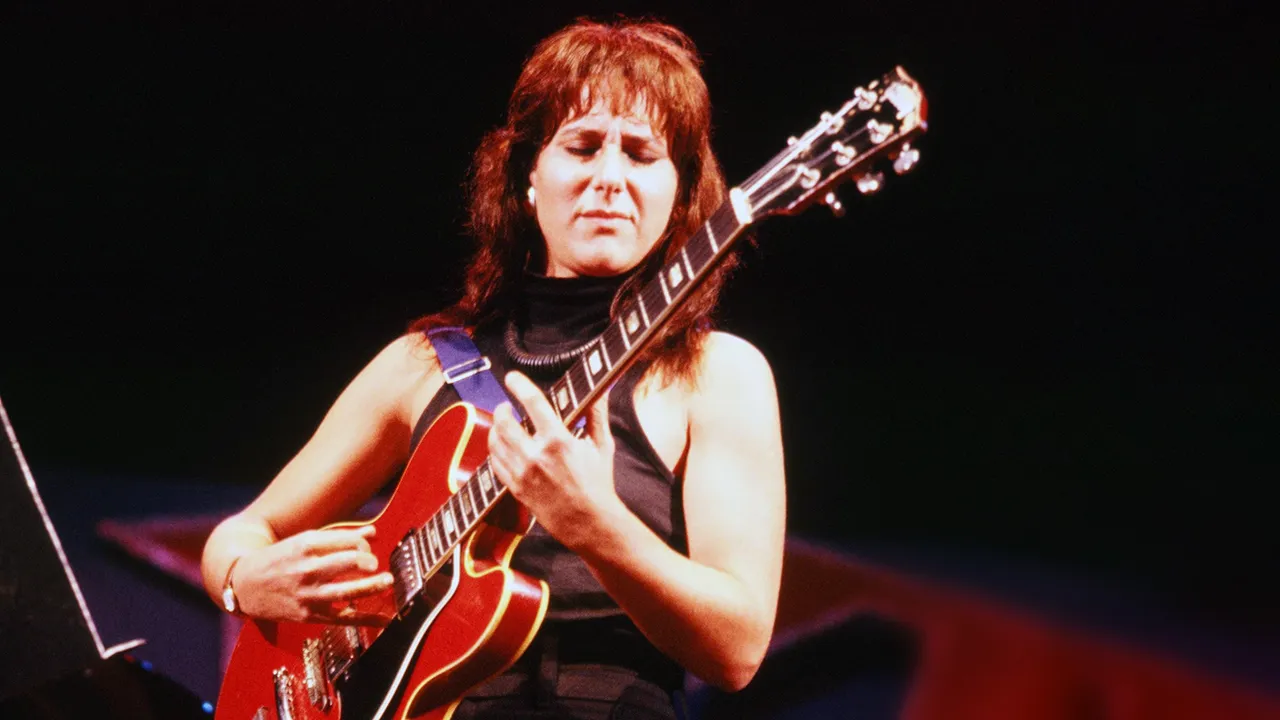
Back in 1982, a fast-rising – and perhaps unassuming – jazz virtuoso by the name of Emily Remler told People Magazine, “I may look like a nice Jewish girl from New Jersey, but inside I'm a 50-year-old, heavy-set black man with a big thumb, like Wes Montgomery.”
She may not be a household name, but Remler had the technique to hold her own alongside contemporaries like Pat Metheny, John Scofield, Joe Pass and Jennifer Batten. She also had something rarer: a sound and a musical personality that were unmistakably hers.
This was precisely what drew filmmaker Al Naffah, the writer, director and producer of Firefly: The Emily Remler Story, to her. It eventually compelled him to craft a documentary that celebrates her work and legacy – often ignored in the mainstream.
“I was a student in Paris and used to regularly listen to the station TSF Jazz. I remember one evening hearing Emily play and feeling an immediate connection to her phrasing and tonality,” he tells Guitar World in an exclusive interview.
“Discovering not only that it was a woman playing, but also that she had died at just 32 made me intrigued to find out more about her life and discover her outstanding discography.”
Naffah couldn’t help but draw parallels between Remler and another jazz great gone too soon.
“I remember watching Asif Kapadia’s Amy about Amy Winehouse and thinking about Emily Remler. Both were extraordinary Jewish women in music who battled addiction and intense sexism but whose lives were cut tragically short,” he explains.
“But what stayed with me was the possibility of hearing Emily tell her own story. When I realised how much footage and audio of her existed, I could see a film built around her voice and performances. That was the moment she stopped being a subject I admired and became a film I felt I had to make.”
Naffah went on a journey to unearth rare performances, television appearances, photographs, and interviews in which Remler speaks about her life, in her own words.
He also went a step further by interviewing a rolodex of guitarists, including Jennifer Batten, Martin Taylor, and The Last Dinner Party’s Emily Roberts – those who either experienced Remler’s music firsthand or were influenced by her legacy.
“What comes through in the interviews is that Emily’s influence began with how she played. She was doing that in a world where women instrumentalists had to work much harder to be taken seriously. She endured horrific sexism and misogyny throughout her career but became something that she had to rise above.
“She would frequently say that she had to be ‘Twice as good as a man.’ [For example,] Emily used Polytone solid-state amplifiers and Fender tube amplifiers, but frequently had to endure comments like, ‘Can a woman really carry that big amp?’

“One contributor in the film even tells of how she would go into recording studios, and people would look at her like she didn’t know how to plug in the guitar.
“Emily refused to let those expectations define what she could do. For later guitarists, that combination of musical excellence and determination made her a powerful example.”
Moreover, he notes that Remler herself refused to be defined by style or genre – describing herself as a “melting pot” in archival footage. She wasn’t just a composite of her heroes – namely, Wes Montgomery, Herb Ellis, Joe Pass and Charlie Christian – but, armed with her distinctive red Gibson ES-330, and later, a Borys B120 hollow body, took a magpie-like approach and created something uniquely hers.
She would go into recording studios, and people would look at her like she didn’t know how to plug in the guitar
“She studied the tradition closely, then played with enough conviction that you hear Emily, rather than a list of her influences,” Naffah continues.
“Seeing the evolution of her playing in early footage of concerts alongside people like Astrud Gilberto to her towering presence on stage leading a group of guitar legends – John Abercrombie, Mick Goodrick and John Scofield – you can see how much she wanted to be, and was, a natural leader.”
After poring over hundreds of hours of footage and interviews, Naffah points to a story that best encapsulates Remler’s character and dedication to her craft.
“My favourite story in the film is her simple reply to what she would consider to be the greatest achievement of her career: to have earned the respect of the idols she looked up to.
“For Pat Martino to tell her he had a good time, for Pat Metheny to be in the audience at her shows, and for Joe Pass to have recommended her for gigs. It says so much about her character and her motivation to be respected amongst the greats despite all the obstacles she had to deal with.”
Remler’s promising career was cut short when she died of heart failure at the age of 32 while touring in Australia. Her longstanding addiction to heroin and Dilaudid is thought to have contributed to her death – a tragedy that Naffah says the team was careful to touch upon without falling into the trap of sensationalism.
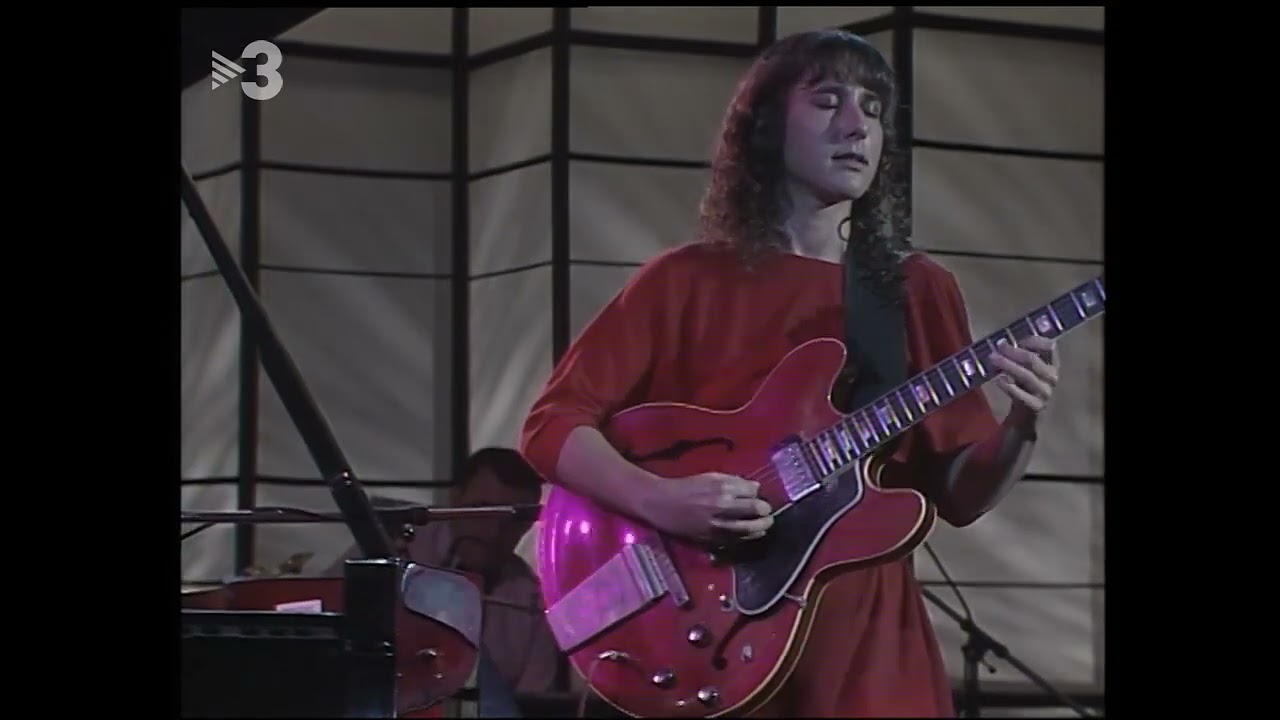
“We have worked very hard in co-operation with Emily’s closest friends and family, particularly her sister Jane Remler Blank and childhood friend, Susan Itkin Kurshenoff.
My favourite story in the film is her simple reply to what she would consider to be the greatest achievement of her career: to have earned the respect of the idols she looked up to
“We all felt that it would be wrong to ignore the theme of addiction in the film, and we have managed to find previously unseen footage of Emily discussing her challenges openly so that the audience can hear it directly from her.”
As Remler would have turned 70 next year, Naffah says it feels particularly timely to release the documentary in 2027.
After receiving crucial support from Berklee College of Music and Beth Marlis at Musicians Institute Hollywood, he’s now appealing to the guitar community to contribute to his team's Kickstarter campaign. The aim is to raise roughly $27,000, “to strengthen the story edit and move the film toward completion.
“We felt that starting with the Kickstarter was the right way to tap into Emily’s huge grassroots fanbase and invite people to become part of the project,” he explains.
“A personal recommendation to a friend, a guitar teacher, or a local jazz group can make a real difference. Backing it will help us build momentum and bring Emily’s story to the screen.”
More importantly though, releasing the film during such a poignant year gives Naffah, his team, and Remler’s friends and family a chance to bring her work to a new generation.
“I don’t think a film can define Emily’s legacy; she did that through her playing. But it can help ensure that more people hear it, understand the obstacles she faced, and recognise just how much she achieved.”
- For more information, head to Firefly: The Emily Remler Story's Kickstarter campaign.

