


In conversation, 70-year-old guitar hero Michael Schenker overflows with excitement like he’s 20, answering questions with effusive run-on sentences, making sure he expels every uncensored, elliptical thought that glides past his tongue.
This makes for lengthy yet revealing interviews. Each comment is a puzzle piece that helps reveal the full picture of his unorthodox approach to music and business. In short, the message is fairly straightforward: Enthusiasm, self-belief and impulsiveness are the keys to happiness. And he’s got plenty to be happy about.
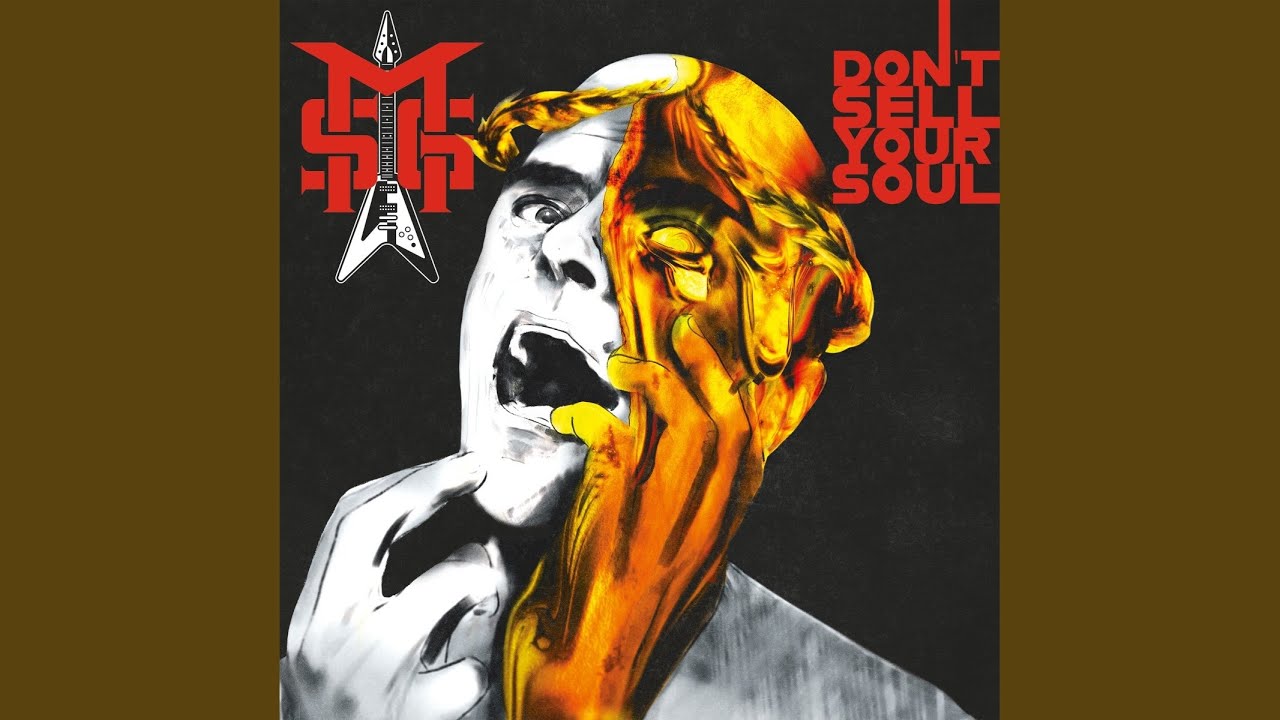
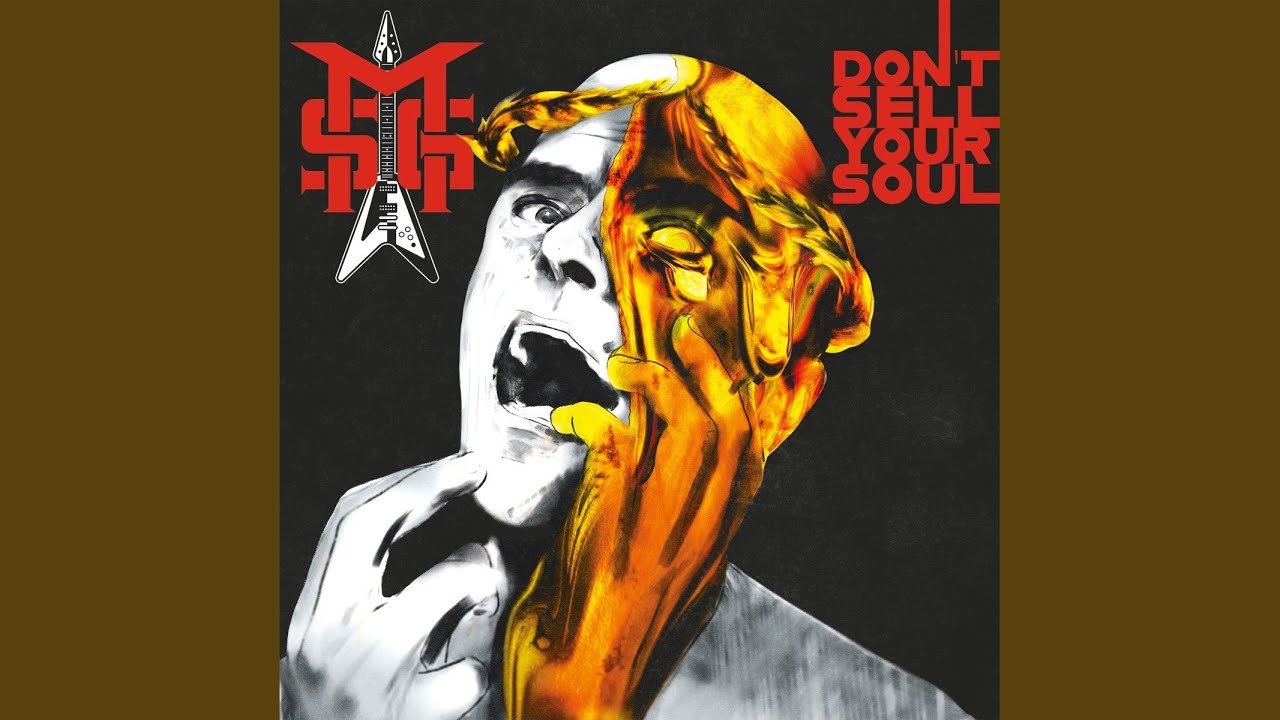
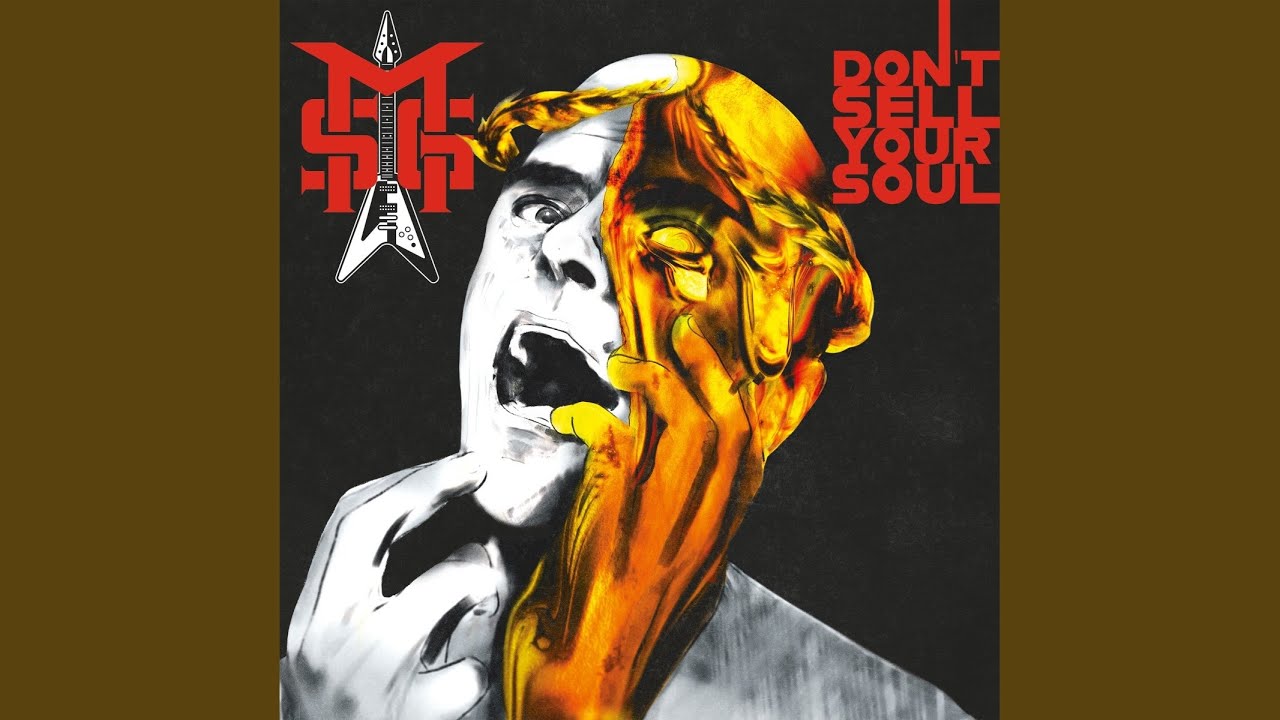
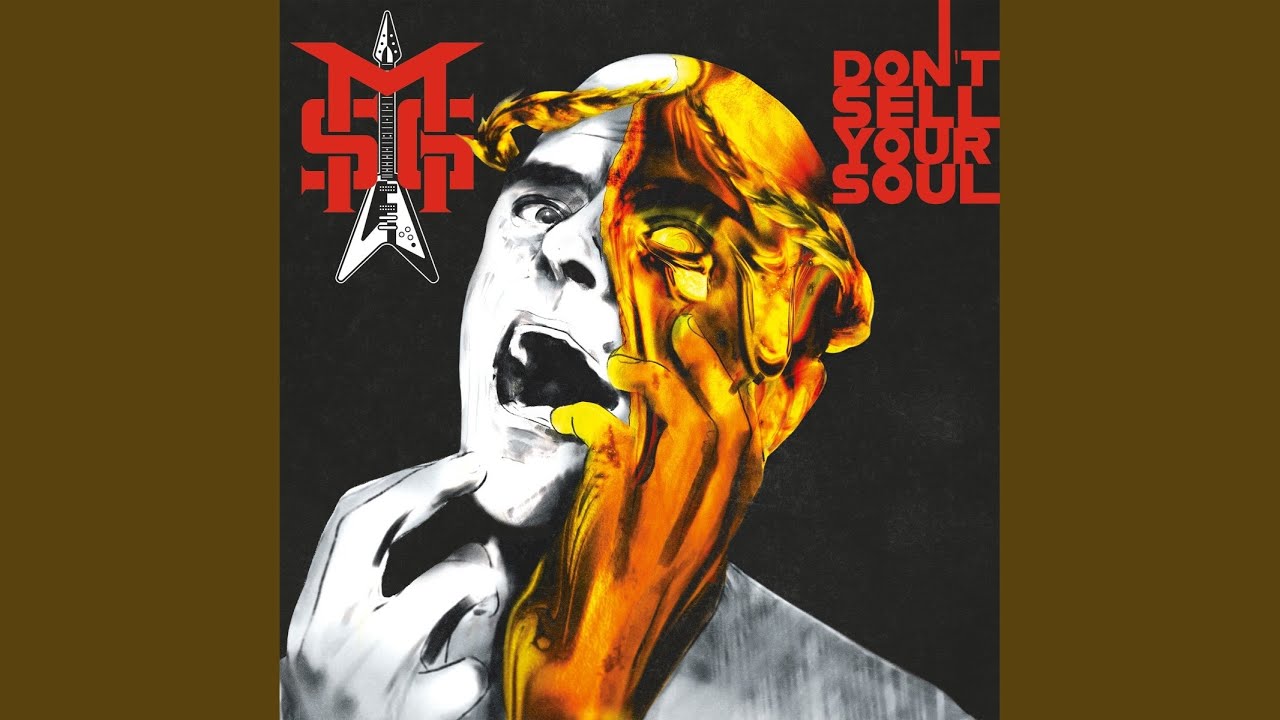
Late last year, Schenker released Don’t Sell Your Soul, the 13th studio album of originals by his band, Michael Schenker Group (MSG). It’s a grand return to rip-rockin’ form and the second release in a three-album series. The first part of the package, My Years with UFO, came out in June 2024 and featured re-recorded, star-studded versions of 11 tracks Schenker wrote between 1972 and 1978 during his years with British powerhouse rockers UFO.
Schenker decided to record the album not just to play old favorites with Slash, Dee Snider, Roger Glover, Stephen Pearcy, Axl Rose and others. He created it as a history lesson for fans.
“Many people think I was born musically in the ’80s, because when you click ‘Michael Schenker’ on the internet, all you see is ‘Michael Schenker Group’; there’s nothing there about UFO or Scorpions,” Schenker says.
“With My Years with UFO, I wanted to show the songs I created in my developing years from age 17 to 23, because every year I improved my guitar playing and songwriting in some way. So the record reminds me of that and educates all the people who didn’t know where I came from.”
A refresher: Schenker left UFO in 1978 after growing friction between him and vocalist Phil Mogg ended with the guitarist getting sucker-punched – after telling Mogg he’d leave the band if he was ever hit. Schenker’s first offering with Michael Schenker Band was 1980’s self-titled album, and over the next four years (their most prolific era), MSG released three more studio records and two live albums.
Don’t Sell Your Soul revisits the driving and highly melodic style Schenker last showcased on 2022’s Universal and reflects the guitarist’s songwriting MO – “freedom of expression” – a technique that prioritizes spontaneity over premeditation, authenticity over trend, and instinct over theory.
I’ve always believed in doing exactly what I feel like. That’s freedom of expression. If I did something just because it was what people expected that would be selling my soul
“I’ve never known about anything technical,” Schenker says. “When I put a musical sketch together for a song, I can’t say if it’s major or minor. People say I switch between the two, but I don’t know. Maybe I play parts of scales, but I don’t know the names of them or the modes or whatever. I just don’t care about that stuff.”
While Schenker was working on Don’t Sell Your Soul, he was writing more experimental and atmospheric songs for Freedom of Expression, the third album of his trilogy.
Originally, that album was going to be instrumental, but when producer and singer Michael Voss impulsively added vocals one night, then played them for Schenker, the guitarist liked the way they complemented the song, and the direction of the album abruptly changed. Suddenly, Voss was singing across the tracks.
“I’ve always believed in doing exactly what I feel like,” Schenker says. “That’s freedom of expression. If I did something just because it was what people expected, or if I stopped what I was doing because I was blinded by fame and money, that would be selling my soul.”
Reflecting over the past 50 years, Schenker admits there were times he easily could have hopped the money wagon for a quick cash grab. When Uli Jon Roth quit Scorpions in 1978, Schenker returned to the band (of which he was a member between 1972 and 1974) to work with them on Lovedrive, but he didn’t stay.
After Randy Rhoads died, Schenker was the first guitarist Ozzy Osbourne approached, but he decided to pursue his own vision instead of following the Prince of Darkness.
“With Scorpions, I helped them out as a gesture to my brother [Rudolf],” Schenker says. “They were lost; they couldn’t do an album, so I worked with them as a jump-starter. And when Ozzy approached me, there was an inner warning light that said, ‘Don’t do that because you have just left UFO and Scorpions.’
“I had time to digest my situation and the message was clear to me. I wanted to carry on doing my thing and purely self-express, and not run after a trend, which Scorpions and UFO had been trying to do since I left.”

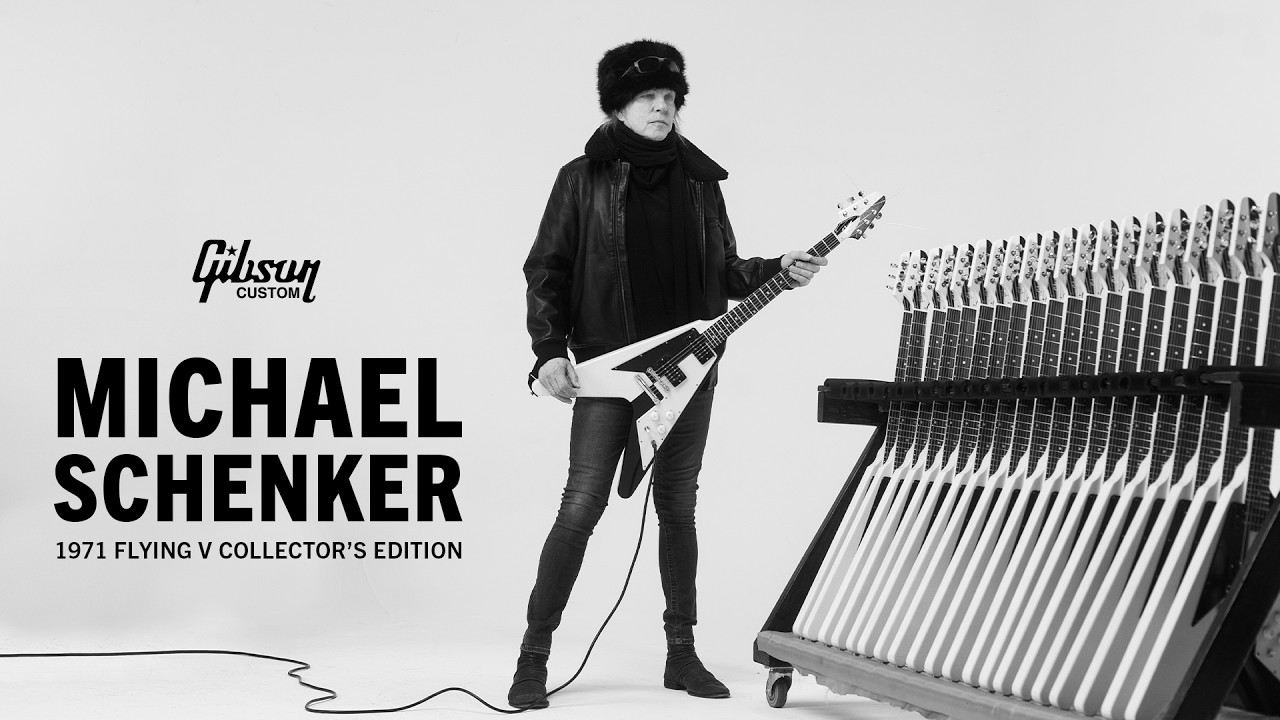
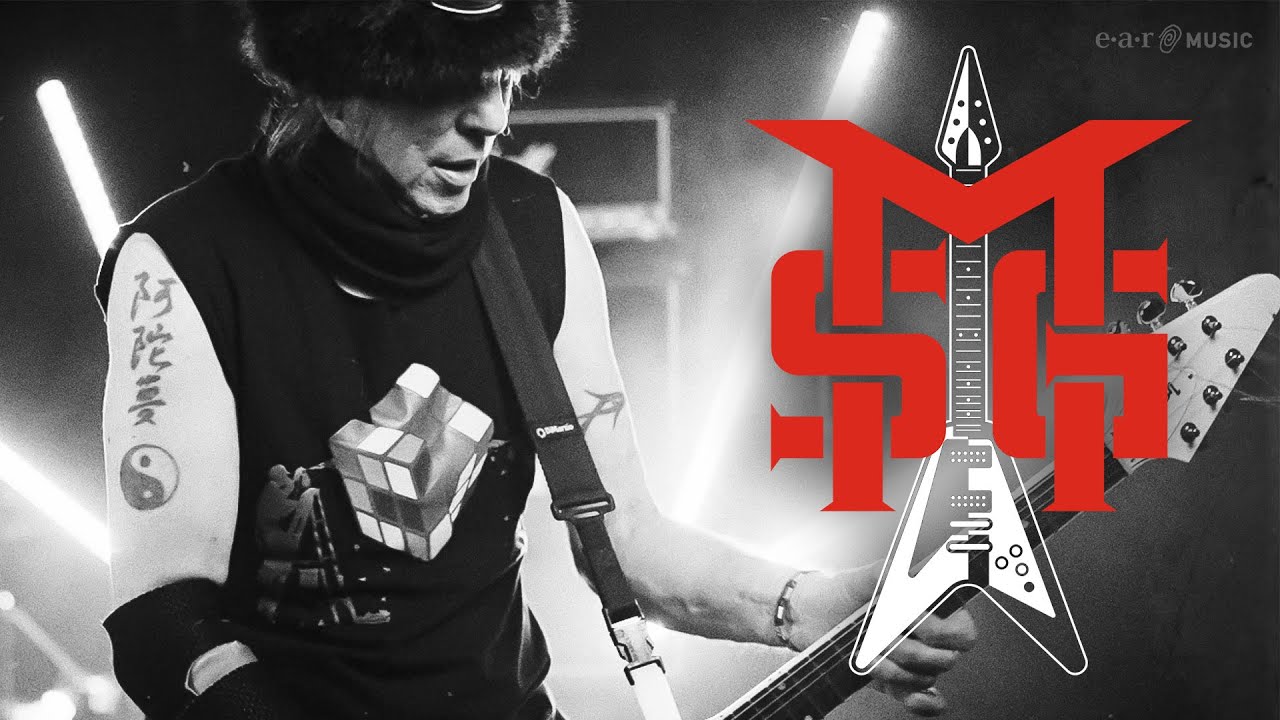
As for Don’t Sell Your Soul, the songs are rooted in the propulsive, driving riffs and neo-classical-tinged leads of classic MSG (Schenker used his old black Gibson Flying V for most takes), but with some production twists that make the songs more modern-sounding.
If nothing else, Don’t Sell Your Soul is an affirmation that Schenker continues to follow his instincts, whether that means foot-stomping anthems, heartstring-tugging love songs or rhythmically off-kilter cuts that defy dancing.
Between musings about the power of music and the best ways to achieve peace of mind, Schenker talked about each song on Don’t Sell Your Soul and explained how plugging in for another MSG album is like putting on a favorite pair of shoes.
1. Don’t Sell Your Soul
I wrote that in my head before I even picked up the guitar. I was humming a part and imagined a guitar to it, which is a rare way for me to work. I was on tour and I was driving, and I had time to contemplate things.
When I eventually picked up a guitar, the song kept progressing step by step, and it kept me going. I used a wah in it, and I haven’t used a wah-wah for a long time.
For some reason, I wanted to hear that sound, and I used it in some other songs, too. Michael Voss wanted to put delay and other effects on it, but I said, “Nah, I want to hear that rough sound,” so I kept it dry on purpose. It’s a very personal song about my story, which is why I wrote the lyrics, which I also rarely do.
2. Danger Zone
I collect gold pieces. I bump into them as I play guitar and when I’ve found one, I put it aside. For Danger Zone, I went back to one of these pieces of gold and used it to start the song. That inspired me to write the bridge and chorus parts.
It’s interesting because when I write riffs, I don’t know what songs they’re for. And then I start randomly putting them together. I don’t even look for the best piece of gold, I just start playing something in my collection, and if it works I use it. If it doesn’t, I reach for something else.
3. Eye of the Storm
I put together a sketch for the song, but then after Bodo [Schopf] put down his drums, there was more feel to it. I wasn’t sure if I still wanted to use the guitar parts I had put down. The next time I came into the studio, Michael Voss played the track back for me so I could hear how it sounded and evaluate it.
He had already worked on it, and the way he put it together sounded very unique, so I didn’t feel like I needed to do anything to it anymore. It didn’t stick out as a lead guitar song. It was more atmospheric and interesting. I said, “I think what I did yesterday is perfect.”
4. Janie the Fox
It’s a spooky song right from the beginning because it’s different. I think I was inspired by doing the acoustic instrumentals we started out with for Freedom of Expression. But I mixed together cleaner sounds with a distorted riff I had written, and that’s where the atmosphere comes from.
Michael took advantage of that, and then one night after I left the studio, he had a spiritual experience. He was working on the vocals and when he looked outside of his big glass window, there was a fox looking in. Michael looked at the fox, and the fox looked at Michael – right into his eyes.
He explained later that he felt like he was completely in tune with nature, so he wrote the lyrics and vocals. And that created a contrast because the beginning is more wild and spooky, and in the chorus he sings so melodiously and it’s beautiful.
5. I Can’t Stand Waiting
I put down a riff I had from my pieces of gold. I did verse, bridge, chorus. And then Michael did something with it, and when I came in the next day, he played me what he had. It was great, but it was catchier than what I did because Michael is a trendy guy.
It’s only me who does pure self-expression. When I put my music down, there’s a sketch. And then when all these people join in, they’re coming from a different world.
6. Sign of the Times
That was a fun song. I did this kind of palm-muted arpeggio that’s just part of what I do. I’ve used it for a long time to figure out how to use strings in different ways. And that goes along with the vocals and becomes a big part of the song.
7. The Chosen
When I did it, the fast part in the end came out of nowhere. It’s quite a spooky song. You have all these clean guitars in the background, and there’s off-time parts that just aren’t resolving.
While I was doing it, I had this vision of those Tom and Jerry cartoons where the cat is chasing the mouse. I thought it would be great to create this vision of somebody being chased and running away.
8. It’s You
That’s the only other song I wrote in my head and didn’t have a guitar when I came up with it. I can’t even describe what I did to make the feeling that’s in the song, where it’s maybe sad, but happy. It was just a feeling that comes out in the riffs.
There’s a story in between the riffs, and I’m playing along with it, I guess, and naturally capturing the feeling of it. I think the rock riff I played makes it more upbeat, but I didn’t think about doing that. It happened on its own.
9. Six String Shotgun
I put a musical sketch together that was instrumental. There was nothing particularly special about it. Then, [guest vocalist] Robin McAuley [McAuley Schenker Group] wrote the lyrics.
He told me it was called Six String Shotgun, and I thought maybe it was about someone shooting somebody. But maybe that’s ironic. There’s a reason Robin wrote those lyrics. I don’t have anything to do with that part, and sometimes the music has nothing to do with the music.
10. Flesh and Bone
It has a very hard-rock sound – not to balance a slow song or anything; I was just self-expressing. I wouldn’t express something I don’t want to do. So, obviously, everything I want to do is put on a recording because that’s what I want to work on and hear and let other people hear.
11. Surrender
There’s a gallop in that song. It’s funny because I once read one of the guys in Iron Maiden say they invented the gallop. First of all, the gallop was already there if you look at TV shows like Bonanza.
Also, the gallop was done a long time ago in rock; I played it in [UFO on] Lights Out. It’s just something I’ve always liked to do. It has this adventurous kind of sound that works well sometimes. It’s in my blood, and it’s the beat that never resolves, so you can’t really dance to it.
- Don't Sell Your Soul is out now via earMUSIC.
- Michael Schenker Group’s six-disc box set, Live & Ready: 1980–1984 is out now.
- This article first appeared in Guitar World. Subscribe and save.

