


A towering love story set in the face of the division of Berlin during the Cold War, Heroes is one of David Bowie's greatest achievements – an epic that will long outlive him (and has already). It wouldn't be half of what it is, though, without Robert Fripp.
It was Fripp that contributed the song's defining instrumental element, a whirring guitar part that adds a touch of the weird and surreal as it coils around Bowie's heroic vocal performance.
When Bowie called up Fripp again for some more studio work a few years later, though, he had something very different in mind.
The assignment was Scary Monsters (and Super Creeps), the swaggering rocker that would become one of the centerpieces of Bowie's 1980 album of the same name.
Fripp – who had initially hesitated when asked to contribute to Heroes – was more gung ho when asked to play on Scary Monsters.
“I was a working player and ready to go,” he told Guitar World in a recent interview. “I was a focused rock player, and I recorded for two nights, beginning at midnight, at Trident Studio at St. Anne’s Court in London.
“I only had chord sheets, and the advantage of that is that you don’t have to sit down with a manuscript book and listen through the songs a few times until you have the map. You have the map in broad outlines and you just go.”
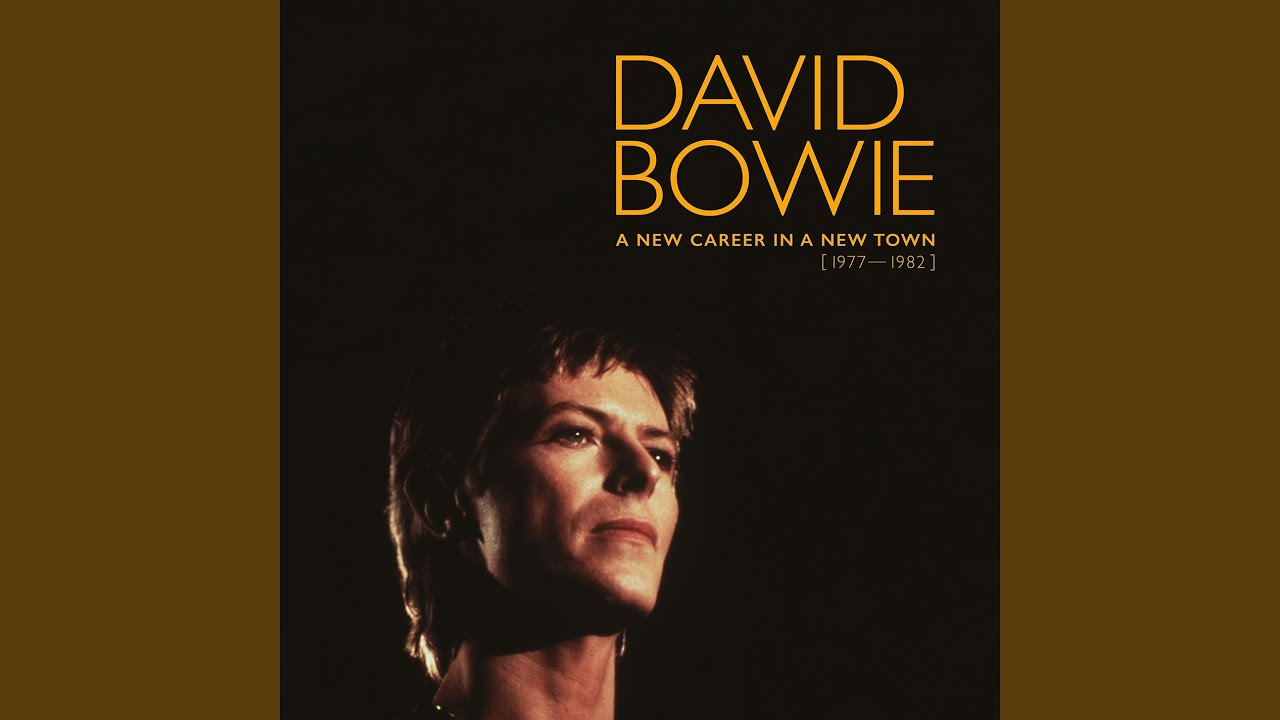
Fripp's newfound role as a “focused rock player” very much came in handy at the sessions.
“I remember I asked David, ‘Any suggestions?’, because there’s any number of ways you can go,” he told GW. “He said, ‘Think Ritchie Blackmore.’ I didn’t expect that, but I understood what he meant.
“Did I sound like Ritchie Blackmore? No. But I’d seen Ritchie in the Outlaws in Poole when I was 17, and his playing was phenomenal. He had all the moves. So I’d seen Ritchie, I’d heard Ritchie, and I wasn’t going to play like Ritchie would, but I knew what David meant.”
Asked by Guitar World how the great artist should be remembered, the King Crimson mastermind said, “Simply as we knew him. Some people knew him personally, other people knew him through his work, and still other people will remember David as the person who said to them very directly, ‘You have permission to be who you are.’”
For more from Fripp, plus interviews with some of Bowie’s other key guitarists, pick up issue 607 of Guitar World from Magazines Direct.

