

Guitar World Verdict
The Burstphonic can’t put a ’59 Burst under your foot, but it gets surprisingly close to some of the feel players are really chasing. It adds bloom, harmonic texture and touch-sensitive compression without erasing the guitar in front of it, while the Strat/LP and Greeny options give it considerably more range than you may expect.
Reasons to buy
- +
Adds noticeable harmonic bloom, body and sustain without making every guitar sound the same.
- +
Strat/LP switch makes the circuit genuinely useful with both single-coils and humbuckers.
- +
Bass, Sparkle and PAF controls provide far more range than the vintage-pickup premise suggests.
- +
Greeny mode delivers a convincing hollow, vocal out-of-phase flavor without modifying your guitar.
Reasons to avoid
- -
The “’59 Burst in a pedal” premise sets expectations that no stompbox can literally fulfill.
- -
At €360, it costs considerably more than most boost, EQ and low-gain drive pedals.
You can trust Guitar World Our expert reviewers spend hours testing and comparing guitar products so you can choose the best for you. Find out more about how we test.
What is it?
Few corners of the guitar world inspire as much mythology as the original late-’50s Gibson PAF humbucker.
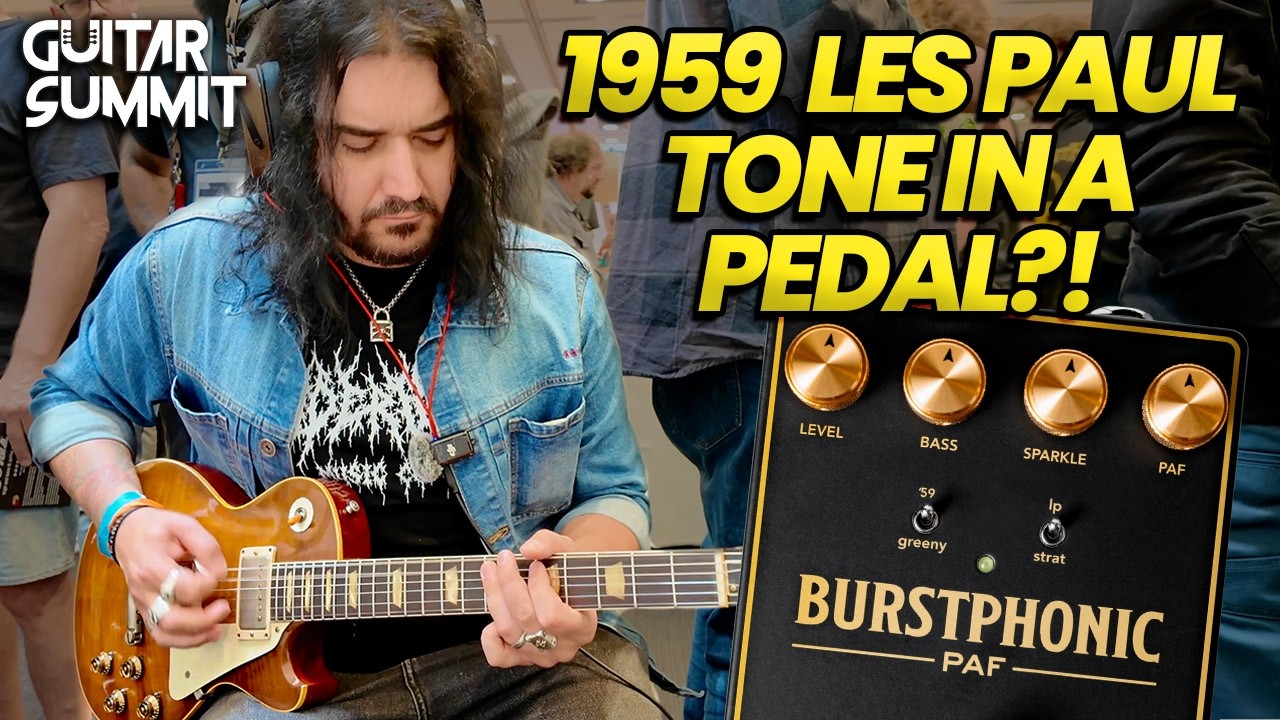
OctaKing Labs goes straight at that mythology with the Burstphonic PAF, a limited-production, fully analog pedal designed to add the harmonic bloom, compression, resonance and slightly airy top-end character associated with a great vintage Les Paul.
Rather than positioning the Burstphonic as another amp-in-a-box or conventional overdrive pedal, OctaKing describes it as an “instrument-response” pedal. The production voicing was developed around the frequency and dynamic behavior of a 1959 Les Paul, with the company specifically referencing Gary Moore’s famed “Stripe” ’59 Les Paul.
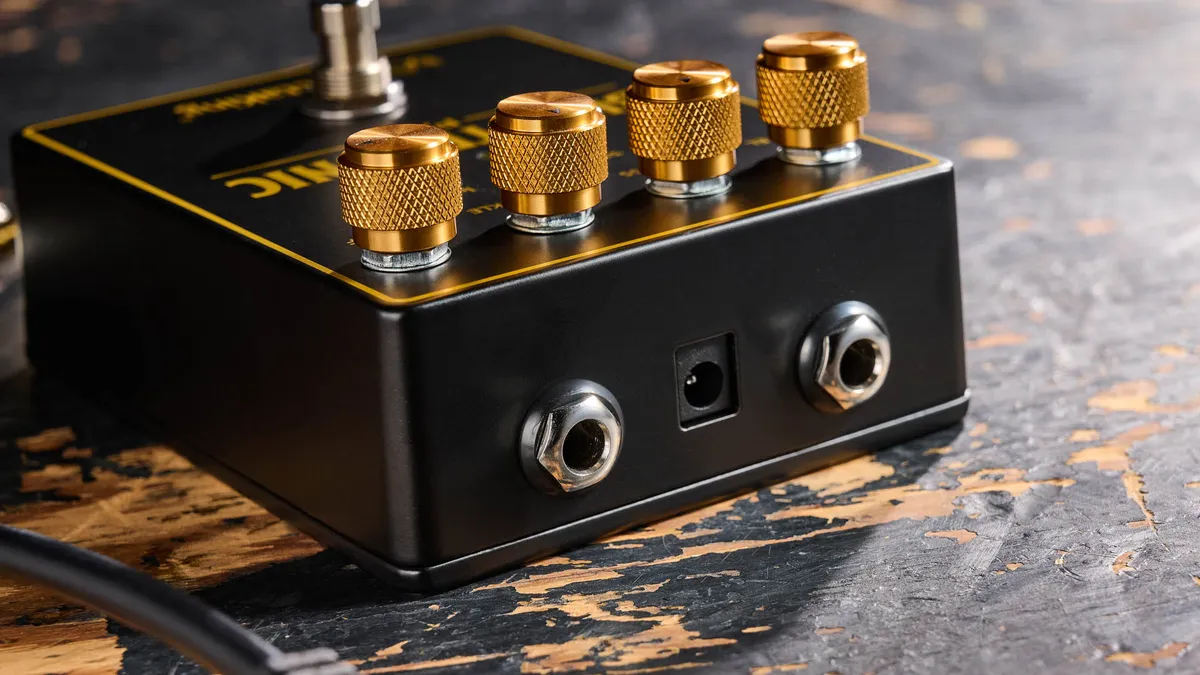
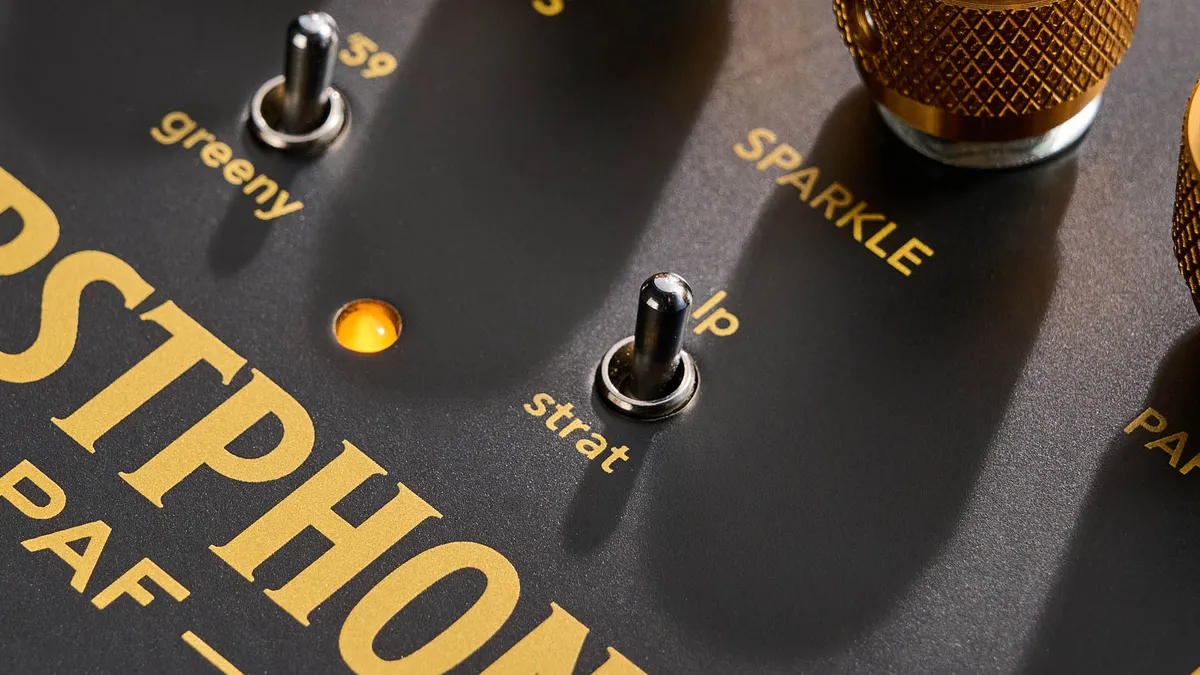
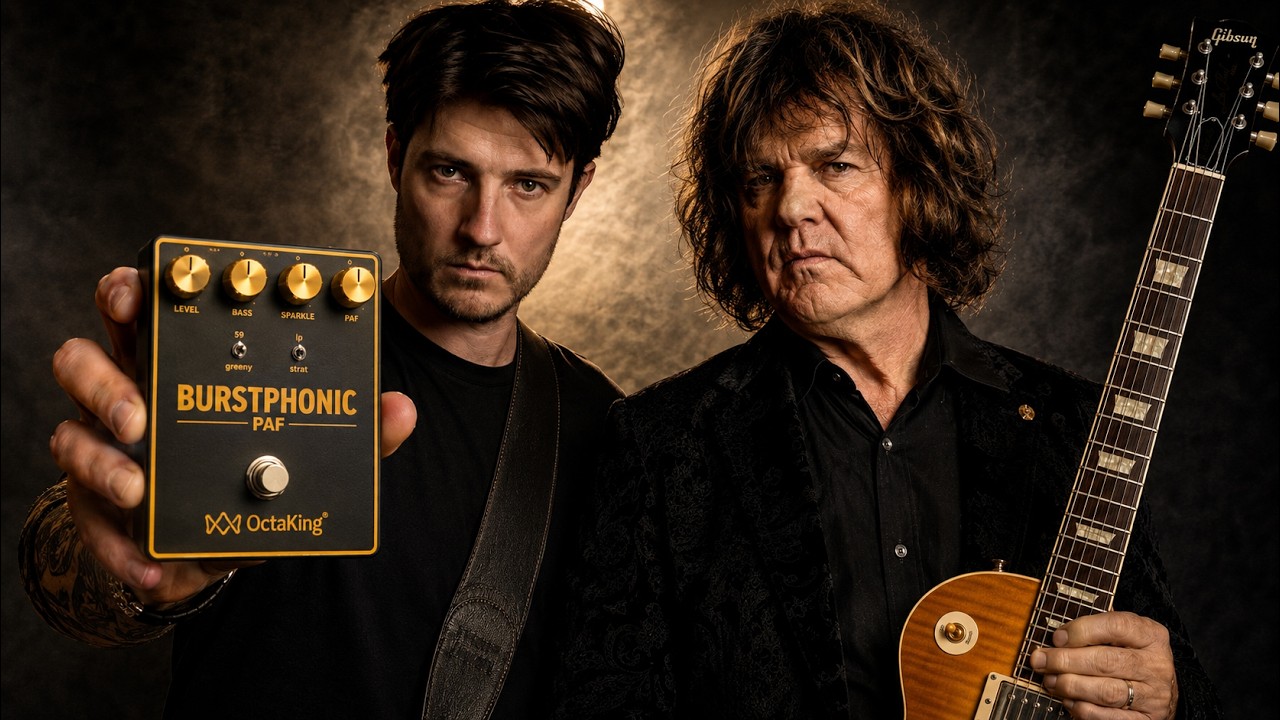
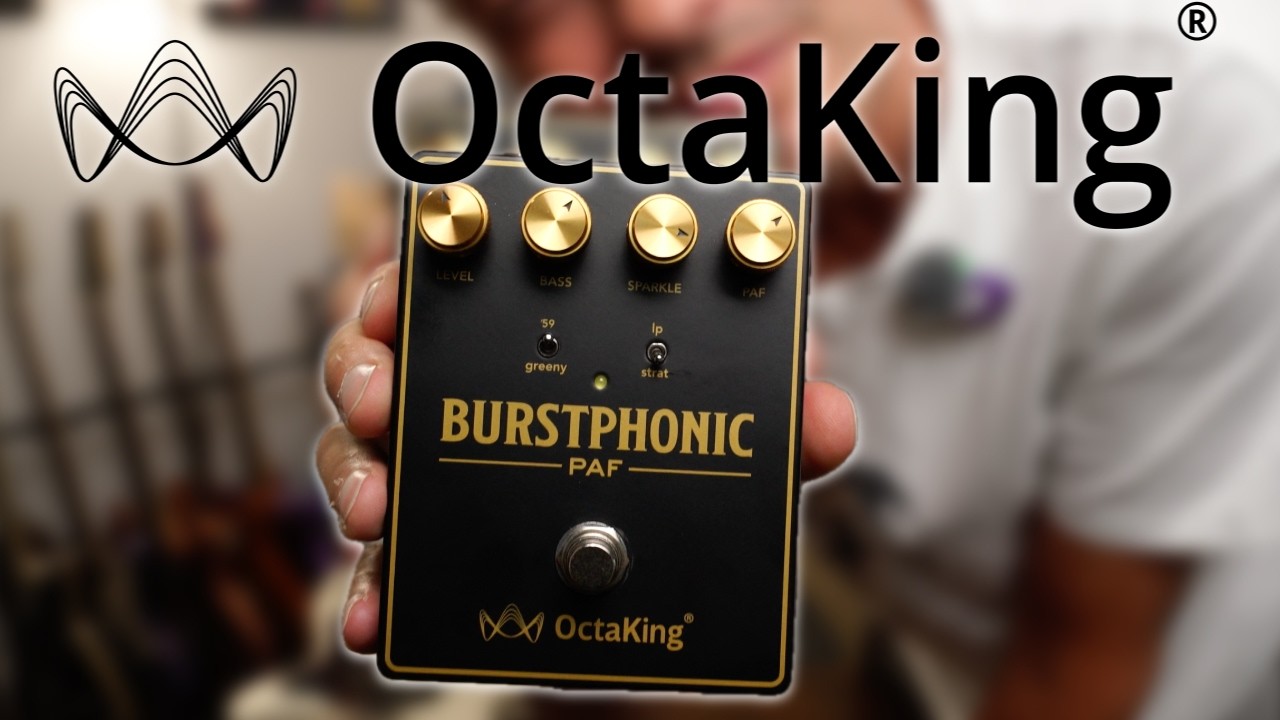
Four controls handle Level, Bass, Sparkle and PAF, while a Strat/LP switch adapts the response for lower-output single-coils or humbuckers. A second switch accesses the standard ’59 voice and Greeny mode, which reshapes the signal toward the hollow, nasal out-of-phase sound forever associated with Peter Green and Gary Moore.
The concept is ambitious and some may think the language around it occasionally borders on the impossible, but the Burstphonic is more useful than the sales pitch suggests. It can work as an always-on enhancer, a low-gain preamp, a tone shaper or a surprisingly muscular boost.
Specs

- Price: $420 | £315 | €360
- Type: All-analog preamp / harmonic-enhancement pedal
- Controls: Level, Bass, Sparkle, PAF; Strat/LP and ’59/Greeny toggle switches
- Features: Fully analog signal path; guitar-specific input voicing; harmonic and dynamic shaping designed around vintage PAF response; Greeny style out-of-phase voicing
- Connectivity: 1/4" instrument input, 1/4" amp output
- Bypass: Footswitch bypass
- Power: 9V DC pedal power
- Dimensions: 89 x 114 x 38mm (W x H x D)
- Weight: Approx. 1.1lb / 0.5kg
- Contact: OctaKing Labs
Build quality
Build quality rating: ★★★★☆½
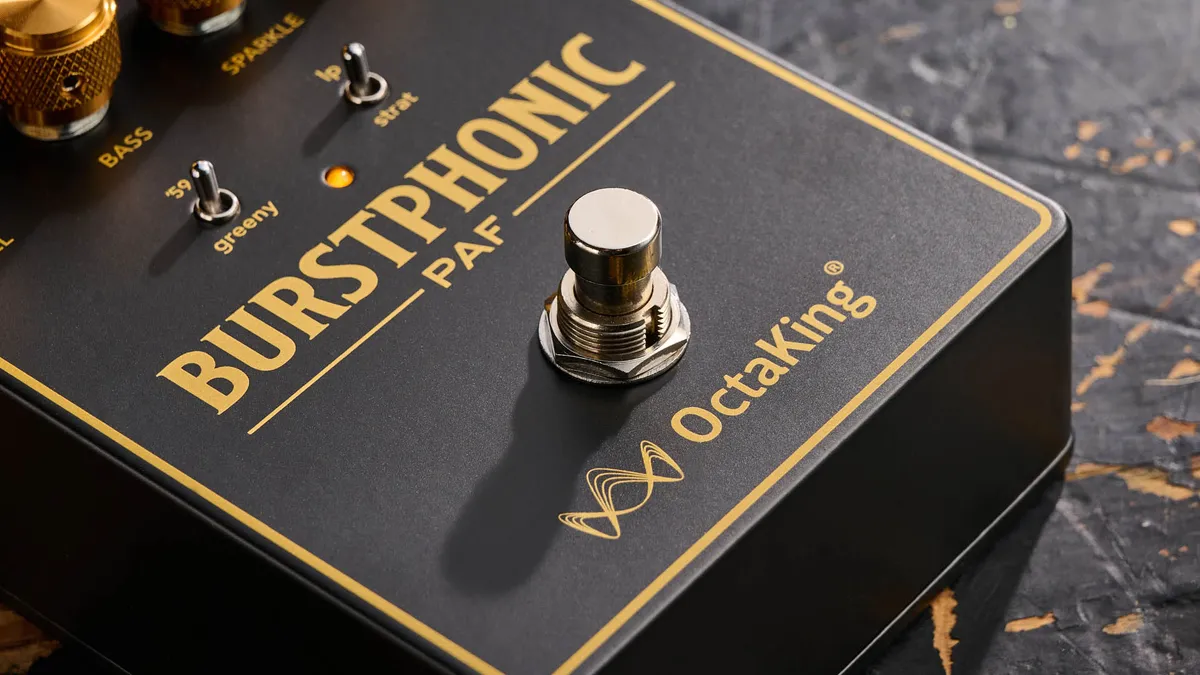
Pick up the Burstphonic and it immediately feels like a well-made piece of gear. The enclosure is solid and substantial, the four full-size knobs have enough resistance to keep them where you set them, and both mini toggles click firmly into position. The footswitch has a positive, reassuring action, and everything about the pedal feels built to handle regular use on a pedalboard.
OctaKing also does a nice job with the presentation. The black-and-gold graphics give the Burstphonic a distinctive boutique look without getting too flashy, and despite having quite a bit going on across the top panel, everything is clearly labeled and easy to see.
At €360, it sits firmly in premium pedal territory, but the quality of the construction, controls and overall finish are right in line with what I would expect from a boutique pedal at this price.
Usability and features
Usability and features rating: ★★★★½
I ran the Burstphonic with both my Les Paul and Stratocaster... It responds very differently to the two guitars rather than simply stamping the same EQ curve over both of them
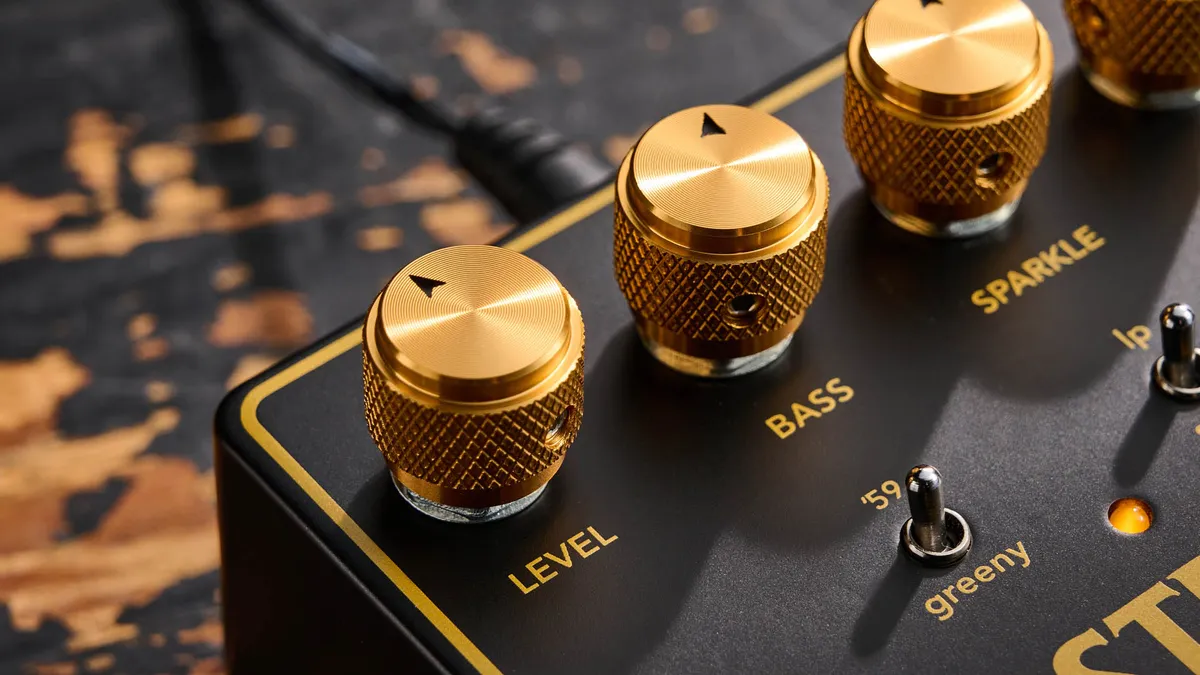
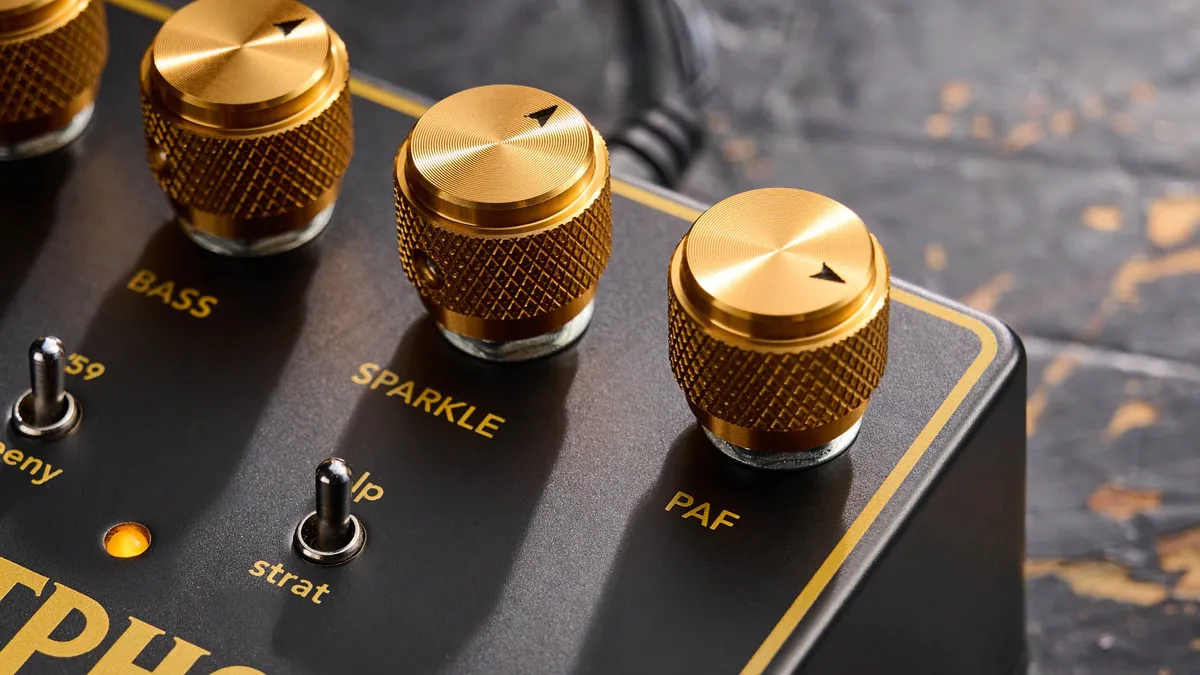
The control on the Burstphonic are pretty straightforward. Level sets overall output, Bass controls low-end weight, Sparkle controls upper-frequency presence and air and PAF adds a bit of overdrive, compression and harmonic character. You can hear each control doing something useful without having to chase tiny sweet spots.
The Strat/LP switch turns out to be more important than I expected. LP keeps a humbucker-equipped guitar from becoming too thick, while Strat gives lower-output single-coils extra body and authority. The ’59 setting is the fuller, more natural everyday voice. Greeny pulls the mids into a noticeably more hollow, nasal shape that works especially well with a Les Paul in the middle pickup position.
I run the Burstphonic with both my Les Paul and Stratocaster into a Fender ’62 Deluxe Vintage Reissue, with the amp set for a warm edge-of-breakup tone. That setup makes it easy to hear what the pedal is adding without the amp doing all the work, and it also shows that the Burstphonic responds very differently to the two guitars rather than simply stamping the same EQ curve over both of them.
Sounds
Sounds rating: ★★★★½
With the pedal in ’59 mode, PAF around 10 o’clock, and the EQ close to noon, the first thing I notice isn’t more gain but more dimension. Chords sound wider, single notes have extra bloom after the initial pick attack, and there is a soft compression that makes the guitar feel easier to play without flattening the dynamics.
The Strat benefits the most dramatically. In Strat mode, the Burstphonic fills out the lower mids and takes some of the hard edge off the top without sacrificing the snap that makes a Strat a Strat.
Sparkle brings back as much glass as I want, while Bass adds weight and gives the bridge pickup a much bigger voice. It never becomes a Les Paul, but it moves in that direction.
My Les Paul but sounded fuller, more harmonically active and more responsive under the fingers
The Les Paul in the LP mode keeps the bottom end tight while the PAF control adds a chewy upper-mid quality and a little extra harmonic haze around sustained notes.
Around noon, the pedal makes bends feel vocal and gives the amp that sensation of being pushed harder than the actual volume suggests. Rolling the guitar volume back retains clarity and much of the extra liveliness.
Greeny mode is the most obvious special effect
Turn the PAF control past noon and the Burstphonic starts showing its teeth. There’s enough compression and grit for it to function like a low-gain overdrive, with substantially more push than I expected. Bass and Sparkle become especially useful here: trimming Bass keeps humbuckers from getting congested, while a little extra Sparkle preserves pick attack as the circuit gets thicker.
Greeny mode is the most obvious special effect. With the Les Paul in the middle position, it produces that scooped, nasal vocal quality immediately, and it is convincing enough to send you straight into Peter Green and Gary Moore phrasing. It’s far more than a novelty and saves you from rewiring or modifying a guitar to get into that territory.
What impresses me most was that the Burstphonic never completely took over the rig. My Strat still sounds like my Strat and my Les Paul still sounds like my Les Paul but sounds fuller, more harmonically active and more responsive under the fingers. Much more useful than literally pretending either guitar has become a 1959 Burst.
Verdict

The Burstphonic feels less like a gimmick chasing PAF mythology and more like an unusually good analog tone enhancer
The Burstphonic PAF is an easy pedal to be skeptical about. Trying to bottle the character of a ’59 Burst is one thing. Putting it in a stompbox is another. Any product that invokes ’59 Bursts, PAF magic and Greeny in the same breath is walking into a room full of guitar players with their arms already crossed. And no, this pedal cannot reproduce the wood, pickups, pots, hardware and six decades of history contained in a great vintage Les Paul.
What it can do is make a very good guitar rig feel better. The Burstphonic adds harmonic complexity, weight and a soft, musical compression while preserving enough pick attack and individual guitar character to keep it from feeling like another generic overdrive.

The Strat/LP switch is genuinely useful, Greeny mode is a great extra voice, and the Bass and Sparkle controls make it easy to dail in vintage inspired tones.
After spending time with it, the Burstphonic feels less like a gimmick chasing PAF mythology and more like an unusually good analog tone enhancer.
Guitar World verdict: The Burstphonic can’t put a ’59 Burst under your foot, but it gets surprisingly close to some of the feel players are really chasing. It adds bloom, harmonic texture and touch-sensitive compression without erasing the guitar in front of it, while the Strat/LP and Greeny options give it considerably more range than you may expect.
Test |
Results |
Score |
|---|---|---|
Build quality |
Premium small-batch construction with sturdy controls and a stage-ready enclosure. |
★★★★½ |
Usability and features |
Simple controls, useful guitar-specific voicing and a Greeny mode that is more than a novelty. |
★★★★½ |
Sounds |
Adds bloom, body and harmonic life while preserving the personality of the guitar and amp. |
★★★★½ |
Overall |
Expensive and boldly marketed, but distinctive enough under the fingers to justify serious attention. |
★★★★½ |
Also try
Hands-on videos
OctaKing Labs
Pete 'Danish Pete' Honore
Dagan Wilkin