



Is there really such a thing as the best electric guitar? Well, a quick scour of the internet will show you that everyone and their dog has an opinion on the matter, and you know what they say about opinions... I like to think that, here at Guitar World, our opinion carries more weight than most, as our team has collectively reviewed thousands of guitars, literally, with over 30 years of testing, gigging, recording, and endless practicing experience.
Truthfully, I believe there is no best electric guitar, only the best guitar for your specific needs. So, to help assist a range of guitar players in finding their perfect match, I’ve set out this all-encompassing guide to cover all the bases and then some. You'll find guitars spanning the gamut from beginner to seasoned pro here, and plenty in between that should get you your perfect match.
I’m Daryl, and I’m here to help you find the ultimate electric guitar. With over ten years of experience as a music retail manager, I've helped countless players find their perfect instrument. Now, I share my insights and reviews as a full-time writer for Guitar World.
Currently, my top pick is the stunning Fender Vintera III Stratocaster. If you’ve ever wanted to get your hands on one of the most iconic electric guitars of all time, but you need something that feels fresh and modern, with plenty of retro mojo, then this is definitely a guitar to consider. For those on a budget, I’d highly recommend the Gretsch Electromatic Jet. If ever there was a guitar that proves you don’t need to spend a fortune to get a seriously good instrument, it would be this affordable singlecut.
In this guide, you'll find our top picks below, but if you need more help, you can check out our FAQs section for more knowledge or examine each model side-by-side with our spec comparison table. Each entry features an expert verdict from a member of our reviews team, along with a link to the full review so you can dive deeper into your favorites.
Best overall

✅ Buy if you want a reliable gigging guitar: With a neck that begs to be played, a versatile set of single-coil pickups, and Fender's famous build quality, this is a reliable gigging companion for sure.
❌ Avoid if you want a guitar for heavier tones: While this guitar is tonally versatile, it can't quite handle heavier tones.
Build: ★★★★½
Playability: ★★★★½
Sound: ★★★★½
The Fender Vintera III Late ‘50s Stratocaster is a heartfelt homage to the golden era of guitar making. Designed to capture the look, feel, and sound of a late-‘50s Strat, this model balances authentic vintage vibes with thoughtful modern updates. It’s aimed at players who want the spirit of a classic instrument, but in an accessible, gig-ready package.
Build: At first glance, the Vintera III Late ‘50s Strat definitely impresses with its period-accurate look. The alder body is finished in classic colors like 3-Color Sunburst, Dakota Red, or Aztec Gold, all complemented by a vintage-correct 8-hole, 1-ply pickguard. The gloss polyester lacquer is neatly applied, giving the guitar a stunning, stage-ready look. The 1-piece maple neck is fitted with 21 vintage-tall frets on a 7.25" radius fingerboard and crowned with a real bone nut, an upgrade from the synthetic one on the previous generation.
Playability: For me, this Strat is tailor-made for vintage fans. The round, yet manageable, “D” neck profile and curved fingerboard offer supreme comfort for chording and rhythm work. Open chords, barre shapes, and thumb-over techniques feel natural and inviting, while the vintage-tall frets provide just enough height for expressive bends and vibrant vibrato. Modern players accustomed to flatter necks may need a brief adjustment period, but for those who crave an old-school feel, the Vintera III delivers.
Sound: At the heart of the Vintera III Late ‘50s Strat are its trio of vintage-style single-coil pickups. These deliver classic Strat warmth, sparkle, and snap, with a moderate output that nails the late-‘50s tone. The 5-way switch expands tonal versatility, letting you tap into everything from woody neck warmth to the iconic, glassy bridge/middle “quack.” The modern wiring puts tone control on the bridge pickup, a welcome improvement over vintage wiring. Whether clean or mildly overdriven, this Strat handles blues, classic rock, and alt-leaning sounds with ease.
Other options: The Vintera III series also includes Stratocaster and Telecaster models inspired by other decades, each with unique specs and finishes. If you prefer different neck profiles, fretboard radii, or pickup configurations, the range offers something for every vintage fan.

"The Vintera III Late ’50s Stratocaster is a loving tribute to vintage Fender, offering authentic late-’50s feel, sound, and looks in a package that’s both inspiring and approachable. The neck is comfortable, the pickups are lively and versatile, and period-correct details are tastefully done."
Read my full Fender Vintera III Late 50s Strat review
Best on a budget

✅ Buy if you want an affordable guitar that’s reliable: If ever there was a guitar that proves you don’t need to spend a fortune to get a seriously good instrument, it would be this affordable Cutlass.
❌ Avoid if you’re not looking for a basic guitar: With this being an affordable instrument, it doesn’t have a lot of features.
Build: ★★★★☆
Playability: ★★★★☆
Sound: ★★★★ ☆
If you’ve always wanted that classic Gretsch vibe but thought you’d have to shell out big bucks, the Electromatic Jet is here to prove you wrong. This guitar nails that iconic look and sound without the wallet-busting price tag, earning our “best on a budget” label.
Build: The Electromatic Jet feels way more premium than its price lets on. The chambered mahogany body keeps things nice and light, while the arched maple top adds some eye candy and tonal snap. The fit and finish are genuinely impressive for this price bracket. There are no rough fret ends or shoddy hardware. Gretsch’s attention to detail shines through, making the Jet feel solid and gig-ready straight out of the box. The controls and hardware are all well put together, and the guitar holds tune reliably. Even the finishing touches, like the binding and inlays, look sharp.
Playability: One thing that jumps out is just how comfortable the Electromatic Jet is to play. The Thin “U”-shaped neck profile is a sweet spot, not too chunky, not too skinny, making it easy to get around for beginners and seasoned players alike. The action out of the box is low and fast, perfect for everything from chunky rhythm work to lead lines. The shorter 24.6-inch scale length gives the strings a slightly slinkier feel, which is a plus for bends and vibrato.
Sound: Plug in, and you get that unmistakable Gretsch chime and clarity. The Black Top Filter’Tron pickups dish out plenty of sparkle and twang, but there’s some grit under the hood if you crank up the gain. The tone is open and detailed, never muddy, so chords ring out, and single notes pop. It’s versatile enough for a wide range of styles, but if you want that retro Gretsch sound on a budget, this guitar absolutely delivers.
The Electromatic Jet is a total winner for anyone wanting pro-level style and sound without emptying their bank account.

" A fun guitar to play, well built, versatile, and a great option for beginners – and for budding modders too – the Intro Series Cutlass doesn’t call attention to itself until you pick it up and plug it in. Then it all makes perfect sense."
Read my full Sterling By Music Man Intro Series Cutlass review
Best beginner

✅ Buy if you’re a complete beginner: Featuring a 24” scale length, a C-shape satin urethane maple neck, and a 9.5” radius maple fingerboard, this guitar is designed to make taking your first steps on the instrument as easy as possible.
❌ Avoid if you’re an intermediate player: This guitar is designed with beginners in mind. If you’re more advanced, you’ll want to seek out a different model.
Build: ★★★★☆
Playability: ★★★★☆
Sound: ★★★★ ☆
For me, I think the Squier Bullet Mustang is a fantastic first instrument, and that's why it's my pick for the best beginner electric guitar.
Build: This affordable Mustang features a compact, offset design with a 24” scale length, a C-shape satin urethane maple neck, and a 9.5” radius maple fingerboard. While the build quality is solid, it's worth noting that the setup may not be as refined as on more advanced models.
Playability: This guitar promises an enjoyable playing experience for smaller players, particularly thanks to its shorter dimensions, which younger guitarists will find fun and easy to navigate. Yeah, okay, the setup could benefit from a professional adjustment, but overall, the guitar feels comfortable.
Sound: Equipped with dual ceramic Squier humbuckers, the Sonic Mustang shines when introduced to some grit and distortion. In our review, we noted that "when dialed back to clean, the neck pickup offers up some pleasing warm depth," but we preferred the tone overall when there was a decent amount of gain involved.

"There's no argument to be had with the build, sound, or playability of this entry-level offset, and with its shorter scale, it might just be the ideal beginner guitar for young players."
Read my full Squier Sonic Mustang review
Best for kids

✅ Buy for a child or small player: This guitar is designed with kids in mind and therefore won’t be suited to adult players.
❌ Avoid for larger kids: Larger children, from 10 upwards, will need a full-sized guitar and are best avoiding this model.
Build: ★★★★☆
Playability: ★★★★ ½
Sound: ★★★★ ☆
When selecting a smaller guitar for children, the pint-sized Ibanez miKro GRGM21 was the only choice for me.
Build: The Ibanez miKro GRGM21 boasts impressive construction quality for a compact guitar. Its smaller body and robust hardware provide a solid and well-crafted feel. The 22.2” scale length ensures a comfortable playing experience, while the slim neck design accommodates players of various sizes, making it perfect for kids who are just beginning or seasoned players looking for a travel-friendly companion.
Playability: Personally, I found this short-scale electric guitar to be especially easy to handle, thanks to its low string tension and thoughtfully designed contours. The 24 frets offer plenty of range, although some might feel a bit cramped in the higher frets. It is ideally suited for young beginners while also being an enjoyable, portable option for adults. However, I did notice some tuning stability issues, needing frequent adjustments, particularly after bending strings.
Sound: In terms of sound, the Ibanez miKro shines with overdriven and distorted tones, making it suitable for rock, blues, and punk genres. The bridge pickup produces powerful solos, while the neck pickup delivers a warm, bluesy sound. While the clean tones are not outstanding, some adjustments on the amp can enhance them. Overall, it’s an excellent economic option for anyone beginning their journey with the electric guitar.

"The Ibanez miKro GRGM21 is a great little guitar, suitable for both kids wanting to start out and experienced adults who just want a fun, portable electric guitar."
Read my full Ibanez GRGM21M-BLT review
Best intermediate

✅ Buy if you want a fast neck: The maple neck utilises the famous PRS Wide Thin profile, and 10” fretboard radius, and feels incredibly quick to navigate.
❌ Avoid if you like understated guitars: This PRS isn’t the most subtle model ever, and can look a little over the top to those who like classic designs.
Build: ★★★★★
Playability: ★★★★ ½
Sound: ★★★★★
To many, the Custom 24 presents the pinnacle of PRS design, and the thing about great guitar design is that it translates well at different price points.
Build: The SE Custom 24 is stunning in anyone’s book - and is our pick for the best electric guitar for intermediate players. The gorgeous double-cutaway body is constructed from a solid mahogany core, while the stunning flame maple veneer adds a touch of elegance without being overly flashy.
Playability: One of the standout features of the Custom 24 is its Wide Thin neck profile. This design strikes an impressive balance between comfort and speed, making it suitable for both beginners and seasoned players. The smooth neck surface facilitates effortless transitions between chords and single notes, while the 24 frets provide ample range for piercingly high soloing. The guitar's body contours also ensure that it sits well when played standing or seated, allowing for long jam sessions without a shred of discomfort.
Sound: The versatility of the PRS SE Custom 24 truly shines through in its tone. Equipped with a bridge humbucker designed for everything from southern rock snarls to heavy metal chunk, and a neck humbucker that excels in blues, rock, and intricate comping, this guitar is a sonic powerhouse. The coil-tapping feature further expands the tonal palette, allowing players to easily switch between a full humbucker sound and bright single-coil tones, perfect for country, funk, or any genre in between.

"Great design, perfectly executed with immaculate builds, the PRS SE Custom 24 is a testament to the good health of the SE project, offering a serious guitar for the money."
Read my full PRS SE Custom 24 review
Best pro

✅ Buy if you want a high-end guitar: This guitar is the pinnacle of the ES line and offers premium features and a tone to match
❌ Avoid if you are on a budget: Gibson and Epiphone offer many ES guitars at all price points. If you're on a strict budget, it’s best to avoid this one and opt for something cheaper.
Build: ★★★★★
Playability: ★★★★½
Sound: ★★★★★
The Gibson ES-335 50s is one of the most famous electric guitars of all time, and one of the best blues guitars too. This '50s version faithfully recreates the look, feel, and tone of the earliest semi-hollow instruments from Gibson’s storied past. Revered by guitarists for more than six decades, the ES-335 50s combines classic style with modern craftsmanship and is an ideal choice for players seeking vintage tones with reliable performance.
Build: The ES-335 50s features a semi-hollow, thinline body crafted from three-ply maple, poplar, and maple, topped with a gloss nitrocellulose lacquer finish. A solid maple centerblock runs through the body, increasing sustain while minimizing unwanted feedback. Single-ply cream binding adorns the top and back, lending a touch of class, while the bound rosewood fingerboard is fitted with 22 medium jumbo frets and simple acrylic dot inlays. Hardware includes an ABR-1 Tune-O-Matic bridge, aluminum Stop Bar tailpiece, and Vintage Deluxe tuners with keystone buttons.
Playability: Right, so as the name suggests, this model features a '50s neck, which is pretty chunky. Sporting a substantial Rounded C profile, reminiscent of late-1950s Gibsons, this is not for fans of fast necks - although a '60s variant is available.
Sound: Powered by a pair of Custombucker pickups with Alnico 3 magnets, the ES-335 50s captures the magic of coveted late-’50s PAF humbuckers. These pickups deliver a warm, articulate character with a singing midrange and a sweet, open top end. The solid center block and semi-hollow design yield a perfect balance of resonance, sustain, and feedback control, making the ES-335 50s a supremely versatile choice for players of all genres.

"At this price point, there is no room for anything other than excellence, and despite a few niggles, that is what this guitar delivers. It's the classic Gibson ES-335 sound and shape in a well-put-together guitar that reflects the era from which it originated. In other words, it delivers exactly what it promises."
Read my full Gibson ES-335 '50s review
Best Telecaster

✅ Buy if you want versatility: From superb cleans to filthy high gain, this Telecaster can do it all tonally.
❌ Avoid if you’re on a budget: Quality this good comes with a sizable price attached. So, if you’re on a tight budget, you’ll want to look elsewhere
Build: ★★★★★
Playability: ★★★★★
Sound: ★★★★★
Build: The American Ultra II Telecaster boasts a sleek design with a classic alder body paired with a quartersawn maple neck, ensuring top-notch stability and premium feel. The neck features a Modern D shape, bolted to the body just like Leo Fender intended, and is finished in Ultra Satin for that super tactile experience. Add in stylish touches like the gold Fender logo, locking tuners, and Luminlay glow-in-the-dark fret markers, and you've got a guitar that looks as good as it feels.
Playability: When it comes to playability, this guitar truly shines, in my opinion. The rolled fingerboard edges and a 10” to 14” compound radius make it easy to navigate, whether you’re shredding gravity-defying legato licks or playing it safe with simple open strumming. Even after long sessions, the comfort factor is impressive - I'd go as far as to say, it's like this guitar is designed to help you play your best.
Sound: Tonally, Ultra II is a classic Tele with a modern twist. Equipped with Ultra Noiseless Vintage pickups, you’ll get that unmistakable Tele tone without any of that dreaded noise that drives us high-gain lovers completely mad, making it a single-coil option that can easily become one of the best rock guitars around if you need it to. Overall, the American Ultra II offers a versatile sound profile fit for country, rock, or anything in between, making it a fantastic choice for any guitarist looking for quality and performance in one seriously good-looking package.
"A radical revamp of Telecaster playability reaffirms a commitment to classic Tele tones in Fender’s modernized take on the solid-body electric that started it all. Those Noiseless Vintage pickups give it a high-fidelity, EQ’d quality; the Tele is the best version of itself. It’s a workhorse for the biggest job you’ve got."
Read my full Fender American Ultra II Tele review
Best baritone

✅ Buy if you want tight low-end: For metal players that require a tight, focused bass response, this model is perfect.
❌ Avoid if you are looking for clean tones: The ceramic humbuckers are pretty fierce in this guitar, so it's better suited to rock and metal.
Build: ★★★★½
Playability: ★★★★½
Sound: ★★★★½
If you’re looking for a baritone guitar that’s comfortable, inspiring, and ready to handle everything from heavy riffs to lush cleans, the Sterling by Music Man StingRay Baritone might just be your new go-to.
Build: The StingRay Baritone certainly looks the part. With its offset body, roasted maple neck, and sleek lines, it’s a guitar that looks clean and simple. The build quality here is impressive. There are no rough edges, no finish issues, and the hardware feels pretty solid. Thankfully, the bridge and tuners are stable, holding tuning even after aggressive playing. Out of the box, the setup is dialed in, so you won’t have to fuss with adjustments before getting to the fun part.
Playability: The 27-inch scale length gives you that classic baritone tension, perfect for lower tunings, but it doesn’t feel like you’re wrestling a bass. The neck profile is comfortable, and the action is low, making complex chords and fast runs feel pretty effortless. The guitar balances well whether you’re sitting or standing, and it’s not overly heavy, so longer sessions won’t leave you with sore shoulders. Fret access is generous, so you can get up high for leads without feeling cramped. Whether you’re laying down chunky rhythms or delicate arpeggios, the StingRay Baritone feels intuitive and fun.
Sound: Plug this thing in, and you’ll see why it’s earned the “best on a baritone” label. The dual humbuckers deliver punchy, articulate tones that stay clear even when tuned down. There’s plenty of low-end growl for doom or metal, but it’s also surprisingly versatile. Clean tones have a nice snap and presence, and the pickups respond well to changes in your picking dynamics. Roll back the volume, and you can get glassy, almost single-coil-like brightness. The StingRay Baritone is equally at home chugging through high-gain amps or shimmering with chorus and reverb. It’s a workhorse that encourages you to experiment, all while sounding huge and inspiring.
If you want a baritone that’s easy to play, built to last, and packed with inspiring tones, the Sterling by Music Man StingRay Baritone is a top pick.

"With baritones becoming more popular these days, the choice on offer today is a different world compared to just a few short years ago, and the Sterling by Music Man StingRay Baritone gives lovers of low-tuned guitars another headache when deciding what to buy. Outstanding build, surprisingly slinky playability despite the scale length, and articulate pickups make this a great choice whether you’re aping Ennio Morricone or looking to play pulverizing metal breakdowns."
Read my full Sterling by Music Man StingRay Baritone review
Best hollow

✅ Buy if you want a Falcon on a budget: A Professional Falcon will set you back just shy of $4,000, so getting one this well spec’d at this price is nothing short of incredible.
❌ Avoid if you don’t like big guitars: This guitar is ginormous, so I don’t recommend it for small players.
Build: ★★★★½
Playability: ★★★★½
Sound: ★★★★★
If you’ve always dreamed of owning a Gretsch Falcon but thought it was out of reach, the Synchromatic Falcon puts this legendary hollow-body guitar firmly within your grasp. Awarded our “best hollow” label, this affordable take on the iconic hollowbody is a stunner that doesn’t skimp on style or sound.
Build: Unboxing the Synchromatic Falcon is a treat in itself. The deluxe case feels straight out of the Japan-line, and the guitar inside is every bit as dazzling as its higher-end siblings. With its snowy white finish, gold hardware, and sparkling multi-ply binding, this Falcon looks every inch the rock’n’roll icon. Gretsch has really gone to town on the visuals, from the bejeweled knobs to the gold plexi pickguard and jet-black ebony fingerboard. The bone nut, Grover tuners, and overall fit and finish feel genuinely premium, especially for the price. The only letdown is that our review model had a loose strap button, a small flaw on an otherwise stellar build, but it’s an easy fix.
Playability: This Falcon is built for comfort as much as for looks. The maple neck sports a soft C profile that just feels right. The 25.5” scale and 12” radius make for a modern, fast-playing feel, and the medium jumbo frets are spot-on for big bends and wide vibrato. Out of the box, it ships with 11-gauge strings, which add beef and tuning stability but might feel stiff if you’re used to lighter gauges. Swapping to 10s is an easy change for lead players who want a slinkier feel.
Sound: Plug in and you’re met with classic Gretsch chime and clarity. The Hi-Fidelity Filter’Tron pickups with Alnico 5 magnets deliver shimmering highs and a midrange that cuts nicely for rock, indie, or blues. The unique control setup (including a treble bleed circuit on the master volume) means you keep your top-end sparkle even as you roll off the volume, great for dynamic cleans and gritty drive tones. It’s everything you want from a Falcon: bright, articulate, and unmistakably Gretsch.
If you want a show-stopping hollowbody that captures the Falcon magic, the Synchromatic Falcon should be at the top of your list.
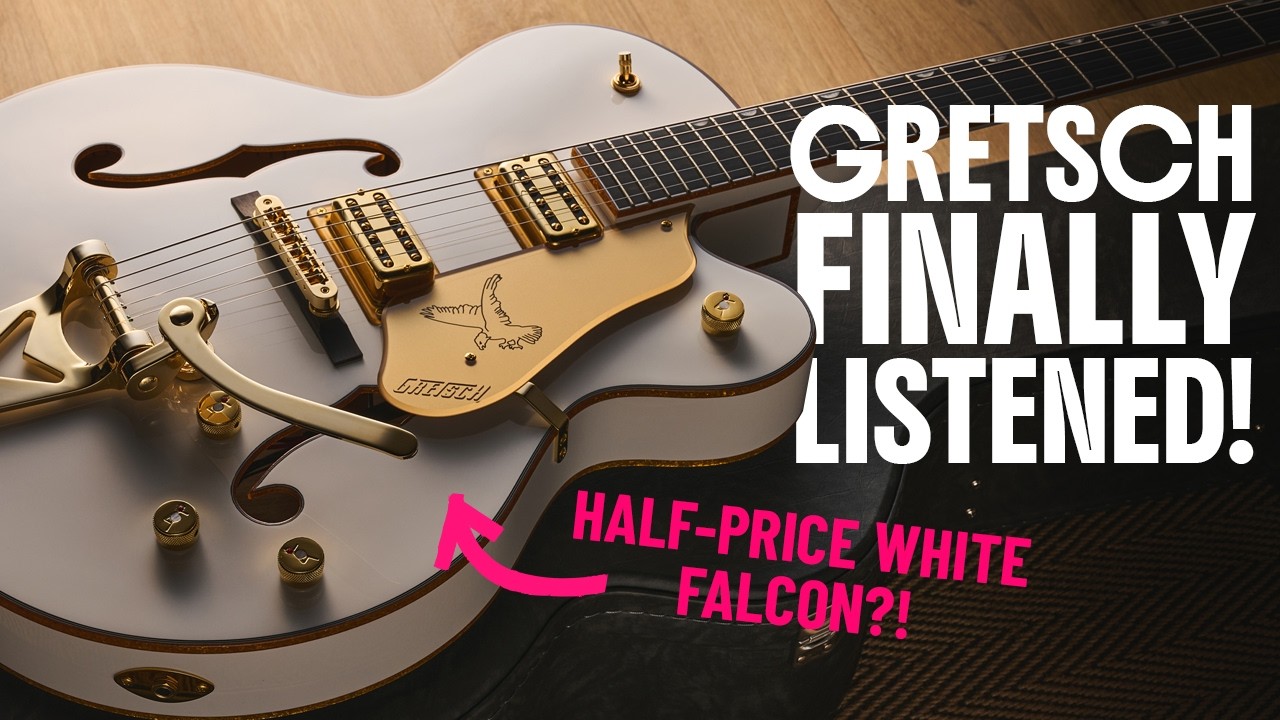
"The Gretsch Falcon is a guitar icon, famed for its larger-than-life tone and drop-dead gorgeous looks, but its premium price tag puts it out of reach for many. This affordable take on the Falcon impressively captures the essence of the legendary model."
Read my full Gretsch Synchromatic Falcon review
Best modern

✅ Buy if you want something different: This guitar offers players something a little different in terms of design and playability. So if you want to stand out from the crowd, this is the guitar for you.
❌ Avoid for vintage tones: These humbuckers deliver a hotter, more contemporary tone, so if you want a retro sound, seek out a different model.
Build: ★★★★½
Playability: ★★★★½
Sound: ★★★★½
If you’re looking for a guitar that feels like it’s from the future, the Strandberg N2 Standard deserves your attention. With its “best modern” label, this axe is all about cutting-edge design, effortless playability, and a sound ready for any genre that demands versatility and punch.
Build: The N2 Standard is instantly recognizable for its headless, ergonomic design. The body’s sculpted contours make it super comfortable whether you’re standing or sitting, and the whole thing is light enough that you might forget you’re wearing it. Now, the roasted maple neck and fingerboard aren’t just for show. They offer rock-solid stability and a slick feel under your hands. Hardware is top-notch and thoughtfully chosen, with the Strandberg EGS Arc headless bridge feeling totally bulletproof.
Playability: The EndurNeck profile is a game-changer, even if you’re skeptical about headless or ergonomic necks. It makes long sessions less fatiguing and encourages a more relaxed playing posture. Whether you’re shredding, chording, or tapping, your hand just naturally falls into place. The fanned frets might look intimidating, but they’re surprisingly intuitive, making stretches easier and intonation more precise across the board. Low action and a slick neck finish mean fast, effortless playing.
Sound: Coming loaded with a Seymour Duncan Pegasus in the bridge and Sentient at the neck, this guitar sounds clear, articulate, and super versatile. You get everything from glassy cleans to tight, aggressive distortion without losing note definition. The five-way switch is a nice addition too, giving the snappy and defined in-between sounds prized by many modern guitarists.
If modern looks and performance are what you want, the Strandberg N2 Standard sets the bar. It’s comfortable, inspiring, and ready for just about anything you can throw at it.

"It’s hard to fault the Boden N2 Standard as a package. It's a fabulously comfortable, lightweight and beautifully built instrument which provides all the sounds one would expect from a twin-humbucker guitar with aplomb. At this upper mid-range price point, it's hard to think of a guitar to rival it."
Read my full Strandberg N2 Standard review
Best for metal

✅ Buy if you want a metal monster: Equipped with an EverTune bridge, the Jackson Pro Plus Series Signature Misha Mansoor Juggernaut ET6 delivers a surgical metal guitar experience like no other. It stays in perfect tune and intonation across the neck, and can even be set so you can't bend the strings at all, making it an amazing tool for recording precision guitars in the studio.
❌ Avoid for traditional tones: This guitar is made for metal, so vintage fans look away.
Build: ★★★★½
Playability: ★★★★½
Sound: ★★★★★
Coming from one-third of Periphery’s triumvirate guitar attack, the Jackson Signature Misha Mansoor Juggernaut ET6 is a forward-thinking metal guitar from a progressive-minded guitarist. There’s no vintage tone or period-correct appointments here, just a futuristic approach to design that’s all about performance and playability.
Build: The Jackson Pro Plus Series Signature Misha Mansoor Juggernaut ET6 is all about modern metal performance, and you can see that from the moment you take it out of the gig bag, from its Riviera Blue finish to its sculpted, ultra-thin poplar body. The carved horns and a seriously contoured neck heel mean upper fret access is as easy as it gets, making those high-flying solos a breeze. The caramelized maple neck feels rock-solid and has a thin, comfortable profile that’s all about speed, while the ebony fingerboard with jumbo stainless-steel frets and luminous side dots just begs you to play fast. The hardware’s built to last, too: the EverTune F6 bridge sits perfectly flush, the Jackson locking tuners are sturdy, and every knob and switch feels secure. Apart from some tiny cosmetic quirks only visible up close, the build is top-notch and road-ready.
Playability: If you’re after a guitar that lets you absolutely dig in with your right hand, the Juggernaut ET6 will not hold you back. The playability is simply off the charts. The neck profile and rolled fingerboard edges make for effortless movement up and down all 24 frets. The real star here is the EverTune bridge. Once dialed in, it keeps your tuning locked down no matter how aggressively you play or how much you bend. There’s a bit of a learning curve with the EverTune if you’re used to regular bridges, especially when switching between tuning modes or setting up for vibrato, but once you’re used to it, your intonation stays perfect, and you can confidently hammer out heavy riffs without worrying about slipping out of tune.
Sound: The Jackson MM1 pickups, designed, of course, with Misha Mansoor’s input, are hot and articulate, pushing your amp with rich saturation and clarity even when you crank the gain. Riffs sound tight and punishing, leads cut through the mix, and open chords ring out without turning to mush. The five-way switching and push-pull tone knob give you a surprising range of sounds, from heavy, saturated bridge tones to spanky, Strat-style cleans that are perfect for proggy breakdowns. There’s no coil-splitting here; instead, the push-pull bypasses the tone knob for a slightly brighter, more direct sound. It’s a subtle difference, but it adds one more tool to your tonal arsenal. If you want a guitar that nails the precision and punch of modern metal, the Juggernaut ET6 should be at the top of your list.
"If you want a guitar to cover all the sounds of modern and progressive metal with the clinical accuracy of a djent breakdown, the Jackson Pro Plus Series Signature Misha Mansoor Juggernaut ET6 is totally worth the money. It delivers a superb array of tones for heavy playing and the lighter stuff, and the tuning stability and intonation of the EverTune bridge really needs to be played to be believed."
Read my full Jackson Pro Plus Series Signature Misha Mansoor Juggernaut ET6 review
Best Les Paul

✅ Buy if you want a studio companion: This guitar is crazy versatile and the ideal model to have in the studio to cover various genres and styles.
❌ Avoid if you like Les Pauls: The bulky and heavy nature of a Les Paul isn’t for everyone.
Build: ★★★★½
Playability: ★★★★½
Sound: ★★★★½
Build: Upon first handling the Studio Session, I was impressed by its clean, well-applied Honey Burst finish. The AA flame top is stunning, adorned with a lovely wood grain that truly comes alive under light. There was a minor imperfection near the toggle switch on my review model, but it didn’t detract significantly from the overall beauty. The slim taper mahogany neck features expertly applied binding, a rich ebony fretboard with traditional trapezoid inlays, and is complemented by robust Grover Rotomatic tuners.
Playability: As good as this model looks, the playability of the Studio Session is where I really started to fall for this LP. The neck feels slimmer and narrower than other models, allowing for quick movements, which is perfect for fast legato playing. Gibson's Modern Contoured Heel design enhances upper fret access, making it easier than ever to reach those high notes. While I normally appreciate the heft of a traditional Les Paul, this modern design offers a nice alternative for those who might find the standard neck join cumbersome.
Sound: Tonally, the Studio Session lives up to its name, sporting a pair of '57 Classic pickups that deliver a massive range of rich, golden-era tones ideal for hard rock and blues, but enough output to handle the modern stuff, too. With push/pull coil taps and even a bypass switch, I found its versatility impressive, living up to the expectations of a true studio guitar.

"The Studio Session is a gorgeous guitar, both sonically and aesthetically. The 57 Classic pickups deliver the famous Les Paul snarl in abundance, while the AA-flame top is good enough to make a Standard jealous. Throw in superb playability and more than a few modern appointments, and you get the best Studio in the Gibson catalog."
Read my full Gibson Studio Session review
Most popular

✅ Buy if you are shopping for a Strat alternative: If you're after an S-type that isn't made by Fender, this is one of the best options around.
❌ Avoid if you want humbuckers: This guitar has an abundance of single-coil snap, but if you require humbuckers, you'll need to look elsewhere.
Build: ★★★★½
Playability: ★★★★½
Sound: ★★★★★
This guitar has stirred up plenty of debate thanks to its “Fender but not Fender” vibes, but once you play it, it’s clear that PRS (and John Mayer) have nailed something special.
Build: The SE Silver Sky looks and feels way more expensive than its price tag. The poplar body (instead of alder like the US model) is hidden under a slick finish, and subtle details, like the carved treble cutaway and smoother heel, show real attention to comfort. The hardware is top-notch for the money: vintage-style tuners, a synthetic bone nut (carefully formulated by PRS), and a two-post vibrato that feels solid and stays in tune. Even the weight is just right at 3.1kg (7.1lbs), light but not flimsy. PRS has clearly sweated the small stuff, and it shows.
Playability: The satin-finished neck feels luxurious, with a full, rounded ‘C’ that’s comfy but not chunky. The fingerboard radius is slightly flatter than a vintage Strat, making bends and slides feel smooth and easy. Medium frets are expertly fitted and polished, while the neck heel and cutaways make high-fret access a breeze. The whole thing just feels dialed in.
Sound: Plugged in, the SE Silver Sky delivers those classic Strat-like tones we all know and love. The pickups are well-balanced from neck to bridge, with the neck pickup offering a deep, percussive punch and the bridge staying bright but never harsh. Both in-between positions have that signature cluck, and the middle pickup sits perfectly between the two extremes. Okay, yes, this is not a new sound, but it’s a really, really good one. PRS and Mayer have made sure this guitar doesn’t just look the part, but absolutely sounds it too.
The SE Silver Sky is a superb, affordable take on an iconic design, with quality that punches way above its class.
"This new take on John Mayer's signature Silver Sky is the best PRS SE guitar yet. It's hugely impressive in all regards, and affordably priced, too."
Read my full PRS SE Silver Sky review
Spec comparison
Model |
Neck |
Pickups |
Who's it for? |
|---|---|---|---|
Fender Vintera III Late 50s Stratocaster |
Maple |
3x Vintage-Style '50s Single-Coil Strat |
Beginners to advanced |
Gretsch Electromatic Jet |
Mahogany |
PureVolt Twin Six Humbucker |
Beginner to intermediate |
Squier Sonic Mustang |
Maple |
Ceramic single-coils |
Beginners |
Ibanez GRGM21M-BLT |
Maple |
Infinity Humbuckers |
Kids |
PRS SE Custom 24 |
Maple |
PRS 85/15 ‘S’ Treble and Bass humbuckers |
Intermediate to advanced |
Gibson ES-335 |
Mahogany |
Gibson Burstbucker Lead and Rhythm Pro humbucking |
Advanced |
Fender American Ultra II Tele |
Maple |
Ultra II Noiseless Vintage Tele |
Advanced |
Sterling by Music Man StingRay Baritone |
Roasted Maple |
Ceramic Humbuckers |
Intermediate to advanced |
Gretsch Synchromatic Falcon |
Maple |
Gretsch Hi-Fidelity Filter’Tron |
Intermediate to advanced |
Strandberg N2 Standard |
Roasted Maple |
Seymour Duncan Pegasus (bridge) and Sentient (neck), volume and tone, 5-way switch |
Intermediate to advanced |
Jackson Pro Plus Juggernaut ET6 |
Caramelized Maple |
Jackson Uncovered MM1 humbuckers |
Intermediate to advanced |
Gibson Les Paul Studio Session |
Mahogany |
'57 Classic +/ '57 Classic |
Intermediate to advanced |
PRS SE Silver Sky |
Maple |
PRS 635JM “S” |
Beginners to advanced |
How to choose

When it comes to selecting your dream electric guitar, you’ll want to keep a few things in mind.
Tonewoods: As well as the shape and size of the guitar, weight is largely determined by the wood used. Though often contested, the general consensus is that denser woods tend to yield more sustain. Mahogany, commonly used by Gibson, typically lends a slightly mellower, warmer sound, with beautiful low and mid frequencies.
Fender often uses alder, as it provides an even frequency response without being too light or too heavy, as well as ash, which is usually a slightly brighter-sounding wood. Something like basswood is quite light and, because it’s easily sourced, is usually cheap and gets used on many budget guitars. Don’t let that put you off, though - tone-wise, it’s fairly transparent and evenly balanced.
Pickups: Pickups play the biggest role in shaping your electric guitar’s sound (alongside you, of course!). Pickups are basically magnets housed in a bobbin, wound with wire, that convert the vibrations caused by your moving strings into an electrical signal, which is then sent to your amp.
There are many different pickup types out there, but the most popular types are single coils and humbuckers. Single-coil pickups are found in many Fender guitars, such as the Strat and the Tele, and deliver a bright, clear sound, often with a slight midrange scoop. Strat pickups often sound ‘glassy’ and ‘chimey’, and ‘twang’ is synonymous with the Tele.
Humbuckers tend to sound bigger, beefier, and warmer. They fill out slightly more space in a mix and usually give out more output than single coils, making them break up sooner. If you already play a guitar with single-coils, then maybe look for something with humbuckers, or vice versa, so you can cover more ground.
There are guitars out there that feature a mixture of single coils and humbucker pickups, like the HSS Strat, giving you the best of both worlds. There are also coil-tapped or coil-split humbuckers that, when engaged, effectively act as single coils.
Hardware: An electric guitar’s hardware can help improve tuning stability, tone, and longevity. As you start to spend more, you’ll get things like better quality tuners (sometimes locking tuners), sturdier hardware that fits together better and improves sustain, as well as better and more reliable electronics that keep your signal clearer.
Neck profile: Neck profiles can vary, too, and should be considered when looking for the best electric guitar for you. It’s all very much down to personal preference, but neck profiles can range from super thin, like on the Ibanez RG550, to thicker, more vintage-style profiles like on the ES-335. Generally speaking, faster, shreddier players prefer thin necks, and old-school blues and rock players go for either a thick neck or something in the middle.
There is definitely space for a bit of 'gut feeling' when you're shopping. We've all had situations where we've played a guitar we'd never normally have looked twice at and had it pleasantly surprise us. Keeping an open mind is no bad thing. Sometimes, when you pick up a guitar, you just know. There's no rationale.
But, instinct aside, you can at least put yourself in the right ballpark by using guides like this one to hone in on what works for you. With so many variables, it can be hard to know where to start. Maybe you'll find your dream guitar with a quick scroll, or maybe it will take some further research, but we hope to help you start that journey right here.
Glossary of terms
- Body: The body of the electric guitar is where the bridge, controls, pickups and scratch plate are all located. Electric guitars are usually distinguished from one another by different body designs and shapes.
- Bridge: The bridge holds the strings in place on the body and helps transfer their vibrations. Some bridges are fixed, while others – called floating bridges – can move for vibrato effects.
- Control knobs: Control knobs on an electric guitar typically adjust the volume and tone of your sound. The tone knob changes how bright or warm the guitar sounds, while the volume knob controls how loud the output is.
- Fretboard: Also referred to as fingerboard, this is a long bit of wood that runs the length and sits on top of the neck. It is easier to spot darker wood fretboards like rosewood, but it can also be made of lighter woods like maple.
- Frets: Frets are the small metal strips set into the neck that divide it into semitones. Pressing a string against a fret changes the note you hear.
- Headstock: This is the body part found at the top end of the guitar neck, where you will find the machine heads used to tighten or loosen each string to change its pitch.
- Machine heads: Otherwise known as tuning pegs, these are mechanical gears housed on the headstock that are turned to alter the string pitch.
- Neck: The long central part of the guitar that connects the body to the headstock. It houses the frets and fretboard, and it is where your fretting hand makes contact while playing.
- Output jack: Often mistaken for an input jack, the output jack is where you plug in your instrument cable. It sends your guitar’s signal to an amp or external device.
- Pickups: Pickups are components that detect string vibrations and convert them into an electrical signal, which is then sent to your amp. They’re made from magnets, wire, and pole pieces.
- Selector switch: The selector switch controls which pickup or pickups are active. Depending on your guitar’s setup, it can switch between pickups or combine them for different tones.
- Strings: The metal wires stretched along the guitar neck from the bridge to the headstock. When picked or strummed, the strings vibrate and produce sound.
- Whammy bar: Also known as a tremolo arm, the whammy bar lets you change the pitch of your notes by moving the bridge. It is used to create vibrato effects and works on guitars with tremolo bridge systems.
FAQs

How much should I spend on an electric guitar?
When buying an electric guitar, you get what you pay for. On more premium models, you’ll find higher quality woods, better parts, and a much higher level of finishing. Of course, the hardware, such as the tuners, bridge, and nut, will also be more reliable.
One of the key factors in electric guitars is the pickups. Higher-end guitars often feature better pickups, which can greatly influence your sound, providing more clarity, warmth, and versatility.
That said, there are great budget electric guitars that effectively balance all these aspects with cost. If you’re just starting out, you can find a decent beginner-friendly electric guitar for around $150-200. If you’re looking to upgrade, you’ll likely notice significant improvements in tone and playability in the $700-1,000 range. For a pro-level instrument, depending on your preferences, you should expect to invest around $1,500 and up.
Should I buy a guitar online?
In the past, many viewed buying a guitar online as a risky endeavor, but that's no longer the case.
While trying out a guitar in a local music store is often ideal before making a purchase, it isn't always a feasible option. Certain brands may not be stocked in your local store, or you might not have time to shop around, and, let's face it, playing in front of others can feel intimidating. This is where online shopping may be suitable for you.
Retailers of musical instruments on the internet, such as Guitar Center, Musician's Friend, and Sweetwater, typically provide standard hassle-free return policies, allowing you to buy a guitar, test it out at home, and return it if it doesn’t meet your needs.
Most of these retailers offer a return window of 30 to 45 days, provided the item is in its original condition.
How do you look after an electric guitar?
To ensure that your guitar remains in good condition and to avoid premature wear or the need for replacement parts - or, god forbid, an entire instrument - regular maintenance is essential. Restringing your guitar every 2–3 months can keep it sounding fresh and vibrant, and it provides an opportunity to give it a thorough cleaning to prevent dirt buildup. Additionally, wiping down the strings after each use is beneficial.
Since guitar necks can easily break if dropped or bumped, investing in a quality guitar stand is a wise decision. You can safely use most types of guitar polishes on polyurethane finishes; however, it’s always a good idea to check with the manufacturer first. For nitrocellulose finishes, commonly found on Gibson and PRS guitars, you need to be more cautious about which polishes and stands you use, as some can damage the lacquer. Therefore, it's crucial to ensure that you select nitro-friendly products.
Why trust us?

☑️ A global audience of 3.8 million guitarists monthly
☑️ 1,200+ reviews on GuitarWorld.com
☑️ 30+ years of product testing at Guitar World
Guitar World boasts over 44 years of expertise and stands as the ultimate authority on all things related to guitars. The magazine and website feature expertly written gear round-ups and top-quality, authoritative reviews penned by a team of highly experienced industry professionals.
Guitar World's inaugural print issue hit the shelves in July 1980, and ever since, it has been captivating players and enthusiasts with engaging lessons, insightful interviews with the biggest guitar heroes, and priceless buying advice for newbie players.
Furthermore, GuitarWorld.com continues this legacy online and serves as the hub of the world's foremost authorities on guitar playing. The site not only hosts content from Guitar World but also showcases articles from respected publications such as Guitarist, Total Guitar, Guitar Techniques, and Bass Player. With a reach extending to 3.8 million players each month, GuitarWorld.com is a go-to destination for guitar fanatics globally.
Below, you'll find more information about the expert author of this guide.
Daryl is a Senior Deals Writer at Guitar World, where he creates and maintains our 200+ buyer's guides, finds the best deals on guitar products, and tests the latest gear. His reviews have been featured in prominent publications like Total Guitar, Guitarist, Future Music, and MusicRadar.com.
During his career, he has been lucky enough to talk to many of his musical heroes, having interviewed Slash and members of Sum 41, Foo Fighters, The Offspring, Coheed & Cambria, Thrice, and more. In a past life, he worked in music retail. For a little under a decade, he advised everyone from absolute beginners to seasoned pros on the right gear for their needs.
Daryl's world doesn't just revolve around guitars either; he also has a passion for live sound. Daryl is a fully qualified sound engineer who holds a first-class Bachelor's degree in Creative Sound Production from the University of Abertay and has plenty of experience working in various venues around Scotland.
How we shoot videos

One of the most significant factors to consider when choosing an electric guitar is the sound it produces – that’s why I've recorded and filmed a short playing demo of the top 5 guitars in the guide. That way, you can make an informed decision based purely on which model you think sounds the best.
In order to keep things simple, our demonstrator and Guitar World team member, Peter performed a simple chord progression and licks on every guitar, while switching between the pickup positions, both clean and distorted.
We recorded the video demos in our dedicated studio in Bath, UK. If you’re a regular consumer of guitar content on YouTube, you may recognize this space as the famous Guitarist Tone Lounge.
Now, to ensure the most consistent tone possible across all the guitars, we used the Neural DSP Quad Cortex amp modeler. For the clean sounds, we used our favorite US DLX Normal setting paired with a 112 US DLX SC64 cabinet model and a touch of room reverb for some depth. The dirty sounds kept the same US DLX model, but this time partnered up with a Tube Screamer-style overdrive at the front. Of course, we kept the same natural room reverb as the previous setting.
As you’d expect, we applied some post-processing to the audio once it was captured, but we kept this to a minimum, sticking to light compression to maintain consistent levels.
Recent updates
20/07/26: This guide has been completely overhauled, with all-new products based on recent reviews. New video demos have also been added through the guide.
03/03/26: This guide has been audited to ensure we are giving the very best electric guitar recommendations.
23/10/25: We've changed our top pick to the Fender Vintera II 60s Stratocaster, acknowledging its glowing review. The order of the guide has been rearranged, and several categories have been changed to better meet the needs of a variety of guitar players.