

When Jerry Jemmott got the call to work with B.B. King on his Live & Well record in 1969, he was far from a new kid on the block. Jemmott was a go-to session bassist for Atlantic and so was brimming with confidence when he slung his bass over his shoulder and hit the studio.
“I was a jazz cat, but I grew up knowing B.B. King as The King of the Blues,” Jemmott says of his early impressions of the guitarist. “He was dedicated to it down to the bone, but he liked jazz also. I found him to be humble, fearless, intuitive and quick-witted.”
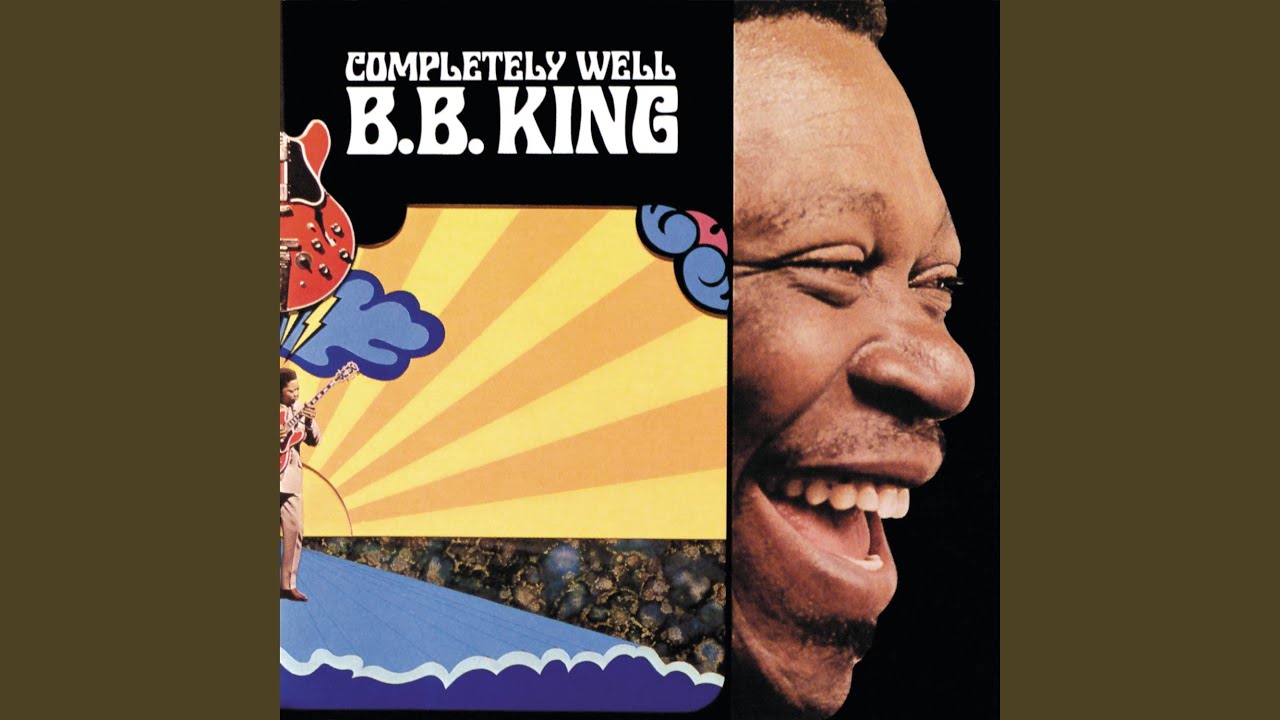
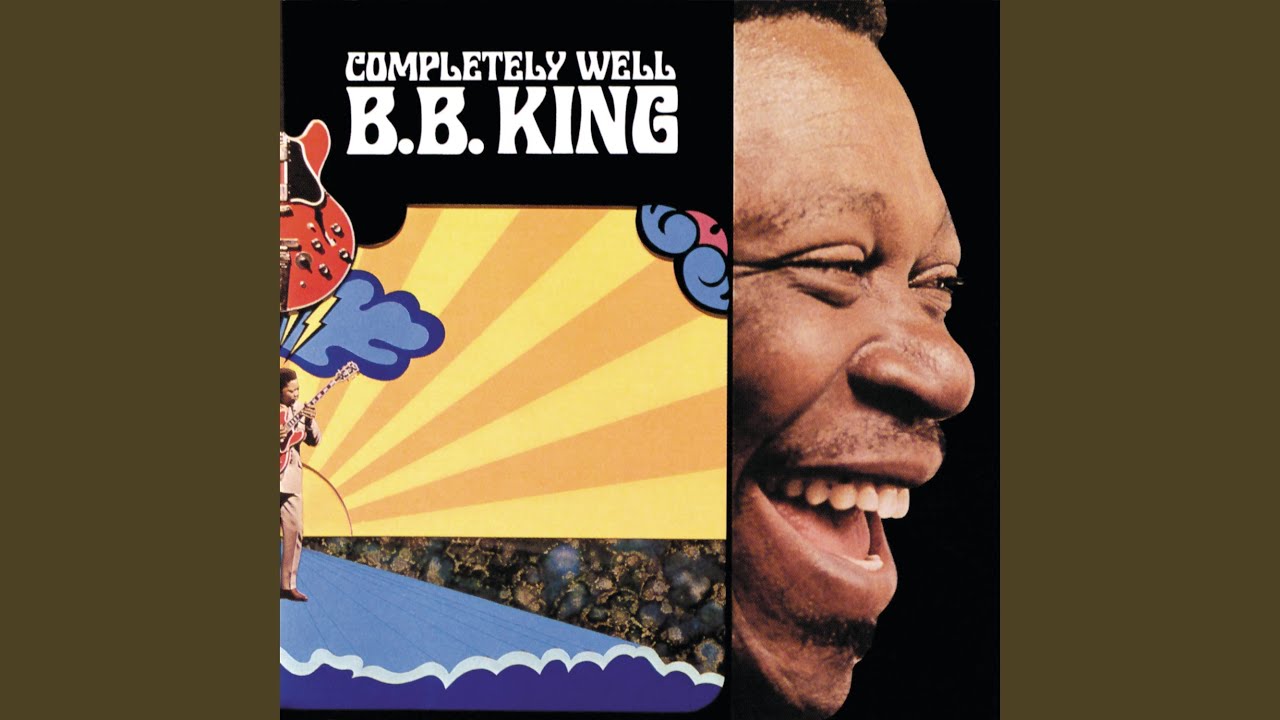
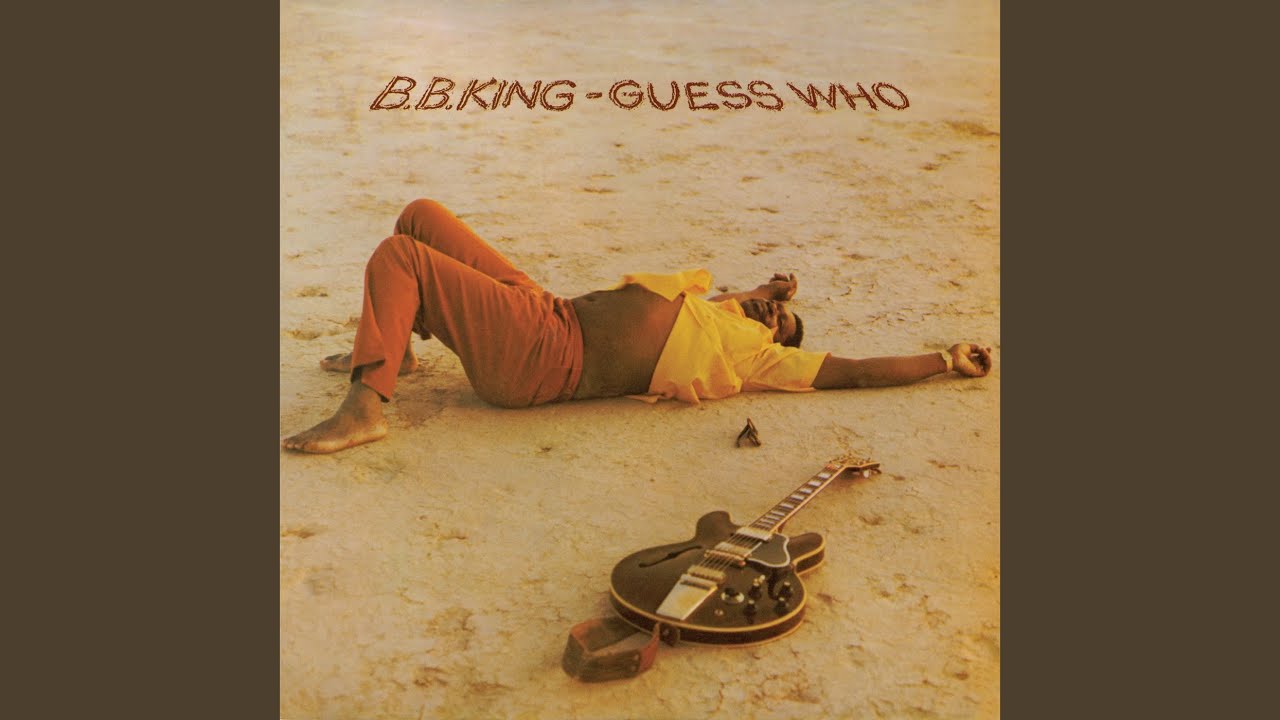
Jemmott recalls working on the Well side of Live & Well over two nights in New York City. He, along with several other studio aces, laid down so much music that King ended up with enough material for two follow-up records: 1969’s Completely Well and 1970’s Indianola Mississippi Seeds.
After that, Jemmott didn’t see B.B. until 1982, when they rekindled their friendship, which lasted until the end of King’s life.
As for how working with King impacted him, Jemmott smiles, saying: “I would go on from there to record My Way with Irene Reid, The Revolution Will Not Be Televised with Gil Scott-Heron, and the Live At Fillmore West albums with Aretha and King Curtis. But bringing B.B. King’s music and legacy to the world of popular music was an honour I will treasure and something he would never let me forget.”

What led you to work with B.B. in the late ’60s?
Bill Symzyck was producing the B.B. King ‘live at the Village Gate’ album, Live & Well. He said that he had only 20 minutes of good, quality-sounding material and convinced the record label to produce a studio album to complete the time needed for a full album.
He called on drummer Herb Lovelle, who – with bassist Leonard Gaskin – had made Bob Dylan’s first successful studio album, Free Wheelin’. They ended up calling me to play bass for the Well side of the record, which was in the studio.
It must have been a thrill to get that call.
When B.B. said in an interview that “Jerry never does anything just because it’s right to do, he likes to do it because it feels good doing it”, it reminded me how perceptive and adventurous he was
I got the call to do the session from Herb Lovelle at Jerry Ragovoy’s legendary Hit Factory on 47th Street, where we often worked and were booked for two nights from seven to 10 at night, and 11 to two in the morning in the summer of 1969. These were normally live sessions with charts, no tracking. We all went down together: rhythm section, horns and vocals.
What was it like working with B.B. on those sessions, and what tracks did you record?
These 1969 sessions, where Why I Sing the Blues and The Thrill Is Gone were recorded, demanded my utmost attention and were so much fun. His aura was something to behold, standing in front of me with Lucille and a legal pad full of lyrics on a music stand, playing and singing with the conviction that is common among all great artists.
Did the songs come together off the cuff, or did BB have pre-written ideas for you to play?
He was the only one who had anything written out initially, and we would write out stuff once we established our parts as needed. Herb Lovelle, Hugh McCracken, Al Kooper and later Paul Harris co-signed my unique interpretation of his music.
When [B.B.] said in an interview for Guitar Player that “[Jerry] never does anything just because it’s right to do, he likes to do it because it feels good doing it”, it reminded me how perceptive and adventurous he was during those sessions that were so much fun.
What was B.B. like when he put his guitar down?
We had a good time groovin’ with The King. I remember him telling me that Billy Butler was the [soul/jazz] guitar player whom he admired most, and that he would put a lot of treble on his amp to get the sound he wanted out of Lucille. Working and being in his presence was magical.
How do you look back on your playing during those sessions with B.B.?
Well, Bass Player magazine would go on to say, ‘There is a problem in analysing Jerry Jemmott’s transcendent funk-blues grooves with B.B. King; it’s tough to maintain focus while you’re shaking your butt off!” [laughs] Contrary to what Bill Symzyck has said, we were not ‘young blues musicians’.
Except for the keyboard players, me, Herb and Hugh had recorded together in a variety of genres quite often. And it was Herb’s idea – who assisted in all of the mixing from the very first session onward – to put strings on The Thrill Is Gone when they were mixing and contracted the brilliant arranger, Bert DeCoteaux.
Take note that after B.B. sings the first two bars, Herb plays the back beat only on beat 4, which complements my relentless samba groove, and he continues this pattern when B.B. sings, to the very end. This gave B.B. the support he needed to tell his story.
There was a method to our madness! Between those June and November sessions, we recorded so much music that there was enough left over to go onto two albums, Completely Well and Indianola Mississippi Seeds.
Did you get to hook up with B.B. again later in life?
It wasn’t until 1982 that we would meet again. I went to his show in Newark, New Jersey, and as I entered his dressing room after the show, he announced to everyone who I was, got down on his knees and bowed, waving his arms up and down [laughs]. I was never so embarrassed, but he was that passionate and true in his sincerity.
Over the next 30 years, I would check in on him every so often. Anybody who’s worked for him will have a similar story to tell of his vast expressions of honesty and compassion.
- This article first appeared in Guitarist. Subscribe and save.

