

Though he’s only 21 years old, Ethiopian-born and Connecticut-raised singer and guitarist Amani Burnham plays with the kind of conviction and flair you’d expect from a seasoned legend.
On his debut album, Roots & Wings, he’s channelling the greats with effortless ease using just his thumb, a Strat, some fuzz and a Fender combo – notably with a great degree of success. If you’ve been searching for the next player in the lineage of Jimi Hendrix or Stevie Ray Vaughan, look no further.
Pride & Joy
It was Amani’s father who introduced him to the sounds of The Beatles, The Rolling Stones and Ray Charles. Hearing Chuck Berry for the first time, however, is what set him on the path towards blues greatness.
“My first guitar hero was Chuck because of his stage presence as well as songs,” smiles Amani. “That’s when I realised I wanted to pick up the guitar and start having lessons. I got into Jimi and Stevie around high school. With Jimi, I was transfixed by his stage presence and confidence: there’s a live version of The Things I Used To Do from the Newport Pop Festival in 1969, which was one of his best solos. It just went on and on and sounded very moving.”
Vibing With Pedals
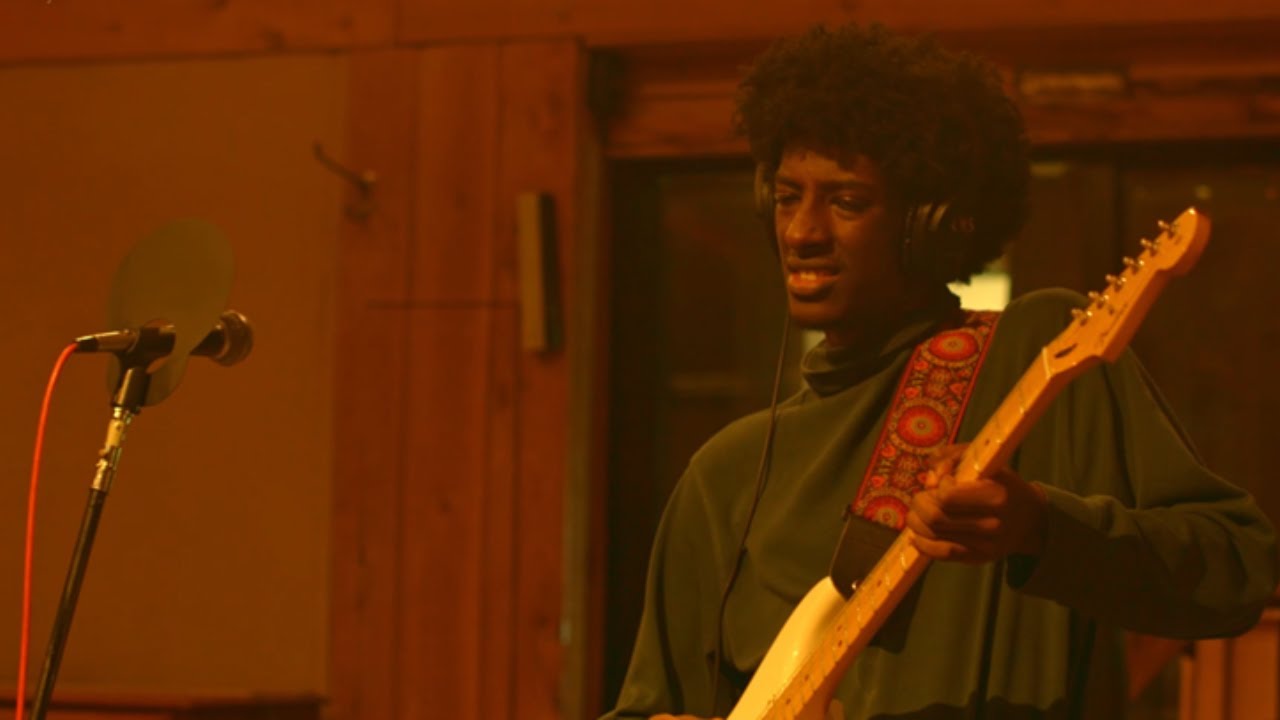
The main rig for the album was 2021 Mexican-made Fender Stratocaster through a Fender combo with a Jim Dunlop Fuzz Face. There was also a Vox wah and a Tube Screamer to add a more controllable kind of dirt in places.
“My producer had a Uni-Vibe to create that watery sound,” says Amani. “I’ve since been in contact with Pedal Pawn in England and started using their Gypsy Vibe. They’re a great company if you’re into classic blues tones.
“Everything was done on my Strat, which is special to me because it was my second full-sized guitar, except for the Epiphone Les Paul used on Bleeding Heart.”

Feeling The Way
The minor pentatonic goes a long way for the blues, admits Amani, but the major pentatonic is also an important ingredient to the sound. Using both together can be really fun, he notes, especially for a Mixolydian sound.
“Beyond that, I don’t think about scales,” he admits. “I just mess around and try to find things that will sound cool when I go to the IV chord. Legato is a big part of my approach. It’s good to be able to play fast, but players should remember that they don’t need to do that all the time. You can hold one note and make it sound meaningful. I prefer to play with feel.”
Drive Time
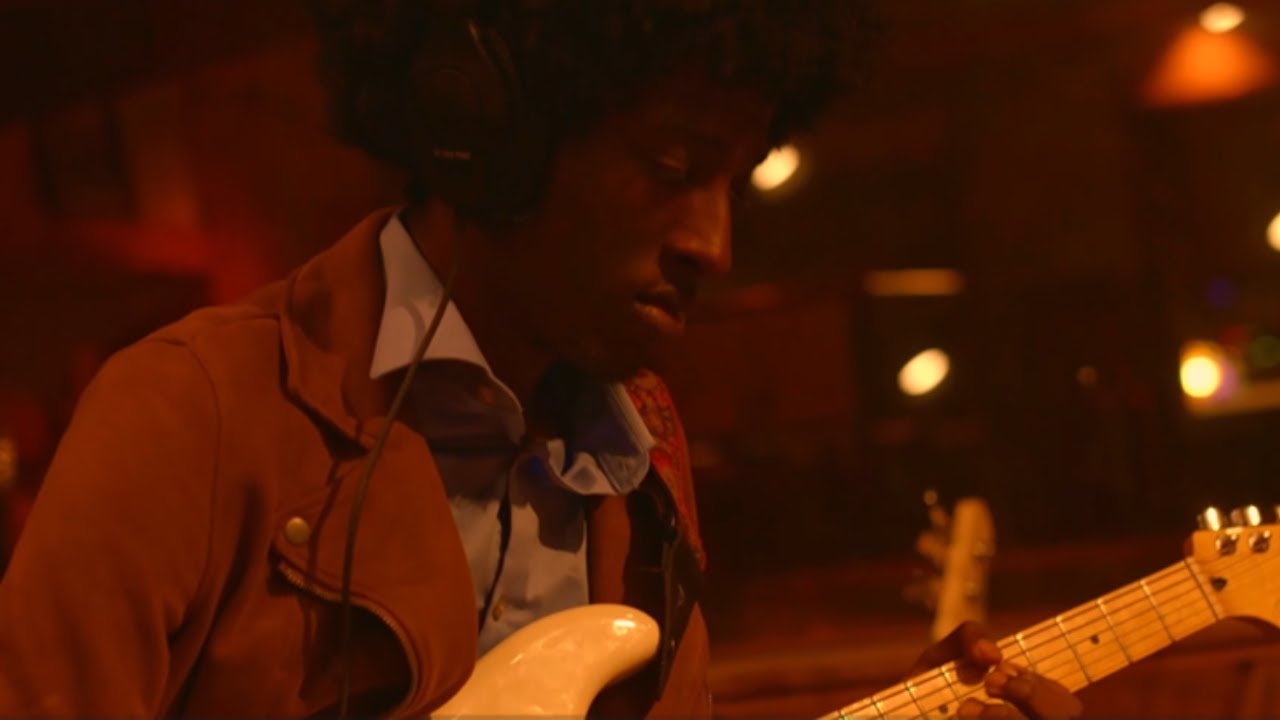
Amani cites the opening instrumental track Fastlane as his favourite guitar moment on the debut record thanks to its blend of pace and Texan twang.
“It has two solos and a breakdown,” he adds. “I love how the leads turned out. It probably came from the SRV approach. It’s very driving and had the extra crunch from the Tube Screamer. As for riffs, I think Lovers Till They Die is my favourite. It’s not heavy, but it’s an unusual riff that I love playing thanks to its super-cool sound.”
Beyond Comparison
Given some of the tones heard on his debut album, the Hendrix and SRV comparisons are to be expected. This is just the beginning of the journey, however; there’s a lot more to come from Amani Burnham.
“I knew I would hear those comparisons a lot,” he shrugs. “I have a large backlog of songs that sound nothing like Jimi or Stevie and more like Thin Lizzy. My style is quite reminiscent of Phil Lynott. I like the ballads and funk pop ideas as much as the riff stuff. So I’m not too worried. Down the line I will show people I can do more.”

Why Amani Burnham chooses to play without a pick
“I play with just my thumb, I don’t really bother with the other fingers,” he explains. “The thumb felt more comfortable, there was more of a natural instinct for both upstrokes and downstrokes. I don’t think it’s that uncommon if you look at players like Wes Montgomery.
“If there’s a wider line, like a Blackbird-style idea, I might use my first finger to play the higher melody while the thumb handles the bass notes. Most of the time, my thumb is all I need.”
- This article first appeared in Guitarist. Subscribe and save.

