

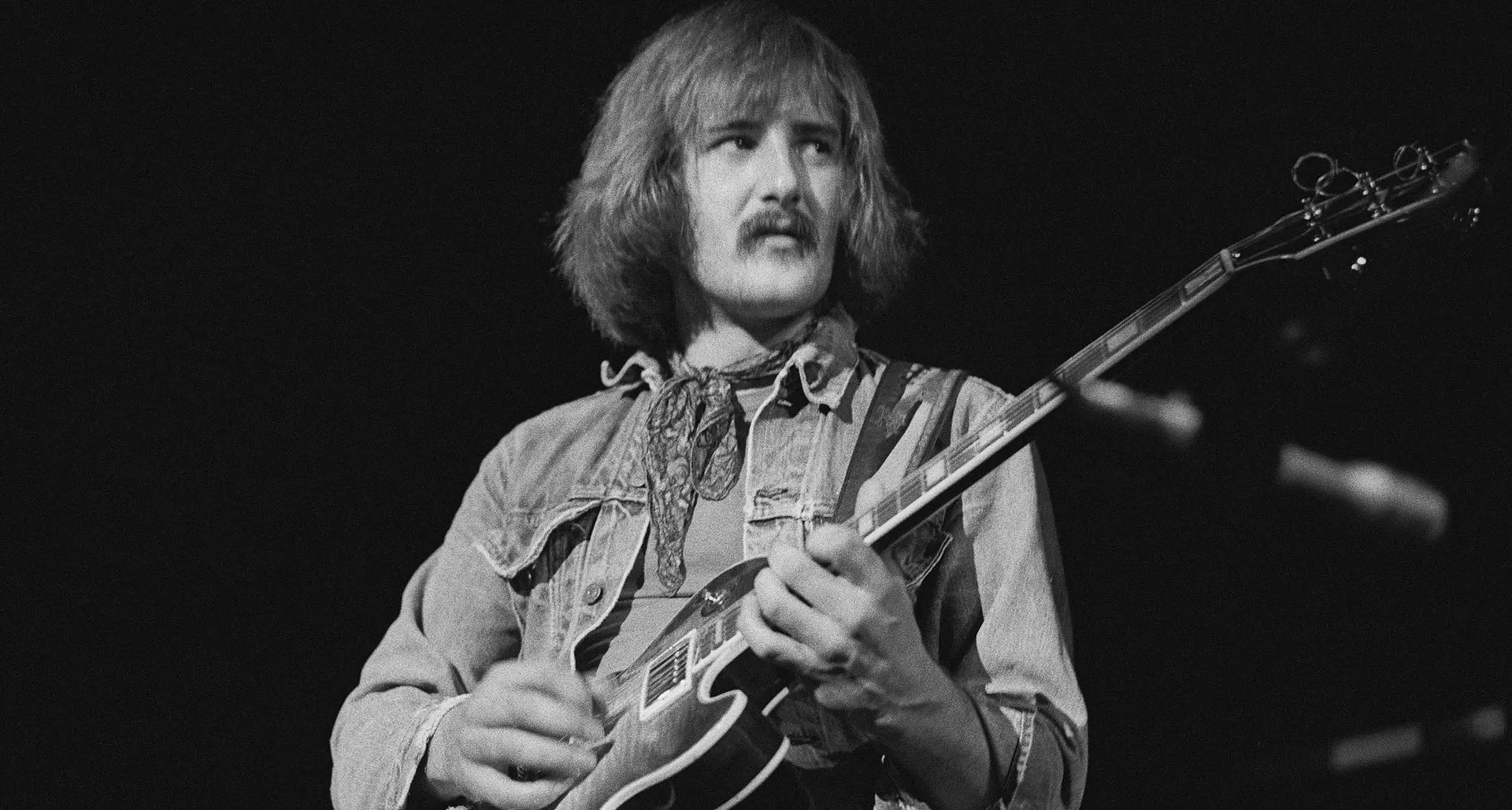
Poll a circle of prog-rock lifers on the bands who built the genre and the usual suspects – Pink Floyd, Genesis, Jethro Tull – will loom large. Certainly, there’s no arguing with the guitar contributions of David Gilmour, Steve Hackett, and Martin Barre. But let the conversation roam, and Jan Akkerman’s name will soon drop.
Born in the Netherlands in 1946, and playing accordion through his formative years, this classically trained alumnus of the Amsterdam Music Lyceum was a fascinating dichotomy, drawn to both the roar of Sixties rock and the delicate renaissance music, the latter inspired by his love of Julian Bream.
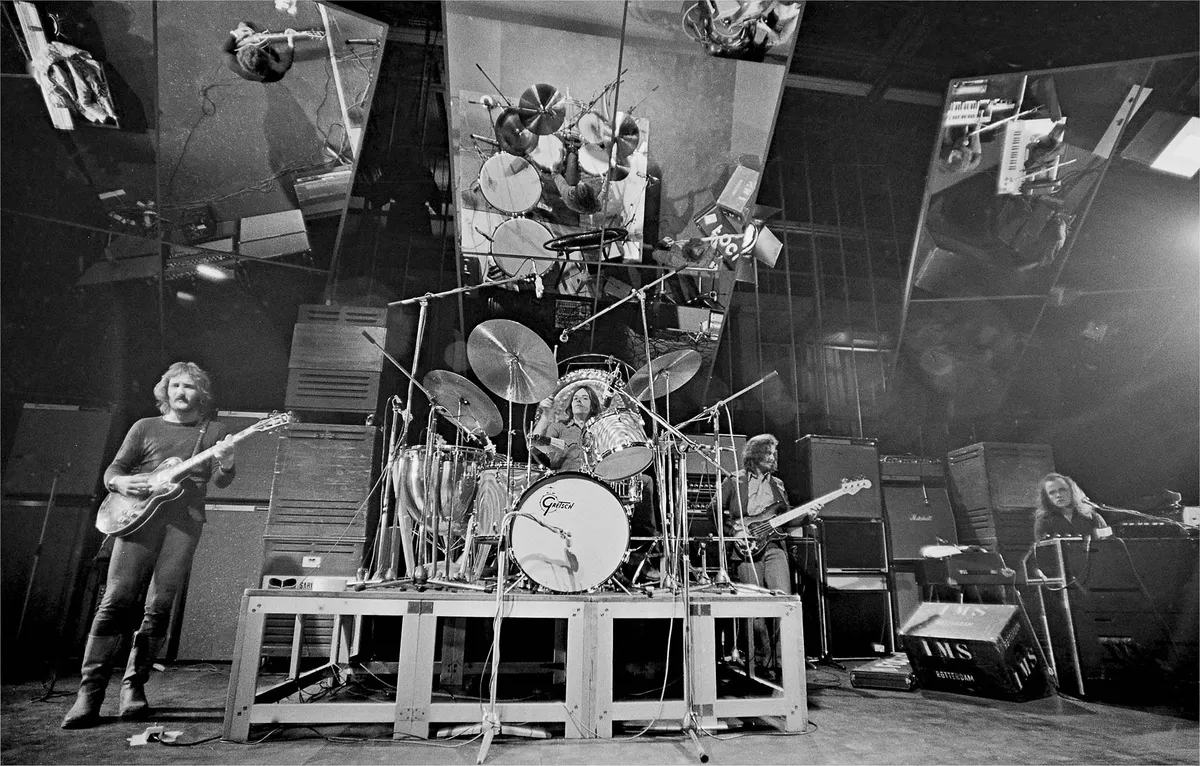
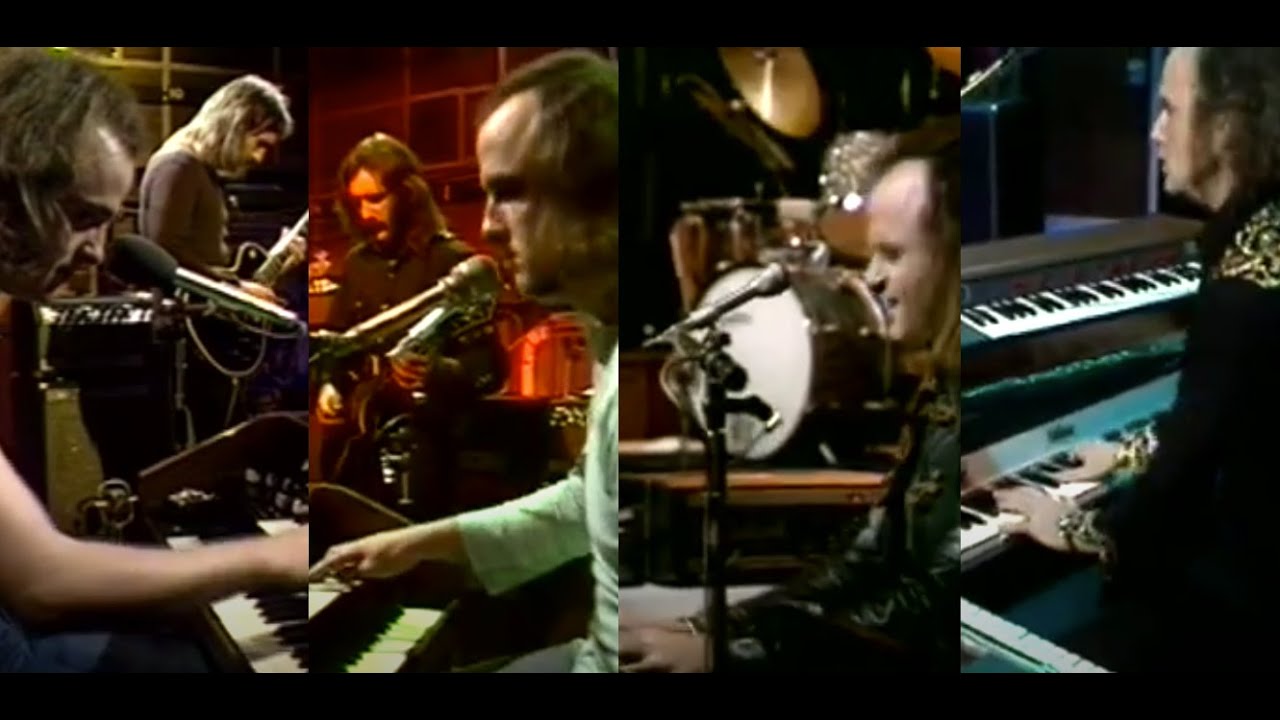
That musical curiosity was writ large in Akkerman’s breakout band of the early Seventies, Focus, who interwove jazz, classical, blues, and hard rock into a technicolor tapestry. Albums like Focus Plays Focus (1970) and Focus II, aka Moving Waves (1971), were game-changers, as was their much-underrated live record, At the Rainbow (1973).
“We certainly did not realize,” Akkerman tells Guitar World, “that what we were doing would cause the shit to hit the fan.”
One song in particular, Hocus Pocus, from Moving Waves, earned the most attention. “The thing with Hocus Pocus is that after playing it five million times, I got fed up,” Akkerman says. “For a moment, I said, ‘No more Hocus Pocus’, because I felt there were other things in the world.”
Akkerman duly moved on, finding further success with Focus 3 (1973), which featured another hit in Sylvia. Then came Hamburger Concerto (1974) and Mother Focus (1975), after which the guitarist quit Focus to kick off his solo and session career.
Back then, he never considered himself a prog talisman. And to a degree, he still doesn’t.
“I never thought about it in that sense,” he says. “For me, music is music. If it’s progressive, or whatever they want to call it – that’s fine. They can give it that name. But I never stick to one form of music.”
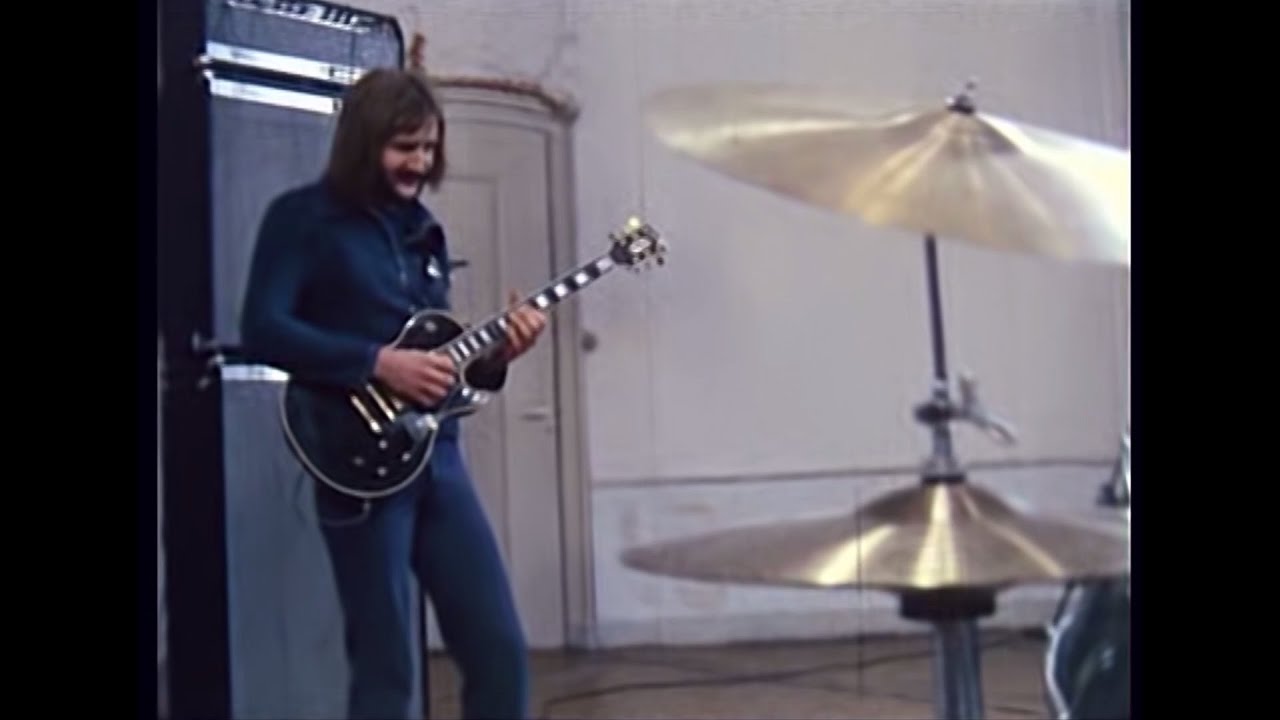
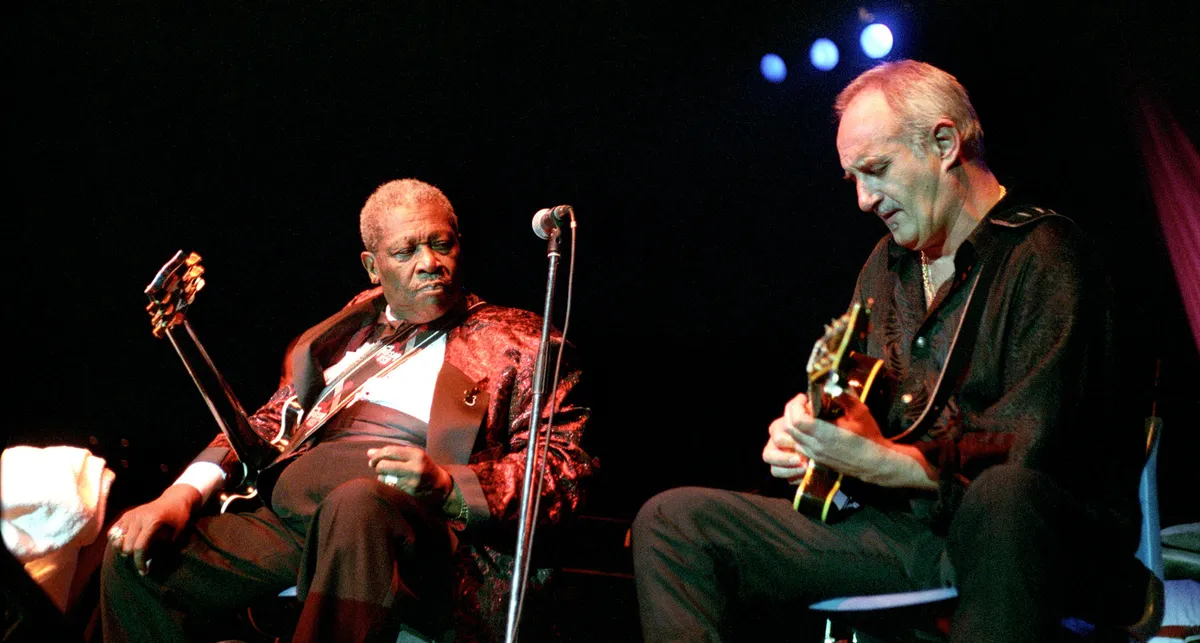
True to his word, since leaving Focus – and even after reuniting with the band in the Eighties and Nineties – Akkerman has run the gamut. Scan his activities through the decades and you’ll find him winning a Dutch Edison Award in 1976 for his solo concept album, Eli, experimenting with parallel fifths and guitar synths, even stretching himself in the studio with Jack Bruce, Phil Collins, Paco de Lucia, Ice-T, and B.B. King.
A nasty back injury from a car accident in ’92 nearly took him out of the game for good, but Akkerman returned, rattling off more solo music, with even more on the way.
“For me,” he says, “new music is an open field…”
How did your interest in jazz, classical, and rock form you as a player?
I come from an environment of business people, like scrap-metal merchants, secondhand car dealers, etc. I grew up in the middle of the Jewish quarter of Amsterdam and right around the corner from the red-light district, where music oozed out of bars at every corner.
It was not boring. [Laughs] There was a very famous button accordion player, a man called Johnny Meyer, who played all the jazz standards but also J.S. Bach. I was so mesmerized that I wanted to play the accordion. I was 5 or 6, and that music turned me on.
How did classical music impact your playing?
It led me to grow up. I was very curious. That’s a good way for everyone to be. I was very interested in discovering more types of music and instruments.
I ended up going to [Amsterdam Music Lyceum], and found I’d rather learn about new things all the time. My dad once took me to a cafe where an orchestra was rehearsing. They put me on a chair right in front. I was 12, and what other folks must have experienced when listening to Jimi Hendrix, I had listening to that orchestra.
Your first proper band was Brainbox. What gear were you using then?
I played a Gretsch White Falcon, a gift from my father because he had seen on TV a guitarist named Van Wood. By coincidence, my “uncle” became the importer of Gretsch drums and guitars. After that, I had a brown Country Gentleman and a ’63 White Falcon.
My old man told the importer, the “uncle” man, that if he wouldn’t make a gesture, let me have that White Falcon, he wouldn’t buy one screw, amp, or drum kit from him because all our instruments were bought from him. So we made him an offer… [Laughs]
How did you first meet Pierre van der Linden?
I had gotten sacked by Brainbox, which wasn’t so bad, as I was only in the band for seven months. For some reason – probably because of envy, jealousy, and all the other feelings one has in this world – I got kicked out. But before this, I was in a band with Pierre called Johnny and his Cellar Rockers, so I knew him from there.
Moving on to Focus, what gear were you playing?
I played a Tele on the first Focus LP because I loved the clear sound and sustain. But after a while, I started fiddling around and wound up with a body in the shape of a tulip because after my Gretsch, nothing could touch my White Falcon, so I wound up using my White Falcon again. But then, the manager of Focus at that time showed up with a 1954 Les Paul Black Beauty.
I embraced that guitar like my old lady, but there was something missing. I came to realize that I missed my Gretsch sound so much. So, I took my White Falcon pickups and put them in the black Les Paul, but I forgot how the wiring was done. So, I rewired them in the wrong way, which triggered this whole customization business. Nobody said thank you. [Laughs]

What amps did you use back then?
In the old days, I played a lot on German-made amps, like Dynacord suitcase amps. Later, I started using a Cordovox Leslie, and then a 60-watt white Marshall with a separate top, and after that, a Fender solid-state with two cabinets and 4x12-inch speakers and a bass cabinet with eight 10-inch speakers.
Even later, I had 40 Leslie cabinets. Great sound, but they were only 30 watts each, so I replaced them with two large cabinets powered by two 1,000-watt Crown amps, plus crossover filters… just to cheer them up. And I had a Colorsound preamp, which gave me all the FM and radio stations as an extra.
Focus II, also known as Moving Waves, ended up being a pillar of prog. What are your memories of it?
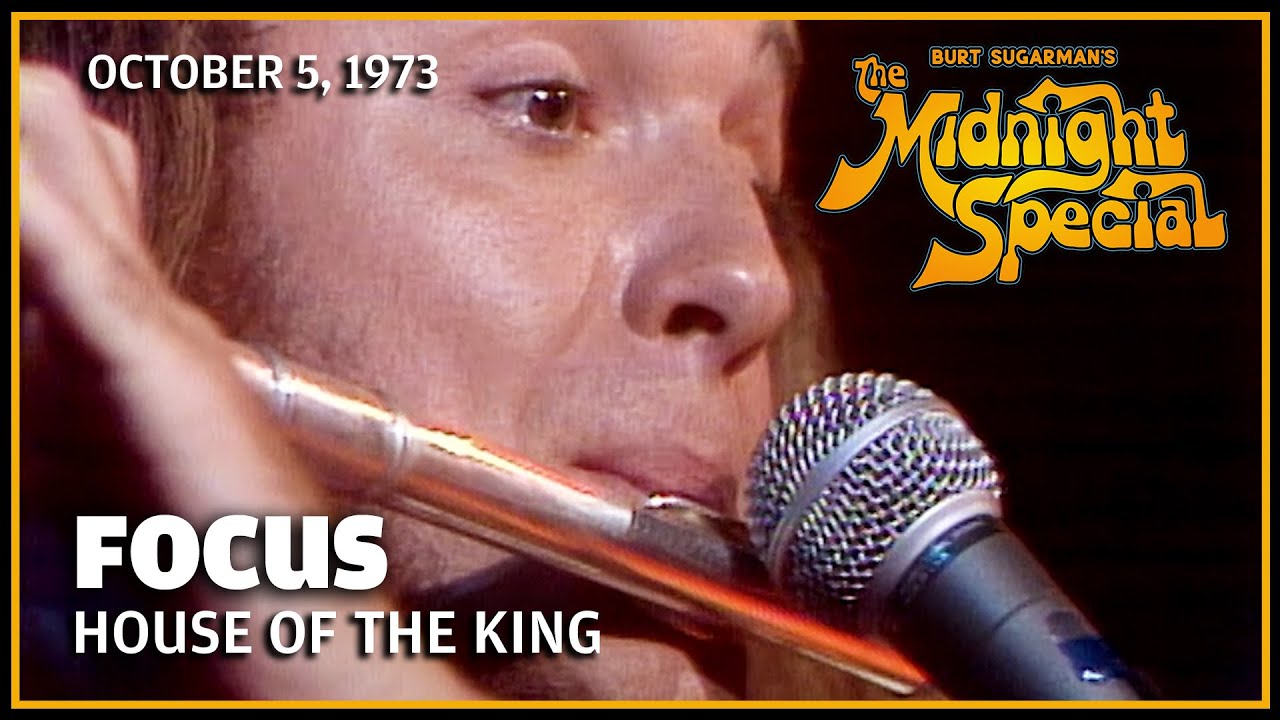
In those days, even before Focus, I listened to a lot of John Coltrane, Django Reinhardt, and all sorts of things. And with Hocus Pocus, I remember I was listening to a lot of the Beatles’ White Album. I loved the craziness of that album.
I’d be listening to that with one ear while having the other fixed on the television while sitting on the floor with a guitar. I’d come up with a heavy lick, and through that sort of process, tracks like Hocus Pocus and that album came together. That album has a lot of different influences layered in.
By then, was it still Fender amps and your Black Beauty?
Yes, in those days, it was mostly just my Les Paul. At first, I used big solid-state Fender amps, but the studio was too small, so I found smaller 30-watt amps for the recording. But I still felt like I needed amps with more sustain, so I went for a walk in London to Shaftesbury Avenue and I found some great gear.
I saw this thing called Colorsound, which had boost, treble, and bass. Instinctively, I felt that gadget would do the trick, and it did
I saw this thing called Colorsound [Supa Tonebender Fuzz], which had boost, treble, and bass. Instinctively, I felt that gadget would do the trick, and it did. The problem later, when touring the States, was that I had every radio station in the neighborhood because this thing not only boosted the guitar sound but also worked as an inductor.
What’s your tried-and-true secret for guitar tone?
The secret to my tone is purity of sound and balance, just like the old bebop players. I keep the bridge pickup full and the switch in the middle and use the neck pickup as a volume pot with the little finger.
How did Hocus Pocus come about?
I heard a song by Frank Zappa called Willie the Pimp, which was in the same category as the Beatles or Rolling Stones but more genuine. This triggered the old R&R feel in me, not realizing how good it felt playing it, and of course, [Focus vocalist] Thijs Van Leer started to yodel – with the result everybody knows now.
Did its success take you by surprise?
In a way, yes. I guess it did alright in the polls, right? It’s a funny album because there’s a lot of heavy rock on there, but also yodeling to the point where it’s almost half opera. [Laughs] It was kind of like a big opera-type story; the only thing missing was stabbing a knife in each other’s back, but that happened later anyway. As for me, I like the opening lick – what comes after that, it’s beyond my budget.
I’ve always loved the 15-part suite, Eruption.
With Eruption, that was kind of this weird, patched-together thing. It was a true conglomeration of ideas. That’s the nice thing about fusion, jazz, and even rock – there’s things you can’t calculate in advance, but sometimes, in the right place, or at the right time, they come together.
Eruption was a sort of liberation. Drummer Pierre van der Linden always wanted to experiment with different styles, just like me. And I wanted to surprise him and gave him a copy of Concerto for Orchestra by Béla Bartók. That triggered van Leer and the form for Moving Waves! The second Focus album was set.
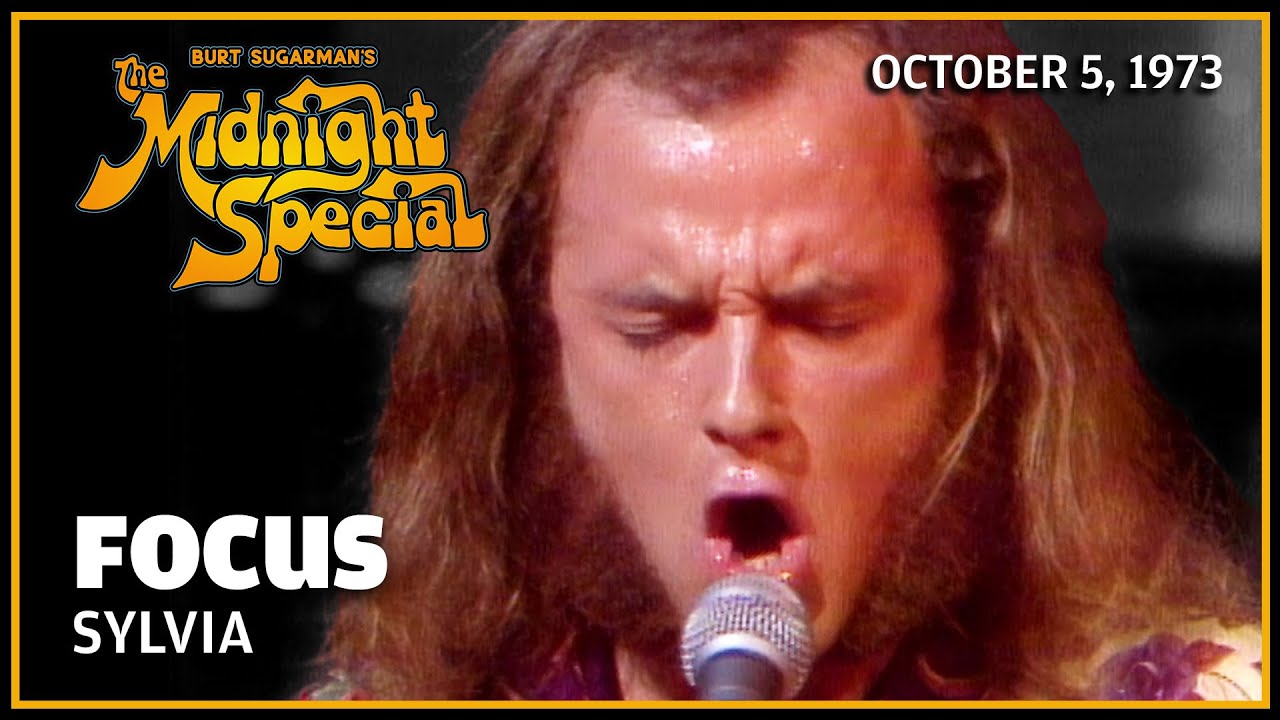
Another classic was Sylvia from Focus 3.
Funnily, the only thing I remember about recording Sylvia was that I added depth with a second guitar part to make it sound like a Doppler effect. I didn’t want to use effects, so I just played the part a second time, doubled it, and got what I wanted. It was easy and only took me maybe five minutes. I never expected the song to be so popular; I thought it was a song with a nice melody, and that was it.
What led you to hook up with Framus for one of the first-ever signature guitars, the Akkerman?
Well, I liked the Framus because I designed it myself. It’s a similar shape to a Les Paul, and they were making them at a good factory. I loved my Les Paul, but I also loved my Tele and my Broadcaster, so I liked guitars that were less about luxury. At the time, I was very happy with my Framus and played it as much as possible.
You added more guitar synths as a solo artist in the Eighties. What led to that?
My experimental period! It goes back to what I said earlier – I like to experiment. At the time, those things were fairly new to Europe, where it was almost like the Renaissance in the 14th or 15th centuries, you know?
I even got into drum machines and, like you said, guitar synthesizers because I liked the sounds I could make with them. It’s like, “Oh, I can make a cow’s ‘moo’ on a guitar,” which was something I never thought possible but also thought was funny. [Laughs]
What are your memories of working with B.B. King?
He was fantastic. He invented that type of blues, right? While playing with him, I realized I had picked up more things from him over the years than I ever realized. Working with a guy like him was like learning a new language – one which makes you wiser, though not luckier. [Laughs]
How did your car accident in 1992 impact your guitar playing?
It’s always difficult to overcome a sickness or injury. I had broken my back in several places and found myself in a wheelchair. The recovery was slow to the point that I felt like I could only move maybe a 10th of a millimeter, and if I did so the wrong way, I’d never walk again. It was hard, and I couldn’t play for over a year. To that, I always say, “Thank God it’s over.”
Which record means the most to you?
It sounds cliché, but they’re all good! The problem for me is not in the music. Let’s put that upfront. I love the music of Focus. The problem is the right or wrong synergy – or whatever you want to call it – that’s involved. I said earlier that envy and jealousy are factors, and those feelings are often underestimated.
So, that’s the stuff that factors in for me rather than how good the music was – it’s all good. Every album is like one of my babies. I have two albums out – Live Under the Rainbow by My Focus, recorded in the U.K. – and the one I’m working on now is a studio album that has no title yet.
I don’t suppose a Focus reunion is in the cards?
No. I mean… the idea is, of course, very tempting, but there are plenty of other tempting things in life. Life is basically one risk after another. To get involved in that again, part of me thinks that would be crazy. You don’t have to be crazy to make music, but maybe it helps!
- This article first appeared in Guitar World. Subscribe and save.

