


Corky James lent his licks to hit songs by Avril Lavigne, Liz Phair, Demi Lovato, Hillary Duff, and more, but his career began in the ‘80s, two decades before those records were released. “I took a long time to develop!” James tells Guitar World.
“I just kept plugging away, taking all gigs, money or not, morning, noon, or night. I drove all over LA, taking any session – even ones I probably wasn’t well-suited for.”
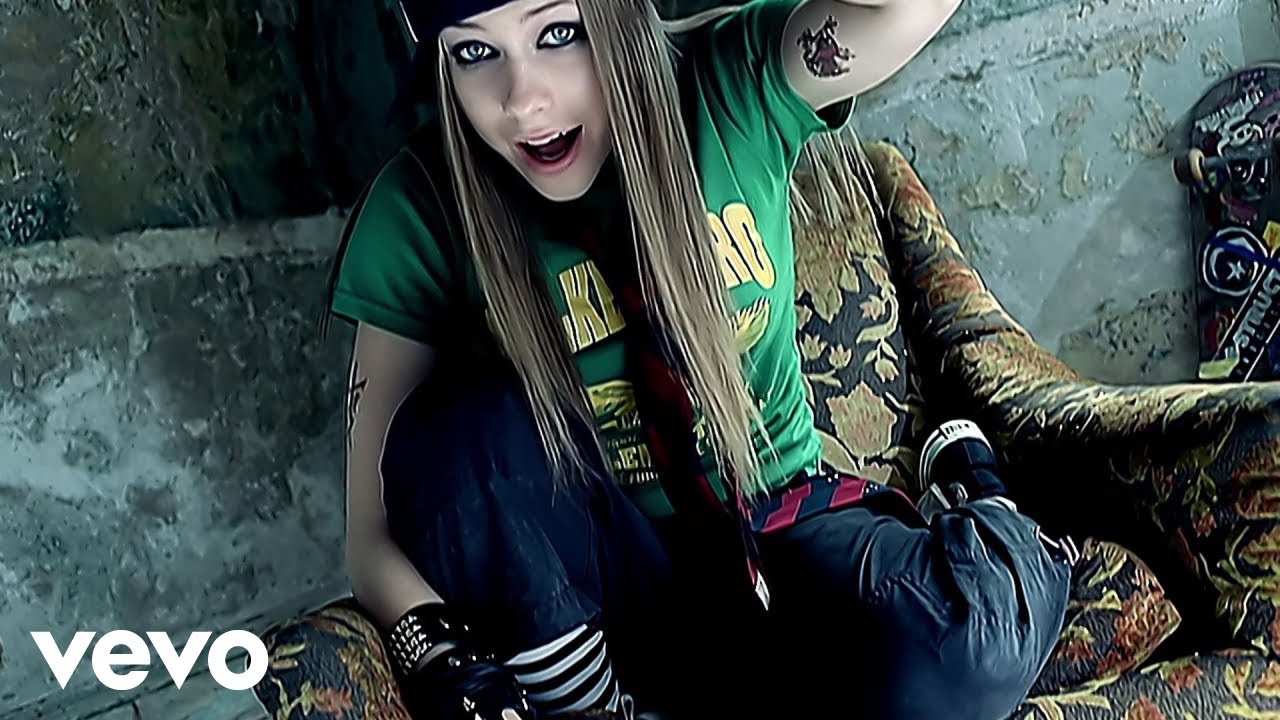
After 20 years of work under his belt, James started getting calls that would change his life. Songs like Complicated, Sk8ter Boi, and Why Can’t I? featured his licks, even if listeners didn’t realize it. “The credits that were visible and easily accessible were for young musicians who didn’t play a note on the songs,” he says.
“I'm not sure that Avril even knew any of them until after the CD was released. They might have become her live band for a while!”
Still, after slogging it out for so long, he was happy to finally be in the mix.
“It was great... much less stress,” he says. “More varied, too. Maybe that varied experience led me to session work where I could cover a lot of styles.”
In the years since, he’s dipped his toe into soundtrack work, featuring on 2009’s More than a Game and 2011’s X-Men: First Class, while also working with American Idol on the Season 4: Showstoppers compilation.
Now 72, he’s still in demand.
“Trying to do great work is crucial,” he says. “And having a lot of luck! But eventually the style changes, and the hits slow down. Then you need to assess and pivot. The music industry has changed so much, I don’t recognize it anymore.”
When you got into session work, were there any older session players who guided you when you were young?
Yes, but not until I reached LA. I went to the Dick Grove School of Music and met so many great teachers and players. The advice I received wasn’t given directly – I had to keep my eyes and ears open. By trial and error I became more professional. I’m still learning.
Were there any moments early in your career when you felt like you’d failed?
Not really. I always had enough work to get by. But sometimes, while you’re busy making money, you’re not really developing as a musician or as an artist. It’s the fine line we all walk.

Once you got rolling, what gear were you using?
It took time to suss out what gear matched my specific needs. I started out in LA with a KT custom-made guitar from Baltimore. It was a Tele body, Gibson scale and neck, Martin headstock, and Seymour Duncan PAF and JB pups.
That was an amazing guitar, but it was stolen in 1982. It started me on the journey of guitar discovery. First Gibson’s The Paul, then Fender AVRI Strats; and eventually I got a ’72 Gibson Les Paul. After a slew of Fender amps, like the Concert and a Lee Jackson-modded Deluxe Reverb, I had a Yamaha 112.
The intro to Complicated was me throwing out different ideas. When Scott Spock put them together they were pretty great!
Then I had a Twin Reverb and a ’72 Marshall 100-watt Super Lead, which I still have. I’ve used that on hundreds of sessions, Sk8ter Boi being one. At some point I acquired a ’68 Fender Bassman, which became my number-one amp for live and session work.
You mentioned Avril Lavigne’s Sk8ter Boi. What led to your getting the call for that session?
I’d been playing in original bands, none of them too successful. But from gigging around LA I met other bands. Keyboard player Scott Spock and bass player Graham Edwards were in a band called Dollshead. They liked the way I played and started using me on sessions.
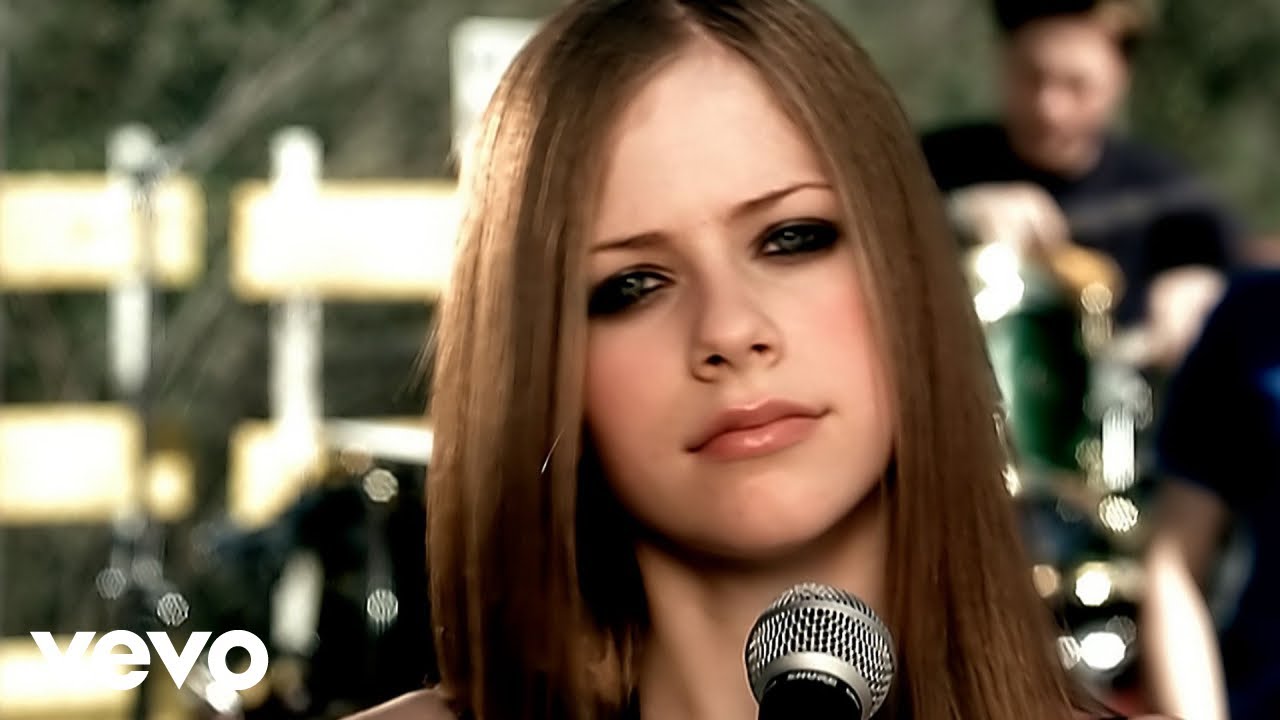
They were trying to become songwriting producers. Graham’s then-wife, Lauren Christy, auditioned me for her band and we hit it off. I spent a few years playing on all her songs and had a few successes along the way. Scott, Lauren, and Graham become known as The Matrix.
Eventually they got a manager, Sandy Robertson, who started connecting them to record labels. Then Avril entered our world. She was so shy, very sweet – she was only 16, I believe, and had an amazing voice.
You were in your 50s, laying down guitar parts that ended up being influential to a very young audience. Was that hard to wrap your head around?
Still is! But I’m sure the young listeners had no idea and still don’t. The record label hid our names – me and drummer Victor Indrizzo – in a very small font size behind the CD! It took us a long time to find our names.
What was it like working on Complicated, I’m With You, and Sk8ter Boi?
By then it was just me and Scott Spock working on the tracks. He always had a good start on the arrangement, had his drum programming, keys, and maybe even a vocal scratch, probably by Lauren Christy.

I’d listen to that, then make a chord chart and a road map. Scott would let me just play, sometimes leading me in the right direction, and sometimes he'd steer me somewhere differently. He was a great producer; great at editing my ideas into something coherent. The intro to Complicated was me throwing out different ideas. When Scott put them together they were pretty great!
I had a fairly modest pedalboard, a Strat, a Les Paul, and a baritone. And I had the Bassman, the Marshall, a Mesa Boogie 2x12, and a Martin 00-18. That was pretty much it for all the Avril tracks. Scott used a Shure SM7 on my cab, with a G12 greenback and a Vintage 30.
The Underdogs discovered me through Avril. When I arrived at the first session they were like, ‘We thought you’d arrive on a skateboard!’
Did you have any idea those songs would be hits, let alone part of a Grammy-winning album?
No – not even the slightest clue! Someone just sent me a funny GIF of the I'm With You chorus explosion. Looking back it seemed like an obvious hit, but we didn't have any sense of that at all.
Elsewhere, you played on further pop hits Why Can’t I?, No Air, and (There’s Gotta Be) More to Life. How did those come together?
The Liz Phair songs were a direct result of Avril’s success. Her label enlisted The Matrix and I came along for the ride. Those other songs were produced by Babyface and by The Underdogs, who also discovered me through Avril. When I arrived at the first session for The Underdogs they were like, “We thought you were gonna arrive on a skateboard!”
What’s the story behind The Wire, your home studio where you do most of your recording?
It didn’t exist until around 2004. We did all the Avril tracks at home studios built by The Matrix. There were four different locations in total. Then, once the label development money dried up, most of my sessions moved to The Wire.
The house is burning down. You can only grab one guitar, one amp, and one pedal to keep using for sessions. What are you grabbing and why?
During last year’s Pacific Palisades fire, I started asking myself that very question! I almost bought a trailer to load up with amps, guitars, and effects. But for the sake of your hypothetical question, I’d grab three guitars – a Strat, a Les Paul, and a Gibson L-00.
I’d grab a Bassman 2x10 combo and one of my pedalboards. I could do a lot of sessions with just a Bassman and one Drive OCD v1.1 and one fuzz pedal, the MSL Tonebender.
What’s next for you?
My instrumental surf band, The Sea-Jays, have one EP released, A Touch of Terror, and the second EP will be released this spring. Meanwhile, I consider myself extremely lucky to continue to play, and I continue to enjoy playing.
- A Touch of Terror is out now.

