


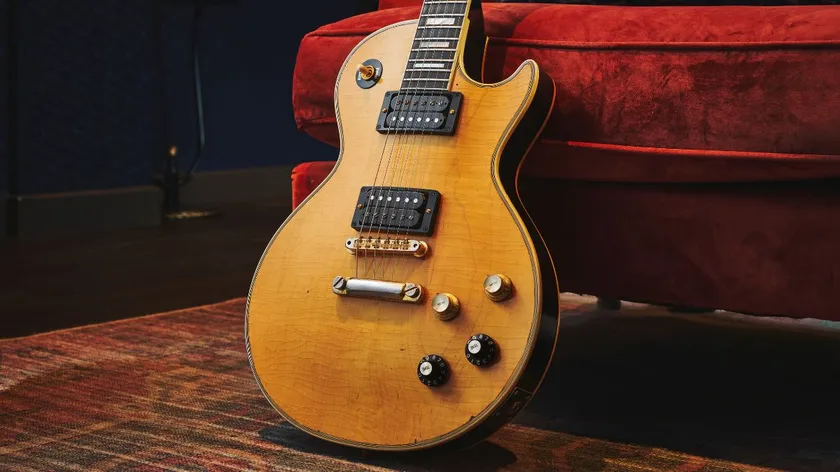


The six-decade career of Dave Mason – who died on 19 April, just a few weeks off his 80th birthday – was equal parts fantastical and frustrating, but never dull.
For many, his defining work came in the late-’60s progressive-rock group Traffic, though you could also point to his serendipitous thumbprints on the albums of Jimi Hendrix, The Rolling Stones, George Harrison, Eric Clapton and Fleetwood Mac.
Others, however, felt Mason might have achieved rather more were it not for the acrimony between band members – and particularly with Steve Winwood – which slowed Traffic down and arguably denied them the immortality enjoyed by their peers. “On one level,” Mason told The Guardian in 2024, “I could hate every one of them.”
David Thomas Mason was born on 10 May 1946, in Worcestershire, and seemed a perfect foil to Winwood when the prodigious frontman quit the Spencer Davis Group in 1967.
At first glance, it worked beautifully: the Mason-penned/sung early single, Hole In My Shoe hit UK No 2. But the rest of the line-up disliked its psych-pop leanings, and Mason was restless, too. “I realised I needed more life experiences in order to write stuff that would become timeless,” he shrugged, quitting shortly after the release of debut album Mr Fantasy (1967).
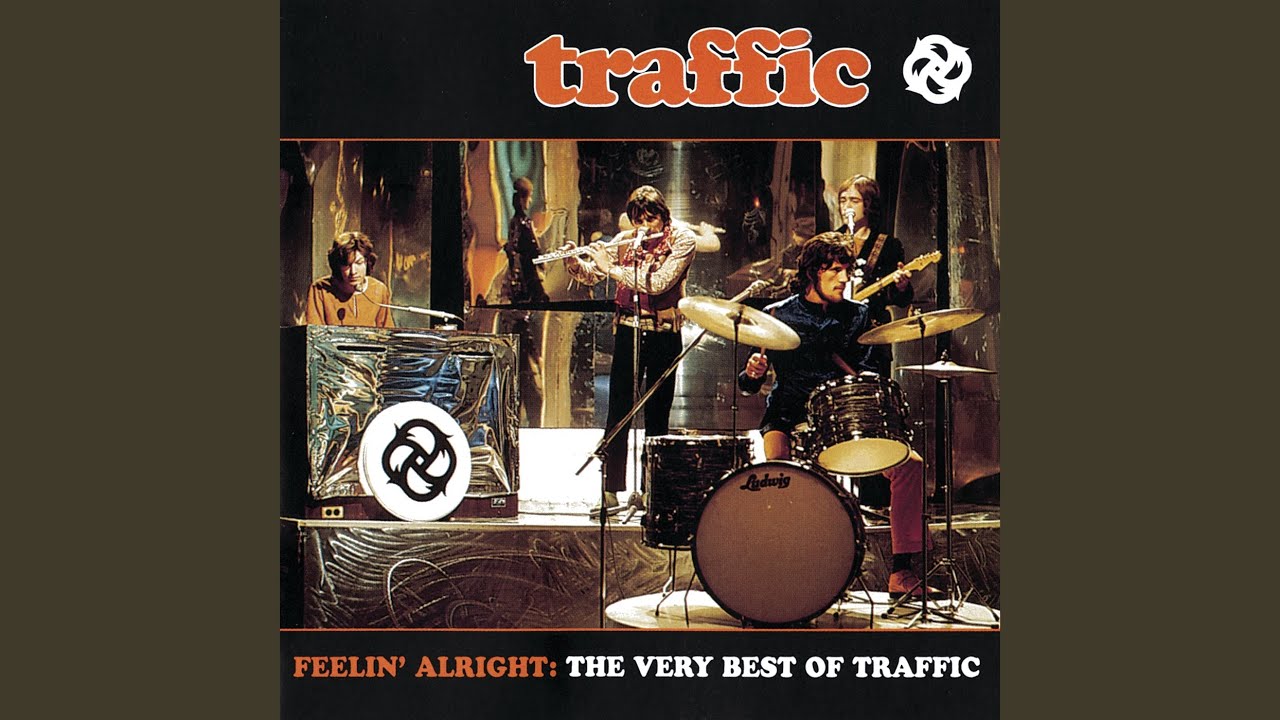
Having produced Family’s debut album, however, Mason was back for Traffic’s self-titled 1968 follow-up, on which the prolific guitarist once again threatened to steal the show with another enduring hit, Feelin’ Alright? (later covered by everyone from Joe Cocker to Paul Weller). But Mason would claim that Winwood “felt threatened”, and painted a cold picture of his sacking just months later.
“I don’t like the way you write,” he was supposedly told by his frontman. “I don’t like the way you sing. I don’t like the way you play. And we don’t want you in the band any more.”
For a time, it seemed Mason would do just fine without them. Having played the shehnai on the Stones’ classic 1968 single Street Fighting Man, he had the distinction of being one of the few guest guitarists to appear on a Hendrix track, strumming the deceptively tricky 12-string acoustic for All Along The Watchtower.
“It took me 10 or 11 takes to get the timing on the intro right,” reflected Mason, “and Jimi easily could have just done it.”
After touring with Clapton associates Delaney & Bonnie, and blowing through the line-up of Derek And The Dominos, there he was again in the studio with the scattered Beatles, contributing guest guitar to George Harrison’s All Things Must Pass album (1970) and Wings’ 1975 hit, Listen To What The Man Said.
That same decade, Mason enjoyed US platinum sales for 1977’s solo album Let It Flow. But his hit-rate settled down in the ’80s, while the star hook-ups became fewer and less fruitful (a mid-’90s tenure with Fleetwood Mac – including the Time album – was remembered by Christine McVie as “very acrimonious”).

Mason kept busy in the post-millennium, even finding time to launch his own sustainable guitar brand, RKS, alongside designer Ravi Sawhney (deemed a “fucking impressive device” by Keith Richards).
“When Dave joined me to create RKS Guitars,” Ravi said in tribute following Dave’s death, “he didn’t show up as a rock legend looking to put his name on a product. He showed up as a builder… Dave was deeply involved in every part of that process. Not as a celebrity, as a creator. That’s what made him rare. [He was] a creative force who never stopped asking what could come next.”
But in September 2024, the guitarist revealed he was undergoing treatment for a serious heart condition, while citing “ongoing health issues” for the cancellation of last year’s tour dates. Hearteningly, it was Winwood who led the tributes when news broke of his passing.
“Dave was part of Traffic during its earliest chapter, and played an important role in shaping the band’s sound and identity during that time. His songwriting, musicianship and distinctive spirit helped create music that has lasted far beyond its era, and continues to mean so much to listeners around the world. His place in that history will always be remembered, and through the music, his presence endures.”
Meanwhile, the valedictory post by Mason’s family suggested he had found fulfilment at the end.
“After cooking an amazing dinner with his wife, Winifred, he sat down to take a nap with his [pet dog] at his feet. He passed away peacefully, in his favourite chair, surrounded by the beautiful Carson Valley that he loved so much. A storybook ending. On his own terms. Which is how he lived his life right up to the end.”
- This article first appeared in Guitarist. Subscribe and save.

