




As we strive for new modes of expression, it is no surprise to see players such as Blake Mills, Molly Tuttle, Tim Henson and Tosin Abasi reaching for hybrid guitars in search of inspiring sounds and blended textures.
While the origins of the acoustic guitar and its electric sibling are relatively well documented (with enough ambiguity to maintain the mystique), less has been written about the sub-genre of weird and wonderful instruments that has resulted from chimeric collisions of the two worlds. This potted history will attempt to fix that…
Necessity being the mother of invention, hybrid guitars are intended to offer the player access to ‘acoustic’ sound and playing experience, coupled with the comfort and feedback resistance of a solid or thinline body.
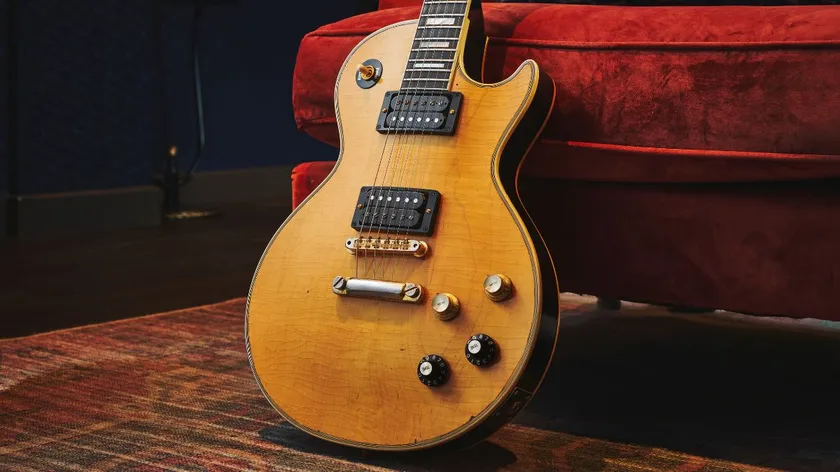
While the Danelectro convertible 1959 – a hollow Masonite guitar with a lipstick pickup mounted in its soundhole – and the heroically hideous Burns Steer with its Chris Eccleshall active electronics deserve honourable mentions, the first real hybrid guitar was brought to us by Gibson guitars in partnership with one of the world’s leading fingerstyle players: Chet Atkins.
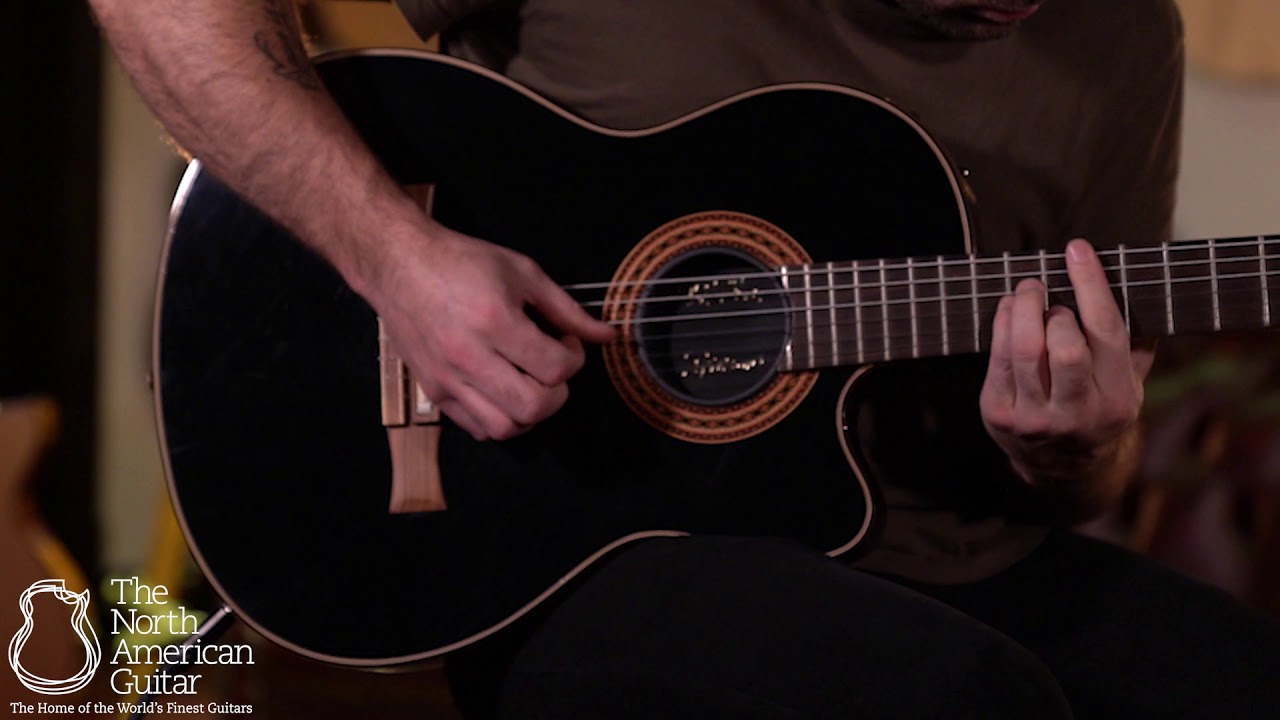
Frustrated by the primitive options available when amplifying acoustic steel-string and classical guitars, Atkins approached Gibson with a new concept – a solidbody design with an acoustic voice that would allow him to turn things up. The resulting nylon-string Gibson Chet Atkins CE/CEC hit the market in 1982, with its steel-string equivalent SST model joining five years later.
It remains a favourite of players such as Mark Knopfler, David Gilmour, Johnny Marr, Lindsey Buckingham and Sting. With an average weight of 7lb, the Chet Atkins is significantly lighter than a Les Paul but still cumbersome for players more used to an acoustic, and while its piezo-driven voice is far from a natural acoustic sound, it still works well in a full band.
For many years the Gibson Chet Atkins model was the only viable option in an extremely niche market. Granted, legendary Bay Area luthier Rick Turner had designed his iconic Model 1 with Fleetwood Mac guitarist Lindsay Buckingham in 1979, but it was only later that he would add a piezo bridge option before launching his Renaissance acoustic electric model in the 1990s.
In 1993 a big ripple hit the hybrid-guitar world with the Parker Fly. Created by the late, great Ken Parker and Larry Fishman, the Fly featured a carbon-fibre exoskeleton over a tonewood core and was arguably the first production electric guitar to combine active piezo electronics with magnetic pickups.
Finding immediate favour with players such as Eddie Van Halen, Joni Mitchell and Reeves Gabrels, the Parker Fly was a revolutionary instrument, but as Ken Parker himself said, “We were making a $10,000 guitar and selling it for $3,000.”

Double Design
As radical as it may have been, the production Parker Fly was actually a corporate compromise. In a conversation with Ken Parker in Colorado, he showed me his 1987 prototype for the Fly, which was no more than 10mm at its thickest point with most of it being substantially thinner.
“The idea was to create a guitar that had the top of an archtop without the back and sides, so it was designed to be a resonant structure… reflective and conservative of energy, which means that it sustains a long time,” Ken said.
“This is pretty close to what I was hoping to manufacture at the Parker Guitars factory… but it was decided that we couldn’t use non-standard magnetic pickups [so the production models were a lot thicker].
“I have to be honest and say it was a little bit of a bummer… Here I am trying to make this magical new thing and they wanted me to incorporate heavy, dopey pickups that were made in the ’50s. Anyway, I got over it and we produced the Parker Fly.”
By the mid-1990s other brands had woken up to the musical potential (albeit coupled with limited commercial appeal) of hybrid instruments – bridge-mounted piezo systems were becoming increasingly common in guitars aimed at session players and experimental heads looking for new textures – and the big names such as Fender and PRS were starting to get properly involved.
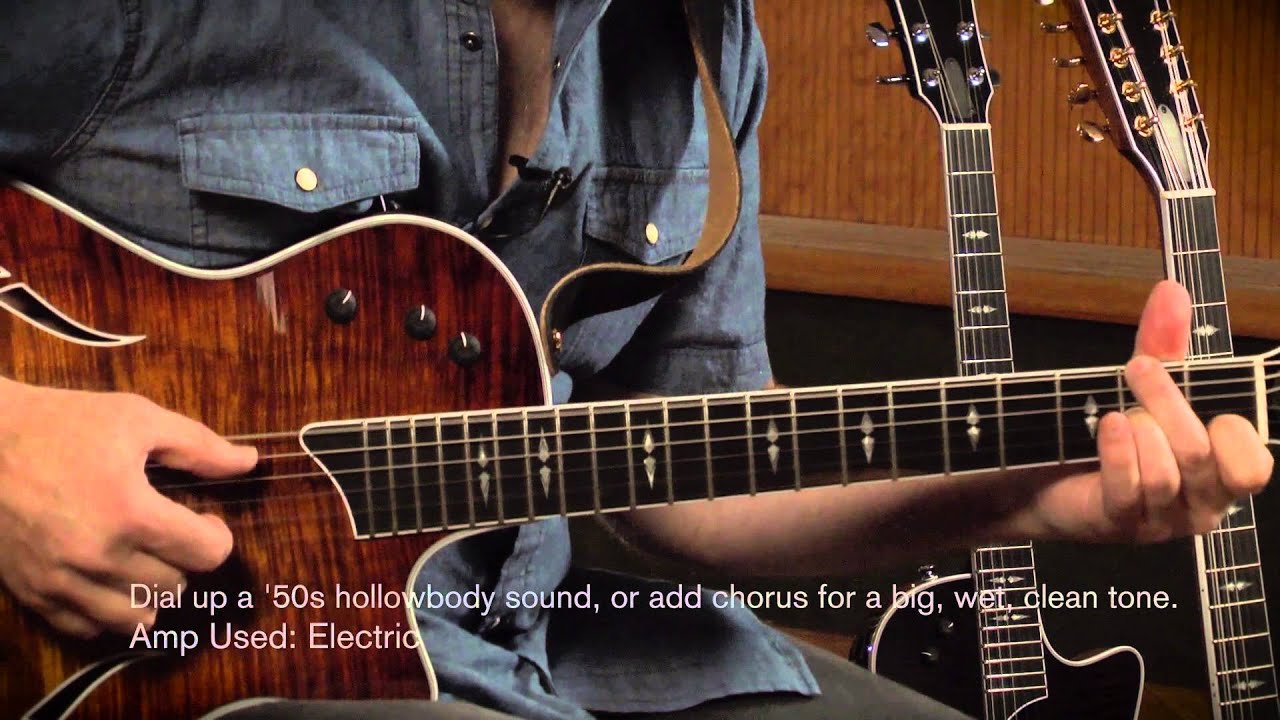
In a rare break from its acoustic lineup Taylor Guitars launched the hybrid T5 model in 2005, which combined Taylor active electronics with one or more lipstick pickups like the old Dano Convertible. It was later superseded by the T5z, which features a smaller body and remains in production today.
Perhaps the most outlandish hybrid design of the early 21st century was the somewhat short-lived Line 6 Variax acoustic. This solidbody electric with soundhole offered digitally modelled acoustic sounds including banjo and sitar, as well as access to altered tunings with some clever pitch-shifting.

Yamaha also gave the hybrid a shot with the launch of its Silent guitars, which, although mainly aimed at the quiet-practice/travel-guitar market, make superb hybrid instruments. However, for some years the alternative choice was a luthier-made marvel, which includes Rolf Spuler’s Paradis model or Uli Teuffel’s Antonio.
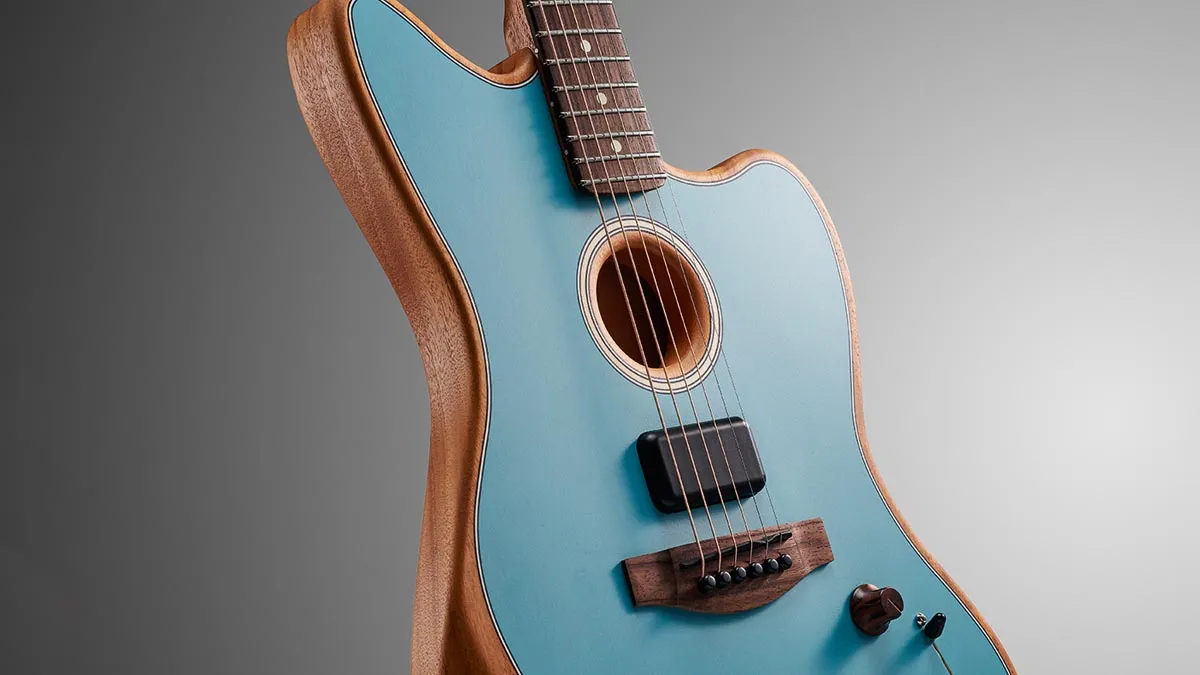
Things changed in 2019 when Fender debuted the Acoustasonic Telecaster, with the Stratocaster arriving in 2020 and the Jazzmaster following the year after. These guitars had been created by a team that included Brian Swerdfeger, who was instrumental in the design of the original Taylor T5, chief engineer and pickup guru Tim Shaw, and Larry Fishman, who had played a vital role in the world of acoustic amplification for decades.
Available in various formats and often including modelled sounds and textures, some even overdriven, the Acoustasonic range is currently the number one choice of many guitarists entering the hybrid world.
At first glance, hybrid guitars may have limited appeal – not everyone wants to play a loud acoustic after all – but those players who do use them extensively find them to be expressive and engaging instruments that can offer new and inspiring sounds. Try one for yourself!
Three acoustic-electric guitars to check out
Fender American Acoustasonic Jazzmaster – $1,999/£1,799
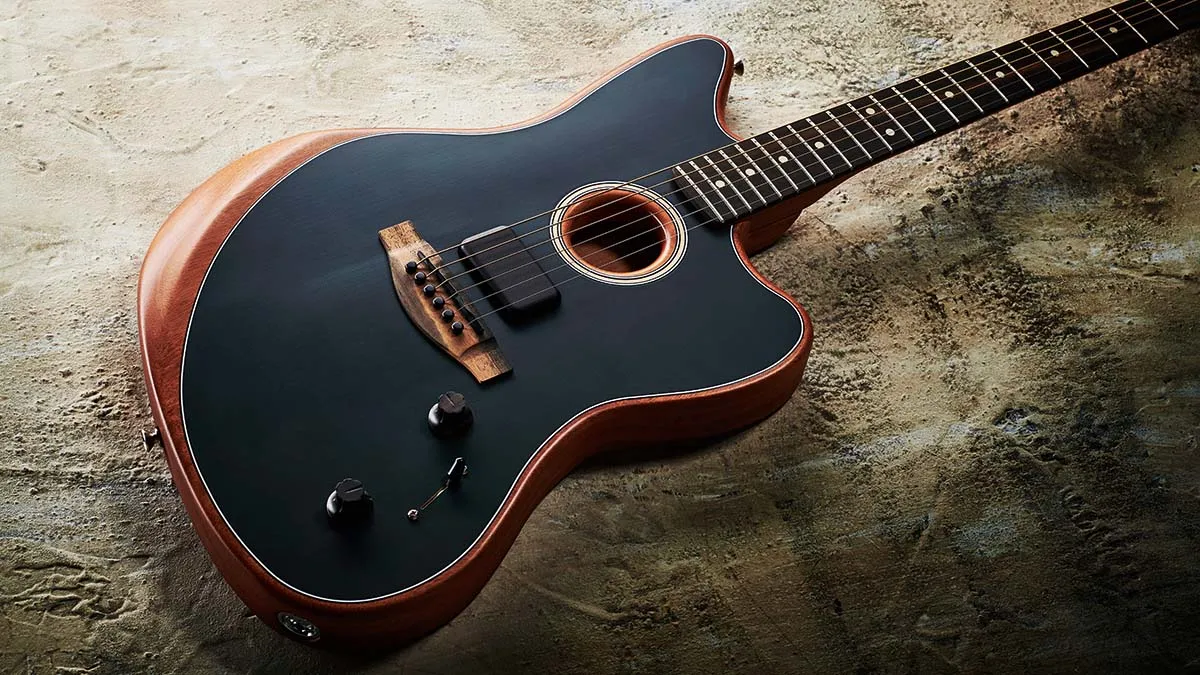
Yes, you can get a Telecaster or Stratocaster version, but wouldn’t you prefer an achingly cool offset? Featuring a triple active pickup system, internal resonance and a plethora of different acoustic voices, this is a great choice.
Fender’s Acoustasonic range instruments are currently top dogs for a reason. This model even has a semi-usable unplugged sound for texture work in the studio.
Parker Fly – circa $/£3k

Now only available on the secondhand market (because Parker Guitars closed in 2016; pictured here is the Parker DragonFly DF524 offshoot), the Fly is perhaps the apogee of the hybrid-guitar idea with its carbon-fibre exoskeleton, custom-made DiMarzo or Seymour Duncan pickups (depending on the model) and the active piezo bridge.
The top horn may poke you in the moob, but you do get whammy bar dips with an acoustic sound – so it all pans out nicely.
Yamaha SLG200 Series Silent Guitar – from $879/£716

Available in both nylon- and steel-string (pictured) configurations, the Yamaha Silent guitar models are much more than quiet practice tools – they’re lightweight, well designed and have a great plugged-in sound with internal reverb and chorus effects.
A future update with Bluetooth connectivity would be very welcome, but in the meantime you can still have a very nice time indeed.
- This article first appeared in Guitarist. Subscribe and save.
