



25 years ago, Jimmy Eat World’s breakthrough 2001 album, Bleed American, took the Arizona emo band from VFW hall shows to the top of the charts. But it almost didn’t happen at all. To paraphrase frontman and co-guitarist Jim Adkins on the album’s mega hit The Middle, it just took some time.
Scooped up by Capitol Records during the ’90s alternative-rock gold rush, Jimmy Eat World arrived in major-label land with just a scrappy indie release of speedy pop-punk under its belt and a growing interest in the barbed riffs and mathy rhythms of post-hardcore. After two albums, 1996’s Static Prevails and 1999’s Clarity, posted dismal sales, though, they quietly exited the big machine.
But unlike scores of other alt-leaning rock bands that were gobbled up and spit out by the majors, Jimmy Eat World wasn’t finished yet. Hopeful for a second chance, the band again enlisted producer Mark Trombino, who had helmed their previous records – albums which, especially Clarity, fans loved for their strong melodies, titanic riffs and increasingly ornate instrumentation.
In the van Capitol bought them years earlier, Jimmy Eat World toured relentlessly and saved the earnings to pay Trombino. They grabbed copies of their Capitol releases to sell at gigs while playing to thousands across Europe and worked day jobs in the interim. When they had pooled together enough cash to track Bleed American, they not only had the strongest songs of their career but had tightened into the band that could pull them off.
“Going in to make Bleed American was a little bit different than making Clarity because of the amount of touring that we were doing in between, and just being in that environment where it's just two guitars,” Adkins says, “so you're thinking about your creative solutions with that in mind.”
Stripping their sound back to a two-guitar attack from the adventurous experimentations of their previous work – whose lack of sales got them dropped, only to be rediscovered and championed by bands like Paramore during the aughts emo explosion – suited their increased use of drop-D tuning, which helped lower the boom on songs like the stomping title track.
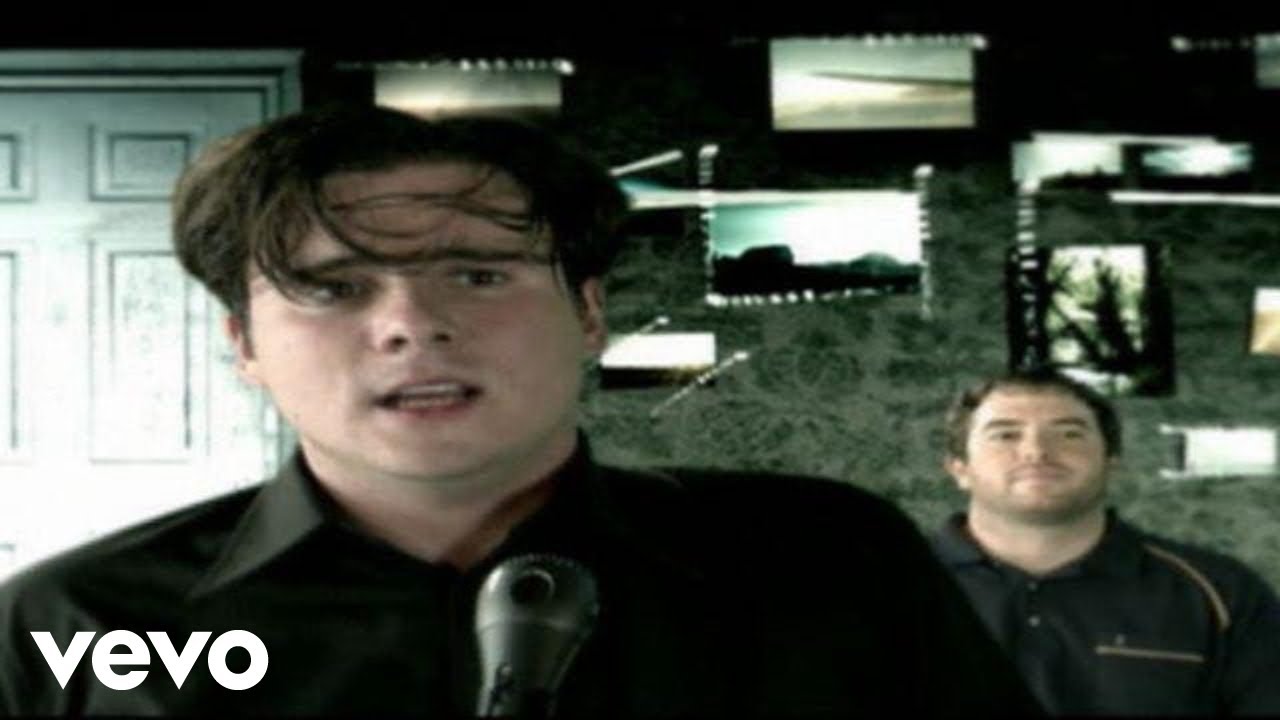
“At first it was like a novelty thing, like you get a new effect pedal and all of a sudden you write a song around it,” he says. “It's that thing that tricks you to get you out of your own head, so you can just experiment. Then you hear yourself play something that sounded cool so you do that again, and before you know it, you're fleshing out a song.”
While dialing up their ambitions in songcraft, the band also scaled down the scope of their songs. Adkins says he found inspiration listening to classic songwriters like the Everly Brothers and Bruce Springsteen, who mastered the ability to execute an idea with simplicity and directness.
“You might have heard it a million times and not really paid attention to it growing up, but then all of a sudden you're like, wait a minute – Dancing in the Dark just works,” he says. “Like, what is it that makes it work? How can I do that? I think most of our material that pushes the band forward has started off like, ‘I don't know if we can get away with this, guys.’”

But they did and then some. After total sales of their previous album barely cracked five digits, Bleed American’s punchy, anthemic tunes quickly scored the band its first Platinum album.
Three singles – the bruising title track alongside the thundering sing-along Sweetness and the emotive Hear You Me – all yielded Gold and Platinum platters of their own. But The Middle, certified 9x Platinum, peaked at No. 5 on the Billboard Hot 100, making it a genuine crossover smash. In 2024, the song joined Spotify’s Billion Streams Club.
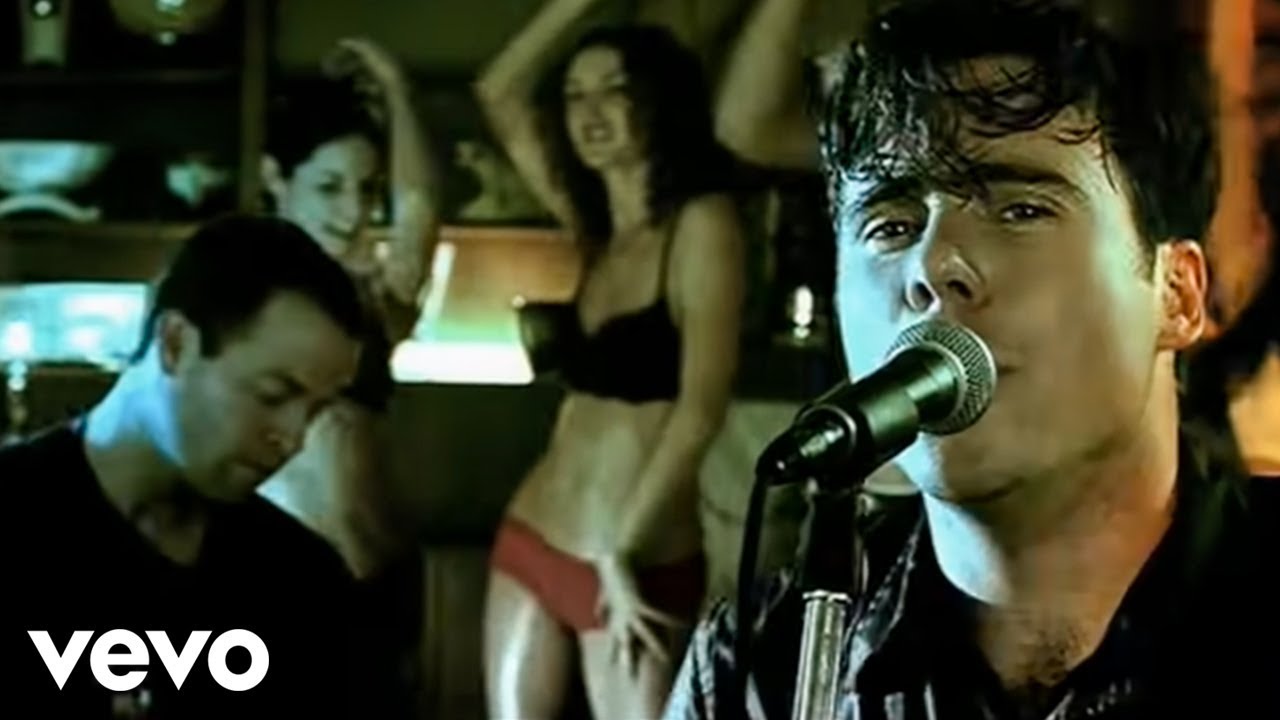
On the opening riff of The Middle, Adkins and Linton lock into a tightly wound guitar figure composed of variations on the same riff.
“Sometimes it might be unison, sometimes we might hit a lower voicing, the notes that imply the progression, but add in a mid-to-high voicing that's sometimes unison or sometimes maybe like a harmony itself,” Adkins says – the kind of interlocking guitar line he traces back to Thin Lizzy's twin-guitar harmonies.
After years chasing the sprawl and mathy detours of post-hardcore, the band started exploring how to extract the most from each riff instead. “There was a tendency to scale back the scope of what you're trying to do," Adkins says, “and push how tight and lockstep you can make it and how simple you can make it, as almost a subversive kind of goal.”
For two guitarists who'd been shredheads in the early '90s, stripping a song down to a handful of chords was more Never Mind the Bollocks than Surfing with the Alien. "That's the best way I can describe it: oh man, we can get away with this!"
The guitar solo on The Middle broke a different rule. Where the solo on Bleed American and most of the band's earlier leads – like the extended bridge solo on Clarity’s Just Watch the Fireworks – grow out of the vocal melody, hinting at it and then taking off, the solo on The Middle has no connection to anything else happening in the song. "That was different," Adkins says. "That might be the first time we've ever done that."
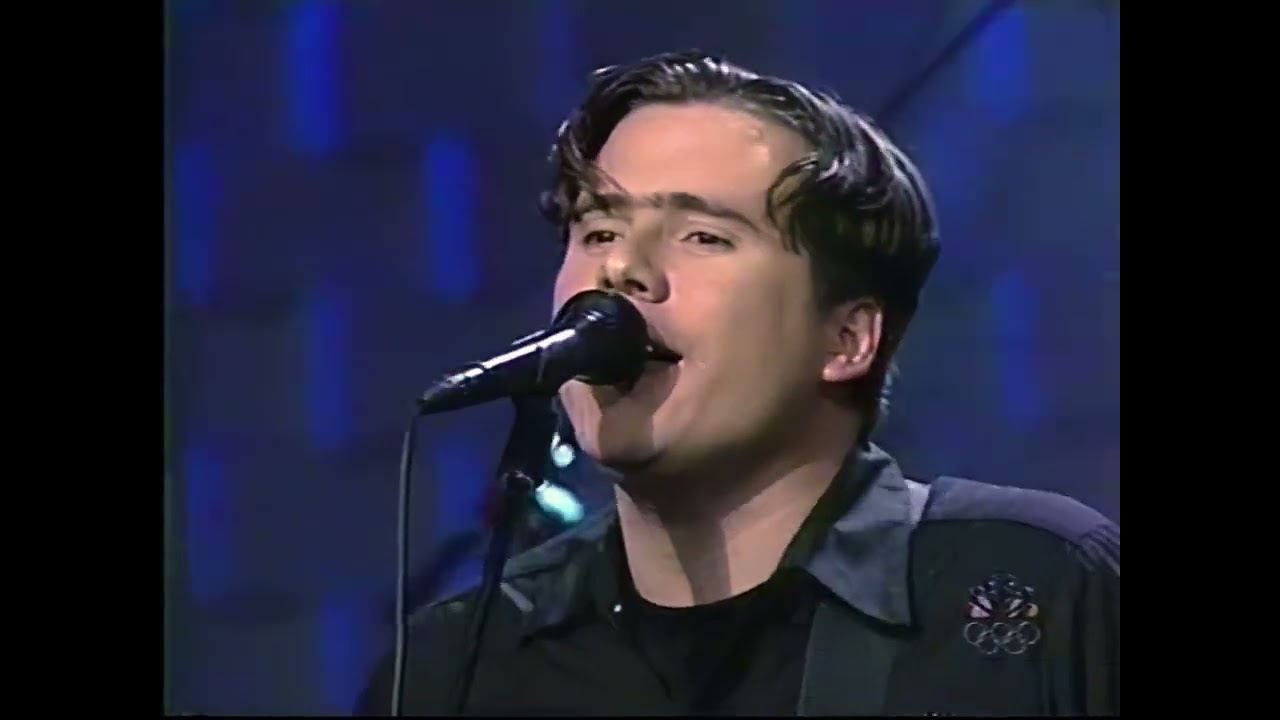
He built it across a series of takes rather than working it out on paper. "I knew what I wanted to do; the arc of it was there from the beginning," he says. "It was just figuring out how to build something with that arc – theme, repeat, variation, kick it up a notch." The one consistent trick, he says, is that it never backs off: "always ascending, that's either ascending or faster."
Adkins doesn't consider himself a lead player by nature.
"I'm not like a shredder guitar player. I don't do leads, even though I kind of grew up with that scene of players," he says. "It was more about finding a clever way to make a theme and variation of it that is building. There's a narrative arc to it, and that I knew I wanted to have. But what actually happened in it was figured out on the spot."
Across the album, Adkins and co-guitarist and vocalist Tom Linton kept the gear simple, a stark contrast from Clarity’s kitchen-sink list of bells, chimes, glockenspiels and other ornamentation.
Adkins used a Gibson Les Paul Studio and 1979 Marshall JMP Super Lead, while Linton played his Gibson SG through an Orange AD140, with a Vox AC30 and a Fender Princeton for occasional overdubs.
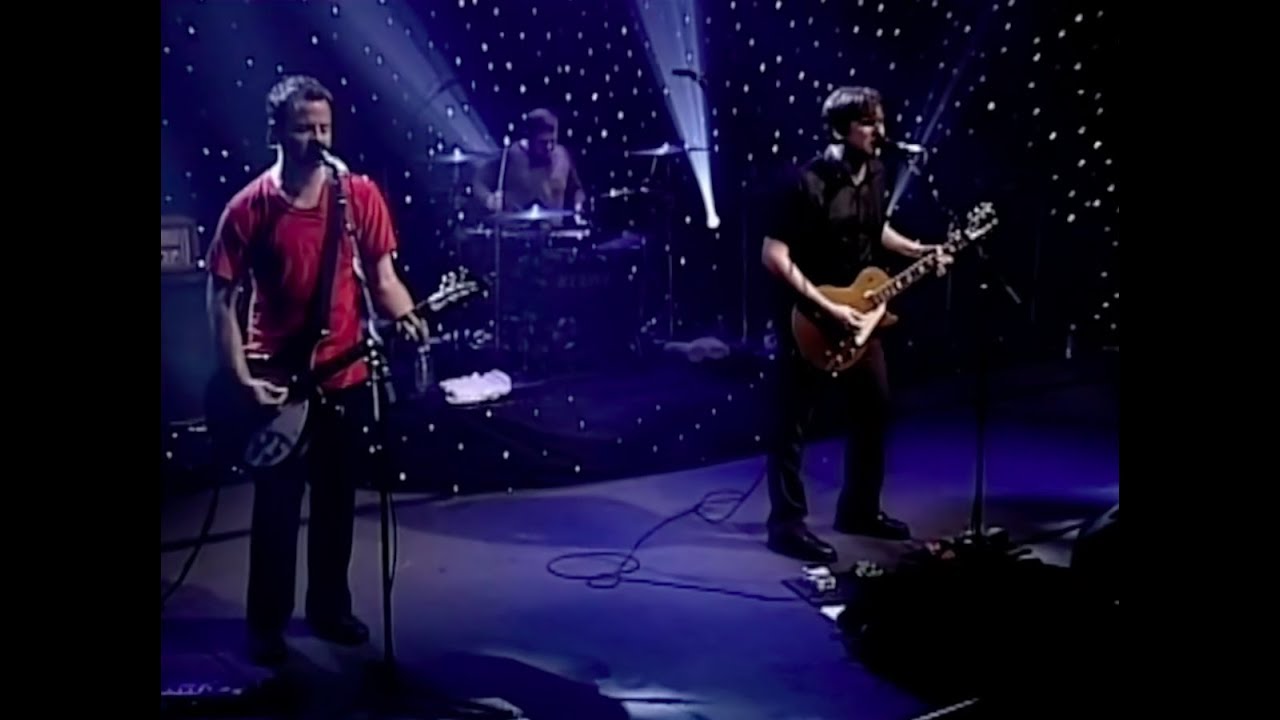
However, the band did experiment on the album’s more reflective moments. Hear You Me, Your House and Cautioners all feature looping, shimmering guitar textures built with Line 6 DL4 Delay Modeler pedals, which had recently hit the market.
“You could loop things and then reverse it and do an octave and record it. Sometimes it might take like 10 minutes to get the composition of your loop just right. After you’d get it to a place that sounded cool, we’d hit record, walk out of the room, and five minutes later come back.”
While Bleed American changed everything for Jimmy Eat World, Adkins and his bandmates were seasoned enough to keep the focus on the music and not merely the success.
“The best outcome would be this gives us an opportunity to keep doing this,” he says of the band’s philosophy of the new world they entered on Bleed American. “That's the best we could hope for.”
- This article first appeared in Guitar World. Subscribe and save.

