

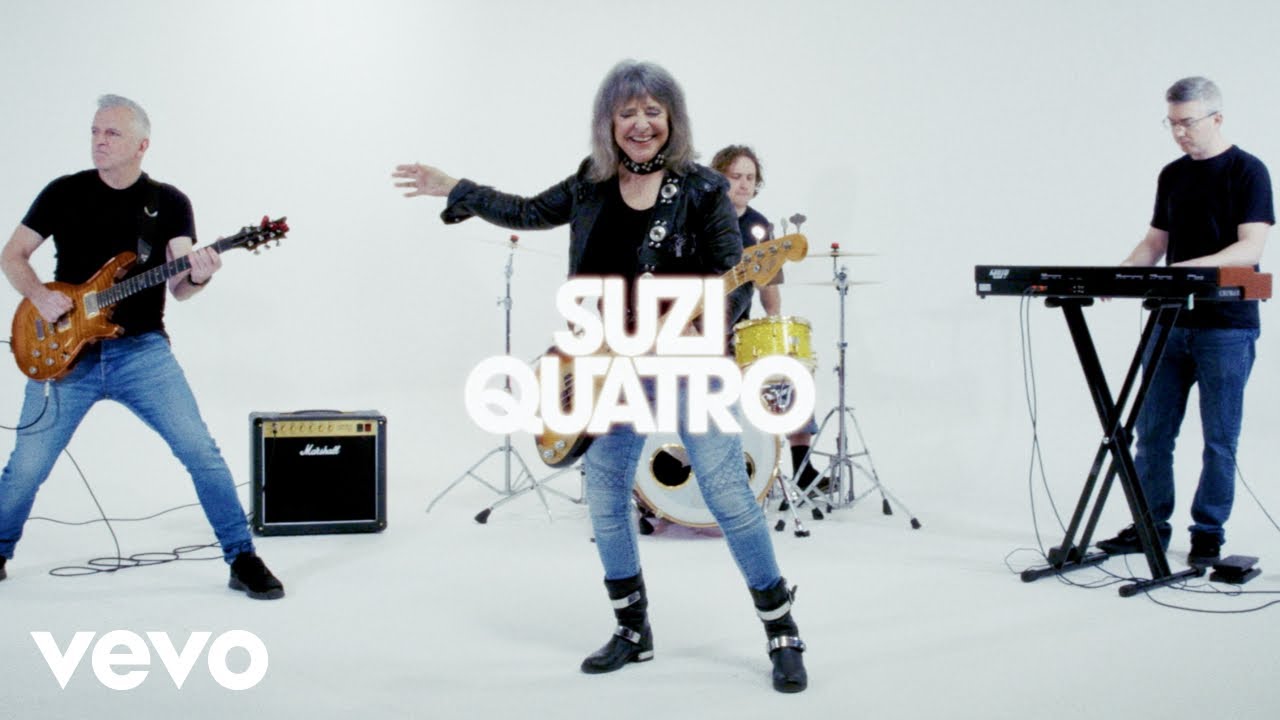
The spirit that guided Suzi Quatro through her trailblazing ‘70s heyday guides her now. “It will never burn out. Never, never, never!” she proclaims. Passion is the name of her game; not just with songwriting, but with her bass playing, which she takes as seriously as a heart attack.
“I am not a failed guitar player turning to bass,” Quatro states. “I am a real bassist. I do a six-minute bass solo on stage – and, I might add, not an easy one!”
Asked how she gravitated toward bass in the ‘60s when most young girls weren’t encouraged to do such things, she recalls: “When we started the band, all the other girls shouted down the phone which instrument they wanted. I didn't speak up quickly enough! So I was ‘given’ the bass. As the universe dictates… perfect! From the time I strapped it on, it was my instrument. I was born to play it.”
In the years since, Quatro’s hits like Can the Can and 48 Crash impacted everyone from Debbie Harry to Chrissie Hynde to Courtney Love. Quatro didn’t realize it then; in fact, she didn’t grasp it until documentary Suzi Q dropped in 2019.
Now, as she prepares to release her 18th studio album, the aptly-titled Freedom, she’s aware of her impact and also reveling in it. “I kicked down the door because I didn't see the door! And that's the truth.”
What inspires you to keep making new music?
I’m always inspired. I am a communicator, a creator, and an entertainer. With this album, we wanted to return to my rock ‘n’ roll roots. We have accomplished that. It’s a nod to 1973, without being retro.
Do you still feel like you fit in with today’s music scene – or does that not matter?
I’ve always felt like I fit in this industry since 1964, when I began. Nothing has changed for me personally. I rock and I roll, and I do what God put me on this earth for. The only way the music scene has changed is that it’s gone digital.
I preferred the golden age of albums and CDs, when you could physically buy the product rather than stream it. But that’s the way it is, and there’s nothing any of us artists can do about it. So I’ve embraced it.
Your music was a precursor to artists like Pat Benatar, The Runaways, and Courtney Love.
If you watch the documentary you’ll see many, many women throughout citing me as an influence. Debbie Harry, Chrissie Hynde, KT Tunstall, Tina Weymouth, Joan Jett, Cherie Curie, Kathy Valentine, Donita Sparks, and more.
They all say basically the same thing: “I would not have done what I did if Suzi Quatro had not done it first.” To be honest, I never realized it whatsoever. I was in an all-girl band at age 14, yet I never did gender.
When did your impact hit you?
I didn’t get it until I went to the documentary premiere at the Regent Theatre in London. I snuck in and watched the film, wanting to get the audience’s reaction firsthand. In the end I was crying – at age 69, the penny finally dropped that I had indeed changed the world for women in this business.
Like your last two records, Freedom is a bit different from the old days in that it’s a collaboration with your son, Richard Leonard Tuckey.
My son is very talented and very humble. Our partnership has grown since our first outing together in 2019. What he gave to me was the ability to see myself fresh again through his eyes. I gave birth to him, but he gave rebirth to me. He gets me!

How did songs like Little Miss Lovely, Nobody Held My Hand, and Hanging Over Me come together? They seem autobiographical.
Little Miss Lovely and Nobody Held My Hand were both Richard’s titles. He doesn't usually come up with titles; it's my area, but this time he did. Little Miss Lovely is a tongue-in-cheek story of me. You could say it's a Gemini song, which I am. Richard wanted Nobody Held My Hand to be about my life in this business and how I was truly on my own. He also contributed some lyrics.
And with Hanging Over Me, the title came first, along with the bass line. Then I had the entire scenario in front of me. I lived it in a previous relationship – I don’t write fiction.
What led to your cover of Kick Out the Jams with Alice Cooper?
I’ve done two covers on every album since 1973. Richard had been pushing for that track since 2019. On our first album together, No Control, I kept resisting; I have no idea why! On Freedom he was determined.
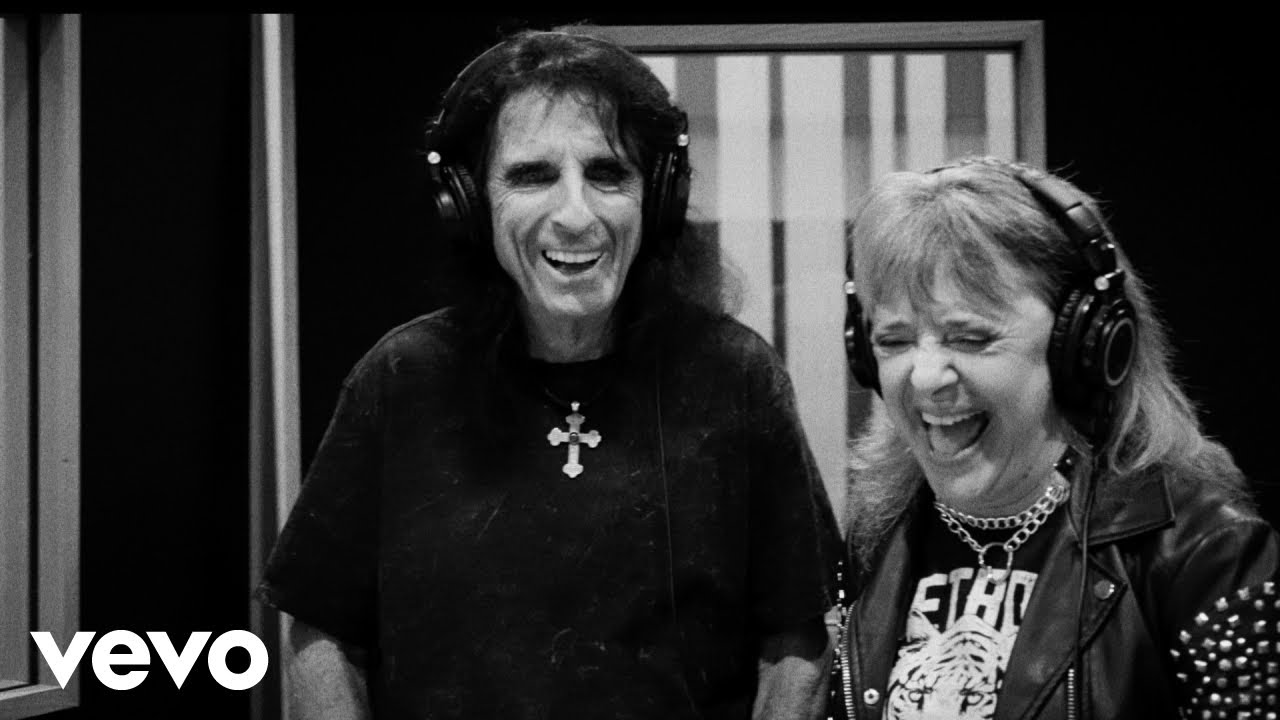
He finally said, “Mom, Kick Out the Jams. Call Alice!” Then I saw it, then I heard it, and it made perfect sense – two old buddies from Detroit, going back to Detroit to record live. It’s a tribute to a Detroit band, the MC5. We captured the spirit of Detroit, the spirit of the MC5, and our friendship. Richard was right.
Did you know MC5’s Wayne Kramer back in the day?
I knew all of them very well, though they were a little older than me. My brother used to book them for all his festivals. I interviewed Wayne for one of my BBC radio specials. He was an excellent guitarist. The MC5 were one of the best live bands ever.
How about Alice – when did you first meet him?
I was 15, he was 17, both in bands, which is how we met. We got along from the get-go and we’ve been able to keep our friendship alive and kicking all these years. He always calls me his little sister. We were and always will be close; I have a deep respect and love for the man.
I always say bass and drums are the most important instruments. You can’t drive a car without an engine, and we are the engine
When you pick up the bass guitar, what goes through your mind, and where do your sensibilities gravitate toward?
I read, write, and play percussion and classical piano – which is also a percussion instrument. I’m also a conga and bongo player. My style is a cross between stand-up bass, walking the changes, boogie and ‘60s Motown.
When I do the band intros, I always say that bass and drums are the two most important instruments in any band because you can’t drive a car without an engine, and we are the engine.

Do you have any limitations on bass? And on the flipside, what’s your greatest strength?
I don’t use a pick, but I don’t consider it a problem. Since I didn’t go from guitar to bass, I never learned how to pick. I’m a finger player through and through, hence the original standup bass sound.
I can also make my fingers sound like a picked bass if it’s required. I don’t do the modern style of slapping, which started with disco. I prefer the old-fashioned stand-up style. My greatest strength is – to quote one of my musicians – “Whatever you play is correct.” Amen to that!
The house is burning down. You can only grab one bass and one amp. Which are you going for and why?
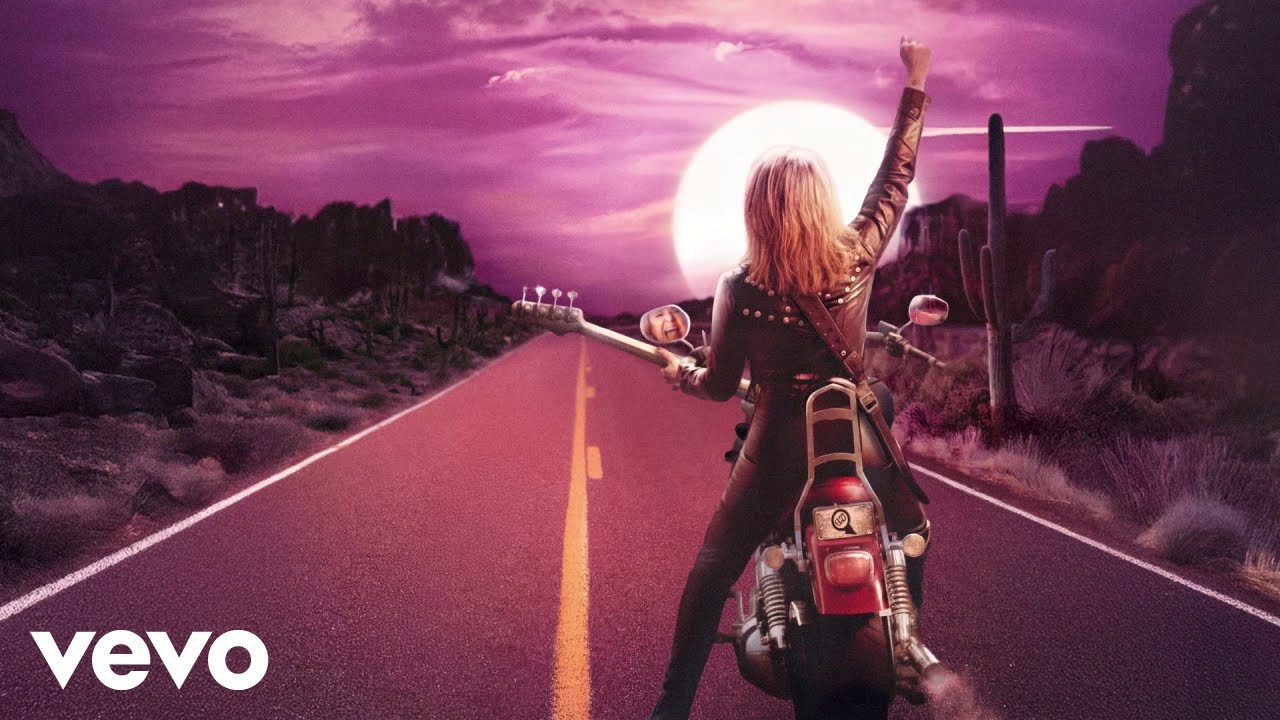
Oh my God! Has to be my original 1957 Fender Precision that my father gave to me when I began. And the amp; I guess my Orange practice amp, ‘cause I can use it anywhere.
Is that the gear you used on Freedom?
We stripped everything back in the studio for this album. I used some old equipment, including my original drummer Dave Neal’s drums. He played on every hit and passed away in 2021. I bought his kit, and it’s set up permanently in my home studio. It’s magic, and it feels like he’s still here.
Do you ever think about retirement?
I don’t see retirement yet. I’m at the top of my game performance-wise – why should I give that up? I have three famous quotes. The first I said at age 35: “I will retire when I go onstage, turn my back on the audience, shake my ass, and there’s silence.” At age 65 I said, “I will retire when I go onstage, turn my back on the audience, and my ass shakes by itself.”
Now, at age 75 – and this is my serious one – I say, “I will retire when I go onstage and I don’t deliver to my standard.”
- Freedom is on sale now.

