


Larry McCray released his debut album, Ambition, way back in 1990, heralding the arrival of a new force in modern blues guitar.
He not only had great songs – mixing elements of soul and funk with his powerhouse blues originals – but every one was packed with explosive guitar fills and solos that were mini masterclasses in intensity and phrasing.
McCray also possessed a fantastically expressive voice, one that was able to deliver everything from a whisper to a scream with complete conviction.
Drawing from the influence of the three Kings – Albert, Freddie and B.B. – with a little Albert Collins thrown in, McCray added his own unique mojo to the pot, utilizing a searing sustain and the kind of chops usually reserved for the shred arena.
Following a string of successful albums in the ’90s, it looked like McCray was set to become part of the blues establishment, but his career got waylaid by personal issues.
Enter Joe Bonamassa and Josh Smith in 2022, responding to a query from McCray. They worked with Larry to produce what was, effectively, his comeback album, Blues Without You, released in 2022 on Bonamassa’s KTBA label.

The overwhelmingly positive response the record received led to the release of Heartbreak City in 2025, which was only McCray’s 10th album in a 35-year career of “all killer, no filler” records.
This year should see McCray build on the success of recent years to rightfully claim his place as one of the most important names on the blues scene. He has tentative plans to record an album with his brothers, Steve on drums and Paul on bass.
”We started off as the McCray Brothers, so it would be full circle for me,” he says. McCray is also delighted to be taking his son, Bleau Otis of the Bleau Otis Band, on the road with him.
A lifelong guitar nerd, McCray was also excited to talk to Guitar World about why the following three (or so) guitars are the most important in his career.
Gibson Flying V (1967)

In the ’80s, I was playing in clubs, working for General Motors and playing a Strat. My first professional tour was in 1990 as part of Gary Moore’s Still Got the Blues tour, which kicked off in the U.K.
When I first arrived and saw his rig and heard the sounds he was getting from a humbucker compared to my single-coils, it really made me think. As soon as I got home, I started looking for something with humbuckers.
I had no experience of playing Les Pauls, etc., at that time. A lot of blues guys were playing ES-335s, but I wanted something different. I saw the caramel-colored Flying V reissue in the store and – bearing in mind that I was a huge Albert King fan – I decided to go for the V, which ended up being my favorite guitar. I paid less than $1,000 for it, which works out pretty cheap after all these years of constant use.

I loved the way you had such easy access to the upper register; you could get all the way up to the top of the neck. It had a real fast neck, a great sound and it was a little bit different. It definitely affected the way that I played, with having so much sustain from those pickups.
Gary was the first person I ever saw with a Soldano amp, so when I got home I got one of those as well
I very rarely modify any guitars, but for this one I had some double-wound humbuckers with a splitter fitted to give me even more options. I still take this guitar on the road. I play everything; I always say when I die someone else will be playing them anyway, so I might as well get as much time with them as I can while I’m still here.
Gary was the first person I ever saw with a Soldano amp, so when I got home I got one of those as well. On that first tour, Gary and I had a great rapport, and at the end of the tour he gave me a gold-finish Custom Shop ’57 Strat reissue with a special plate on the back that said “To Larry, from Gary.” I still have that guitar.
My first good guitar was a ’61 ES-330 that my brother-in-law, who worked at GM, bought from a co-worker. It got stolen, which really pained me because I loved that guitar, but I haven’t had too much bad luck on the road with guitars.
Gibson Les Paul 1959 Goldtop reissue

I reached a point by the 2000s when I was feeling a little unsure about my sound. I had a rethink about what worked best for me. I think my friendship with Warren Haynes around that time made me reassess the worth of a Les Paul.
I happened to run into Jimmy Archey, the customer-relations rep for Gibson, in New York City. I went to their offices and they gave me a fantastic Les Paul Custom ’58 reissue in white. It had a thick, baseball-bat neck. I’d been playing it and talking to them about how great it was, and they asked me if I wanted it. You can imagine how amazing that was.
Not only that, but they also gave me a black Blueshawk, which was another great guitar. They were the first guitars I ever got directly from a manufacturer; once I signed with Pointblank Records in the Nineties, all kinds of opportunities opened up.
Once I realized how much I liked the white ’58, a couple of years later I came across the ’59 goldtop, which was a little lighter. I was reaching the point where the weight of a regular Les Paul was becoming uncomfortable on stage, so I appreciated the difference.
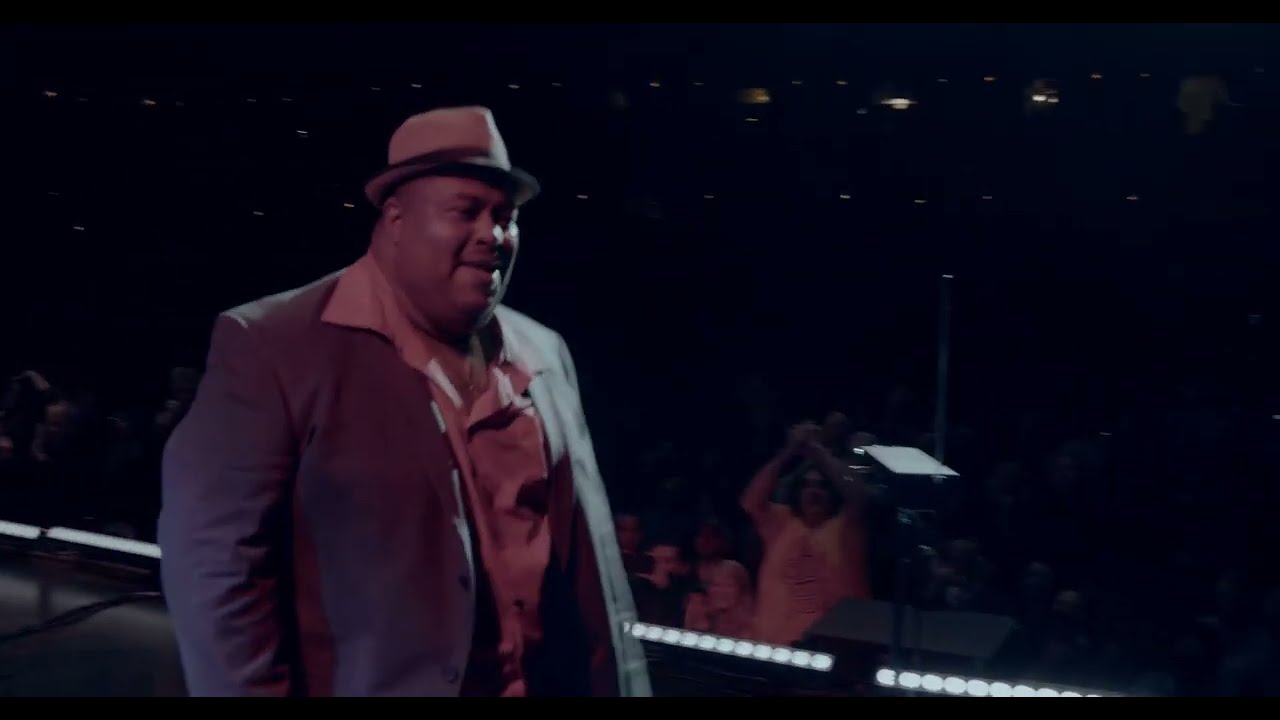
I was heavily favoring the goldtop once I got that. At that time, I was probably taking about eight guitars into the studio, including the Gary Moore Strat, the Blueshawk and a Gibson Nighthawk. I was also using a prototype 336 that I got from Gibson; I was the first artist to play that prototype, which I had for about a year.
One night I was playing at a place called Manny’s Car Wash in NYC, and Jimmy Archey asked me to bring the prototype to the show; they took it back and gave me one of the very first production models. That must have been one of the first they produced.
Heritage Artisan Aged 1215 Build H-150
Heritage Guitars is based where I live – in Michigan. This guitar is based on a Les Paul, but – very importantly for me – it’s chambered, which relieves a lot of the weight. I’m always hunting for lighter guitars, and it’s the guitar I’ve been playing the most since I got it.

This is a standard model that they produce that anyone can buy. The quality is amazing, but I’m also working with them on something with some custom specs. I’d always wanted to give Heritage a try but couldn’t seem to get around to it as they don’t have them in a lot of stores, so I went to their factory.
A friend put me in touch with Pete Farmer, master luthier at Heritage, and he invited me to come over and try something. He had picked what he thought would be the ideal guitar for me. As soon as he put it in my hands I said, “What do I need to do to get this guitar?” It feels like a vintage guitar; the finish is called Dirty Lemon Burst.
The pickups are their own custom shop humbuckers. I believe the body is made from ultra-light mahogany with the curly maple top, and the neck is rosewood. It’s finished in nitrocellulose, so it’s got the feel of a premium vintage guitar. I guess it’s going to be all over my next record; it’s a long way from my first guitar, which was a Silvertone 335-styled model.
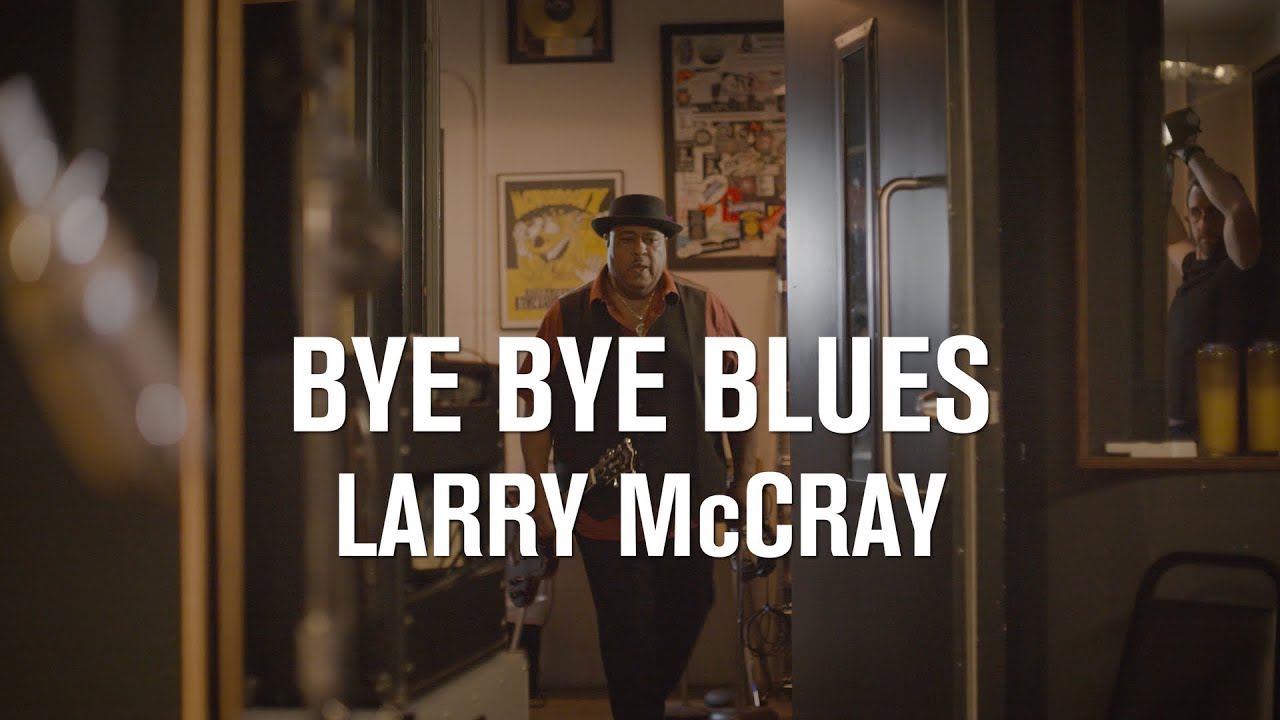
When I’m just sitting around bored at home, I reach for my 1960 Harmony H160. It belonged to my older brother, James, who passed away in 2019. As a tribute to him, I had it fixed; it sounds great and I use it all the time.
He drew – on the guitar – an image of a guy with dark glasses and an Afro smoking a cigarette, and he called it Daddy Kool, so when I’m sitting around, that’s what I reach for – Daddy Kool.

I should also mention the Guild Polara S-100 I played a lot on my last album. It’s got a unique mix of Gibson and Fender. I like it so much that I asked Guild about maybe doing some kind of signature model, but I’ve had no luck so far.
I think it’s hard for blues artists to get endorsement deals in the current market, but hey, if someone at Guild is reading this, give me a call! [Laughs].
- Heartbreak City is out now via KTBA.
- This article first appeared in Guitar World. Subscribe and save.

