


![Carlos Alomar shreds on a pink Superstrat [left]. Paul McCartney poses with a Goldtop.](https://cdn.mos.cms.futurecdn.net/vWJAGkGgeMbMB4YUpVDcR8-1920-80.jpg.webp)
You’d be hard-pressed to find a pop or rock guitarist who came of age in the ’60s who isn’t a fan of the Beatles. Carlos Alomar is no different. This is why, despite years spent working with James Brown, Chuck Berry, David Bowie, Brian Eno, Iggy Pop and Mick Jagger, Alomar was slack-jawed at the chance to work with Paul McCartney on his 1986 record, Press to Play.
“It was truly a wish-come-true moment,” Alomar says. “I’m not sure why Paul liked my playing, but maybe my success with David Bowie, Iggy Pop, John Lennon, Mick Jagger, Duran Duran and others might have tickled his curiosity.”
This seems a good time to remind you that, in 1976, Alomar actually co-wrote a song – Fame from Bowie’s Young Americans – with Lennon, putting him in rare company with McCartney. And yes, Alomar also shares that co-write with Bowie.
Regardless of how or why it happened, Alomar lent his unique brand of rhythm playing (and a bit of lead) to McCartney tracks like Press, Pretty Little Head, Stranglehold and Only Love Remains, all of which turned 40 years old this year.
“The fact that I was included with such notable musicians who have played with Paul was awesome in itself,” Alomar says. “Paul was gracious enough to allow me to always complete my musical ideas, and then he’d simply say, ‘Great! Let’s try another song.’ Many of my tracks were first takes.”
While he and McCartney got on well during the Press to Play sessions, they haven’t seen one another since. “I departed the same way I arrived,” Alomar says. “Happy and knowing I had just served Sir Paul McCartney. Paul, in turn, met a Puerto Rican Buddhist rocker who satisfied his curiosity and gave him stories to remember!”
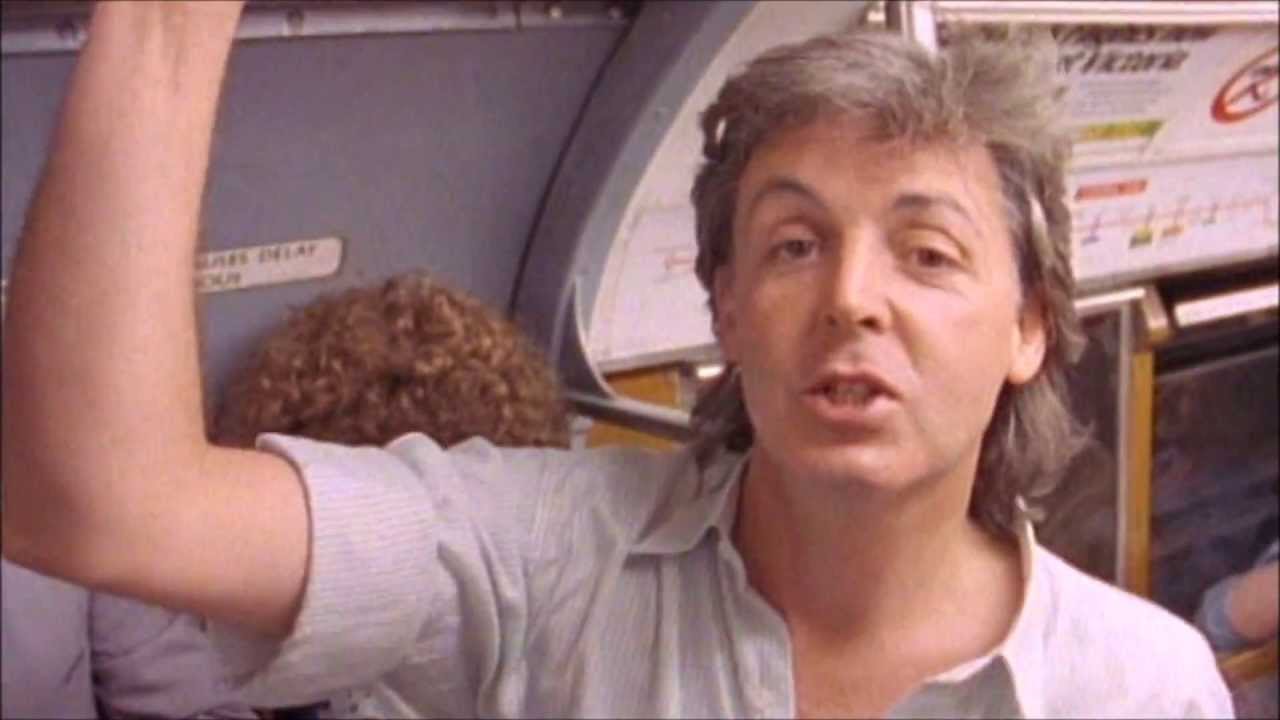
What led to your being called to play on Press to Play?
Like most musicians, it always starts with a call to action. I got a call from producer Hugh Padgham, whom I’d met when he produced David Bowie’s Tonight [1984]. He was now producing Paul and wanted to know my availability.
Paul had laid down some guitar parts, but Hugh felt that a “finishing” session with me would complete the tracks. At first, the answer from Paul was, “No.” But a little later, I received a call confirming that, on second thought, Paul thought it was a good idea. So off I went to meet my second Beatle.
What was it like meeting Paul?
It was unreal to meet another Beatle. [Laughs] I’d already worked with John and Yoko, and my wife, vocalist Robin Clark, worked on Ringo Starr’s 1977 album, Ringo the 4th. So – to us – George Harrison was the only missing member.
Paul is known to be pretty chill. What was he like?
He was the most regular guy I’d ever met. Almost a farmer, the kind of guy that frequents the local pub, no pretense whatsoever… a lovely chap. And I was in a friendly “home” environment as well. His wife, Linda, was there; his daughters, they were all there! But here’s my real first impression.
When I arrived, Paul invited me up to his study. There, a comfortable high‑back velvety chair invited me into its warm embrace. We talked. Paul was super-intrigued by my stories about being on the R&B chitlin’ circuit tours. We talked about Bowie, James Brown, the Apollo Theater and Harlem. Quite honestly, my curiosity as a Buddhist prompted me to ask about the Beatles and the Maharishi Mahesh Yogi. That time in their career had always intrigued me.
While listening, Paul turned his back to me slightly to get something. What emerged was a perfectly rolled Jamaican “carrot” ganja joint. [Laugh] We talked and talked, and time stood still. Finally, I said, “Maybe I should listen to some of the tracks before it gets too late – or we get too wasted.” That’s when we headed down to his Hogg Hill Mill studio [in East Sussex, England].
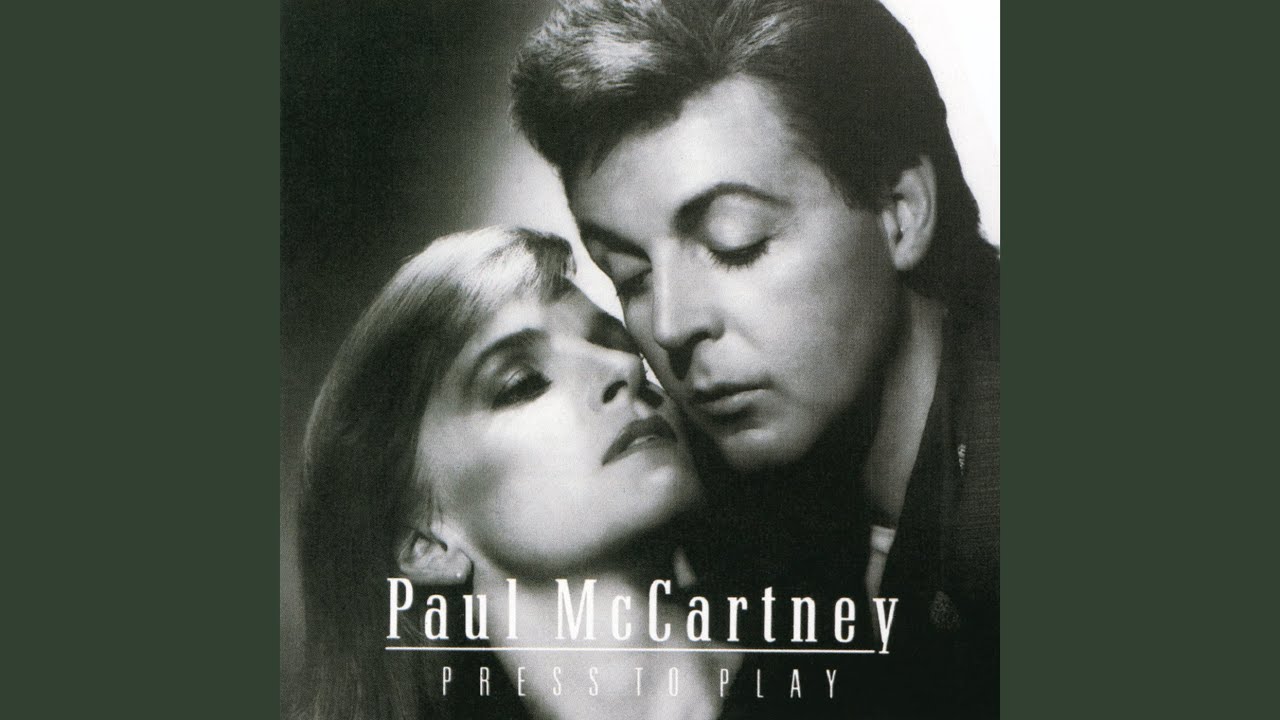
What was Hogg Hill Mill like, and what gear did you bring in?
I brought my favorite Strat, thinking it might be stylish enough to create whatever I’d need. And yes, maybe I’d get an offer to try one from the studio. But it wasn’t really a plan… more like a wish. [Laughs] But since you asked, I’ll tell you this. While maneuvering the corridors to his studio, we came across an enclosed glass studio room.
My gait stalled while the vision of what lay within froze me instantly. I felt a slight lip-drool. I might have slobbered a little as I stood in front of all this vintage Beatles gear. I’m talking about his Hofner basses, Vox amps, Mellotrons and a Beatles-logo drum kit.
There was so much gear that it was impossible to take it all in. It was too much for any musician to endure for too long, so I followed them down the hall, promising myself the luxury of returning to this sacred crypt once again.
Paul and Hugh Padgham produced Press to Play. How did they impact your guitar playing?
Hugh is one of my favorite engineers. He mixes while we’re listening. That’s really cool. So when I play anything, it already sounds like it’s mixed into the record. And he records everything, regardless of what you think. This methodology helps capture great bits of music when you least expect it.
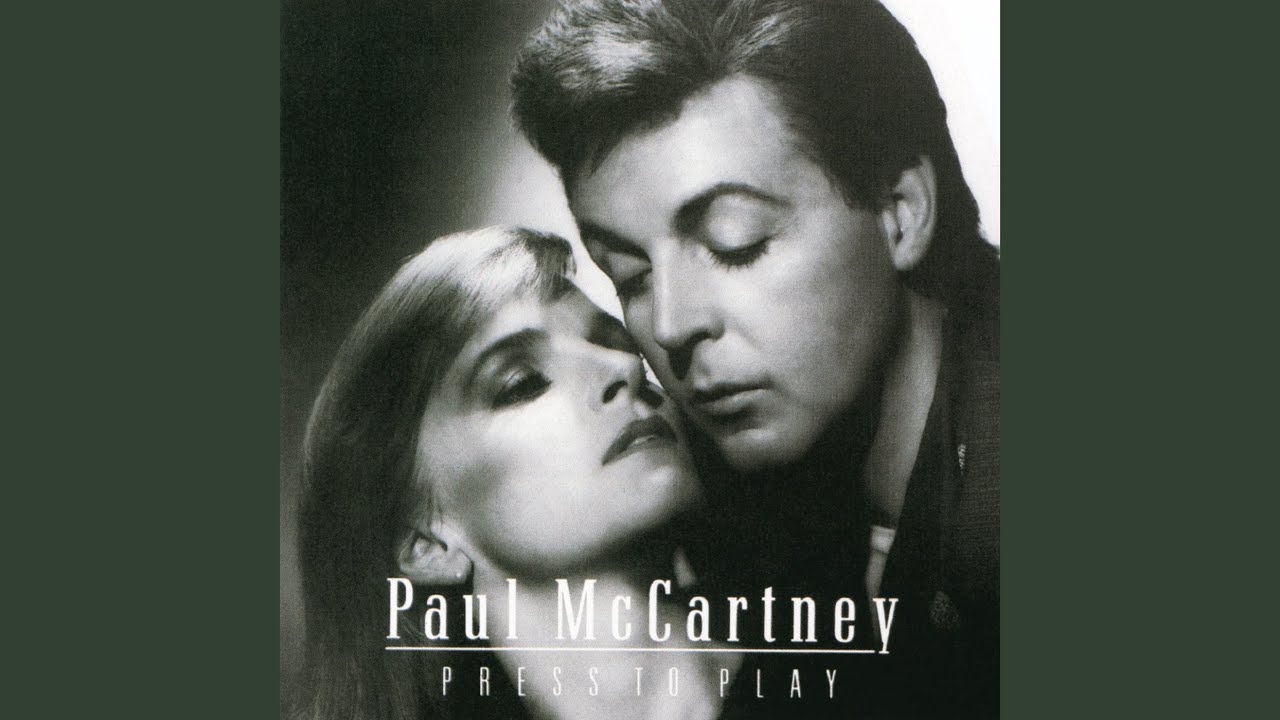
What do you remember about putting together Press and Pretty Little Head?
We finally got to the studio, and Hugh started playing tracks for me. First song, I said, “Nah! That sounds finished. Next...” And another, I said, “That one’s cool… “Nice guitar work…” Finally, they played Press. When I listen to the tracks, I try to hear this other [hypothetical] guitar player, not me, playing something, you know?
I kinda hear it, and then I think, “Damn! Can I play that? So I look over at Hugh and tell him that I hear this digital delay effect on my guitar, and we started setting the timing.
Little did I know, he was recording everything. It appears as the intro to the song before the count-in, which was brilliant. After that, I just used classic call-and-response for the rest of the song. And then it happened – the moment every guitar player wants to hear: “Would you like to take a solo?” I was in heaven. Somebody pinch me! [Laughs] Incidentally, we used the same digital delay effect on Pretty Little Head in the Ursa Major section of the song.
What are your memories of recording Stranglehold and Only Love Remains?
Not much, because there are some songs that you have to lay in the cut, you know? Like, no signature guitar lines, just accompaniment and tone. For example, when you have a string section playing syncopated stabs and other rhythmic parts, it’s best to just play a little acoustic for color. For horns, it’s best to follow or get out of the way. Sometimes less is more; don’t disturb the groove.
Pete Townshend played on Angry. Were you in the studio with him?
No. Regrettably, sometimes we are called upon to do overdubs and not the basic rhythm tracks. To that end, I’ve not met many iconic guitarists that I’ve shared credits with. I guess the wish list continues.
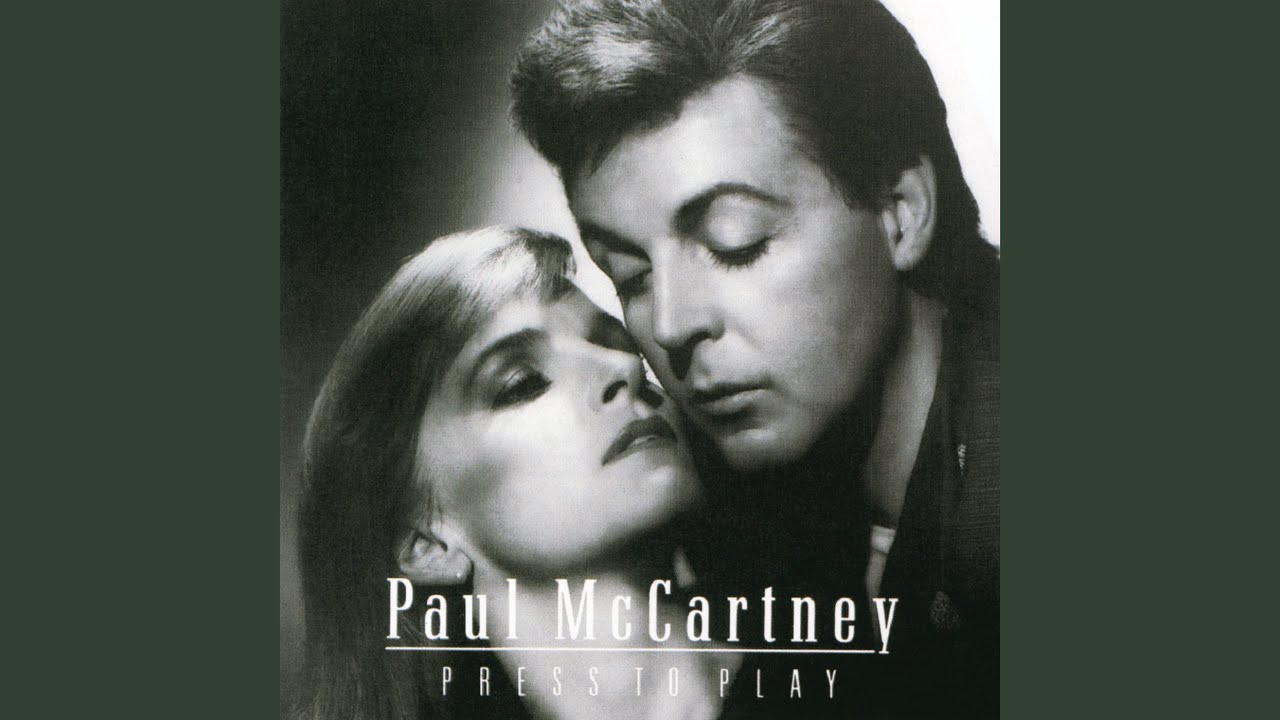
The first time you heard Press to Play, what were your thoughts?
I loved it – especially the intro to Press. And I liked that it was the album’s sort-of title track. Wish-list – check! Also, remember that the final vocals, some of those spoken voices and other tidbits weren’t there when I laid down my tracks. I heard it all for the first time just like everyone else. I love being a fan.
40 years later, what does Press to Play mean to you?
It was a pleasure working with Hugh Padgham again, and we’re still connected. As for Paul, he and I had a large time. We raised our glasses high, visited Jamaica on the down-low, flew kites on the hilltop and broke bread together as family. Who could ask for more? Although we haven’t spoken since, I can always visit him in the inner chambers of my heart.
- This article first appeared in Guitar World. Subscribe and save.

