


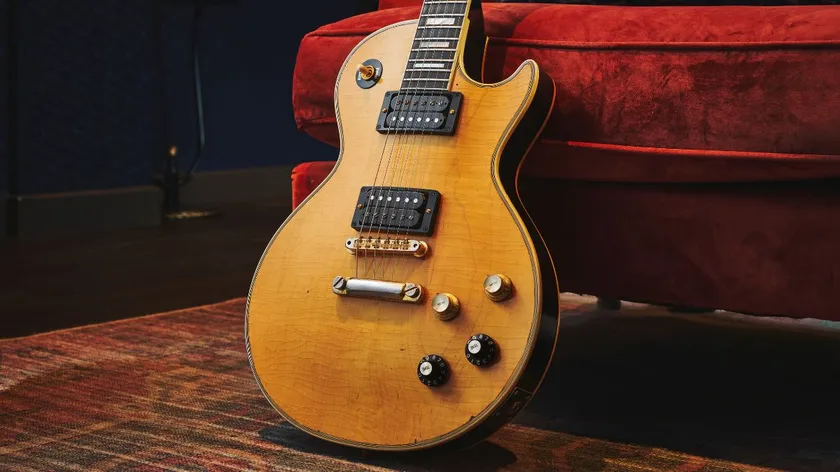


Alabama has lost one of its most talented guitar players as Wayne Perkins, the legendary Swamper who played with the Rolling Stones, Joni Mitchell, Bob Marley, and more, has died, aged 74.
His death was confirmed on Facebook by his brother, Dale, who played with his brother in Alabama Power, and said there was no one quite like him.
“For those who haven’t heard, Wayne passed away yesterday peacefully,” wrote Dale. “Our sisters and family members were there with him. We appreciate all the kind thoughts and memories. He was one of a kind and we loved him very much, and thank you all.”
Perkins was a giant of southern rock guitar. He started gigging at 15, quit school a year later, and soon found himself making his bones in Muscle Shoals, working as a session player in Quin Ivy’s studio.
One thing led to another. He spent nine months getting acquainted with the business before the money ran out, and Ivy suggested he tried his luck at Muscle Shoals Sound Studio. He had some, working with David Porter and the Soul Children, Dave Crawford, Brad Shapiro, and Dee Dee Warwick. He played on Lynyrd Skynyrd's demos.
The late ‘60s was a time for experimenting with the guitar. Perkins was no different. He recalled digging into his tool box to find something to play slide with. He credits Duane Allman for introducing him to the Coricidin pill bottle.
“He was recording with a band called the Hour Glass, before the Allman Brothers, I went over to show him my slide piece. I had a deep well socket, a 9/16” craftsman tool bit, a socket,” said Perkins, speaking to MoJo Road Media Creations Producer Glynn Wilson. “So I went over to show it to him – and this is a really cool thing – he went, ‘Isn’t that a little heavy or something?’”
“He said, ‘Look, try this out!’ And I said, ‘Oh, this is kinda loose,’ but the thickness of the glass made the string hum a little better.’ He let me try that thing. He said, ‘Get yourself to the drugstore, get yourself a Coricidin bottle, pour all the pills out, take the label off. That’s your slide piece.’ That was what he used.”

Perkins was just getting started, acquainting himself with the greats. He would consider then ultimately reject an offer to join Lynyrd Skynyrd. He joined up with Steve and Tim Smith for Smith, Perkins & Smith, a four-piece with another Muscle Shoal alumnus, Roger Hawkins, on the drums, and Island Records snapped them up.
Their eponymous 1972 debut would be overshadowed – at least in the remorseless shuffle of musical history – by Perkins’ collaboration with Bob Marley. But this was a great time for the band, who supported Free and Uriah Heep, and played at the Cavern in Liverpool.
At Island boss Chris Blackwell’s request, Perkins played on Concrete Jungle, Baby We've Got a Date (Rock It Baby), and Stir it Up from the Wailers’ Island Records debut, Catch a Fire. Blackwell’s instincts were good; Concrete Jungle was a breakout moment for Marley.
I didn't know any of these guys. And the first thing I noticed when I walked downstairs was that the basement was in a fog. Lots of smoke
Perkins on working with Bob Marley and the Wailers
Not a bad thing to have on your resumé. He was 21 years old.
“He wanted me to ‘do that Southern rock guitar thing, or whatever you do.’ So I met Marley, but just briefly,” recalled Perkins, speaking to Black and White’s Ed Reynolds in 2009. “I didn't know any of these guys. And the first thing I noticed when I walked downstairs was that the basement was in a fog. Lots of [marijuana] smoke. It was too funny. I tried to get down to business.”
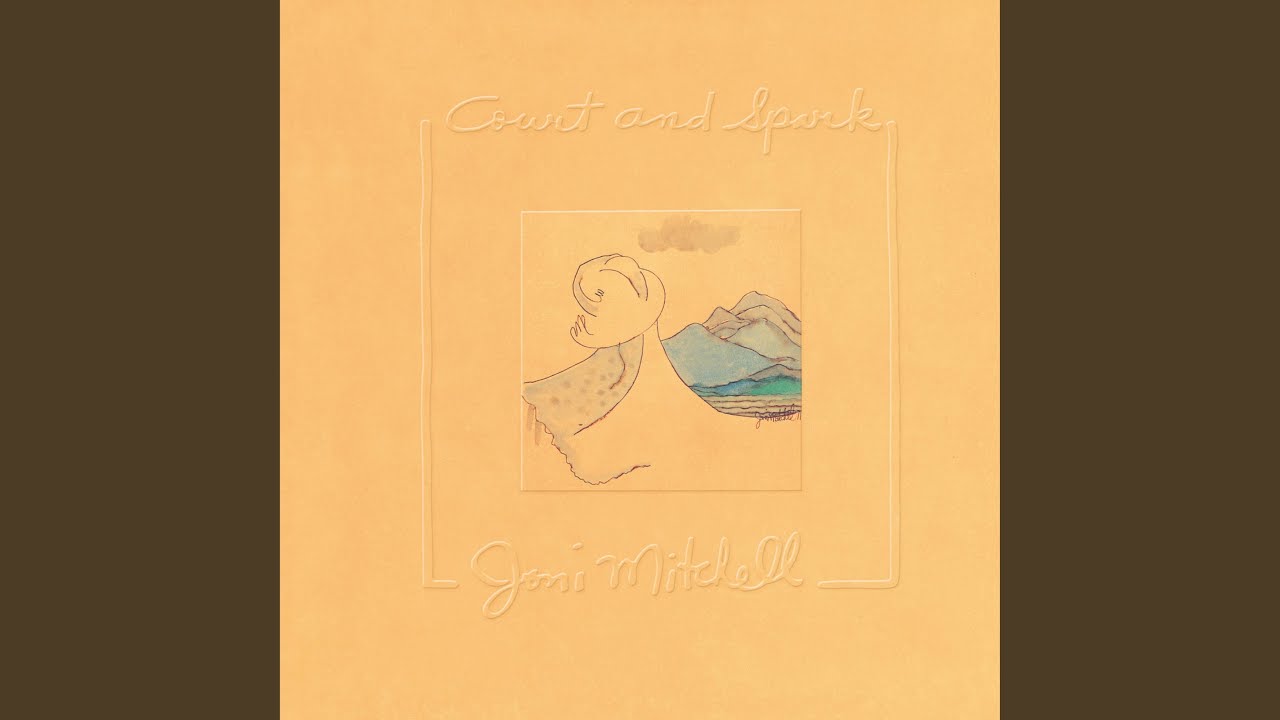
Next up for Perkins was Joni Mitchell – whom he dated for a while. Perkins played on her 1974 masterpiece Court and Spark, using James Burton’s pink Paisley Telecaster for the session. Tom Scott of the LA Express was putting some overdubs on Car on a Hill and Mitchell asked if he had any ideas. He did. But he didn’t have a guitar with him; his gear was with Leon Russell.
“We got her band's equipment but the guitar wouldn't stay in tune on the bottom three strings, so I told her this wasn't going to work like I wanted it to,” Perkins told Black and White. “I pointed to this huge anvil guitar case in the studio that had ‘James Burton’ written on the side of it. It’s 3 a.m. Joni was hesitant to mess with it. But I flipped the case open and there was that pink paisley Telecaster.
“I told her, ‘Here's what we're gonna do, we’re gonna do some city sounds like you want.’ So I took Burton’s Telecaster and I overdubbed the slide parts on Car on a Hill on James Burton's guitar. When I put the guitar back in the case, I folded the damn strap different than the way I found it, so he’d know somebody had messed with it [laughs].”
What did we say about Catch a Fire being a good thing to have on your resumé? It led to arguably Perkins' greatest collaboration, working with the Rolling Stones. He nearly got the gig to replace Mick Taylor. Leon Russell and Eric Clapton had vouched for him. Keith Richards loved reggae.
Ronnie Wood would pip him at the last, but not before sufficiently impressing the Stones that they would invite him into the studio as a session player on Black and Blue.

Hand of Fate just came together, right there in the studio. Perkins couldn’t believe what was happening.
“The whole thing sounded real rough, too. It kinda just sucked,” he said. “It was like the worst garage band I'd ever heard in my life. Then the engineer turned on the red light and it’s like somebody reached out with a magic wand and went, ‘Bing!’ And all of a sudden, it’s the Stones! Damnedest thing I’ve ever seen.”
Those sessions found Perkins playing lead on Hand of Stone, Memory Motel, and Fool to Cry. Worried About You was recorded then, too, but was only released on 1981’s Tattoo You.
Missing out on the Stones gig didn’t seem to bother him unduly. He went onto Alabama Power, played bass guitar with Lonnie Mack, recorded soundtrack work for Karate Kid II and the 1986 Rodney Dangerfield vehicle Back to School, and pursued a solo career before retiring in ill health in the 2000s after being diagnosed with brain tumors.

