


Rock history is littered with the guitarists who left before their bands exploded. Mick Abrahams – who died on 19 December aged 82, following years of ill health – was only with British prog giants Jethro Tull for 1968’s debut, This Was.
Yet his lyrical blues playing left a vital mark, while the guitarist escaped footnote status by immediately founding a second notable outfit, Blodwyn Pig, whose powerful, roots-melding albums twice visited the UK’s Top 10 at the turn of that decade.
Michael Timothy Abrahams was born on 7 April 1943 in Luton, Bedfordshire, and it was there that he fell into band life with McGregor’s Engine, before joining frontman Ian Anderson, bassist Glenn Cornick and drummer Clive Bunker as the nucleus of the future Tull.
Signing to Island, his playing was the driving force on their first material, from the folksy trill of Love Story to My Sunday Feeling’s tempo-shifting pentatonic riffs. “Someone played a guitar solo to me the other day and I liked it,” he reflected in 2016. “I asked where he got it from and he said, ‘It’s you!’ It was the solo from Love Story.”
Abrahams’ showcase on Cat’s Squirrel – a twisty instrumental worthy of mention in the same reverential breath as Clapton’s Hide Away – was a highlight of both the album and Tull’s early shows. While dazzling, it underlined the growing taste divide between the guitarist and his frontman.
“I wanted to embrace broader musical influences,” wrote Anderson, “while Mick – died-in-the-wool rocker and blues man – wanted to stay with the more traditional style of our first album.”
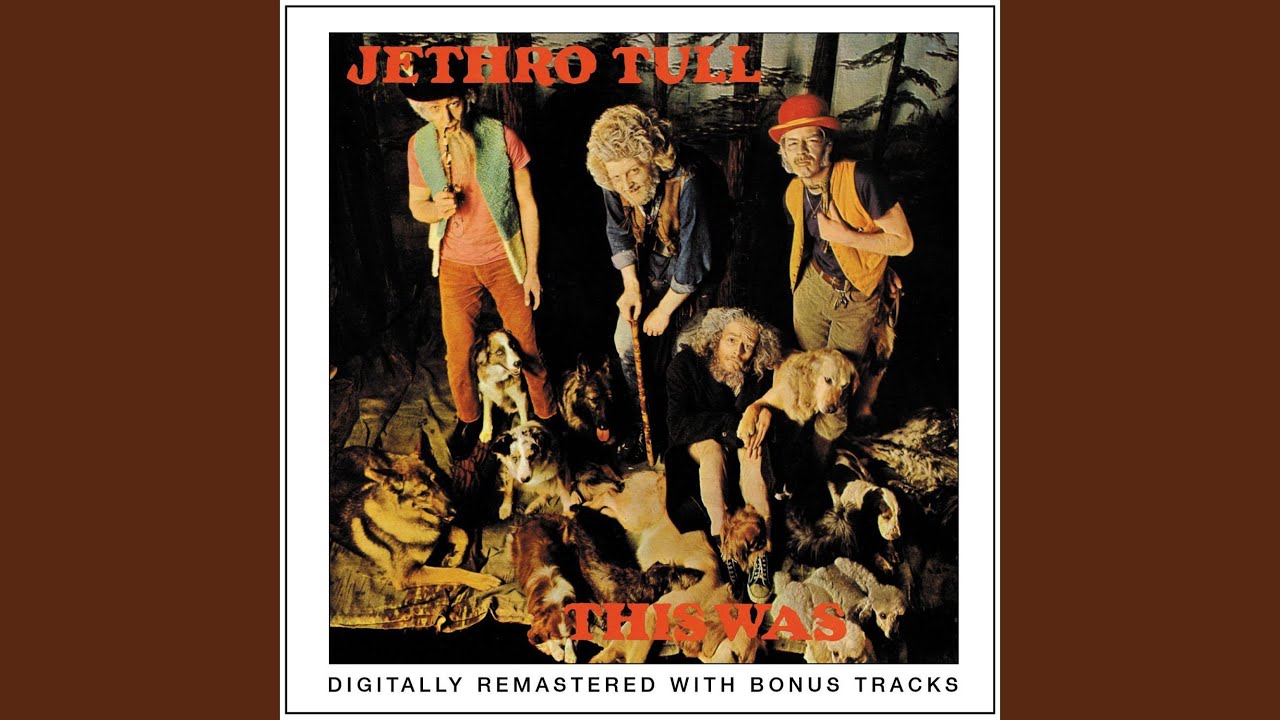
Matters came to a head (“How can you fire me when I quit three weeks ago?” Abrahams raged at Tull management). But the guitarist already had other plans, fronting Blodwyn Pig for a brace of hit albums – 1969’s Ahead Rings Out and 1970’s Getting To This – that finally scratched his itch for blues spiced with roots.
I watched a DVD recently of me on stage with Blodwyn Pig. I found myself saying, ‘Blimey, that guy can play a bit!’
The line-up took pride in rocket-fuelling these songs live at seminal happenings such as 1969’s Bath Festival Of Blues and the Isle Of Wight Festival. “We could hold our own with any company,” Abrahams told Prog’s Malcolm Dome in 2018. “It didn’t bother us if we were put on the bill with Crimson or Zeppelin. Nothing changed for us, and nothing phased us.”
Blodwyn Pig’s potential seemed dizzying – until Abrahams once again lost control. Saxophonist/flautist Jack Lancaster had vindicated his more orchestral vision with the chart success of Getting To This, and one morning in September 1970, the guitarist called up bassist Andy Pyle to discover his services wouldn’t be required for the upcoming US tour.
Abrahams was surprisingly philosophical about being ousted from his own band: “I couldn’t be bothered to get into a legal fight with them over it, and it soon fell apart anyway.”
But while he took a stab at a solo career, periodically revived the Pig and was namechecked by everyone from Aerosmith to the Ramones (early favourite Dear Jill even featured in Cameron Crowe’s Almost Famous), the guitarist never seemed at ease with the dance it took to remain at rock ’n’ roll’s top table.

Scared of flying, wary of the business and only active in fits and starts, he was arguably just as good as any of Britain’s ’60s class, but never gained the same notice and gradually retreated from view. The chances of Abrahams adding to his own legend were nixed by two simultaneous heart attacks and a stroke in November 2009.
“I watched a DVD recently of me on stage with Blodwyn Pig,” he told interviewer Malcolm Dome. “I found myself saying, ‘Blimey, that guy can play a bit!’ Because it seemed as if I was watching a different person. These days, I can join in a bit on guitar with others but nowhere near the level I was once able to achieve. That upsets me.”
For connoisseurs of British blues-rock’s golden age, Mick Abrahams made an important contribution and will be sorely missed. “I’d like to be remembered for making good, honest music,” he once said, “without any prejudice.”
- This article first appeared in Guitarist. Subscribe and save.

