

By his own admission, Mike Vernon was no more than a competent guitarist (“I didn’t play anything particularly well”). And while his eponymous Mighty Combo of later years certainly lived up to the billing, it could only ever be an addendum to Vernon’s wider contribution to the British blues scene and, in particular, his showcasing of the great players during the ’60s boom.
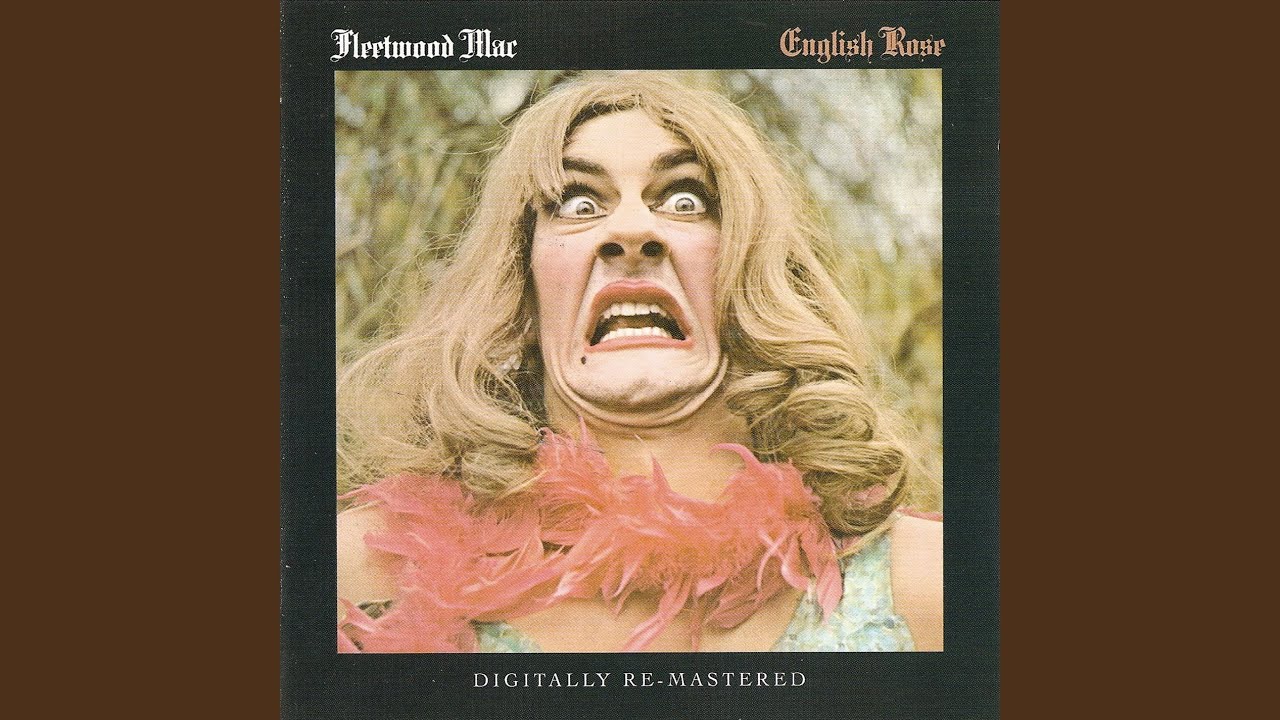
As producer of Blues Breakers With Eric Clapton, and such Peter Green-era Fleetwood Mac masterpieces as Albatross and Black Magic Woman – among countless others – there’s an argument that nobody ever caught better electric guitar tone in the bottle.
Born in November 1944, Vernon’s youth echoes many of that era’s rock galacticos: a childhood in Surrey, an early shift in the school choir, the epiphany of imported American rhythm and blues, then a shift to the big city with his studies at Croydon Art College.
It was here that Vernon began following the bands of homegrown movers ’n’ shakers Alexis Korner and Cyril Davies – and soon the younger man proved equally influential, co-founding the tastemaker fanzine R&B Monthly with his brother Richard, widely read across the London scene.
After blanket-bombing the capital’s record labels with job applications – and landing an A&R assistant post at Decca in 1962 – Vernon pitched himself as producer for John Mayall’s so-called ‘Beano’ album of 1966.
The material and personnel were solid gold, with the wily bandleader recruiting the unfeasibly talented former Yardbird Eric Clapton and setting him loose on standards like Freddie King’s Hide Away and Memphis Slim’s Steppin’ Out. But a vital element, too, was Vernon’s production, which caught all the fit-to-burst intensity of Clapton’s Les Paul and Marshall combo.
“Nobody had ever made that kind of noise on record before,” he told this writer. “It was such a huge noise. Eric put the cornerstone down. There it was. Y’know, ‘That’s how it’s supposed to be.’ And everyone just followed him.”
When ‘Beano’ unexpectedly hit UK No 6, making a star of Clapton, Vernon’s career was off to the races, too. And as the Bluesbreakers line-up evolved – with first Peter Green, then Mick Taylor, taking the spot of the Cream-bound Clapton – the producer showed a sharp ear for the sonic landscape each player needed to shine.
Alongside his own hugely respected Blue Horizon record label – co-founded in 1965 with Neil Slaven – Vernon was drafted to work on Green’s post-Bluesbreakers project, Fleetwood Mac.
“I barely knew Peter when I made the Bluesbreakers’ A Hard Road album. He wasn’t as assertive during the course of that album as he became once he had his own band. Peter, of course, was outrageous, just the most wonderful player. He was special. There’s no doubt about that.”

Vernon went on to produce British stalwarts like Savoy Brown, Ten Years After and Chicken Shack, while Blue Horizon gave a valuable platform to such seminal-but-fading US blues titans as Otis Spann, Bukka White and Lightnin’ Slim.
“In those days, Freddie King never really made the same sound in the studio as he did live,” he remembered. “So when I had the opportunity of working with him, we made sure the sound got bigger.”
I was rather glad it was over. It just didn’t do anything for me. I just wanted to get to my next blues session
Even after moving to Spain in the post-millennium, Vernon could occasionally be tempted back into the fray when he recognised a stellar talent, manning the desk for Oli Brown’s Heads I Win Tails You Lose (2010), Dani’s Wilde’s Shine (2011) and Laurence Jones’s Take Me High (2016). “Everyone does the copy-and-paste thing now,” said the latter. “But I don’t think anyone else can make an old-school record.”
Looking back in an interview that same year, the only job Vernon squirmed over was the 1967 debut by a then-unknown David Bowie. “I hate talking about it and, to be really truthful, when it was all done and dusted, I was rather glad it was over. It just didn’t do anything for me. I just wanted to get to my next blues session.”
Mike Vernon was a joy to interview – friendly, funny and wearing his fathoms-deep knowledge lightly. But make no mistake: this was one of the chief architects of perhaps the most compelling British guitar movement in history, and it simply wouldn’t have sounded as urgent or exciting without him.
- This article first appeared in Guitarist. Subscribe and save.

