


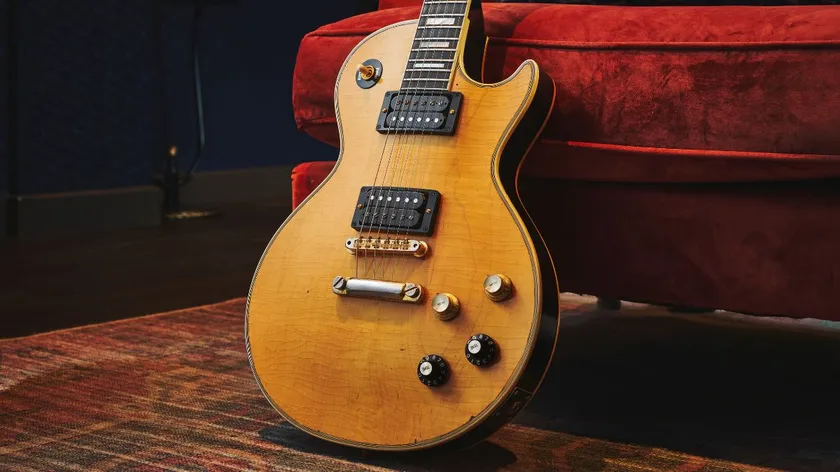


There is no shortage of advice online about buying guitars, but what about selling them? Sometimes, thinning out the herd is the hardest thing to do, and we’re not talking about sentiment here – we’re talking about how difficult it is to actually get the price you want for it.
How can we get the most out of a sale? Well, Guitarist reached out to Cyril Nigg, Data Science Leader at Reverb, to see if he had any insights. And he does.
“On the photo side, taking a wide range of pictures is helpful,” he says. “You want to get all the angles – a full length, a close-up… making sure you capture any details, especially dings or imperfections.”
The boom in YouTubing, Instagramming, and social media content creation at large might make it seem like everyone must have a pro lighting setup kicking around at home. But let’s face it. Most of us don’t. No matter, says Nigg. Just let the sun in.
“Photographing it in natural light will also help a lot,” he says. “Nowadays, you don’t need fancy equipment, you can just use your phone – most smartphones take beautiful pictures. It’s about putting yourself in the buyer’s place – what would you want to see on the guitar? Try to take those pictures.”
But here’s where it gets really interesting, and this chimes with what über-collector and blues guitar superstar Joe Bonamassa says: he’ll buy a guitar because of the story behind it.
So put yourself in JoBo’s high-gloss polished derbies. What kind of story can you tell? Did you acquire it after a night of gambling in the backroom of a Chicago dive bar? Was it like Bonamassa’s 1941 Martin 000-45, where the previous owner sold it and managed to save her house?

Well, firstly, Nigg argues that full disclosure is the way to go, thereafter tell its story.
“With the descriptions, try to be thorough. Disclose anything that might be a blemish, quirk or defect,” explains Nigg. “But it can also be good to have fun with the description and tell a little bit of the backstory. I think there are times when that can be part of the attraction of buying a used instrument.”
When you know the story, there’s something a little sweeter about that versus just buying it and you don’t know anything about the guitar.
Nigg speaks from experience. He's got a sweet vintage Martin guitar back home with a real sweet story behind it.
“I bought a ’64 00-18 Martin six months ago and the story behind the guitar was really nice,” he says. “It was from a seller in Pennsylvania and she got it as a gift from her mom when she was in high school, after seeing Joan Baez.
“She put it under her bed and didn’t play it for 60 years. And when I got it, it still had the original strings on it, which, when you know the story, there’s something a little sweeter about that versus just buying it and you don’t know anything about the guitar.”
You can read Nigg’s advice in full in the latest issue of Guitarist, which you can pick up at Magazines Direct – and you’ll save a ton by subscribing.

