


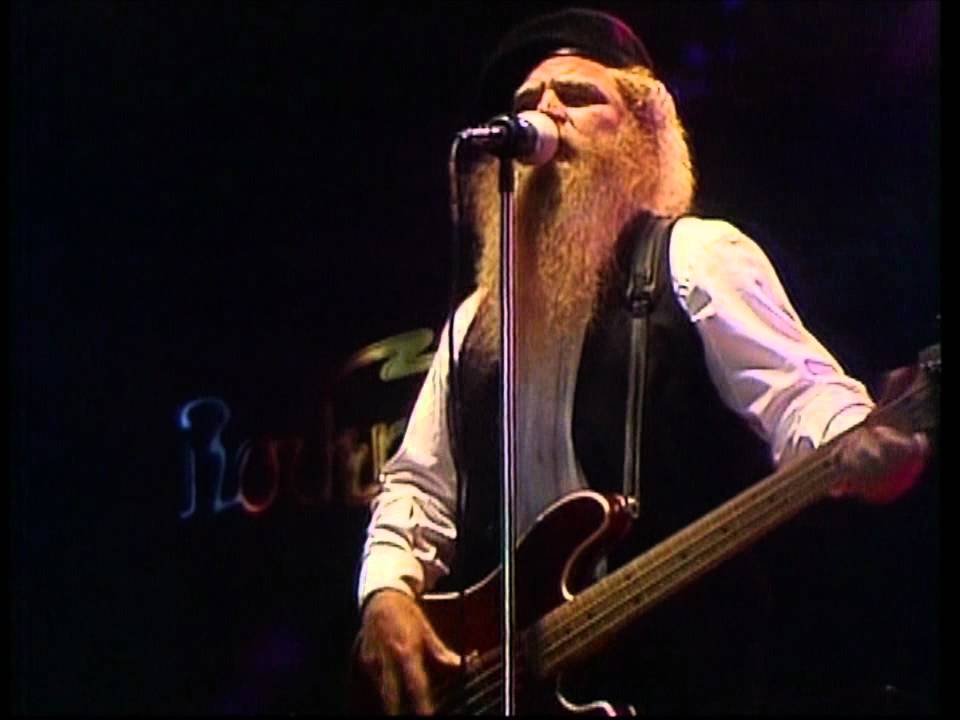
![ZZ Top's Dusty Hill [left] and Billy Gibbons get their work clothes on as they perform live in 1981.](https://cdn.mos.cms.futurecdn.net/bUMsKABz6njZ3udwswAzpg-1920-80.jpg.webp)
In the mid-’80s, ZZ Top went from being a group of Texas-bred blues bangers to a chart-topping powerhouse on the strength of albums like 1983’s Eliminator and 1985’s Afterburner. But neither of those now-classic albums could’ve happened without the “bridge album” that preceded them, 1981’s El Loco.
“The band, in the midst of the ongoing roadshows, returned to take advantage of some rare, non-performing days with re-entry into the studio in the early ’80s,” says ZZ Top guitarist Billy Gibbons (via email) when looking back on this tweener period. He adds that the band’s aim was simple: “To make loud noise in Las Vegas, Memphis, Houston and back home in Los Angeles.”
Songs like Pearl Necklace, Tube Snake Bookie and Groovy Little Hippie Pad did a fine job of reflecting ZZ Top’s past. More importantly, they showed signs of what they’d eventually do so well on later hits like Sharp Dressed Man, Legs and Gimme All Your Lovin’.
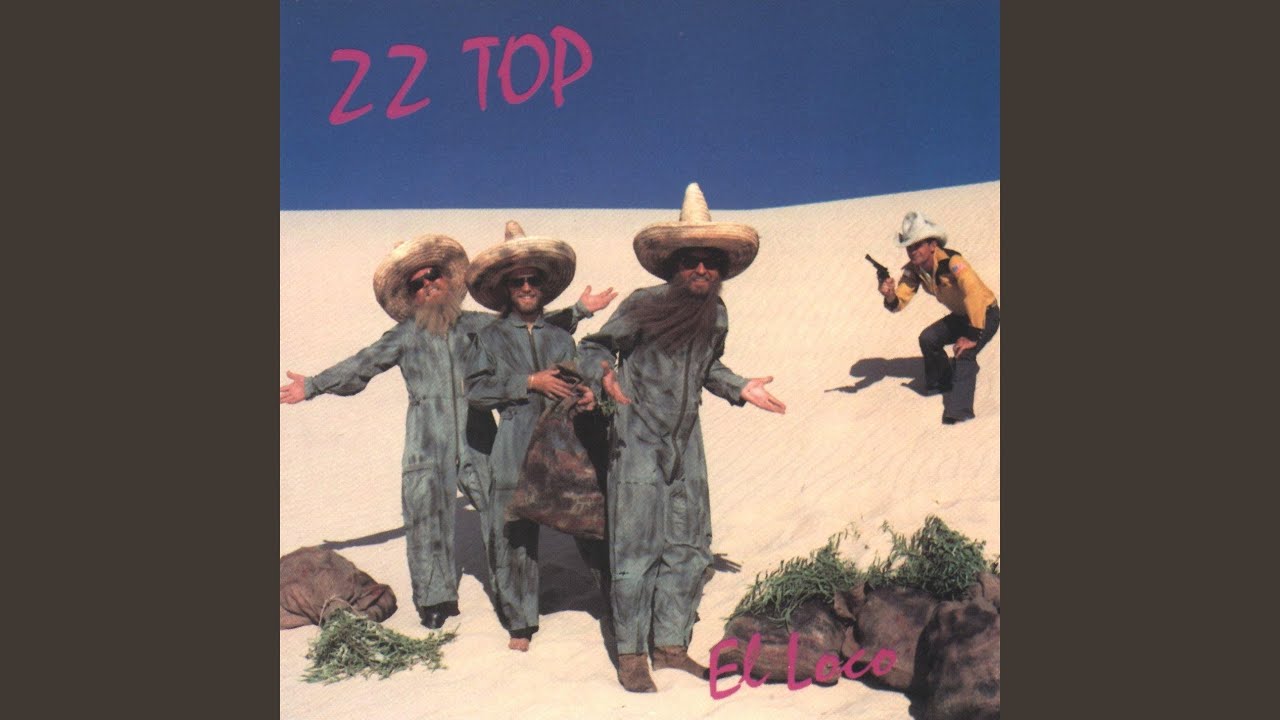
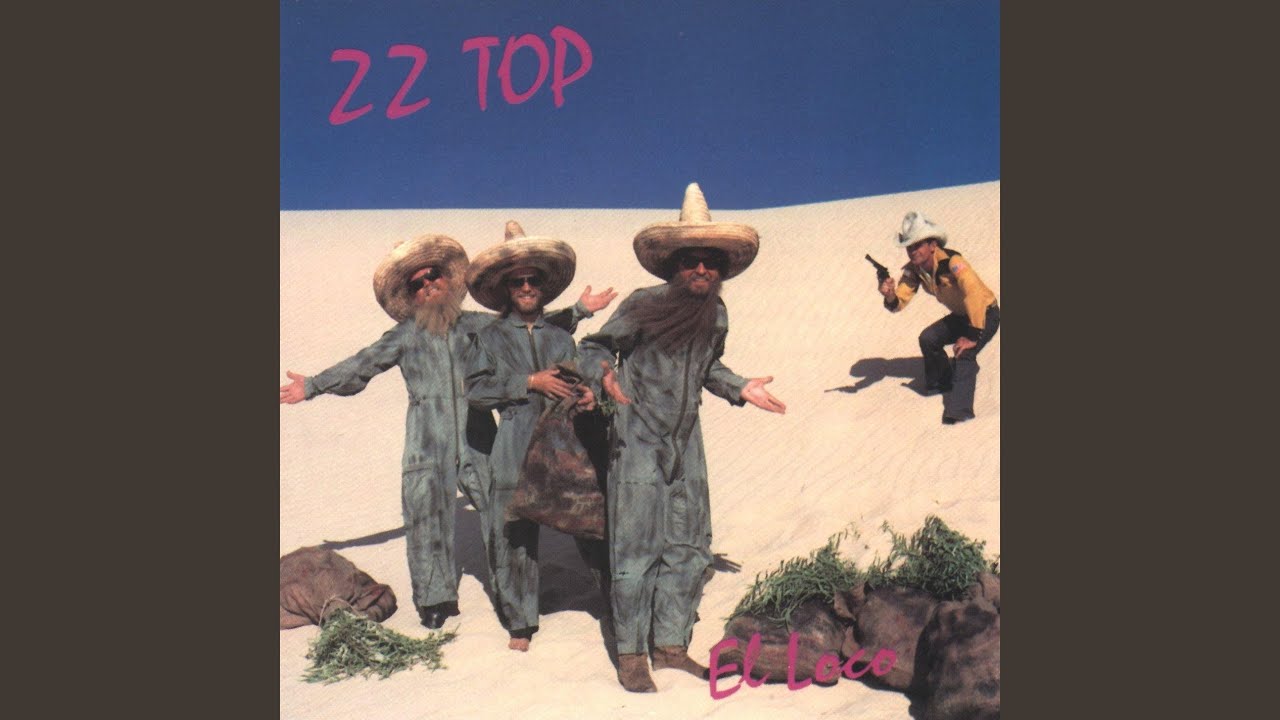
“We were writing new material and recording the sounds the band is known for,” Gibbons says. “Following a wrap with sessions, it was us trippin’ into the desert surrounds back out in West Texas to capture the band in the shifting sands near their haunts at the Tex-Mex border. Tortillas and hot sauce meet rock ’n’ roll, as always.”
If that sounds roundabout – yet oddly encapsulating – that’s because it is. Gibbons has a particular way of viewing the world, which he filters through a quasi-poetic sense of humor that runs on through his guitar and out from his amps. So, if you really want to understand the vibe and feel of El Loco – or of any ZZ Top album – it’s best to just sit back, listen and take it in.
“All it requires is having a glance at the desert setting, which takes one directly into ZZ Top’s Texas heritage,” Gibbons says. “It’s that Lone Star State of mind making its ‘separate country’ status so mysterious. The poetry from song to song says it all quite succinctly.”
How did the reception for the album that preceded El Loco, 1979’s Degüello, impact your outlook on ZZ Top as the band rolled into the Eighties?
The great American art form of the blues, which we continued attempting to interpret, flavored the album’s content.
One of the favored tracks, the fine composition with Sam & Dave’s Stax recording of I Thank You, allowed the initial leanings toward taking a move with sounds of R&B.
Those new angles tempered new waves of experimentation for the band to move ahead and toward the future.
El Loco is interesting as it precedes Eliminator and Afterburner, ZZ Top’s ’80s explosion albums, but it came after the ’70s blues period, which you mentioned. It’s kind of an in-between record.
There was a landslide of inspiration and creative energies surrounding some insane scenes erupting everywhere... Our 12-bar circle expanded
This is true! Then again, there was a landslide of inspiration and creative energies surrounding some insane scenes erupting everywhere. As the ZZ Top cornerstone of standing within our 12-bar circle expanded, the inventive impact from far and wide was instrumental in igniting a vibrancy from then to now.
What were the first songs the band wrote for El Loco, and did you have the new sounds of the ’80s in mind?
The many tracks included from the period, like So Cold, Instantly and Mark My Word, were just a few good ones as extra tracks that still exist following the more familiar numbers that landed in 12-inch vinyl upon the release.
The interesting challenge loomed large, having to hand-pick a scant few titles from the assembly that stacked up during the sessions.

You started El Loco at Sunset Sound in L.A. but moved to Ardent Studios in Memphis. How did that impact you in terms of tracking guitars?
Sunset Sound opened the doors to twist knobs on a lot of unusual features with their unreal stacks of compressors limiters and mic preamps surrounding the console… all favoring great response going to tape.
As the tour moved along, we returned to our home away from home, back in midtown Memphis, where Ardent Studios held Studio B on reserve for lighting the fuse for new ZZ Top songs to complete the wrap.
Why did you choose Bill Ham as producer?
The title of “producer” was actually more in line as keeper of the flame. Here were three wayward and unruly guys [Gibbons, Dusty Hill and Frank Beard] that most likely would have stayed in the badlands. We were unaware of the job of maintaining the value of the group and rallying the gang to focus on defining what we were doing and refining the content.
We simply kept it raucous and raw and pressed on with loudness. An unabashed element was the constant ferociousness of the guitar tone coming from our trusted Pearly Gates [Gibbons’ 1959 Gibson Les Paul]. The sound out of that instrument actually made the signal stand up and bark.
Linden Hudson was also involved as a pre-producer.
Yes – a great guy with great insight with what makes for great sounds. That appreciative alliance emerged stridently with solid input on a creative level.
Linden was the engineer for Groovy Little Hippy Pad but wasn’t credited. How did he impact that track?
There was a constant openness to taking on fresh ideas with smiling support. Good times made it into the groove – an undeniable reality, front and center, with positive suggestions and exacting expertise.
Besides Pearly Gates, what guitars did you bring into the studio, and how did you shape your tone?
Tube Snake Boogie emerged as a song having overheard a reference at a notorious surf spot
The style for making the kind of sound we were chasing fell right off the stage when the Jeff Beck Group delivered those smoking nights of great grind and grit. Standing behind a ’50s sunburst Les Paul, supported by a Fender Telecaster bass, said it all. Pushing it through those early Marshall 100s did the trick.
From that point forward, Jeff [Beck] arranged delivery with Marshall’s first factory arrival into the States, loading ZZ Top’s stage with stacks standing high. It solidified the initial offerings from the band’s newly formed “ZZ” sound without question.
What are the stories behind Pearl Necklace and Tube Snake Boogie?
During a hang with a long-standing pal, one of our friends appeared exiting his ride, making a fast clip to his front door, whereupon the question of “How was last night?” provided a quick and to-the-point response of a single word: Necklace.
One only needs a slight imagination to put it into proper perspective. Tube Snake Boogie emerged as a song having overheard a reference at a notorious surf spot from a shaper calling some new boards making the scene as “tube snakes.” A perfect title.
Terry Manning mixed El Loco. How important was he to ZZ Top’s sound?
Terry Manning – yes! We met Terry when he was working in a studio at Ardent in Memphis with Led Zeppelin. He accepted the invitation to take a stab at mixing the tracks later to reach success with the release entitled Tres Hombres.
On that record, the best move was the accidental slip of the splicing knife mashing together two numbers – Waiting’ On the Bus and Jesus Just Left Chicago – suddenly becoming the classic coupling, forever playing as a streamlined duo with a recognizable and most desirable effect.
What were your thoughts on El Loco the first time you heard it?
I thought Groovy Little Hippie Pad and Party on the Patio fit the times in a remarkable and cohesive manner. They’re still performed in concert with a speedy tempo, keeping the pulse beating with smoothness. Even now it maintains that stepped-up, accelerated sound.
- This article first appeared in Guitar World. Subscribe and save.

