


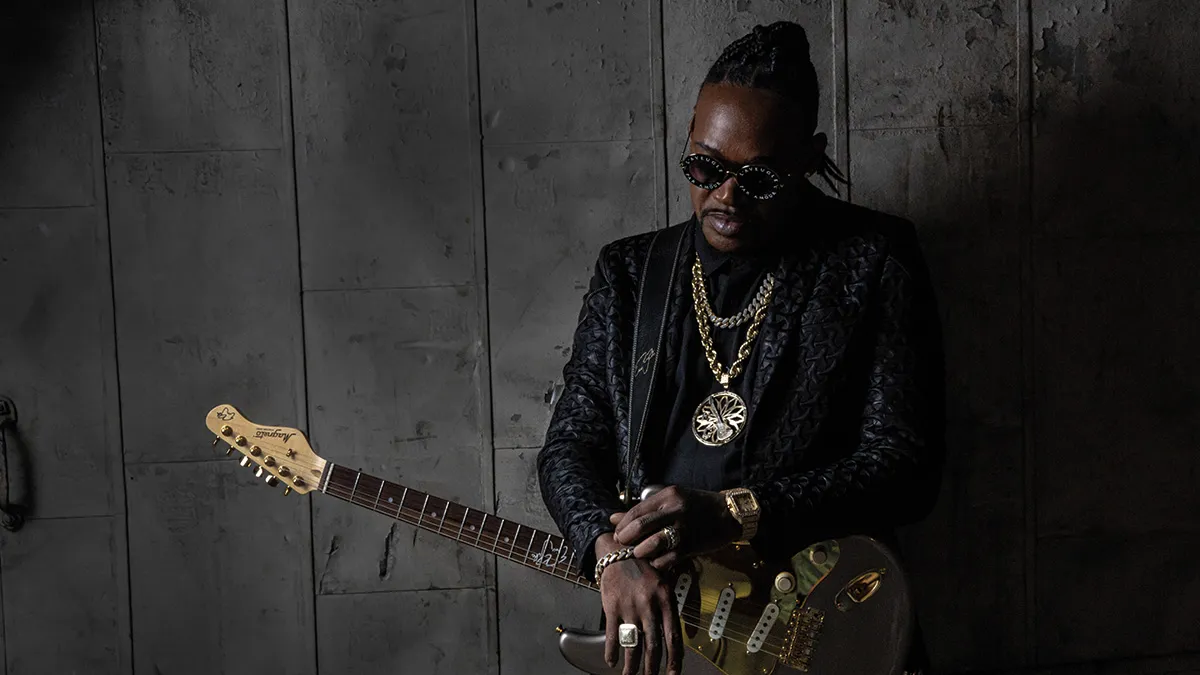
Eric Gales is no longer the underdog threatening to take the world by storm. He’s already done it, and is now enjoying recognition with Grammy nominations and sold-out performances across the globe.
But Eric is keen to acknowledge that it might have been a different story had his older sibling not shown him the musical ropes from an early age. Eric’s latest album, A Tribute To LJK, acts as a doff of the cap to his brother.
The record starts with a familiar voice saying, “All hail, a tribute to our brother Manuel Gales, also known as Little Jimmy King,” followed by 47 minutes of the most life-affirming blues.
As the leader of the Memphis Soul Survivors, Little Jimmy King enjoyed a successful career in blues, having cut his own records with Stevie Ray Vaughan’s rhythm section, performed in Albert King’s band and toured with Buddy Guy, until Manuel’s life was tragically cut short by a heart attack at the age of 37 in 2002.
A Tribute To LJK was co-produced by Joe Bonamassa and Josh Smith, and is the sound of Eric reimagining his sibling’s music and celebrating his memory through the medium of electrifying noise. A fitting tribute.
What was the vibe like in the studio while you were cutting this record?
Pretty straightforward. Just me plugging my Magneto guitar into my DV Mark amp, as well as one of Joe’s Dumbles. That was the bulk of the tone. I used one of Joe’s Les Pauls for a solo or two, maybe a rhythm here or there. It was my normal pedalboard running in front, nothing had changed. There’s no sense in messing with things when they’re working fine. So that’s what we did. We just kept the tape rolling.
Was it strange plugging into a Dumble amp that didn’t even belong to you?
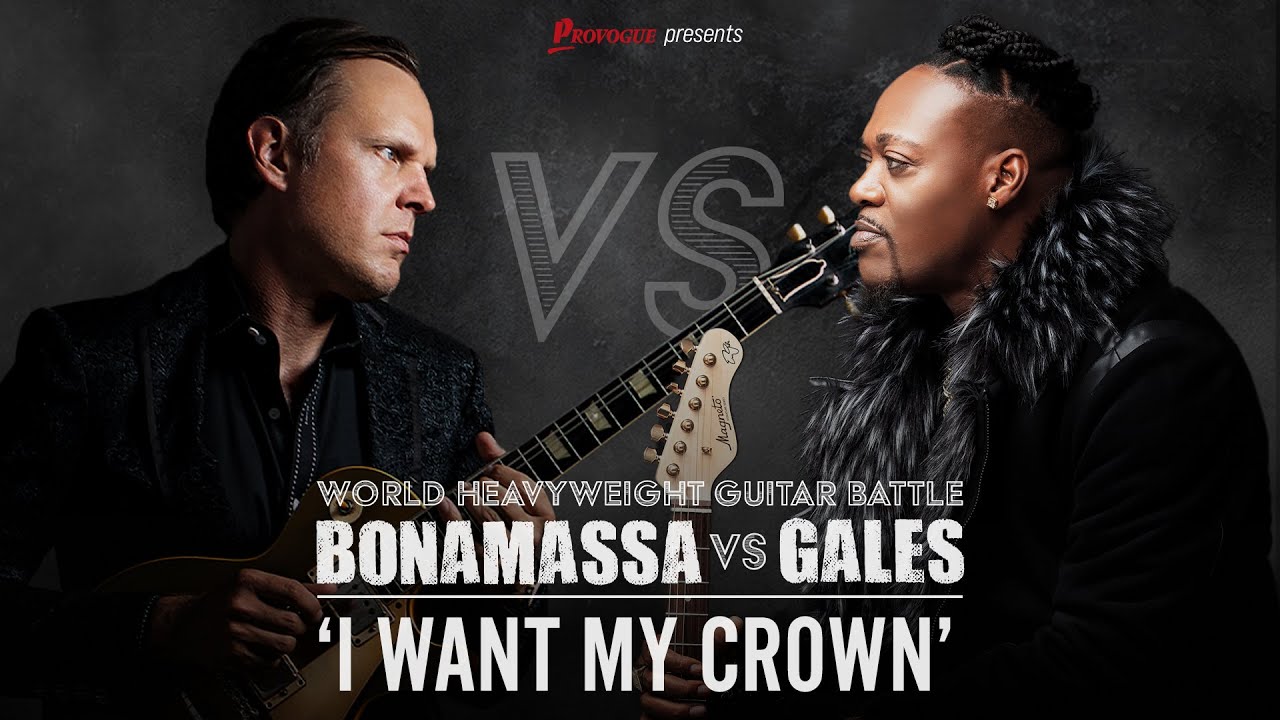
It worked well with my DV Mark. It was a suggestion from Joe that he first floated when we did the Crown record; it’s good to have that sonic contrast.
I can’t remember which Dumble it was exactly, but we dialled in a tone, it sounded great and we got busy. There was no extravagant story behind it. We switched it on, turned some knobs, heard a good sound and started tracking.

Why do you think Alexander Dumble’s amps are so highly revered?
To be honest, I don’t know. There’s a bit of a taboo fascination with them. Obviously, they are highly respected and deeply admired for the sound they make, but I don’t see the big draw factor. Sure, they sound great, but I’ve heard other amps that sound great.
I’m not speaking bad about them, I’m just saying there’s nothing the Dumbles did for me that other amps hadn’t done before
I’m very honoured and privileged to have plugged into one a few times, but it wasn’t like a ‘heavens opened up’ sort of moment. I’m not speaking bad about them, I’m just saying there’s nothing the Dumbles did for me that other amps hadn’t done before, you know? I was just going off a suggestion and I trusted Joe enough to go with it.
He has plenty of Dumbles and runs through them pretty rigorously. I had no reason to go against it. If it was the only amp that was there and my DV Mark wasn’t around, I’m sure I would have been fine.
I have some really nice amps, like my Two-Rock, and the Dumble did nothing less than that. If it wasn’t as good, then I wouldn’t have used it on the record. I remember it had great sustain and delivered every single nuance I put through it. At the same time, my DV Mark was doing the same thing. Both amps were standing tall beside each other, doing a great job in giving me what I needed to accomplish this record. That’s all I can ask for.
Your sound lives on the funkier side of blues. You have a cleaner and more spanky tone than most of your contemporaries.
That’s what I prefer. I am known as a blues-rock player, but I am probably less rock than other people. It all depends on the style of the song and the feel or vibe that I’m going for. I’m not a typical I-IV-V slow-blues kinda guy.
There are different variants in what I do. I like a crystal-clean tone for a lot of the music I write, especially if it’s more chordal. In those situations, I’m not looking for any break-up. When I need a little more grit, I’ll use my MXR Raw Dawg pedal or whatever other drive I have lying around to get the sound I’m looking for.
You’ve been very loyal to the Mojo Hand Colossus fuzz pedal over the years.
It’s my go-to because of its warm and milky tone. There are so many boutique pedals I haven’t even had the opportunity to plug into yet. I’m not one of those guitar players who sits there testing them all out. If one thing is working well, then I’m fine with that.
Opportunities for a big shoot-out are rare, so I have to apologise to all the people who give me pedals. I will definitely try them out at some point. The Mojo Hand is just what I’ve been going with.
The last one that impressed me was the Pedal Pawn Fuzz from the UK. It sounded really, really good. They make some nice stuff. A few weeks ago I was gifted a handmade pedal and the builder told me the schematics were exactly like Eric Johnson’s fuzz.
He even wrote ‘LJK’ on it, which made it awesome and memorable. I haven’t plugged into it yet, but I’m sure it’ll sound amazing because everybody knows I’m a huge Eric Johnson fan. I hope to be blown away by how beautiful it sounds.
Your current wah pedal of choice is a Buddy Guy Cry Baby. What do you like about the sound of that one?
I was running a different wah and having some issues. Then Buddy Guy’s tech Connor [Korte] happened to have a spare one fresh out of the box, so I put it on the ’board and it never left. All of the ones I’ve used come from the Jim Dunlop company and this one just happens to be the one I stick with. If it ain’t broke, there ain’t no need to switch it out.
I didn’t use my Whammy because it didn’t call for it. I guess there could have been room, but I decided to keep things traditional – if it’s even safe for me to use that word because I don’t consider myself that traditional. This record was a homage to my brother, who was more old-school.
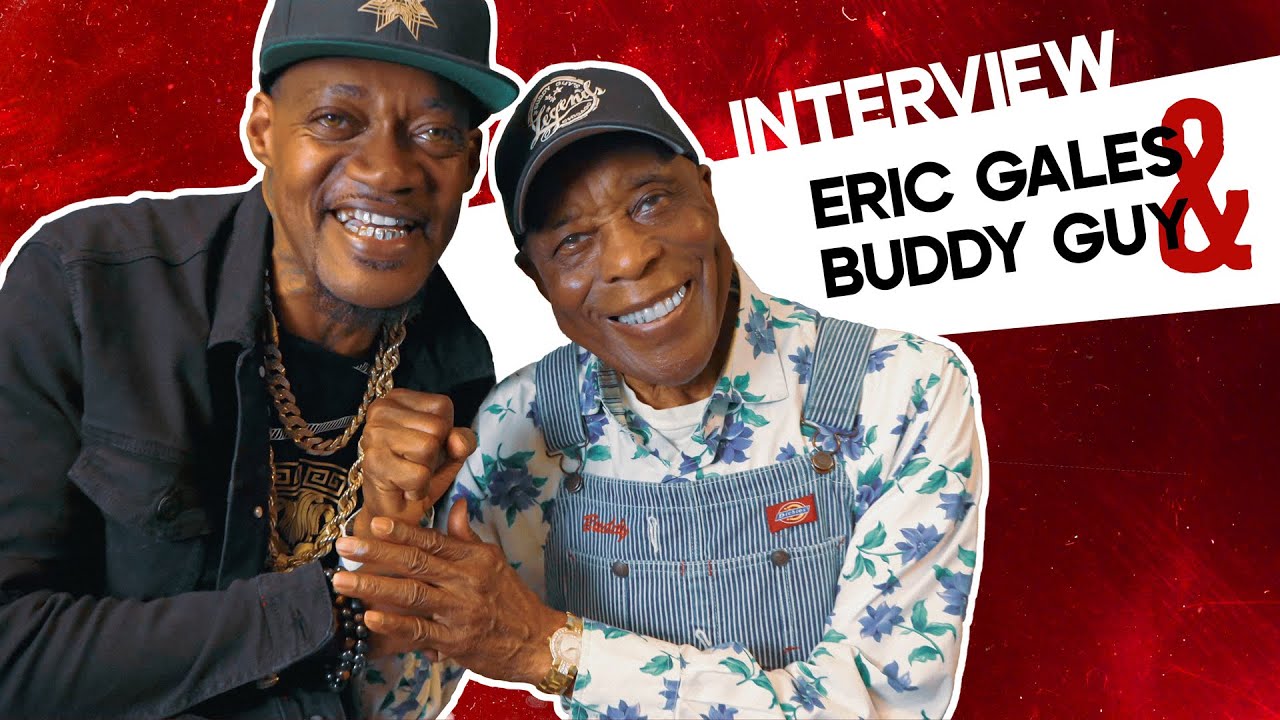
Buddy appears on the final track of your album, titled Somebody. That must have meant a lot to you because not only is he blues royalty, but he’s a friend and also knew your brother.
When I heard what he played on that track, I was blown away. He knocked it right out of the park. I sent a reference track over with the general direction I was going for and he gave me exactly what I was looking for.
When I pressed play, I heard the work of a legend. He made the track what it was. It would not have sounded as good without him. My brother did a miraculous job on the original version and Buddy was the perfect person to help me recreate that kind of vibe all these years later.
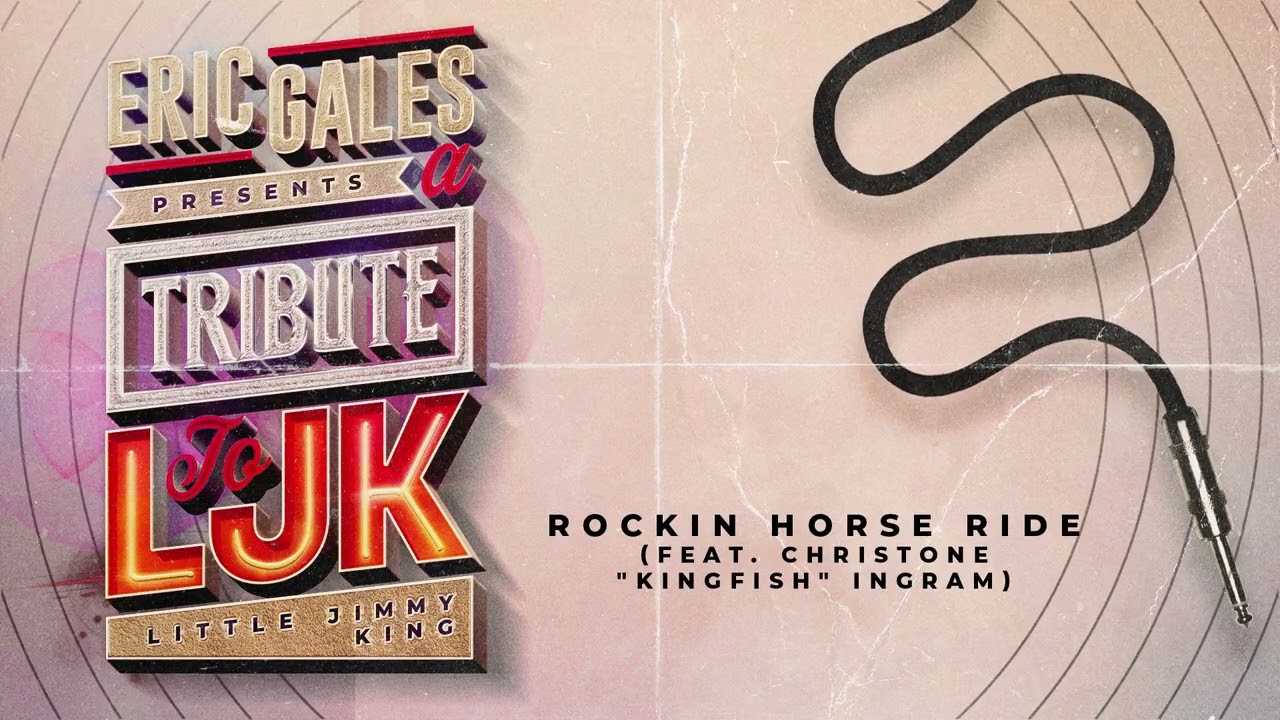
Christone ‘Kingfish’ Ingram cited your brother as a big hero of his, and you invited him to play on Rockin Horse Ride.
That was intentionally done; I wanted to incorporate people who had a connection to my brother. I wanted to nod to the older generation and the younger generation, bringing it all full circle in memory of my brother.
I also have a new signature model through Kiesel that comes with all the bells and whistles in this lovely gold finish
I wanted to acknowledge the impact that he had on the blues world and try to keep some of that alive. Through Kingfish, his music still lives. Young people are taking notice of this style of music that was around way before their time. We can leave it in the hands of Kingfish and know that everything will be taken care of well.
Which Magneto guitar do you record with the most?
It’s my Magneto Sonnet RawDawg. The neck has a flat radius, so it feels great in my hands. It’s something I can play all day long and the tone is just immaculate. The owner Christian [Hatstatt] is an amazing guy who has always been in my corner, even at times when a lot of people weren’t.
I have great relationships with other companies who understand that I might play different guitars for different things. Nobody has forced their exclusivity on me. I don’t like being told what to play, especially if my heart is telling me to use something else. Magneto have always understood that and been very understanding. They’re a great company to work with.
I also have a new signature model through Kiesel that comes with all the bells and whistles in this lovely gold finish. It turned out really dope, man.
You used one of Joe’s vintage Les Pauls, a 1954 Goldtop, on the album. How different was that for you?
That guitar sounded great. I’ve never said I don’t like humbuckers or Les Pauls, SGs, Flying Vs, Explorers, Firebirds, Telecasters, Jazzmasters, Mustangs, 335s or whatever. They’re just not the normal go-to for me.
Joe said, ‘Check this out,’ and had the tone dialled in, so that’s what I used on my solo for Don’t Wanna Go Home, as did Joe. It worked great for that song. It just so happened to be a quarter-of-a-million-dollar guitar that got the job done.
Could a guitar worth 200 bucks have also been good enough? I think so. Equipment plays a part in things, but I’ve always been a die-hard advocate of ‘it’s all in the hands of the player.’ That’s what ultimately determines what you hear coming out of any instrument. So much depends on the human being.

Was it scary holding a quarter-of-a-million-dollar instrument that doesn’t belong to you?
No, not at all [laughs]. I wasn’t afraid.
How different did it make you play, though?
I find using humbuckers instead of the usual single coils can shift where I’m coming from, mentally. The approach, feel and tone can end up a little different. But at the end of the day, it’s all down to whatever comes out of my mind.
That’s what determines what comes out. I’m not uncomfortable playing anything, unless there’s an outrageous setup that prevents me from doing what I usually do – things like extremely high action or action that’s too low to get a good sound. I like my action as low as I can get it without buzz. Normally, it only takes me a few minutes to get myself acclimated to any instrument.
You, Joe and Josh Smith have such distinct voices on the guitar. It’s very easy to tell who is playing on It Takes A Whole Lotta Money – you might be more twangy, Joe might be more thick-sounding and Josh has more of a country-fusion feel.
Yeah, Josh definitely fiddles around in that world. On that track, it was all intentional. You’ve got three players who want to sound different to each other. I’ve heard that some people struggle with hearing the differences between me and Joe. There’s a lot of similarity at times, maybe in how we do runs or riff. Both of us are highly influenced by Eric Johnson, so that’s always going to seep through at points.
But I think on this record, the distinction of who’s who is made pretty clearly, especially with Josh because he chose to set himself apart purposefully. He went in a different direction to add something completely new. That guy can adjust, shift and shape into any kind of style. He always makes the right decisions.

What have you learned about the art of recording guitars since working with Joe and Josh?
Honestly, I don’t get too involved. I’m in a session right now and my engineer toys around with the mics and placements. I always have to ask him what we’re using. Right now, he’s telling me that it’s some new Roswell Cab Mic that we are trying out. I leave that whole world to the experts: I sit in the control room listening in, saying what sounds best to my ears.
I don’t really have much desire to change anything there. I don’t have the time to learn about this stuff, either. I hear things in my head and always try to get it as close as possible. That’s the goal for me. How it gets done is semantic, but working with good engineers and assistant engineers definitely makes the process a lot easier. I don’t even know what my mic preference is. If I’m by myself, I’ll just pick something up, put it in front of a speaker and take it from there.
Your guitars come with the five-way pickup selector that’s typical for an S-style design. Which positions do you use the most?
I use them all. It’s quite a subconscious choice, going back and forth between the different tones. It’s so random for me. It’s all done in the moment in real-time. If I have the gas pressed pretty hard, I might be on the back pickup because of the high energy and intensity. If I want something warm, I might be on the front. If I want a Stevie Ray sort of tone, I’ll go for the front two pickups, and if I want country and western it might be the back two pickups.
It just depends on what I hear in my head. Using your volume control is also an art form. You can go from full-on to something way cleaner without even thinking of your pedals or amp channels, you just roll that knob down and end up with a completely different kind of sound.
Do you mess with the tone knob much?
This record gave me the avenue to dive into many different areas of my brother’s career
Not much, really. The only times I do, is if I’m trying to do some jazz stuff or emulate a warm, milky fuzz tone with a distortion or overdrive pedal that isn’t a fuzz.
So what do you think Manuel would say if he heard this record?
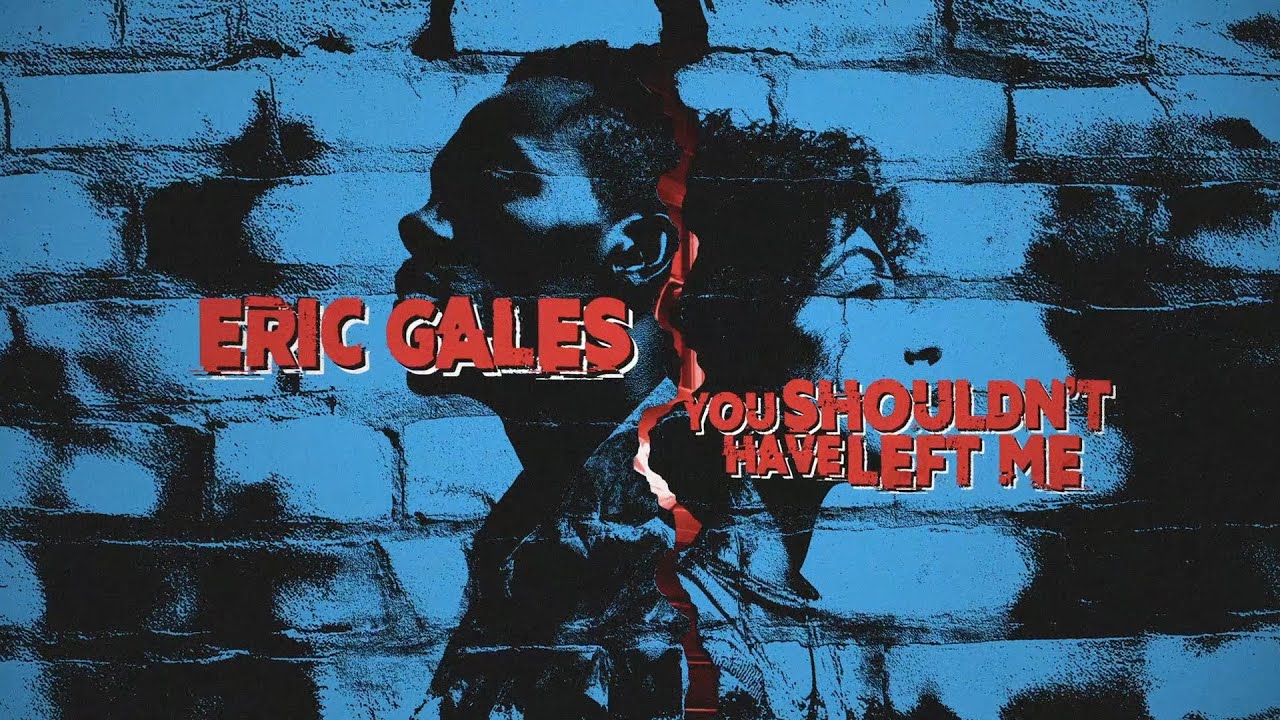
I think he’d say, “Great fucking job, little bro!” I really do. All of the songs came out really well. I love the ride-out solo in You Shouldn’t Have Left Me because it sounds really intense with this strong blues shuffle that had horns and everything. I like the flower power feel to Blues Been Too Good To Me. We had a lot of fun on that track.
I was really happy with Somebody, which I played a PRS parlour acoustic on. Baby Baby came out great. It’s hard to single out one song that I would leave off the album, to be honest. This record gave me the avenue to dive into many different areas of my brother’s career. Then I chose to give these songs a new vision through my own eyes.
- A Tribute to LJK is out now via Provogue.
- This article first appeared in Guitarist. Subscribe and save.

