


If things had gone differently, Duesenberg would have been a heavy metal guitar brand, which it essentially was from 1986 until nearly a decade later.
But founder, Dieter Gölsdorf, had a different view: “The best times of heavy metal were over and the guitarists were more into traditional values again. My concept: a new, extremely high-quality guitar design in the style of the ’40s or ’50s. I was overcome by a feeling that I was going on a journey through time.”
Dieter’s concept of a “smaller jazz guitar” that should be chambered for “light weight and lively sound”, plus the “Art Deco three-step idea” that informed the distinct design of the metal parts, all rolled into the Starplayer – the starting point of the brand we know today, as co-owners, Dieter Gölsdorf and Ingo Renner, explain.
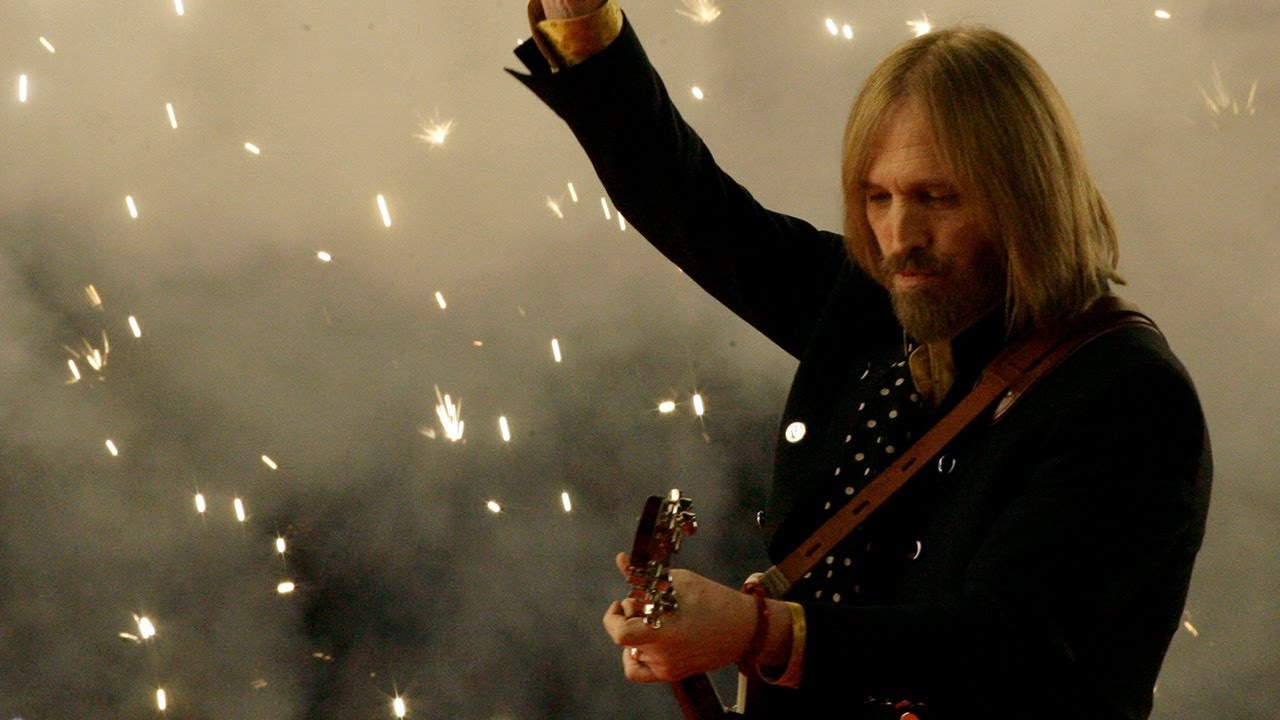
We’re guessing the Starplayer TV has been the best-selling Duesenberg for the past 30 years. How did you see the aim of the guitar back then and what was the reaction when you originally launched it?
Yes, that is true, although the original idea for the Starplayer was more in line with what we re-released last year with the Starplayer CBR.
It was originally a chambered mahogany body guitar with flat maple top and neck, and it developed into the more traditional spruce semi-acoustic with centre-block construction over the years.
The original idea for the Starplayer was to create an instrument with a familiar appeal but many innovative features and a unique overall look. It should also be tonally balanced and not be limited in what it can do.
So, all components, especially the ones carrying the signal, needed to be of the highest quality. Extremely positive feedback from our dealer network back then came in surprisingly fast. It seemed we had hit the nail right on the head.

Can you remember some of the first players that started using the Starplayer?
The first were German artists, of course. Peter Maffay and Carl Carlton were among the very early ones, but US artists like Keb’ Mo’ and Japanese singer-songwriter Sheena Ringo quickly followed.
Who was the first artist to have their own signature Duesenberg model and when was that released?
That was Carl Carlton with his Duesenberg CC model back in 2000. [It was] technically a sized-up version of the Starplayer TV. Carl is a very tall guy and he needed a bigger-body instrument so the guitar wouldn’t look tiny on him. The CC became sort of a regular part of our line-up later, but it always had its origins in the connection and friendship to Carl.
Which Alliance series model has been the best-selling?
The Starplayer TV Mike Campbell – the blue one with white stripes that he played at the 2008 Super-Bowl half-time show – has been the best-selling Alliance model for us
The Starplayer TV Mike Campbell – the blue one with white stripes that he played at the 2008 Super-Bowl half-time show – has been the best-selling Alliance model for us. It became iconic and many people have discovered Duesenberg through this particular instrument, and probably still do.
Coming back to the Starplayer CBR, why did you decide to bring back that specific formula?
We realised that something that creates that original tone, that was highly influenced by the chambered mahogany body and flat maple top, had been lost from our line-up over the years.
Fittingly, we were also approaching the 30th anniversary of the Starplayer, so it seemed a perfect match to bring back the old idea in a new way. The construction is very similar to how it was done back in the beginning, but, of course, our hardware has evolved since then, so the CBR is benefitting a lot from that.
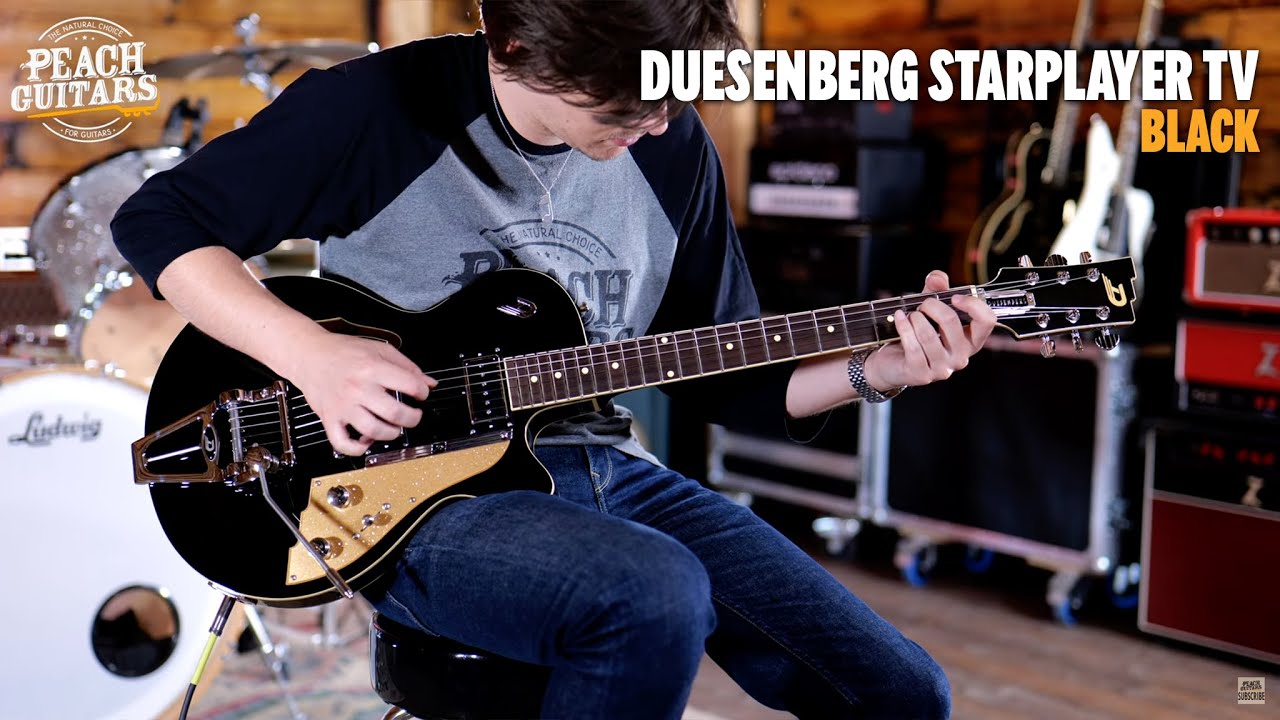
We’d guess that the Grand Vintage and Domino P-90 pickup combination is the most-used on Duesenberg guitars?
“Yes, it’s just an extremely versatile pickup combination, especially with the way we make the pickups. We use a lot of nickel-silver components to keep the raw signal as unaffected as possible.
“It’s easy to reduce parts of a signal you don’t want, but everything that’s lost at the source is hard to bring back into the mix. The way we filter frequencies in the middle position of these two pickups (position 4 on the CBR) also creates a very unique but extremely usable third option.”

When did you start using the Plek process on Duesenberg guitars? And why do you bother with it when so many makers don’t?
The highest fret on a fretboard determines minimal action before buzz, so getting everything the same height is crucial when you want to make a guitar play comfortably
We have known the guys at Plek from the very beginning, probably around 27 years ago. When they finally came out with a working production model that fitted into our process, we ordered one right away. That must have been 2010.
We do it because it’s a reliable way of creating a consistent base for a good setup. The highest fret on a fretboard determines minimal action before buzz, so getting everything the same height is crucial when you want to make a guitar play comfortably.
This can definitely be done by hand, but it’s unlikely the result will be perfect every day of the week, all year. And we want every single Duesenberg to play perfectly.

As of today, does your Croatian factory build all of the Duesenberg guitars?
Yes, although the full production is split between Croatia and Germany. Croatia handles woodwork, paint and CNC routings on the raw bodies including necks, while Germany does Plek, assembly and setup.
Not everyone wants to discuss production figures, but we’ll ask anyway. How many Duesenberg guitars are made annually?
Not enough to get one in the hands of everybody who wants one!
- “A lot of deceptively clever craft, all presented in faultless style”: Duesenberg Starplayer CBR review
- This article first appeared in Guitarist. Subscribe and save.

