


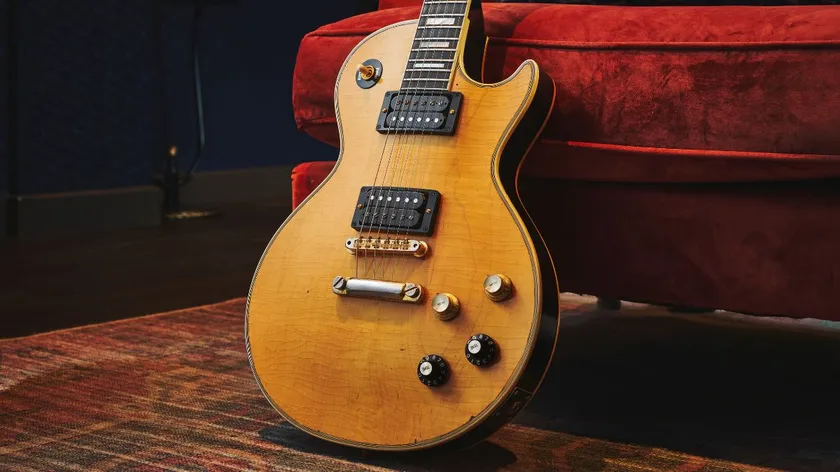


Let’s face it, unless you’re Joe Bonamassa, purchasing a bona fide vintage guitar à la a 1959 Les Paul is out of reach for the large majority of guitar players.
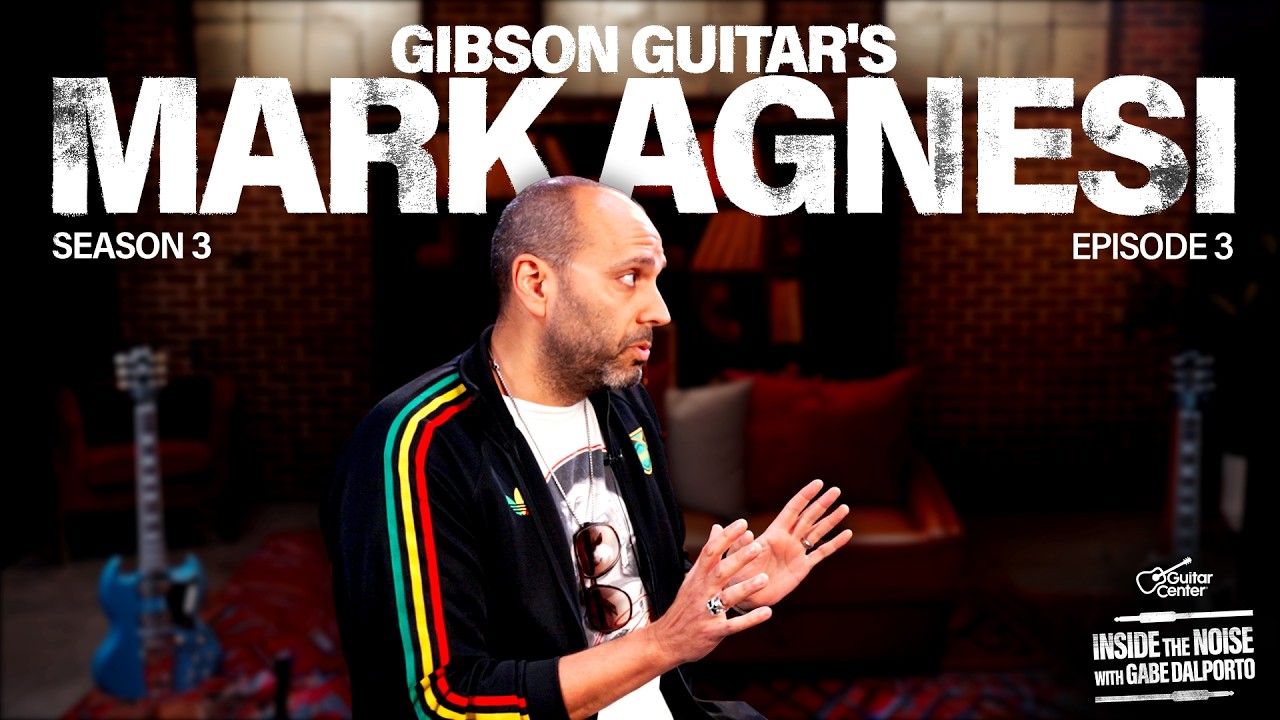
However, according to Gibson's Director of Brand Experience, Mark Agnesi, aged guitars open up the world of old-school specs and vintage feel to more players, minus the insurmountable price tag.
“I still see a lot of the back and forth in the comment section about – I hate the term – relic’d guitars because we don't relic guitars,” he tells Guitar Center CEO Gabe Dalporto on the Inside The Noise podcast.
“We age guitars, and we try and age them to specific levels of real examples that we see in the wild. Because even a mint guitar that sat in the closet for 60 years is going to have lacquer checking on it.”
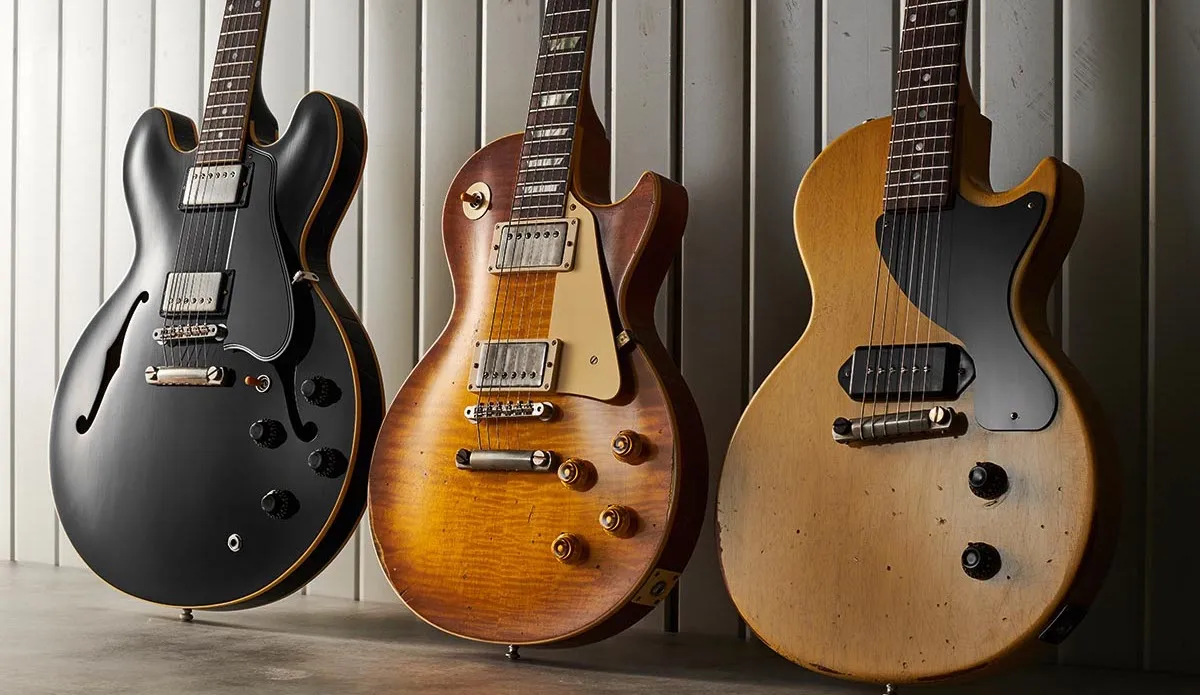
While relic’ing involves artificially creating very noticeable scratches and dings that an old and worn-out guitar would accumulate over years, aging is slightly different. It is based on real vintage reference guitars and aims to recreate the full “vintage ownership experience,” rather than making the modifications purely cosmetic.
As Agnesi puts it, it’s capturing “the feeling I have [when I'm holding] a $700,000 ’59 Les Paul in my hands. Almost no one can afford an original 1959 Les Paul. It's [unobtainable] for almost everybody, right?
“So what can you do to try and give the most amount of people the experience of when they open that case up, they go, ‘Holy shit!’ That's what the Gibson Custom Shop and specifically the guitars coming out of the Murphy Lab are.”
Gibson’s Murphy Lab leverages techniques pioneered by Tom Murphy, who dedicated his life to finessing them. Formally launched in 2019, Murphy Lab aims to “artfully” age each guitar while honoring the “look and feel of a vintage original.”
The techniques are now so advanced that Agnesi cites his days working at iconic Los Angeles hotspot Norman's Rare Guitars as an example of just how uncanny – and how close to the originals – Gibson's aged guitars have become.

“It's funny because people would always come in and ask that question – because we sold vintage guitars – and Norm's answer was always like, ‘You're getting 90%, and that last 10% is what you're paying all the money for.’ And then like three years into working there, it's like it's like 95%. But that last 5% – that's the magical part that you're paying for.”
Agnesi asserts that with the “level of scanning” and research that goes into creating each aged guitar, “that gap is closing by the year.”
“We're getting down to these minute levels, and I think there's going to come a point where you're just going to be buying a collectible.”
As he puts it, “I know there's going to be guys that are going to hate me saying that, because there is a magic and an aura to owning an original thing from the era, and that's what you're buying.
“Is it a superior instrument? That's for the player to decide. I'm perfectly happy playing my Murphy Lab guitars.”

