


Radiohead have always been invested in the augmentation of electric guitar tone, laboring over novel ways to disguise it with pedals, to present it as something uncanny, something alien.
Ed O’Brien’s pedalboard is the kind of thing we’d like to see in the Smithsonian one day. As O’Brien explained to Guitar World in 2020, Radiohead regard their guitars merely as inputs, as raw materials for fresh new sounds.
“The guitar to me is a bit like an oscillator on a synthesizer, it’s the start of a sound rather than the sound in itself,” said O’Brien. “I love the purity of an acoustic and an electric, but I guess coming from Radiohead I’m more used to treating the guitar like a synthesizer and processing it that way. Anything that can take you into a new range, like a Whammy, is very useful.”
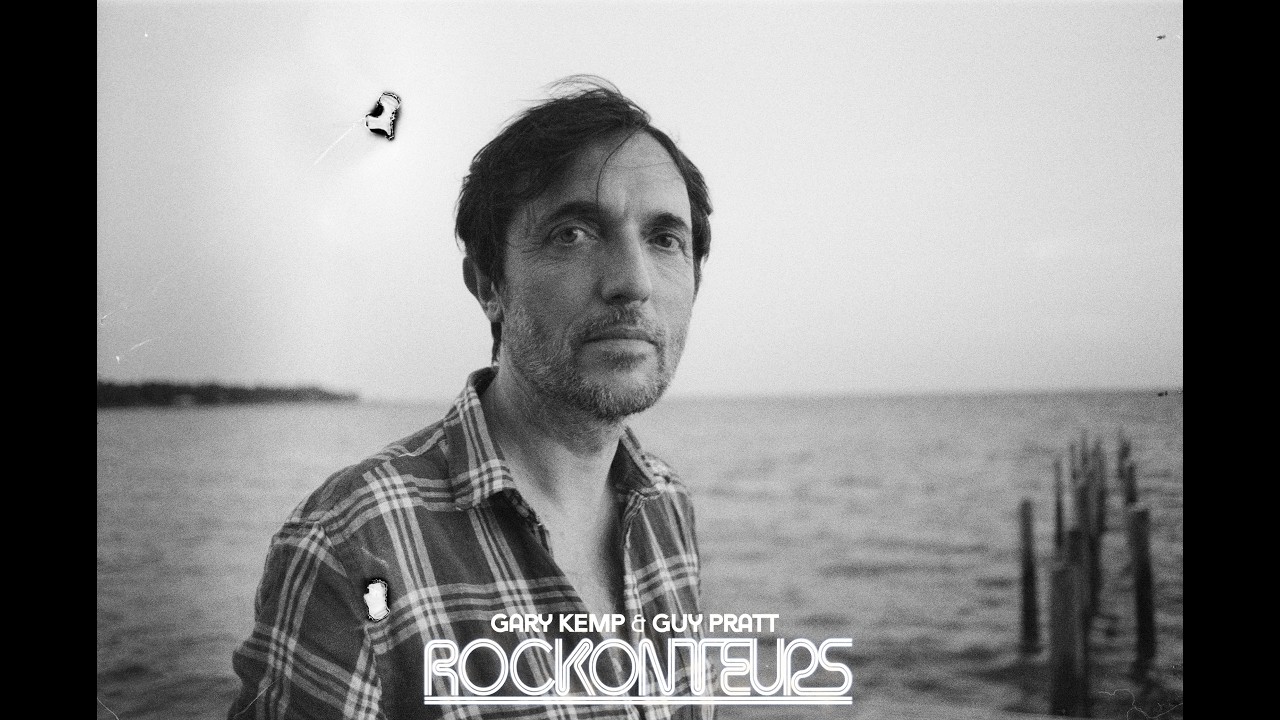
But not everyone in the band has been given carte blanche to max out the Pedaltrain. Appearing on Gary Kemp and Guy Pratt’s Rockonteurs podcast, bassist Colin Greenwood revealed that he wasn’t allowed to have a pedalboard.
Was it because his the plummy thumb of his Fender Precision through an Ampeg tube amp was considered organic matter, a sort of reassurance to the audience that their feet were still planted on Planet Earth?
Well, not entirely. But making weird noises was not his job, and there was the risk of it going wrong.
“I’m not really allowed,” he says. “[Whispers] I mean, I do have a pedalboard now! I wasn’t allowed one for a very long time, ‘cos, you know, in front of 30,000 people and a quiet song, I might tread on the distortion pedal [at] the wrong time, whatever. Or the tuner pedal, where you press the button and it cuts out.”
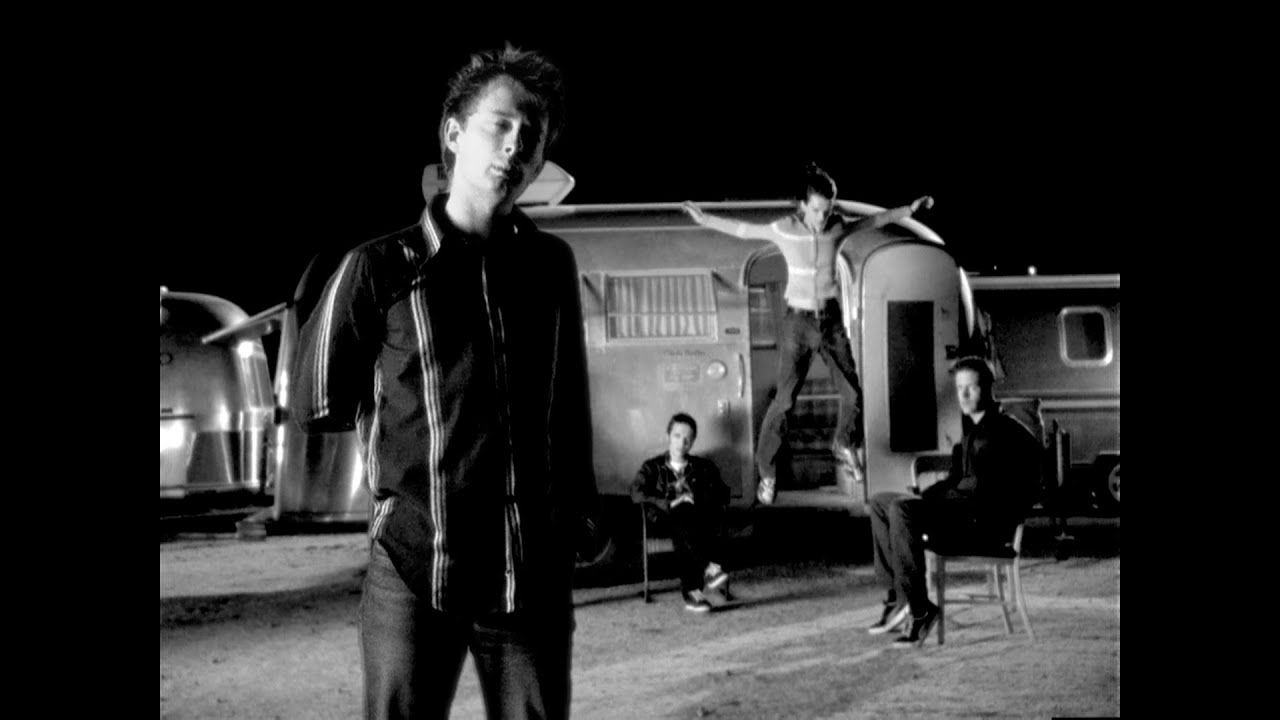
Most people here can relate. Pratt certainly can. But Greenwood says he has a tactic for when things go wrong that he learned from the best.
He remember, “Well, Johnny Marr said said to me – or Ed – if you make a mistake, the thing you need to do is just glower at your tech. Just glare at them! Or do it twice, the jazz way.”
This conversation with Greenwood offers invaluable insight into the different mindsets of its guitarists. His brother, Johnny, is actually into DSP coding.
“He’s got a thing called [Cycling ’74’s] Max/MSP on his computer, which is, like, under the bonnet of samplers and stuff,” says Greenwood. And yet, in comparison with O’Brien, Colin says both brothers remains minimalists when it comes to their touring gear.
“My brother’s sort of a purist,” he says. “He very much believes in one guitar and one amp. That’s all you need. When we were doing the shows with Radiohead at the O2 [in London], all the guitars are under the stage. There were, like, I don't know, 20 old guitars.
“I thought, ‘That's amazing.’ I thought those were Ed and Thom’s [Yorke] guitars. And Adam [Cummings], who looks after Ed, said, ‘No, no – those are just Ed’s guitars.’ I was like, ‘Oh, my God – that’s amazing. But I’m the same [as my brother]. I’ve got my P-Bass. That’s all I want and need, and it’s just an amazing thing.”
Greenwood was coy on Radiohead’s next move but, should their schedules align, he says they want to book some shows “somewhere, someplace, sometime”.
He also offered his thoughts on how the band navigate different time signatures – indeed, how they think about rhythm itself – particularly on the more elusive compositions, such as Pyramid Song.
“It’s feel,” says Greenwood. “Well, there’s this whole thing about body clocks… Everybody has got a different clock inside their bodies, and a different tempo, different BPMs, and Thom’s a fast BPM, and a lot of his music is about the 16th before the one, so everything’s almost like a funk thing. Thom’s always just before the 1.”
In related news, Radiohead's Ed O'Brien recently discussed using guitar playing as therapy in the midst of depression.

