




Jimi Hendrix spent his formative years, in the early ’60s, on the Chitlin’ Circuit (a network of clubs and venues that featured Black artists) working as a backing musician for a range of soul and blues stars – essentially serving his apprenticeship and honing his skills.
Unsurprisingly, once he’d decided he’d had enough of standing in the shadows, and started to front his own band, much of his repertoire comprised cover versions of the same blues and soul material that he’d cut his teeth on, with a handful of contemporary pop and rock classics thrown into the mix.
Here are 10 of his finest moments, where he took the raw material of an original, injected the spark that was his unique mojo, and recreated the songs in his own image – often almost as if they were written for him.
1. All Along The Watchtower (Electric Ladyland – 1968)
The ultimate mark of respect that any artist can receive for a cover version of a song is when the original artist adopts the new version for their own future performances, which is exactly what happened with Bob Dylan when he heard Hendrix’s reinvention of Watchtower.
As is frequently the case with acts covering Dylan’s songs, the original version often becomes, essentially, a songwriter’s demo (see pretty much every Byrds cover of a Dylan track).
He took some small songs of mine that nobody paid any attention to and brought them up into the outer limits of the stratosphere
Bob Dylan on Jimi Hendrix
Where Dylan’s original lumped along in a fairly pedestrian fashion, Hendrix took the bare bones and soared, to create a track that would feature high on the list of any compilation of Jimi’s greatest moments.
Dylan himself was generous in his acknowledgement of what Jimi brought to the piece, “He took some small songs of mine that nobody paid any attention to and brought them up into the outer limits of the stratosphere, turned them all into classics.” Not only is this the greatest cover of any Dylan song, but it is also, for many Hendrix fans, one of his absolute career highlights.
Jimi creates a unique atmosphere with layers of guitars, including subtle wah-wah embellishments, Wes Montgomery-like octave runs and deft slide work that all combined to provide a strange sense of otherworldliness that chimed perfectly with the song’s opening line, “There must be some way out of here…”
2. Hey Joe (Smash Hits – 1966)

Hey Joe has received countless different treatments across numerous cover versions, but again the Hendrix take provides the definitive reading of Billy Roberts’ lyrically dark tale of murder. Ignoring the temptation to increase the tempo, as in The Leaves’ hit version, Hendrix substitutes depth and power for their frantic garage band approach.
Jimi released the song as his debut single, scoring his first hit anywhere in the world, eventually reaching number six in the UK pop charts. As with all of Hendrix’s hit singles, the soloing is taut, economical and memorable, creating parts that are as essential to the song as the lyrics and melody. No doubt manager Chas Chandler was a key figure in maintaining the band’s strict focus in the studio.
Jimi was already covering this song, as well as several others on this list, when he was playing regular shows at the Café Wha in Greenwich Village. This was the first song that future manager, Chandler, saw Hendrix play in 1966; he’d gone to check him out following up on a recommendation from Linda Keith – Keith Richards’ girlfriend.
It was on the basis of that night’s show, that Chandler invited Hendrix to go back to the UK with him, with the intention that Chandler would – in the words of the old cliché – make him a star.
3. Wild Thing (Live At Monterey – 1967)

This song could have been written for Hendrix – there is certainly very little that is wild about The Troggs’ original version. Essentially a novelty song in its original incarnation, it hit the top of the US charts in 1966. As if to emphasize the absurdist aspects, the solo on the Troggs’ version, as performed on the obscure ocarina, practically sounds like a spoof on the title. Wild? Yeah, right.
What is undeniably wild though, is the sound of Hendrix’s guitar – at its most rampant as he powers through the simple three-chord intro, bringing an entire universe of subtext to the table.
Many of the ‘wild man of rock’ cliches spring from Jimi’s rendition of this song in the movie, Monterey Pop, with the guitar-burning finale.
This is not the best version, however. Jimi usually prefaced the introduction with some severe Strat whammy bar wrangling. The downside of such abuse though, is the calamitous effect it had on the guitar’s tuning.
Jimi would often try to remedy this as the song was in progress, but it’s clear that on the Monterey version, there are still some issues. Ironically, that slightly sour clash of intervals actually enhances the outside nature of Jimi’s take.
In fact, for one of the best filmed performances of this song, check the rendition from 1967, from the Blackpool Opera House in England, where the tuning problem doesn’t really impact on Jimi’s playing.
4. Killing Floor (Live At Monterey & BBC Sessions 1967)
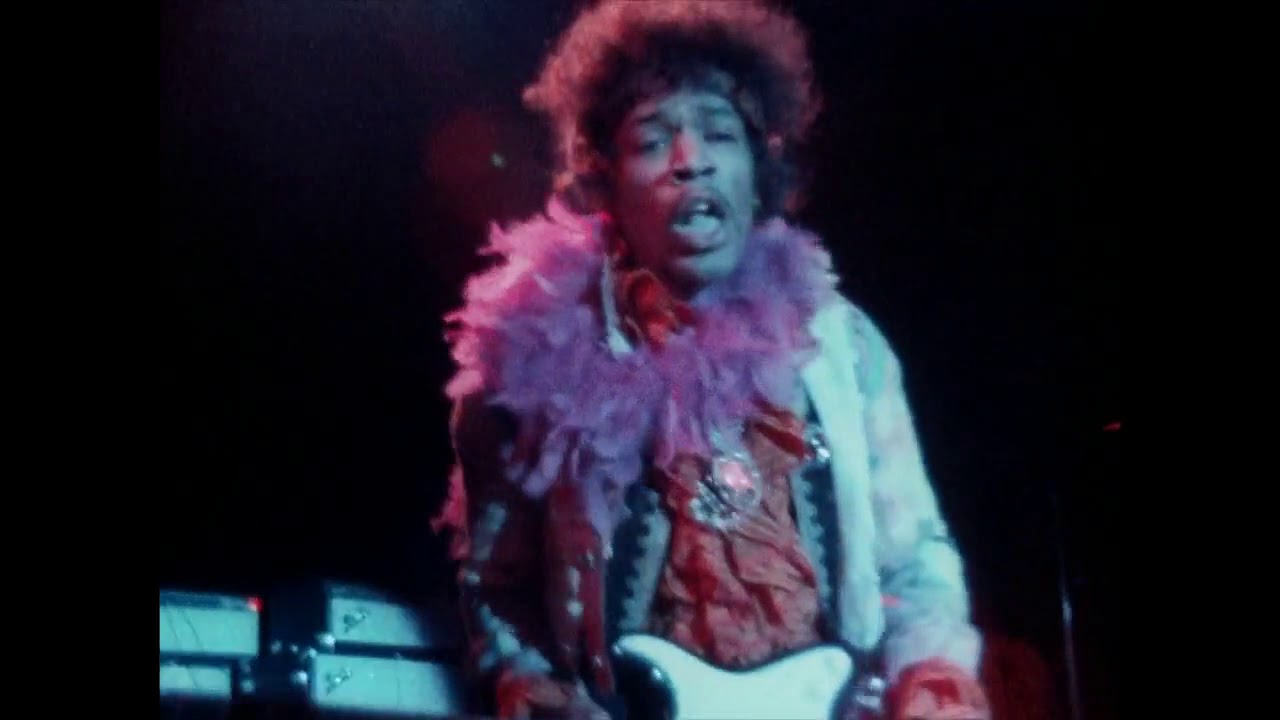
Allegedly, after witnessing Hendrix tearing through his total reinvention of the Howlin’ Wolf original, in a guest spot with Cream in 1966, Eric Clapton was so taken aback with what Jimi did that he had to leave the building. Clapton has said that it made him reassess everything he’d been doing.
Chas Chandler recalled, “Clapton stood there and his hands dropped off the guitar. He lurched off the stage.” Clapton himself recalled the event, “Of course Jimi played it exactly like it ought to be played, and he totally blew me away.”
There were never any sour grapes on Clapton’s part though; they were good friends for the remaining years of Jimi’s life and Clapton actually cited the BBC version of Killing Floor as his favorite Hendrix song.
Clapton stood there and his hands dropped off the guitar. He lurched off the stage
Chas Chandler
The blistering pace at which Jimi takes the song transforms it from the sedate – though undoubtedly menacing – pace of the original into a hypersonic adrenaline blast. The speed and dexterity with which Hendrix punctuates the rhythm parts truly conveys the impression that there are two separate guitarists playing.
As great as Hubert Sumlin’s work was on the original, Hendrix was always able to find a further, unimagined dimension in every song he covered.
5. Like A Rolling Stone (Live At Monterey – 1967)
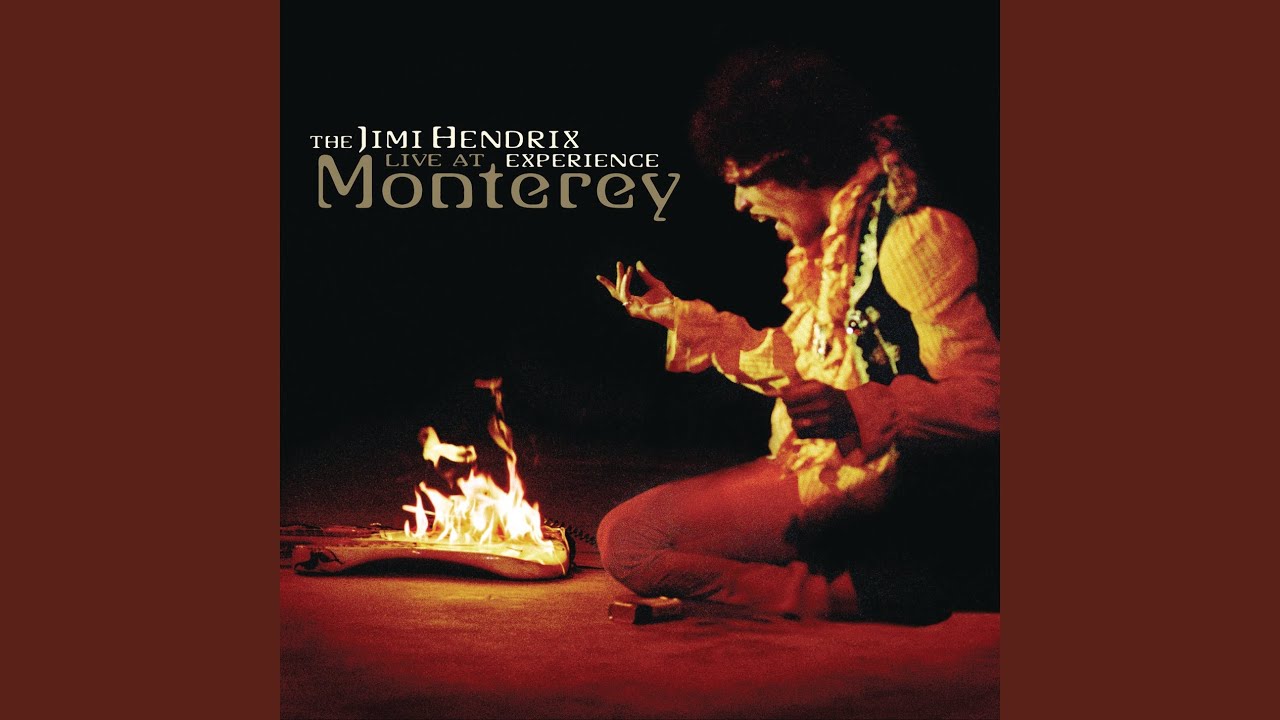
Another Dylan interpretation, and another hangover from the Café Wha days. Bob’s original, recorded after he’d fully embraced the electric, rock focused approach that had divided his fans so sharply, remains one of Dylan’s most loved songs.
With this one, Hendrix didn’t tear up the blueprint and rewrite the rules, but what he did do was to bring a cool, laconic vibe that wasn’t present in Dylan’s own version. Where Dylan sounds bitter – few can sneer a lyric the way Bob could – Hendrix conveys a sense of ‘it’s your loss, not mine.’ There is a wry, humorous air to Jimi’s reading of the lyrics and of course, his playing is, as always nonpareil.
The Monterey version includes the iconic moments where he says, “Let me play my guitar” in the intro, and also the casual way he relays to the band that he missed a verse out towards the end.
Fans are evenly divided between this and the Winterland version, recorded in 1968, on which is best. The argument for Jimi as the ultimate interpreter of Dylan – posited via Watchtower – is further strengthened with Rolling Stone, and a couple of more entries further down this list.
6. Rock Me Baby (Live At Monterey – 1967)
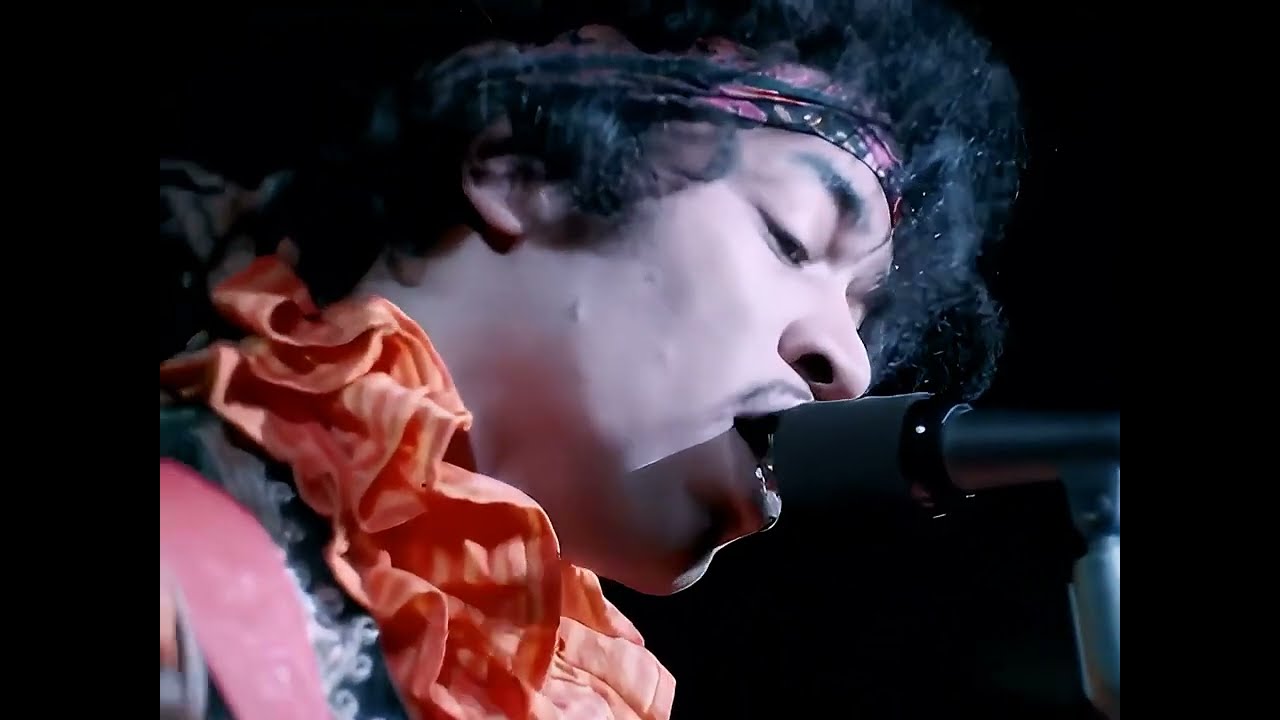
Jimi had so totally reinvented B.B. King’s original that it made perfect sense to rename it and make it his own song, morphing into Lover Man. Of course, B.B. never rocked out to any significant degree, even in his earliest ’50s recordings, so there isn’t a comparable moment from King’s own mighty back catalog.
B.B.’s own opinion on the Hendrix version isn’t known, though he did relate, in a number of interviews, that he’d encountered Hendrix in Jimi’s early days – when Hendrix was playing with Little Richard and the Isley Brothers – finding him to be quiet and friendly, and they did encounter each other towards the end of Hendrix’s life. King often spoke of his admiration for Jimi’s playing.
Hendrix had quite a few attempts at recording Lover Man but was never happy enough with any of them to sanction their release. Jimi applies the same formula to Rock Me Baby as he did to Killing Floor, where all that really remained of the original song was the lyrics.
Again, Jimi blends in rhythm and lead parts to create the illusion of two guitarists playing at once, and also employs the Delta blues trick of singing and playing the same melody lines at times – something he did to great effect on his own track, Voodoo Chile.
7. Star Spangled Banner (Live At Woodstock – 1969)
As always, Hendrix finds a way to keep the essential core of the original melody whilst simultaneously taking it to places that no other artist could have even imagined.
Often interpreted as an anti-Vietnam protest – though Hendrix never said that himself – it sounds more like the soundtrack to Armageddon. The full blown aural assault assails the senses – indeed pushing the listener into sensory overload, as Hendrix replicates the essence of the Sturm und Drang of bloody, violent warfare.
There is a common misconception that this was a one-off protest by Hendrix, but he had been playing the piece for quite some time and had also adopted a similar approach with the UK national anthem, and allegedly, though no aural evidence exists, the French national anthem.
The concept of ‘killer guitarist plays solo national anthem’ has become a fairly common occurrence at major sporting events, but no other artist has ever dared take it to the places Jimi did, to deliver a pioneering exploration of the outer limits of what a man, possessed of unrivalled skills and imagination can wring out of an electric guitar set to stun.
8. Drifters Escape (Loose Ends 1973)

The third dip into the Dylan songbook for this list, covering a track that the Bobster never actually played live until 1992. It was originally on Dylan’s John Wesley Harding album, which was released to mixed reviews back in 1967.
Hendrix recorded his version three years later, though it remained unreleased in his lifetime, initially turning up on one of the many posthumous cash-in compilations – Loose Ends, before later appearing on the far superior roundup of outtakes and works in progress that was South Saturn Delta.
The song is essentially based around the I chord, with brief forays to the IV, creating an endlessly repeating loop that didn’t offer a wealth of harmonic potential, something that clearly didn’t faze Hendrix, who sprays superlative fills and rhythmic motifs across the verses and choruses, and unleashes yet another Hendrix masterclass on the solo.
Although Jimi didn’t give the song the radical reworking that he applied to other cover versions, he did manage to repurpose it for an electric rock audience from its acoustic guitar/harmonica folk-based source.
9. Come On Part 2 (Electric Ladyland – 1968)
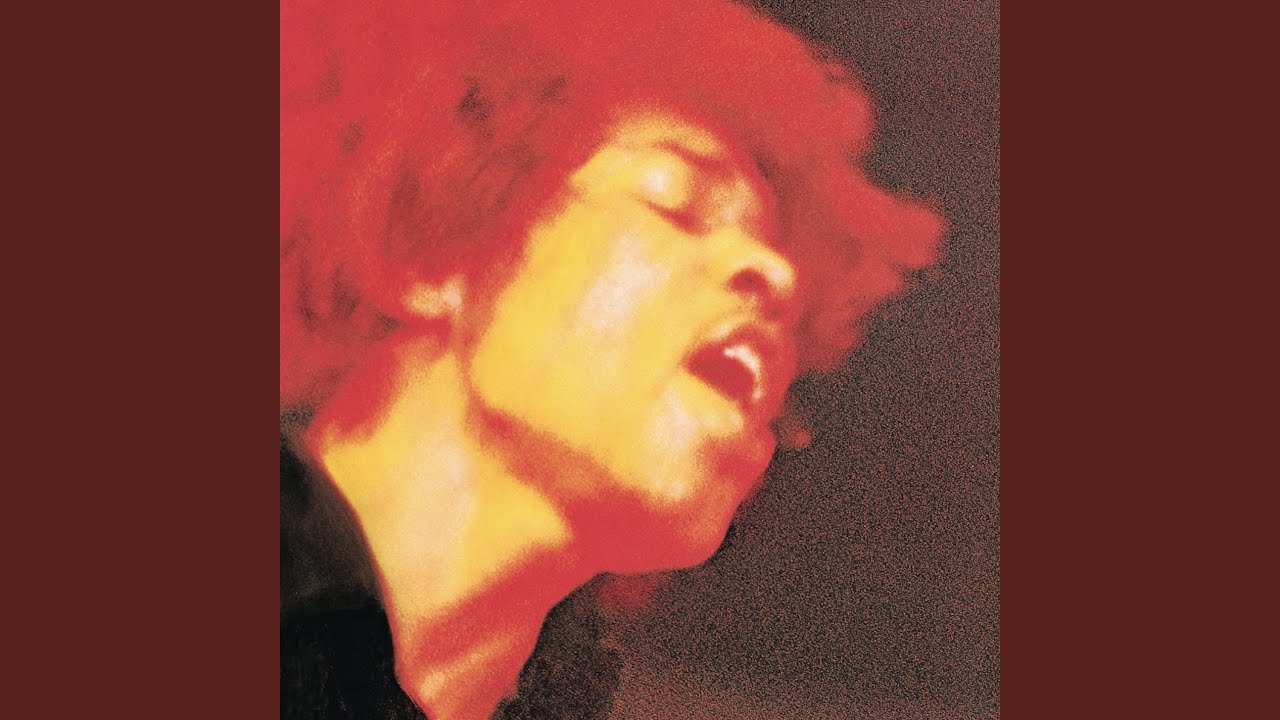
Earl King’s original single version was split across both sides of the 7” and named Parts I and II accordingly. Hendrix’s cover combines both sides of the single, although he calls it Part I. (When Stevie Ray Vaughan covered it, he called his version Part III, in a clear nod to King and Jimi).
Hendrix brings a stomping upbeat soul feel which he welds onto an otherwise faithful recreation of the original, until the solo, where Hendrix once again pours his own special sauce across three choruses of fluid, dynamic incendiary fretboard fire in the middle of the song before returning to the main theme, and again for a couple of choruses at the end.
Jimi had been covering the song for many years since its release in 1960, performing it in some of his first bands; much like Freddie King’s Hideaway it’s the kind of blues rite of passage standard that guitarists saw as a benchmark of their abilities, and one of the staples of the blues guitarists’ canon in the early ’60s.
Earl King re-recorded the song in 1977, taking some inspiration from the Hendrix interpretation to complete the full circle of song evolution. According to Experience bass player, Noel Redding, it was the last song recorded for Electric Ladyland, “We just played it live and they took it.”
10. Johnny B. Goode (Hendrix In The West – 1970)
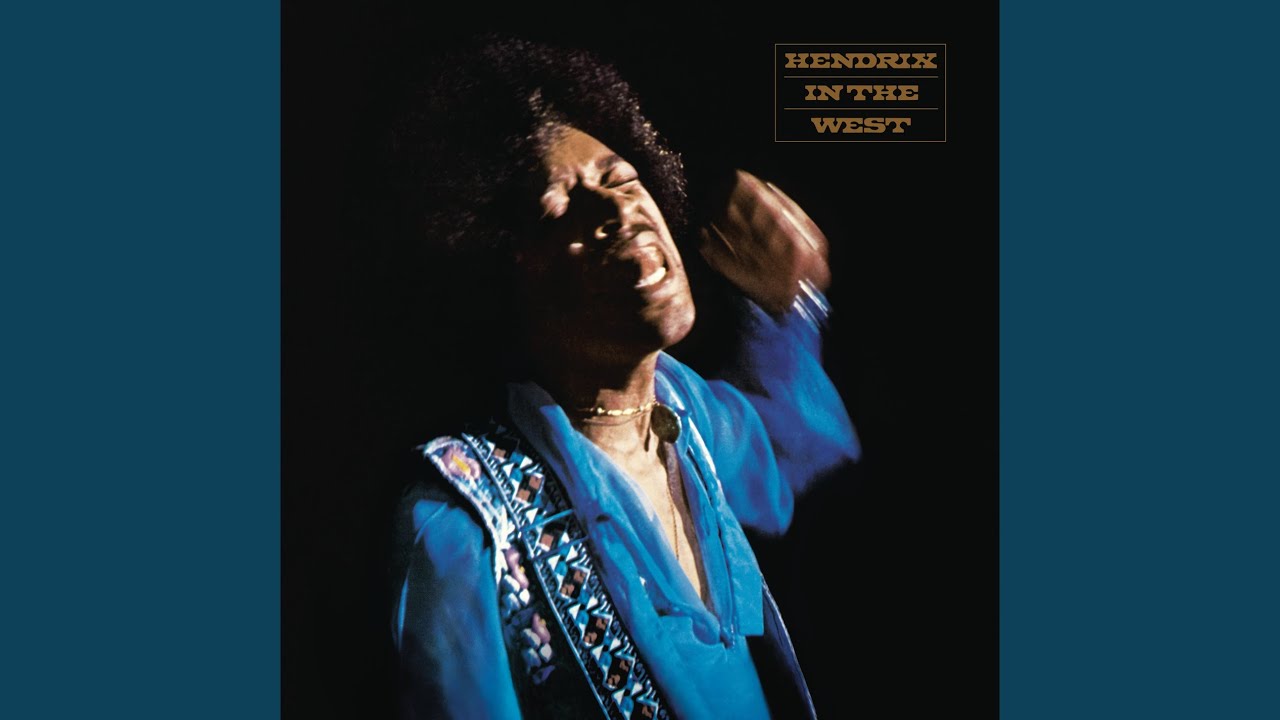
One of the most covered songs of all time, and a staple in the repertoire of every bar band since Chuck Berry released it, way back in 1958. Johnny B. Goode doesn’t appear on this list due to Jimi’s reinvention of the song, but rather, his reinvention of the typical approach to the solo.
The average guitarist is usually content to blast out a stream of archetypal Chuck Berry licks, mixing and matching Berry’s blueprint in a predictable way. Hendrix eschews the obvious, of course, and brings his signature supernatural take, whilst still maintaining contact with the essence of the song, though there are moments when it almost feels like he’s about to leave the whole thing behind.
Each of the six choruses of solos kicks off with the Berry motif before launching into outer space for a series of crazily bent notes that reach pitches that shouldn’t exist. The tone that Jimi creates with the mix of Strat, Marshall and unfeasible overbending, excoriates all subsequent cover versions, rendering them redundant.
11. Daytripper (BBC Sessions – 1967)
Although Hendrix brings plenty to the table with this cover, it doesn’t really fall under the “made it his own” umbrella and hence is added as an extra for consideration - a side dish to the feast that is the ten songs above.
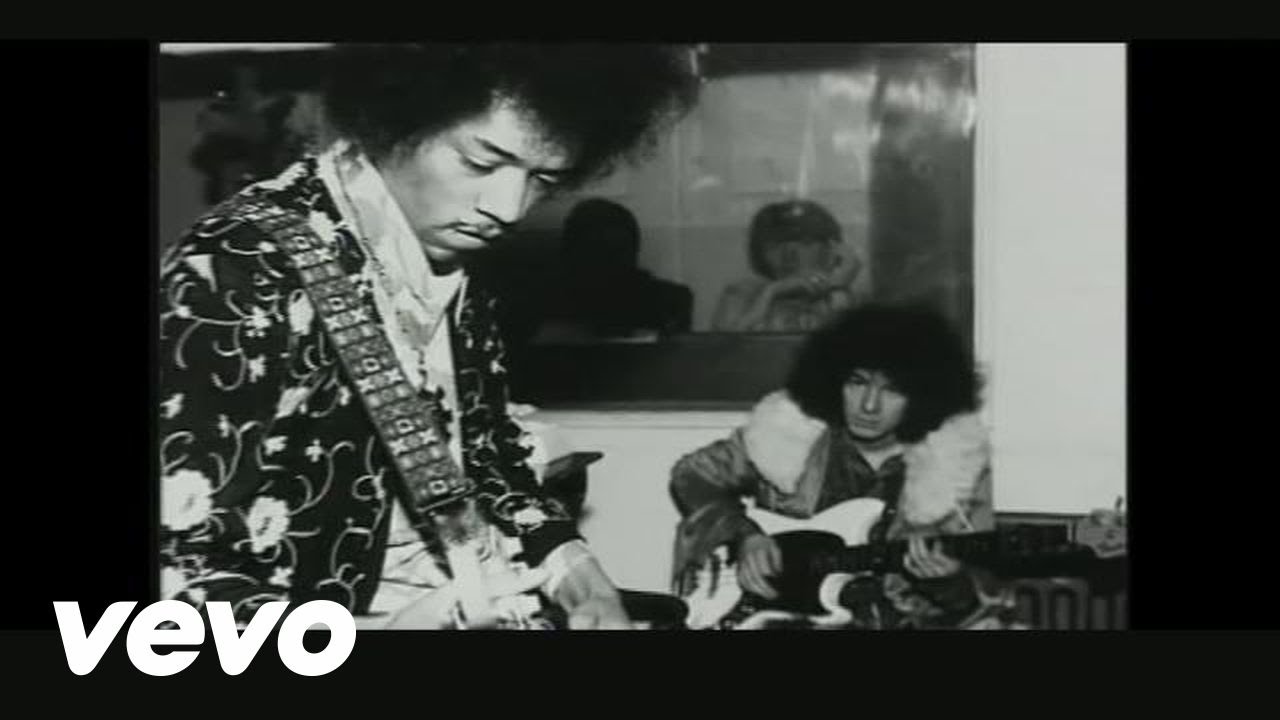
One of many tracks that were uniquely cut for various BBC radio shows in the UK (all captured on the essential BBC Sessions collection), Jimi laid down this version a couple of years after The Beatles’ original hit the top five on both sides of the Atlantic. It’s interesting to compare the unrestrained, free-flowing vibe that Hendrix introduced, which takes the song to another level.
Jimi’s version is far more urgent, making the Fab Four’s original sound a little sedate by comparison – something that happened every time Hendrix covered a song. With the Beatles’ version, not much really happens in the middle break – of course, Hendrix grabs the opportunity to blaze through a rip roaring solo, overloaded with scorching guitar pyrotechnics.
Slight Return – a handful of contenders for further consideration
Although the tracks above are the cream of the crop, there are a handful of other noteworthy examples, including the BBC Sessions cover of yet another Dylan song, Can You Please Crawl Out Your Window, any of the attempts at Hound Dog – a song which Hendrix toyed with on a number of occasions, his mini version of Cream’s Sunshine of Your Love and another BBC Sessions cut showcasing Jimi’s spin on Muddy Waters’ Hoochie Coochie Man.

