

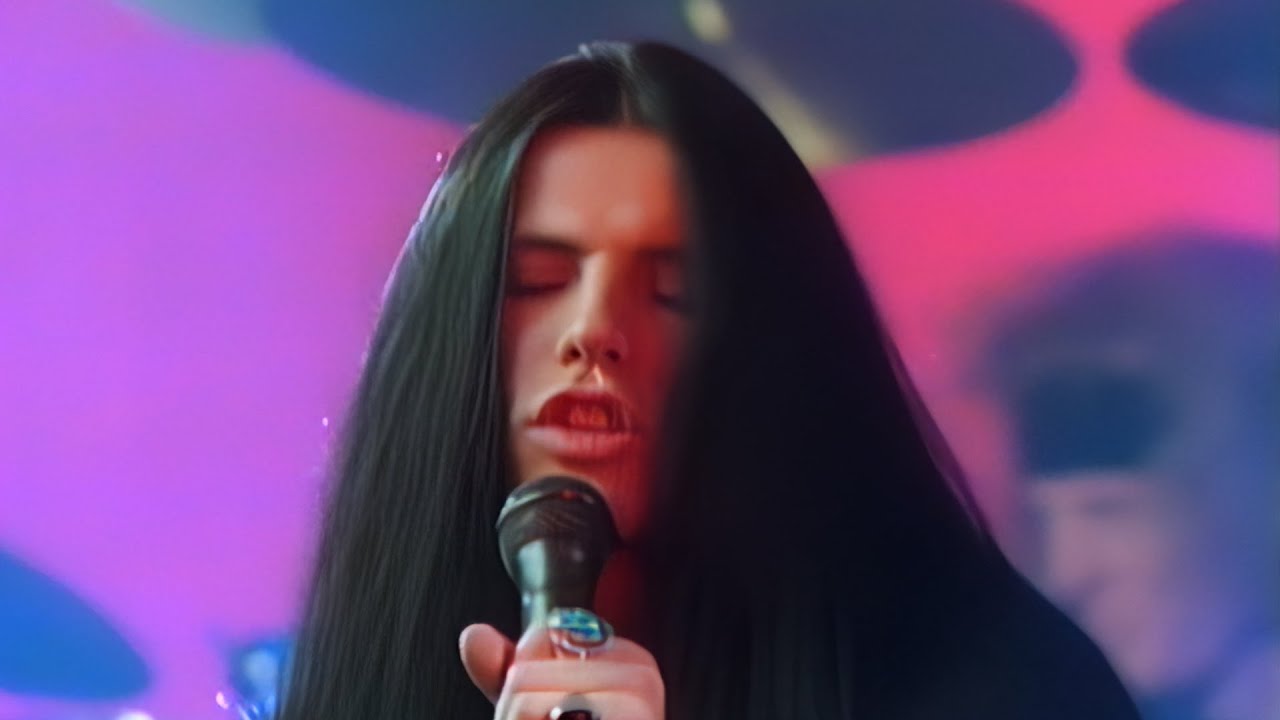
Truth be told, The Cult’s Billy Duffy doesn’t have a clear memory of how Fire Woman, the band’s 1989 hit from their mega album, Sonic Temple, came to be. “Sounds crazy, but it’s a total blank!” he admits.
What he does remember is that producer Bob Rock – who’d go on to work with Metallica, Bon Jovi, Blue Murder and Mötley Crüe – told him he’d make him a guitar hero through the track.
“We wanted to add a few elements, layers and textures from the [1985] Love album,” Duffy says. “But I will confess: Bob edited a lot of what I played to refine exactly what he felt the song needed. We knew it was a potential single.”
Fire Woman would peak at number two on the Billboard Modern Rock Tracks chart, as well as topping charts around the globe. Since then it’s become a fixture in The Cult’s set – though Duffy admits it’s not easy to play even now.
“It’s a challenging song. Bob told me, ‘I make the records; it’s your job to figure out how to play them live!’ But I would say, especially when we were young in the late ‘80s, we smashed it.”
He continues: “We probably went through a difficult period after that with the tune, but I'm happy to report that in the last few years, I think we’ve cracked the code. I’ve been super happy with how the band plays it.”
Where were you as a player by the time of Fire Woman?
It was a time when Jamie Stewart, the bass player, and I had decided we needed to up our proficiency. The previous album, Electric, had opened the door to the mainstream rock market in North America.
We wanted to move on from that purist approach to something that was perhaps a tad more layered and, dare I say, sophisticated. We felt Electric, while great fun and full of attitude, was not a record we could or would make twice.
What gear were you using by that point?
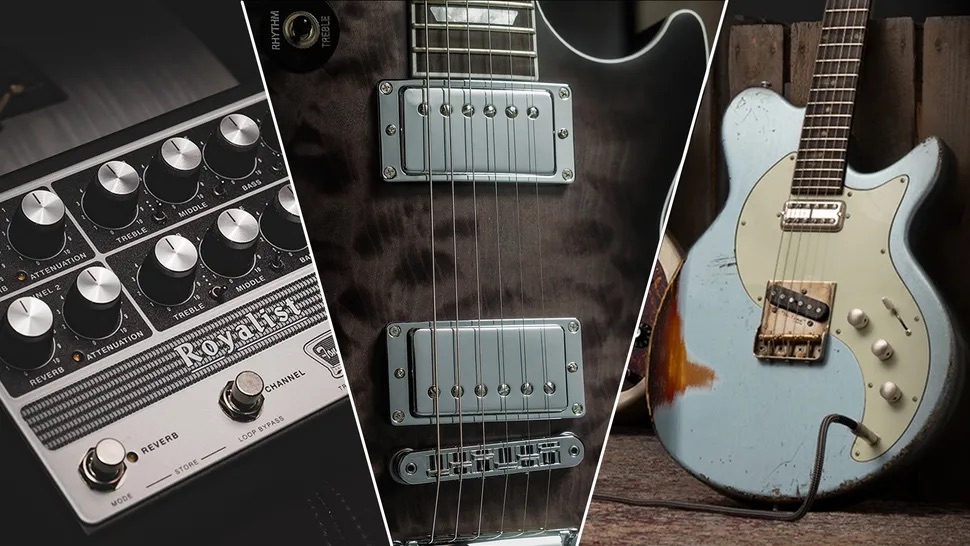
I was using the Marshall JCM800 heads and cabinets we’d bought new when the band finally made some money from the Electric World Tour. I had mine modified in NYC by Harry Kolbe, so they had more gain, which I really liked. It had a thicker, fuller, warmer, fatter sound.
I also used a Roland JC120 for that magical clean chorus. But I’m sure Bob had amps knocking around too. I’m always open to using what I term ‘studio amps’ for specific parts and sounds – and trust me, on a 48-track recording, there were many parts to cover!
What was the studio like?
It was the “world famous” Little Mountain in Vancouver, Canada. I can’t remember much except it had two full separate studios – other bands would be in there doing odds and sods too.
What did Bob bring out in you as a guitarist?
He told me, “Don’t worry, I’m gonna help you become a guitar hero.” And he did! Prior to that session in 1988, we’d been on the road in America with Billy Idol then Guns N’ Roses. I saw up close just how good and dedicated those guys were to their playing and instruments.

It really focused my mind into bettering myself as a player. A bit of punk rock attitude is great too, and I had that. But the way music was heading, I needed to work hard to improve the technical side of my game at that time.
Put us in front of your amp with a guitar in hand while recording Fire Woman.
I always track in the room with the guys, but then the serious business of laying down deeper stuff is done in the control room. I spent many, many days with Bob and Mike Fraser. As I said, I was reaching to move The Cult sound forward, and it took a lot of time and effort.
A lot of hours and sweat went into the track, and the album. I learned a lot in the process
I remember working on the picking parts for the intro using the Gretsch White Falcon and maybe the 12-string of a Gibson double neck. Don’t judge – Zep were back at that time!
We wanted to reference She Sells Sanctuary a little bit, obviously. Also, a lot of time was spent doing seriously tight rhythm guitar parts. Bob cracked the whip there. As for solos and fills, that was the fun stuff we did at the end, once we had all the basics.

Fire Woman went on to become a hit. Was that a surprise?
I wasn’t surprised it had more mainstream commercial success. It took the band to the next level – and we made a solid video for it. A lot of hours and sweat went into the track, and the album. I learned a lot in the process.
What does Fire Woman mean to you now?
It’s one of the hardest, if not the hardest, songs to get right. The chorus vocal on the word “fire” is super high for a start. Bob told Ian Astbury it was only a background vocal initially!
And the guitar is very layered, so I had to figure out how to distill all those parts down, and then the groove. And don’t forget the backbeat, which was played by a session drummer. It’s vital, so the tune has bounce and swagger.

