


With a nickname like “The Lost Beach Boy,” you’d think David Marks’ contributions to America’s beloved fun-in-the-sun band would be minimal – but not so much. By his recollection, Marks, along with fellow guitarist Carl Wilson, positioned the early Beach Boys as the next great guitar band rather than the pop-vocal powerhouse they became.
“We were rock ‘n’ roll and guitar-oriented until Brian [Wilson] started experimenting,” Marks says.
Looking at the Beach Boys’ early records, on which a 14- and 15-year-old Marks played (mostly) rhythm guitar, you’d have to admit he’s right.
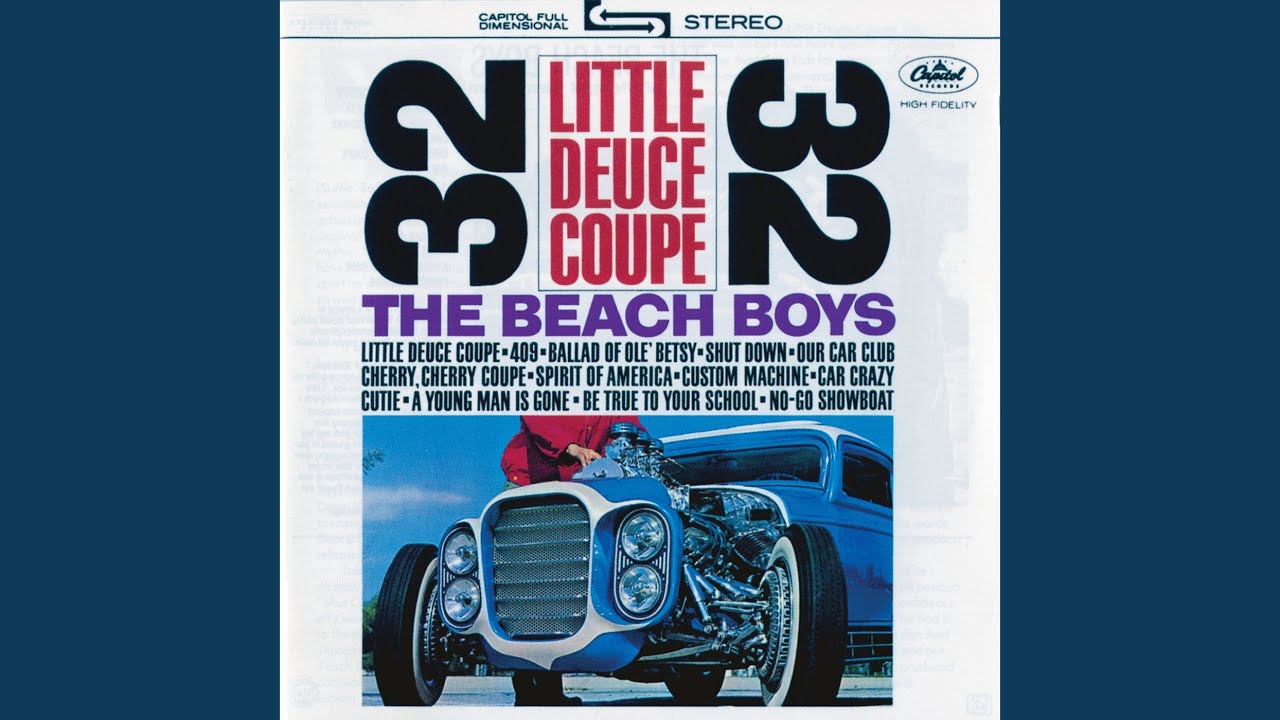
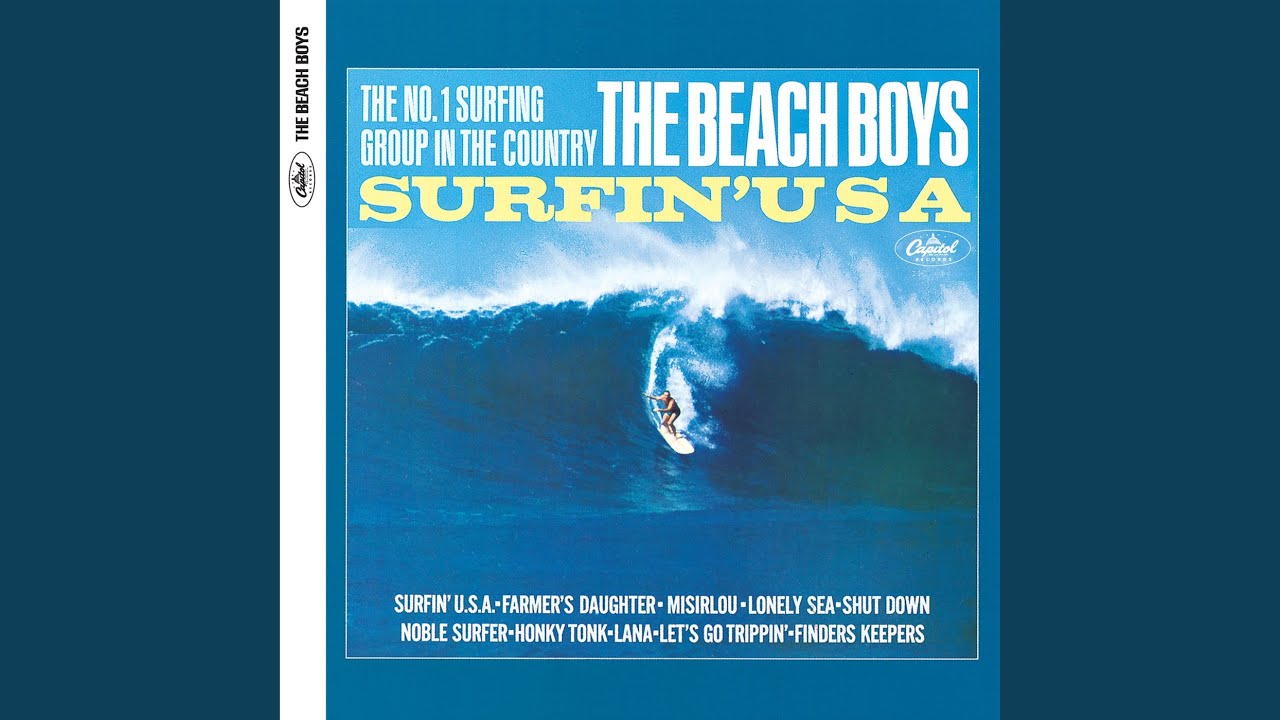
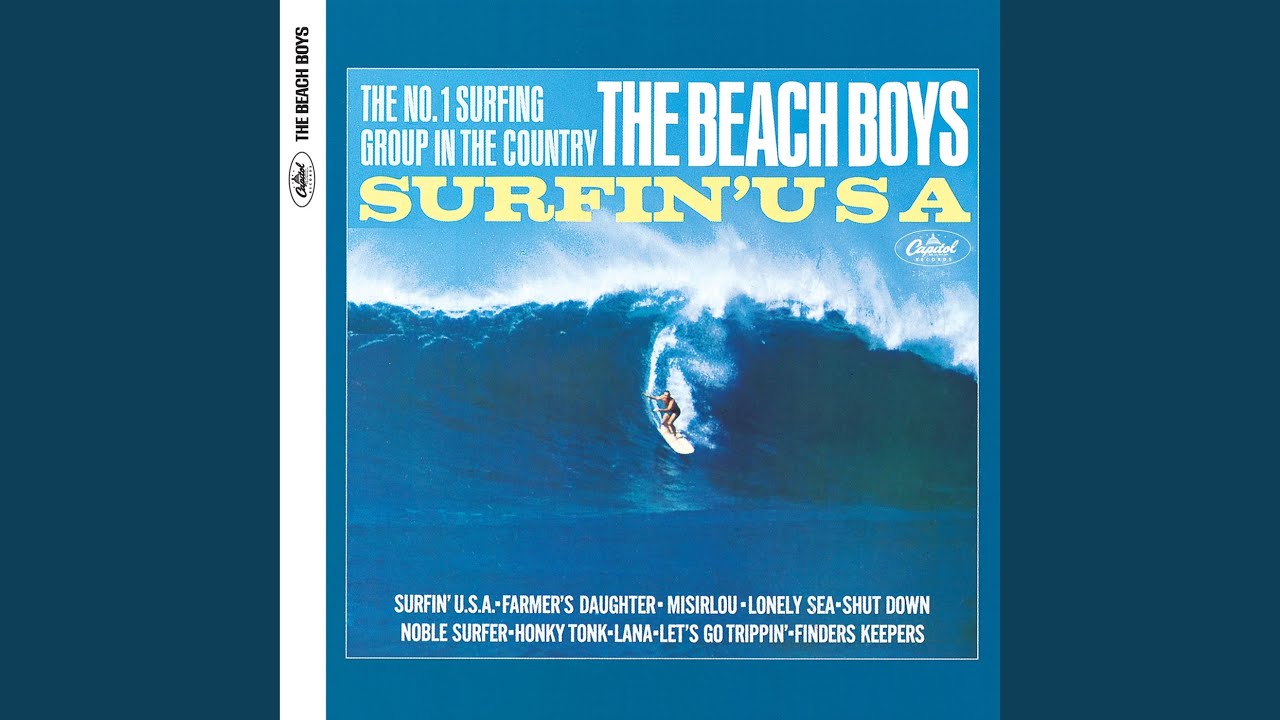
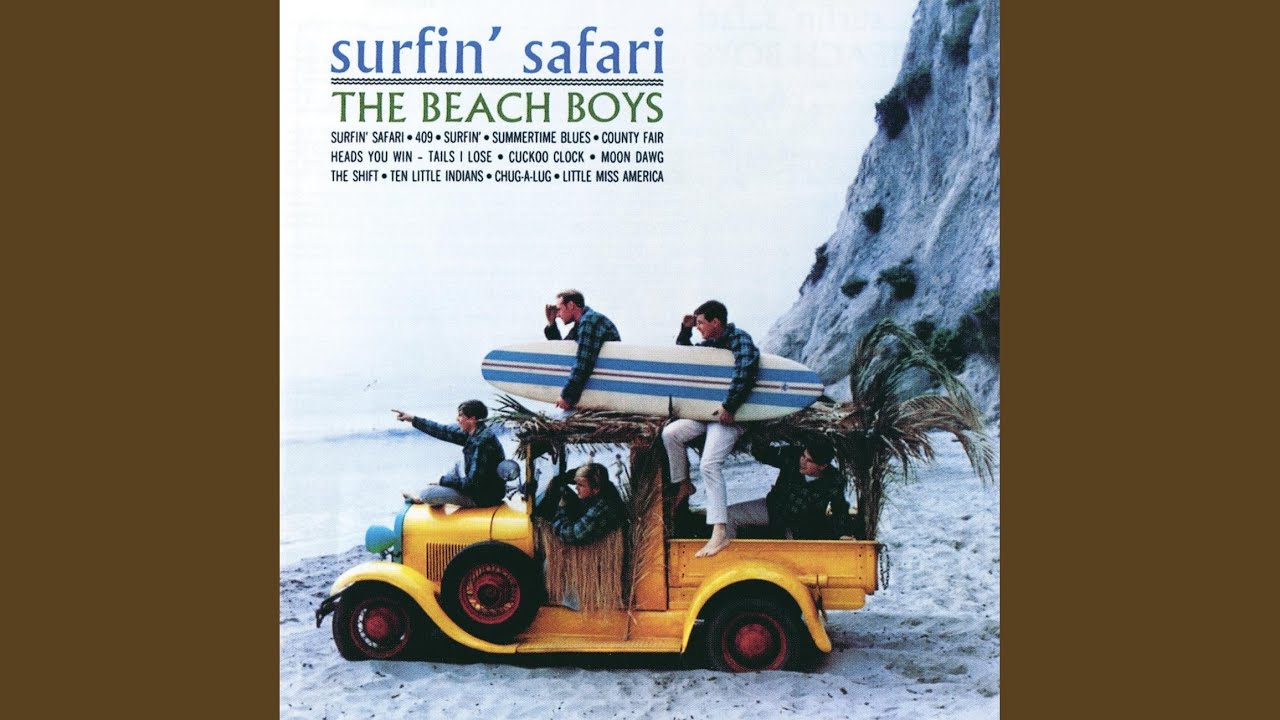
Sure, songs like Surfin’ Safari, Surfin’ USA and Little Deuce Coupe had plenty of sugary sweet vocal melodies. But half of the Beach Boys’ debut, 1962’s Surfin’ Safari, was straight-up instrumental, guitar-driven surf rock. With that, there were plenty of Fender guitars and amps and boatloads of floor-kicking reverb.
“The band was more of a vocal band,” Marks says. “But Brian really liked what Carl and I were doing on guitar. It was more contemporary. Brian would throw an extra chord in there, which made it unique. He’d throw in a major seventh or a minor seventh, which has since become common, but was unique because it was a fusion of rock ’n’ roll guitar and jazz chords.”
The band, for a long time, didn’t understand his contributions. This is mainly because of Brian, Carl and Dennis Wilson’s father, Murray, who managed the group. Murray robbed the young Marks of credit, dignity and money, driving him to quit, thus burying his stake in the band, and all but erasing him from Beach Boys history.
But even before that, life as a Beach Boy wasn’t easy for Marks. What’s more, it was impossible to live a normal life while going to public school in California.
“I was in junior high when we had our first hit with Surfin’ Safari,” Marks says. “I kept a lid on it for a while, but it was hard to be incognito.”
After leaving the Beach Boys, Marks formed the Marksmen, which was immediately undermined by Murray Wilson, who, despite seemingly wanting him out of the Beach Boys, couldn’t let him have success elsewhere.
Marks rebounded by studying classical guitar and composition and getting into session work, but drugs and a free-spirited lifestyle dogged him. So much so that he wasn’t aware that when the Beach Boys were inducted into the Rock and Roll Hall of Fame in 1988, he was excluded.
But things began to change in 1997, when Marks was asked to rejoin the Beach Boys while Carl Wilson was fighting cancer. And in 2007, a polarizing book – The Lost Beach Boy: The True Story of David Marks – was released, exposing fans to the truth about Marks and his contributions.
The Hall of Fame took notice, leading to his way-too-late induction along with the rest of his Beach Boys bandmates. This, along with Marks’ continued touring and recording with the Beach Boys, on through the band’s successful 50th anniversary tour, left the once-forgotten guitarist feeling downright redeemed.

There’s a narrative out there that the Beach Boys weren’t really a guitar band. And sure, when you compare them to say, the Rolling Stones, the Kinks or the Who, they weren’t. But with their Stratocasters in hand, David Marks and Carl Wilson (and let’s not forget about Al Jardine), if only for a moment, had the Beach Boys going down a different path.
But it wasn’t to be. Albums like Pet Sounds, Wild Honey and Holland showcased the symphonic pop sounds we’ve come to associate with Brian Wilson’s idiosyncratic vision, which was fulfilled by the Wrecking Crew for the most part.
So, yeah, that version of the Beach Boys – the one without David Marks – wasn’t a guitar band. But if we’re talking about who the Beach Boys were with David Marks, the “not a guitar band” narrative goes out the window.
“We definitely were a guitar band,” Marks says. “We were heavily guitar-oriented. That, combined with Brian’s brilliant vocal stuff, created our identifying sound. Everybody knows that without a foundation, you can’t build anything. And those first four or five albums were our foundation.”
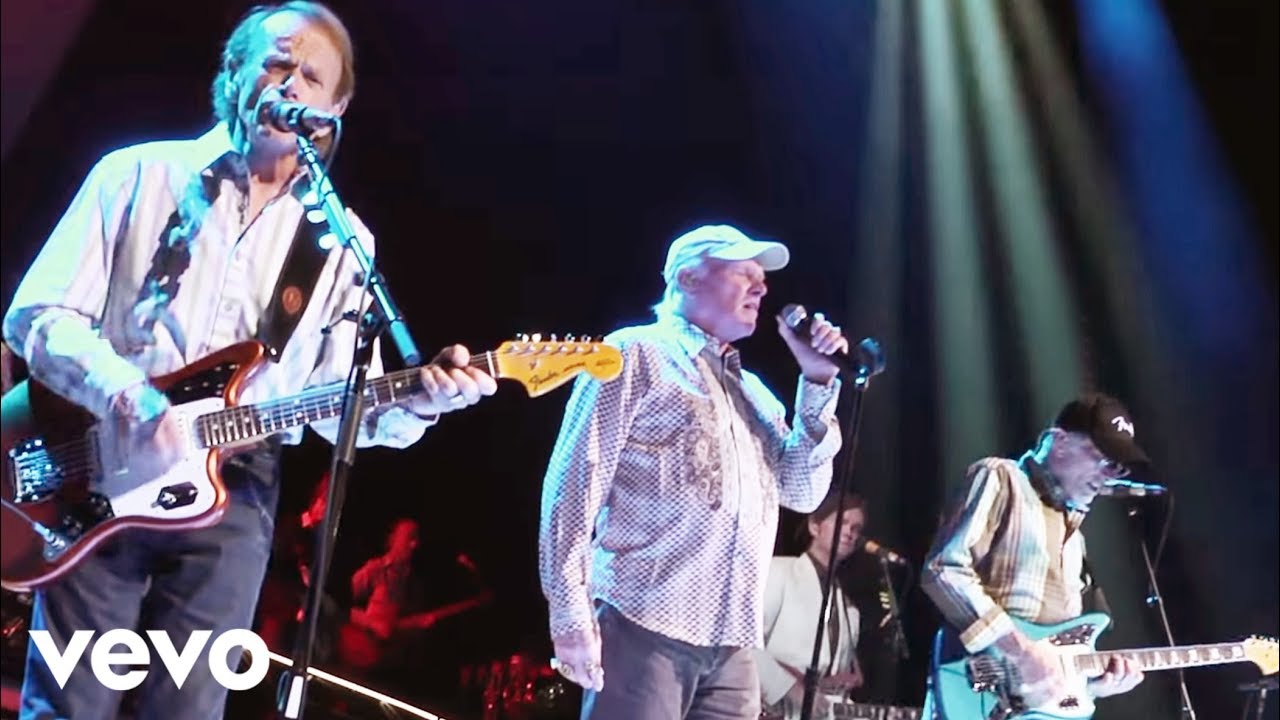
As for his place in it all, Marks says, “Me and Carl created a great base for Brian to operate on. And those early albums all charted! So, the albums that I was on were very important to the building of a foundation for the legacy that The Beach Boys built.”
I was around seven or eight, and as we were moving our stuff into the new house, Carl and Dennis were throwing garbage and old car parts into our yard
How did you meet the Wilson brothers?
My family moved across the street from their family, I think, in 1956. I was around seven or eight, and as we were moving our stuff into the new house, Carl and Dennis were throwing garbage and old car parts into our yard. [Laughs]
Why were they doing that?
They were yelling, “Hawthorne rules, Inglewood sucks!” because the street was the boundary between the two towns back then. But nowadays, they changed it because the freeway goes through. But anyway, that’s how we met.
Were you playing guitar then?
No. When I was around 10, I wanted drums, but my parents decided against that for obvious reasons. [Laughs] So, to appease me, they got me a guitar for Christmas. And around that same time, Carl started picking up guitar, so we started playing guitar together every day after school.
How long did it take for Brian to catch wind of that?
Brian was picking up on what Carl and I were doing, which was playing rock like The Ventures and Duane Eddy. Brian was more into jazz and folk, but Dennis decided Brian should write a song about surfing, and Surfin’ Safari came as a result of that. So Brian recruited Carl and I to play some Chuck Berry-style guitar on that. The rest is history.
The first guitar I had was a Sears Silvertone acoustic. It was blue and white, and the strings were like an inch off the neck
What guitars and amps were you and Carl using at first?
The first guitar I had was a Sears Silvertone acoustic. It was blue and white, and the strings were like an inch off the neck. [Laughs] Carl had, I think, an electric Kay, and he usually played it unplugged, until he figured out how to hook it up to the family stereo.
Then my parents broke down and got me a [Fender] Stratocaster after Carl had gotten his first Strat. After a while, Carl got a Fender Jaguar and played it through a [Fender] Dual Showman, and I played my Strat through a single Showman.
We both had Lansing speakers. And we had an outboard Fender reverb unit. When we kicked that, it sounded like surf on a beach. It made this distorted sound. Later on, it was built into the amp. Whenever we moved the amp, you got that sound. It’s a classic Fender thing.
Fender gear became synonymous with the Beach Boys' sound and look. It sounds like that was intentional.
We were listening to the Ventures, and when we bought their album, it had Fender guitars on the cover. All those guys were playing Teles and Strats, so we were exposed to that. But with the Strat, when you had the plate off, you could see the springs for the tremolo, which was fascinating to me.
I had no idea what that was, but it influenced my choice of guitars. And the sound was distinctive, and we played with a certain sound and style, which included muting the strings with our hands.
And that was painful then because the bridges had screws coming up, though nowadays they’re flat. The toggle switch was only a three-way. And then, someone accidentally discovered that if you balance it in-between, you can get an out-of-phase thing.
They eventually started making a five-way toggle because of that, but it was interesting and a novelty back then. It was like, “How did you get that sound?” We’d say, “Oh, it’s just the toggle switch balanced between the settings.” [Laughs]

Brian was never a pure rock guy, so would you say that he embraced the rock elements that you and Carl brought to the Beach Boys?
Well, the first few albums were very heavily guitar-oriented. As a matter of fact, our first album was half instrumental because Brian couldn’t crank out songs fast enough, so we did filler. So, yeah, we were definitely a rock ’n’ roll, guitar-oriented band up until Brian started experimenting.
What do you remember about recording songs like Surfin’ Safari and Surfin’ USA?
Our first demos were Surfin’ Safari, 409 and a ballad called The Lonely Sea. And Murray Wilson, Brian’s dad, would shop those songs to every record company, and we were turned down by every label but Capitol, who took a chance on us.
Those demos were definitely recorded at Western United, this cozy little studio. It wasn’t very big, but it had that special sound. But when we signed to Capitol, we recorded a bunch of our material there in a big room where Frank Sinatra recorded all his stuff.
What was that like compared to Western United?
Oh, you could tell the difference between the two studios. It was very distinctive. The big sound that’s on our first albums came from that studio with Capitol. It was a real, obvious difference in sound, where you could hear the brightness of the studio at Capitol compared to the tight, little sound at Western.
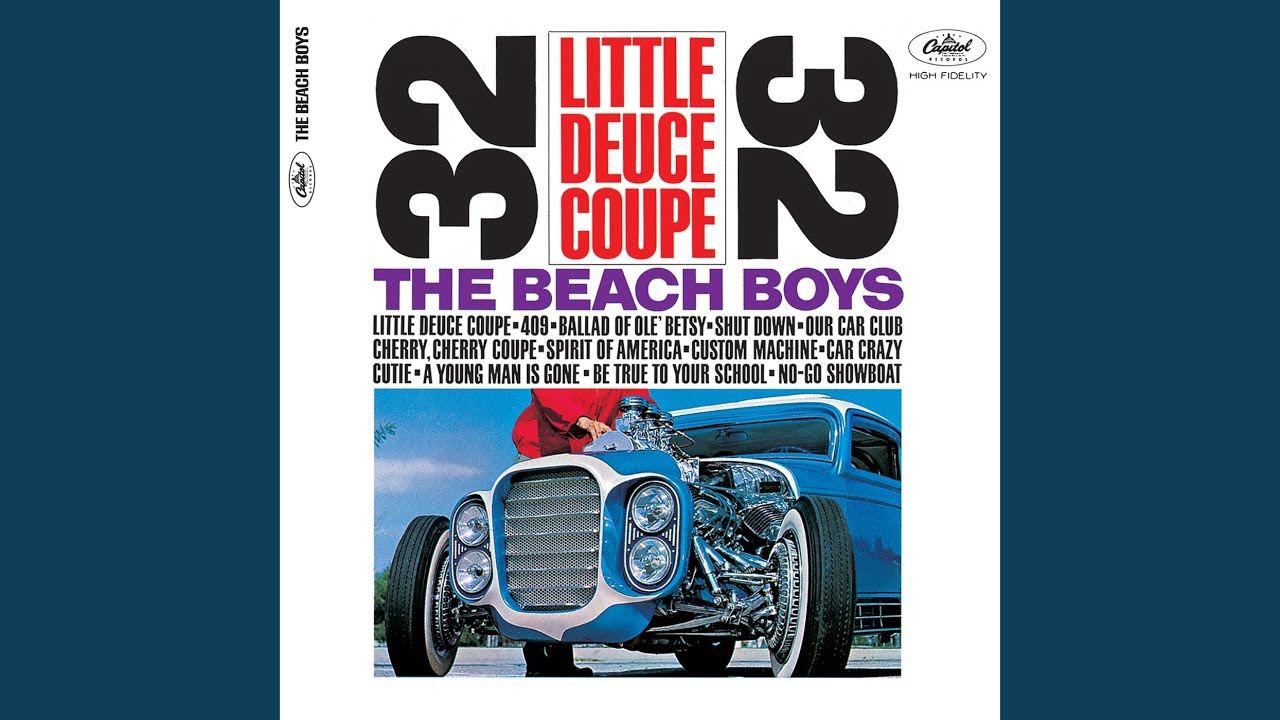
You were only 14 or 15 when you were recording songs like Surfer Girl, In My Room and Little Deuce Coupe. What was that like?
Yeah, I was. [Laughs] But those songs you mentioned, just like the others, were done at the little studio, Western United, which was actually on Sunset Boulevard. We used that studio because Brian had heard a rumor that Phil Spector had used it for his songs.
But for the most part, Brian started using Gold Star Studios, where Phil Spector also used to record, though that was later on in the ’60s. So, for the first four or five albums, it was either Western or Capitol.
I started attracting attention. We had to leave public school and enroll in a private school in Hollywood... A lot of big producers and actors went there, so we fit in better, except that we didn’t learn anything
Was it hard to be a normal kid with hit songs constantly climbing the charts?
I started attracting attention. We had to leave public school and enroll in a private school in Hollywood, the Hollywood Professional School. It’s not there anymore, but a lot of big producers and actors went there, so we fit in better, except that we didn’t learn anything. [Laughs]
We used it as a meeting place, and then we’d go off for the day and screw around. I graduated eighth and ninth grade, and eventually, in 10th grade, started causing a disturbance, so I only made it halfway through 10th grade.
But back when my daughter was three, she was passing me up, and being smarter than I was, so I decided to get my GED. But I never caught up with her. [Laughs]
By 1963, you were on your way out of the Beach Boys, but there’s a rumor that you overdubbed the lead guitar parts for Don’t Worry Baby. If that’s true, it would have been unusual since Carl handled most of the leads.
Yeah, Carl usually played the leads. And Murray wanted Carl to do it because it was his son. By then, I’d stopped going on the road with them and eventually stopped recording with them. But I was still going to school with Carl, and by then, Brian was staying home and writing and recording.
He was off the road, and I would go over to visit him almost every day after school, and he was recording and stuff. And then, The Beach Boys got off the road, and they’d overdub vocals and stuff. So, one day, Brian said he wanted me to do a lead on something he was working on, which was Don’t Worry Baby.
I got really excited, and when we got to the studio, it turned out to be that guitar break that everybody is now familiar with. It’s just a chord and upstrokes, like a high E conversion on the 12th fret. I was just going, “Chunk, chunk, chunk,” which I thought was Brian playing a joke on me because that was his sense of humor. I was ready to shred, and he just had me doing this little chord thing. So, yeah… that’s a true story.

Most people assume that you left the Beach Boys because Al Jardine came back, but that’s not quite true, right?
I just wanted to party with Dennis. We weren’t really business-minded like Carl, who was kind of born an old man
Brian had stopped touring with us because his main love was writing songs and producing records. He would do high-profile gigs, but for the most part, Al came back to tour with us and played Brian’s bass parts, which saved our asses. [Laughs] Without Al, we couldn’t tour, so how would we sell records? That’s the way it worked back then.
So, Al saved the day when he came back. And during the third album, Surfer Girl, he started recording with us. He played some bass, and sang, and he was on the Little Deuce Coupe album, too. As for me, I was a child. I didn’t understand business. Murray tried to drill it into my head–and Dennis, too.
But I just wanted to party with Dennis. We weren’t really business-minded like Carl, who was kind of born an old man. [Laughs] Murray would put Carl in charge of me and Dennis on the road, which was a big burden on poor Carl. But anyway, I wanted to party, and Murray wanted to form a corporation with just the family.
And that led to Murray screwing you out of writing credits and royalties, right?
He kind of put a little bit of psychological warfare on me as a child. Because I was a child, of course, he would fudge the recording sessions and union contracts, and he’d choose which records I would get royalties on and which ones I didn’t. He was kind of stealing my money, and I didn’t realize it.
I got resentful for a few years in my 30s and 40s, but I absorbed that, channeled it and became grateful for the time I did have with the Beach Boys
Is that what led you to walk away?
Yeah, so, really, he would put pressure on me. And I was rebellious and didn’t realize the hugeness of where The Beach Boys were headed, as far as the influence they had, or that we had, on the world of music. I was an obstinate, rebellious little kid.
After that, you formed the Marksmen, which Murray undermined and kept off the radio as, I guess, payback for you leaving the Beach Boys. Though that seems bizarre, as he seemed to want you gone anyway.
We had a gig where Dennis fell off the drum riser and broke his ankle. He couldn’t play, and so Carl recruited a friend named Mark Groseclose to sit in. And Mark was in a band called The Jaguars, and so I recruited those guys to do the songs that I was writing since Brian wasn’t really taking my material seriously.
So I applied my songs to this band and called it the Marksmen, got myself a Fender Jaguar, and we recorded. We were actually A&M’s first band; they gave us a contract. Of course, they had Herb Alpert’s Tijuana Brass, but we were the first other artist to sign that label.
How long did it take for Murray to start undermining what you were doing?
We had two releases, but Murray put the kibosh on the airplay, so it didn’t go very far. And then Murray wanted to sign The Marksmen, but I said, “No, you’re the reason I quit The Beach Boys…” He got mad and told the DJs that he wouldn’t give them the new Beach Boys release if they played my record. I heard that from one of the radio jocks at the time, so my band didn’t last very long.
Is it true that you remained a legal member of the Beach Boys until 1967, but you didn’t know that at the time?
I kind of realized it, but I didn’t realize the power I had. Like, Murray didn’t fire me; I was his boss, so to speak. So I just stopped showing up. That’s what happened.
In the early ’70s, you sat in with the Beach Boys a few times, and Mike Love asked you to rejoin.
I went to school in Boston to study classical music and composing. The Beach Boys passed through town at Symphony Hall, so I went to see them and sat in with them for the last two songs. The next day, we had breakfast together, and Mike asked me to come back to California and rejoin the band.

Did you consider it?
A few months later, I came out to California, dropped by Brian’s house, and everybody was there recording something. Then Carl said I was welcome to come back, but I had to play bass. But I had dedicated my life to playing guitar, so I declined. I said, “I don’t think I want to be a bass player in the band,” so I didn’t rejoin. So the real reason I didn’t rejoin is that I didn’t want to switch to bass because my first love was guitar.
You hooked up with Delaney and Bonnie for a bit. The rumor is that Eric Clapton replaced you. Is that true?
I was doing a lot of sessions with Jim Keltner, the drummer for Delaney and Bonnie. Their album was coming out, and their guitar player couldn’t tour with them because he was an in-demand studio guy, so Jim asked me if I wanted to come by to one of their rehearsals.
I did, and after a few gigs, Dr. John asked me if he could sit in, and he replaced me. And then, Eric Clapton joined the band after that. I don’t know the circumstances, but he was their guitar player after that.
You were close friends with Warren Zevon. The rumor is that you did some demos with him, which may or may not have ended up being re-recorded by other players on his albums.
The thing about that is that I met Warren when he was on White Whale Records. And my mom actually got Warren his first record deal at Liberty Records because she worked for an A&R guy there. And Warren stayed in my apartment building for a while, and he had this cassette played that he recorded practically everything on.
And I wasn’t very consistent with what he would like, you know, with the stuff I played. I wasn’t able to repeat a lot of it because I was just doing Zen guitar playing, like idiot savant-type stuff. [Laughs] A lot of it was brilliant, but I couldn’t repeat it.
So, what happened was that Warren ended up playing those tapes for Waddy [Wachtel]. And Warren and I had a falling out, so I just wasn’t interested in hearing his album. But I recognized the song titles because I worked on all those songs with Warren.
So, to be clear, Waddy learned some of your idiot savant guitar musings and recorded them on Warren’s records. Did you get to talk with Warren about that?
I’m pretty sure Waddy learned a lot of those guitar parts from those cassette tapes that Warren made. But yeah… we never spoke about that. I forgot exactly what happened; we both were drugged-out on coke and drinking a lot. It was something stupid, you know, we got in a little fight and never spoke again after that.
You have no idea what happened between you two?
We were close for many years, from when we were 17 up until our early 20s. My mom got him a gig playing keyboards with the Everly Brothers, and he went on tour with them. I stopped by his house one day, and Crystal, his girlfriend at the time, was there. He happened to call while I was at the house.
I guess he got insecure in the fact that I was there, and he was in Japan. When he got back to town, he called me up and was all mad and threatening on the phone call. That was the end of it between us, which was… very stupid. I don’t even remember what we said to each other, but like I said, drugs had a big influence on our insanity.
Did you keep in touch with Dennis Wilson, who spiraled into that lifestyle, too?
I went up to visit him, and he wasn’t there. But there were a bunch of girls there, which I later learned were Manson girls. Dennis had already abandoned his house up there in the Canyon
Yeah. I ran into Dennis when I was living in a family-owned apartment building on Franklin and La Brea for a while. I was walking around Hollywood, and Dennis pulled up, and he said, “Hey, David!” I turned around, and it was Dennis, so I went up to his house. He played me the new Beach Boys stuff, which was maybe their sixth or seventh album… I don’t remember. But we hung out quite a bit and got high together.
Was this before or after he became involved with Charles Manson?
Well, one day, I went up to visit him, and he wasn’t there. But there were a bunch of girls there, which I later learned were Manson girls. Dennis had already abandoned his house up there in the Canyon, and I didn’t see much of him after that. But I did talk to his first wife, Carol, many years ago, who told me that Dennis left me a note.
A note?
Yeah, he left her a note for me. She said she lost it… she didn’t read it or didn’t know what was in it. But it was during the time that he was recording his solo stuff, Bamboo, and Pacific Ocean Blue. My guess is that he might have wanted me to play on some of that stuff, but I never got to because Carol never gave me the note.
Pushing forward to 1988, the Beach Boys were inducted into the Rock and Roll Hall of Fame, and you were excluded.
At the time they were inducted, I was kind of unaware. I was off doing my own, you know… LSD life, so to speak. But I did hear about Mike’s rant… You know, where, well, I guess, happened during the introduction.
Is it true that the Hall of Fame contacted you in 2007 to rectify the situation?
There was a book written about me [The Lost Beach Boy: The True Story of David Marks] later on [2007]. Somehow, the Hall of Fame got word of that, and they contacted me and apologized. They invited me to do a Q&A at the Hall of Fame in Cleveland, which I accepted.
What was that like?
It was a packed house. They ordered 500 of those books from the publisher, and I sold 500 books. [Laughs] They sold out. Then they showed me the little exhibit, which I was kind of embarrassed about, actually, because they had taken down a bunch of Al Jardine things and put mine up, like a shirt and some pictures. I was a little embarrassed by that; it was too much attention. But yeah… I am officially a member of the Hall of Fame these days.

That must have been a tough pill to swallow. But to your credit, you put it aside and rejoined the Beach Boys in the late ’90s and again throughout the 2000s.
All the way up until my 30s, I was oblivious about how I’d lost a fifth of my 20 percent ownership of the Beach Boys name. I somehow got absorbed by the corporation, and my name was taken off. It was some kind of underhanded, backstabbing deal that went on, and I lost my ownership.
I got resentful for a few years in my 30s and 40s, but I absorbed that, channeled it and became grateful for the time I did have with the Beach Boys. I was invited to go on the 50th anniversary tour and had already been playing in Mike’s band before that. After that, we were just all happy to be together.

It sounds like a full-circle, redemptive moment for you.
It was just a beautiful thing. Our band was wonderful. We were only supposed to do 50 gigs for the 50th anniversary, but it was so successful that we ended up going all around the world. We did almost 80 gigs, but it wasn’t very lucrative for Mike, who had his own touring business. So he got back to doing his own five- or six-piece touring band.
For a long time, you were a polarizing figure in Beach Boys fan circles. But after the book, the Hall of Fame making things right, and you returning to the Beach Boys, did you feel the tide turn in your favor, making you more accepted?
In the very beginning – and I didn’t realize it until I was into my adulthood – I was actually kind of responsible for the electric guitar sound, the rock ’n’ roll transition from folk and jazz music. I passed that onto Carl, and Brian heard it; otherwise, that band might have gone straight for the Lettermen, Freshmen vocal sound, or maybe folk/jazz. So that rock sound was a revelation. I realize that when the book came out, a lot of the fans did, too.
As informative as the Lost Beach Boy book was, you’ve also taken issue with it over the years, as it frames certain parts of your life in a, shall we say, uncomfortable way.
A lot of them didn’t start listening to the Beach Boys until the ’70s. So they didn’t realize there was an actual surf, instrumental band that was guitar-oriented for the first five albums
The first part of the book was pretty accurate about the genesis of the band and the actual happenings and beginnings. But the rest of it was mostly just drunk stories, which I wasn’t very happy with.
But I think there’s going to be a new book coming out in a year or so, since someone expressed interest in doing that. But the first book, well, I know for a fact that it awakened a lot of the hardcore fans and played a part in them starting to accept me.
A lot of the hardcore fans knew about the first four or five albums, but a lot of them didn’t start listening to the Beach Boys until the ’70s. So they didn’t realize there was an actual surf, instrumental band that was guitar-oriented for the first five albums. But yeah… that first book was a piece of crap for the most part. But it did awaken a lot of the fans, and it helped them start to realize I was a part of all that.
Did you get to talk to Brian Wilson before he died?
Yeah. I saw Brian maybe two years ago when the Disney documentary debuted at the Chinese Theater. We were all together again, and that’s the last time I talked to him before he died.
Obviously, it’s hard to have regrets as you were just a kid during your first run with the Beach Boys. What’s more, you were a kid that Murray kind of pushed around. But if you could go back and do it over again, would you change anything?
I think with all good bands – the Beatles, the Stones, you name it – the chemistry between the people has a great deal to do with it
You know, probably not. The whole thing was a learning experience. I was blessed to be a part of that whole thing from the beginning. Having moved across the street, I think, was destiny. If any part of that combination of people and talent had been different, it might not have been as great.
The Beach Boys’ early greatness not only included you but was as a guitar-forward band.
I think with all good bands – the Beatles, the Stones, you name it – the chemistry between the people has a great deal to do with it. There’s a spiritual thing going on there, too. I used to refer to it as “the Beach Boy Bubble,” where when we got together, it was really Zen and a beautiful thing.
So I went through a bit of a regretful period in my early adulthood. But as I matured, I learned that it was a gift. I then became very grateful for everything that happened. I wouldn’t change any of it.
- This article first appeared in Guitar World. Subscribe and save.

