


John Lennon once called the Beatles’ Ticket to Ride “one of the earliest heavy metal records made.”
Try to imagine that song pumping through the house speakers before a Morbid Angel show, and you might conclude that Lennon’s statement was a bit of a stretch. Still, the song’s lumbering groove and droning riff were unusually heavy for 1965, especially within a pop landscape dominated by tracks like Wooly Bully and Mrs. Brown, You’ve Got a Lovely Daughter.
Ticket to Ride was groundbreaking for another reason, though; It was the first Beatles record to feature Paul McCartney on lead guitar. He’d quietly slipped some gentle acoustic strumming into I’ll Follow the Sun the previous year, but Ticket to Ride was different.
His electric leads enthusiastically leaped across the divides between the song’s bridges and verses, then returned to playfully bob and weave throughout the outro, introducing listeners to a side of McCartney most fans barely realized existed.
“I guess I think of myself as a guitar player, really,” he said in 1990. “If I couldn’t have any other instrument, I would have to have an acoustic guitar.”
To the general public, McCartney is, of course, all about that bass. Publications from Rolling Stone to Bass Player have routinely ranked him as one of the greatest bassists ever, and four-string giants like Flea, Geddy Lee, John Paul Jones, Chris Squire and Sting have extolled his inventive, melodic approach to the instrument.
So why in Mother Mary’s name does he primarily identify as a guitarist? To answer that question, we need to head back to 1950s Liverpool, to the modest home on Forthlin Road where a teenage Paul McCartney’s six‑string obsession began.
Home to Us
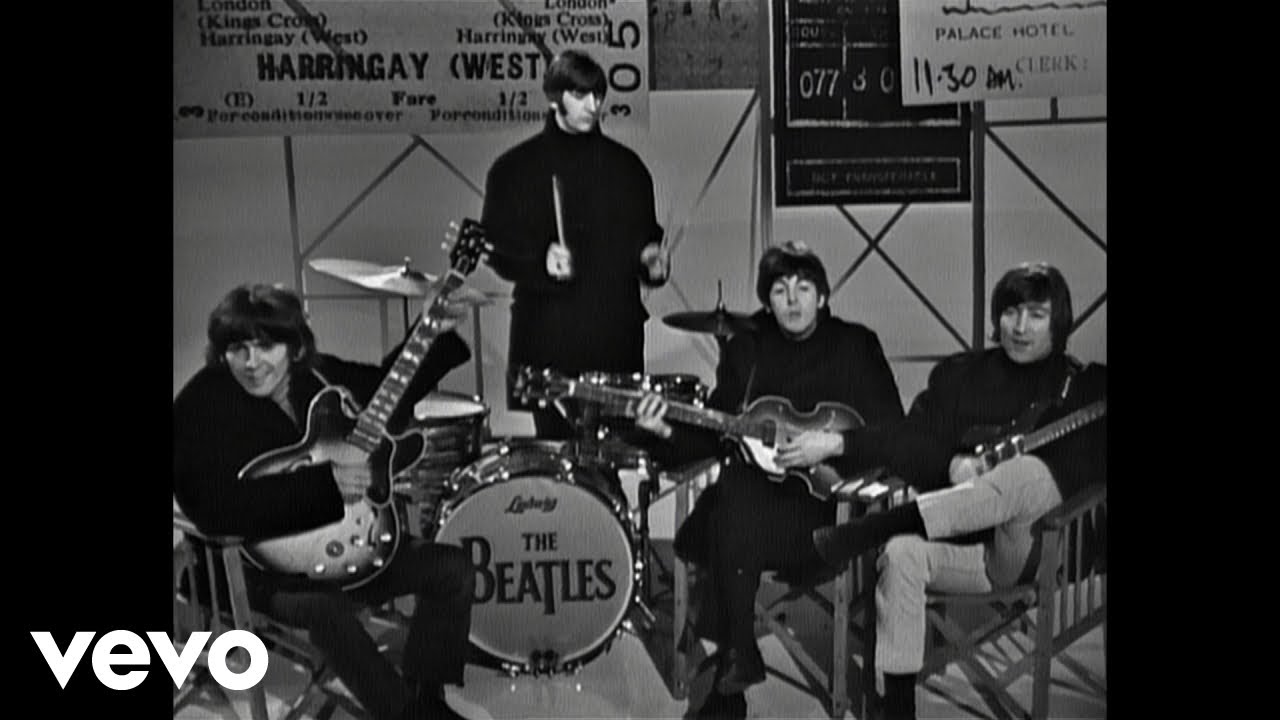
Music filled the McCartney household long before Paul ever touched a guitar. His father James was a skilled trumpeter and pianist who led Jim Mac’s Jazz Band in the 1920s. An old photo of that group would eventually inspire the concept of Sgt. Pepper’s Lonely Hearts Club Band.
Paul’s first guitar was a Framus Zenith 17 acoustic – a right-handed model that posed obvious problems for the left-handed teenager
Family sing-alongs were common in the McCartney home, with Jim providing piano accompaniment as Paul’s aunties grew progressively tipsier.
“My dad was very musical, and I used to listen to a lot of what he did,” the former Beatle told Steven Colbert. “I always think of it like my computer got loaded with a lot of data from all the songs I heard, and so when I finally came to write, I kind of printed it all out.”
In the front room of the McCartney homestead stood an upright piano that Jim bought from a shop owned by the father of the Beatles’ future manager, Brian Epstein. Jim initially encouraged Paul to take piano lessons, but like his dad, McCartney the Younger preferred learning by ear. He famously never learned music theory or note reading.
Paul’s first guitar was a Framus Zenith 17 acoustic – a right-handed model that posed obvious problems for the left-handed teenager. Then he spotted a photo of country singer Slim Whitman playing a restrung guitar upside down.
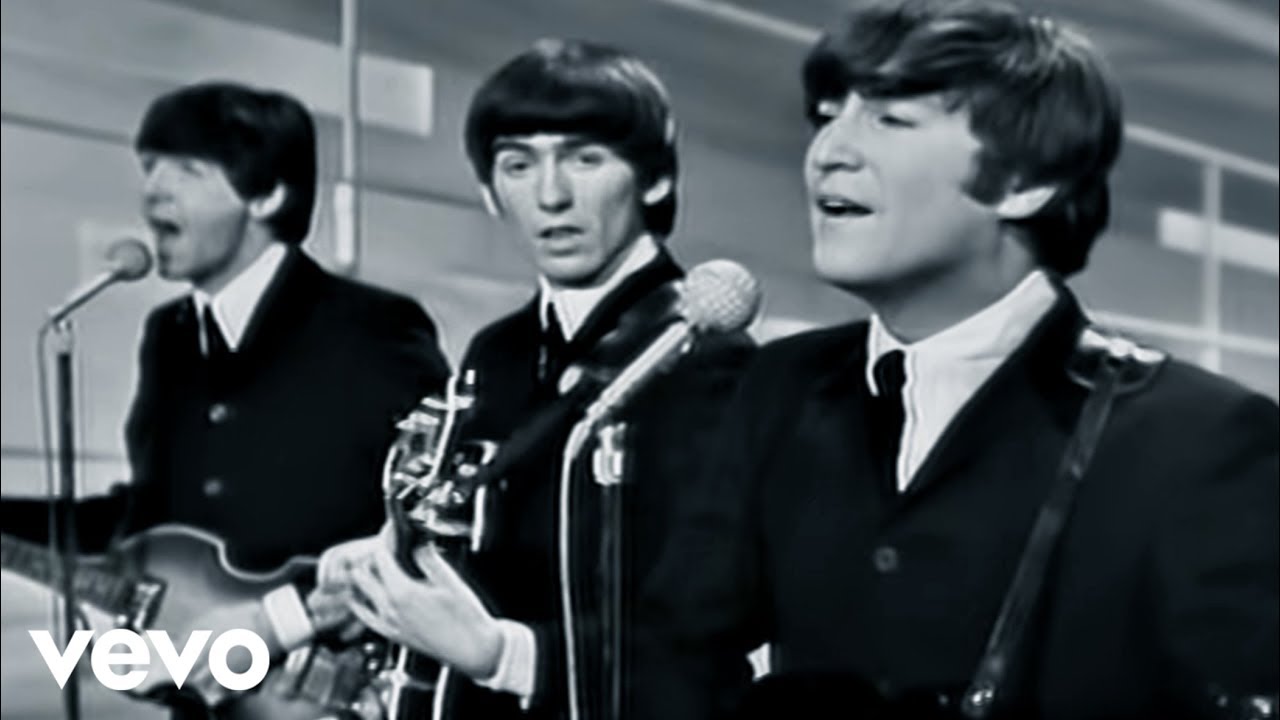
Following his example, McCartney reversed the strings on his instrument. Having already learned a few basic guitar chords from his school buddy Ian James, he set about teaching himself to play by slowing down records and copying what he heard.
When McCartney’s mother Mary died of breast cancer in 1956, music became his sanctuary. In The Macs, his brother Mike remembered that when Paul picked up a guitar, “he would get lost in another world. It was useless talking to him. In fact, I had better conversations with brick walls around this period.”
According to The Beatles: All These Years, McCartney often disappeared into the bathroom with his guitar. “The fine acoustics of the toilet area was always very appealing to me,” he recalled. “Dad would shout, ‘Paul, get off that toilet!’ And I’d say, ‘I’m practicing!’”

Rock Minors
The seeds of a worldwide musical revolution were sown inside a Liverpool school bus. There, two youngsters with guitars on their minds – McCartney and George Harrison – bonded over their shared love of rock ’n’ roll.
“Eventually we made a guitar together,” Paul later told Uncut. “It turned out more like a Hawaiian guitar.”
The Future Fabs progressed as musicians by studying chord charts together and, as Harrison stated in The Beatles: The Authorised Biography, “pinching anything from any other lad who could do better.” At one point, they even traveled by bus across Liverpool to meet a man who knew how to play a B7 chord.
Like Harrison, McCartney found inspiration in guitarists like Chuck Berry, Eddie Cochran and Carl Perkins. Outside of rock ’n’ roll, country music virtuoso Chet Atkins sparked his interest in fingerpicking, while skiffle and folk players helped shape his rhythm guitar style.
“I was a bit of a magpie, really, picking up various styles and gradually assimilating them,” McCartney told Guitar World Acoustic in 2007.

At age 15, McCartney impressed a 16-year-old John Lennon with his performances of Eddie Cochran’s Twenty Flight Rock, Gene Vincent’s Be-Bop-a-Lula and a Little Richard medley. “He could obviously play the guitar,” Lennon later said. “I half thought to myself, ‘He’s as good as me.’”
Before inviting McCartney to be the lead guitarist in his group, the Quarrymen, Lennon was playing banjo chords he’d learned from his mother Julia. As a lefty, McCartney provided a mirror image to Lennon while teaching him proper guitar chords.
“It’s funny; John learned upside down, too, because of me – because mine was the only other guitar around for him if he broke a string or he didn’t have his,” he told Guitar Player.
Even after persuading Lennon to make Harrison a member of the Quarrymen, McCartney continued to play guitar in the group until 1961. At that time, he and his bandmates, now known collectively as the Beatles, were putting in their proverbial 10,000 hours in Hamburg, Germany. When original bassist Stu Sutcliffe left the fold, it fell on Paul, the most versatile instrumentalist of the bunch, to fill the void.
“None of us wanted to be the bass player,” he later admitted. “In our minds, it was the fat guy in the group who nearly always played the bass, and he stood at the back.”
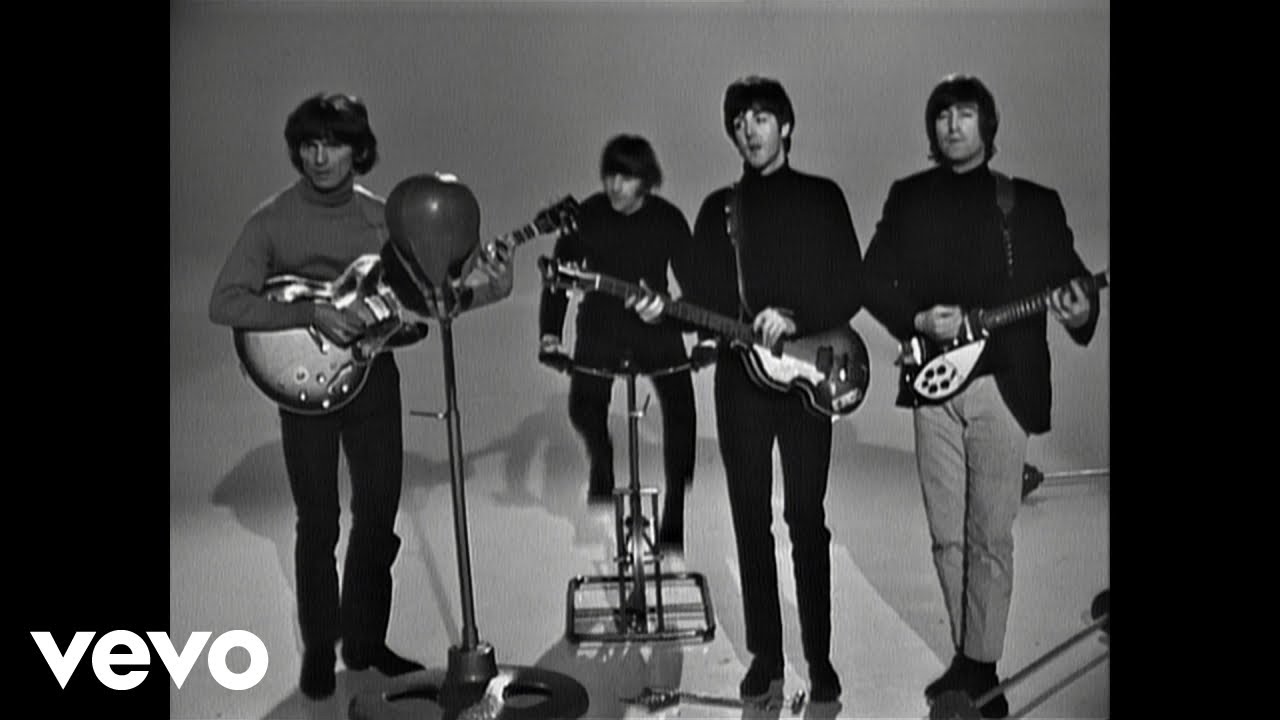
McCartney’s background as a guitarist informed his bass playing, particularly as he and the band evolved. Rather than merely anchoring the rhythm, he chose notes – and, on occasion, bass – that complemented the vocals and guitars with melody and counterpoint, almost using the bass as a second lead instrument.
Still, even as the bass became his calling card and Beatlemania swept the planet, his love affair with the guitar was far from over.
Playing the Casino Card
Cut to late 1964, when a happy accident – or kismet – launched a wave of glorious feedback from John Lennon’s amp at Abbey Road Studios. The Beatles, now the biggest band in the world, knew an epiphany when they heard it. The wasp-in-a-sitar buzz at the start of I Feel Fine became the first known recording of guitar feedback being deliberately harnessed in rock music.
Smitten with the sound, McCartney quickly purchased a guitar that would yield maximum howl – a 1962 Epiphone Casino ES-230TD with a sunburst finish and Bigsby tremolo. It would prove to be his go-to electric guitar throughout his run with the Beatles and beyond.
Paul’s new Epiphone made its studio debut on Ticket to Ride, released as a single in April 1965. A few months later, that song reappeared on the hook-packed Help! album, which arguably marked the first phase of the Wizard of Oz-like transition of the Beatles’ music from black and white to color.
Elsewhere on Help!, McCartney threaded electric guitar leads throughout Another Girl and doubled George’s notes an octave up on the solo to The Night Before.

The Help! sessions also gave Paul the chance to break in a right-handed Epiphone Texan FT-79 acoustic he’d recently bought. He cut I’ve Just Seen a Face and Yesterday on the same day, June 14, 1965.
The latter tune exemplifies his unique fingerpicking style, also heard on later compositions like Blackbird and Mother Nature’s Son. As he explained to Guitar World Acoustic, “I just hit the bass string [with my thumb] and sort of flick the high strings… It’s my own goofball version of fingerpicking.”
Laying Rubber
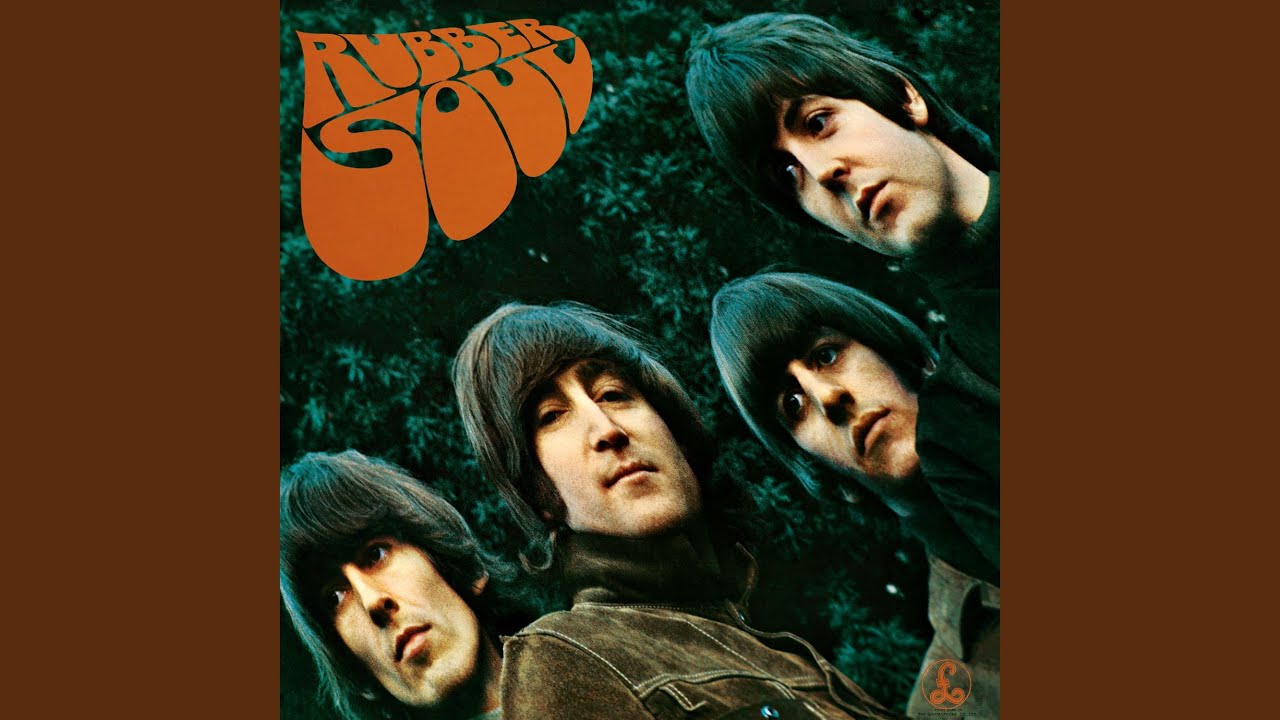
Four scant months after the release of Help!, the Beatles dropped Rubber Soul, underscoring both the band’s light-speed evolution and their freakish ability to crank out brilliant music in A Hard Day’s Night-style fast-forward motion.
The British version of Rubber Soul opened with Drive My Car, a bouncy, Stax/Motown-inspired number equipped with an infectious guitar solo courtesy of Mr. McCartney.
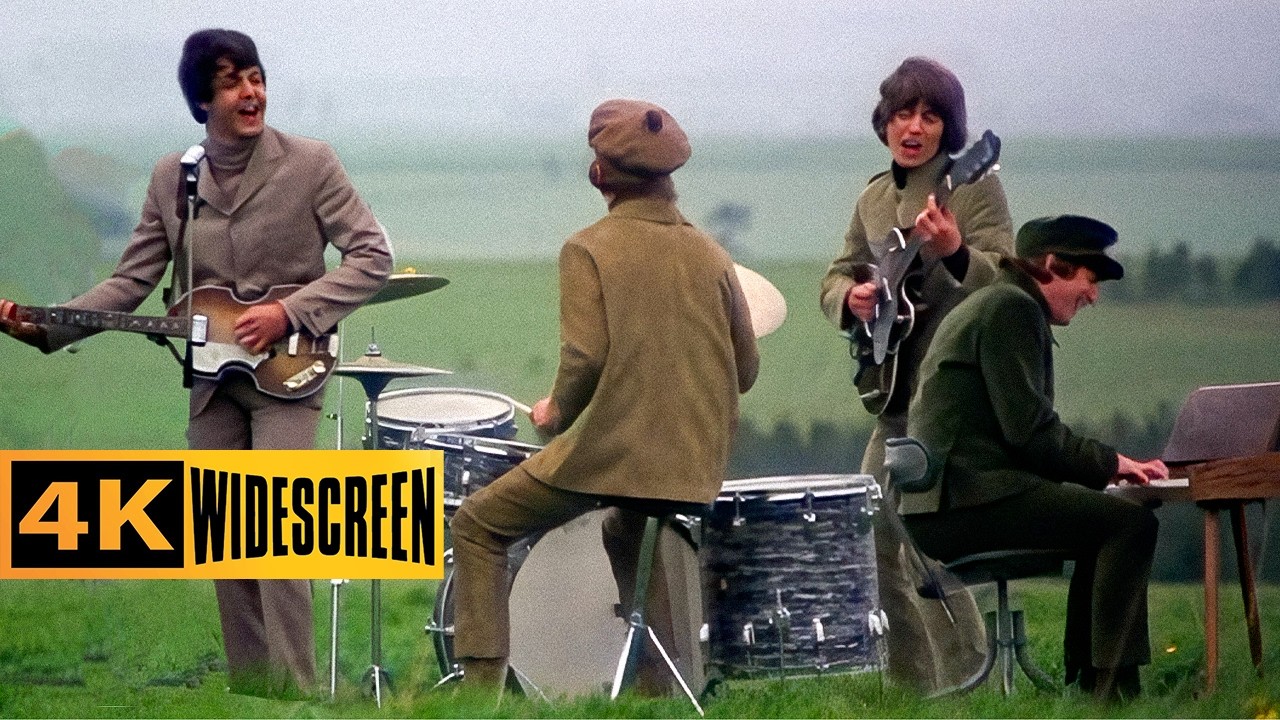
The acoustic-based Michelle revealed another side of Paul’s guitar playing. He has often recounted how, as a teen, he “enigmatically” sat at parties in a black, collar-necked shirt, singing French-sounding nonsense words while fingerpicking this chic little guitar part.
As he bluntly told Conan O’Brien, he did this in the hopes that the ladies “would think I was a French person and would want me to go to bed with them.”
Sadly, his Pepé Le Pew act never quite worked out the way he wanted. On the bright side, it eventually yielded a gem of a song. As McCartney recounted to Guitar World Acoustic, “Years later, John said, ‘Remember that French thing you used to do? We should stick some words on that.’” Thus, Michelle was born, authentic French phrases and all.
While that song’s vocal originated from Paul’s attempts to pass himself off as a Frenchman, its guitar part was an emulation of a man as American as spray cheese on chicken-fried steak: Mister Guitar, aka Chet Atkins.
“There is a song he did called Trambone’with a repetitive top line, and he played a bass line whilst playing a melody,” McCartney explained in Paul McCartney: Many Years from Now. “This was an innovation for us; even though classical guitarists had played it, no rock ’n’ roll guitarists had… I wanted to write something with a melody and a bass line on it, so I did.”
Atkins would bring things full circle in 1966 with his album Chet Atkins Picks on the Beatles, which included an inspired cover of Michelle. Guitar enthusiasts are encouraged to check it out, along with Trambone. If that should lead anyone down a Chet Atkins rabbit hole, don’t say we didn’t warn you.
McCartney told Guitar World Acoustic that he learned the F7#9 chord in Michelle from a Liverpool music shop salesman named Jim Gretty. “All the guys who worked in that store were jazz guys; they had to play jazz well if they wanted to hold down their jobs.”

He recalled being in the guitar shop with George Harrison when Gretty struck an F7#9. “We said, ‘Wow! What was that, man?’ And he answered, ‘It’s just basically an F, but you barre the top two strings at the fourth fret with your little finger.’”
History snuck in through the bathroom window that day; 7#9 chords would later surface in the Fab Four’s covers of Till There Was You and Everybody’s Trying to Be My Baby, then in originals like The Word, Taxman and Sexy Sadie.
After getting the Beatles bump, the 7#9 would help define Jimi Hendrix’s sound, and successive generations of rock players would deploy it as they shot to thrill and raged against the machine.
Backwards to the Future
By 1966, the sound of McCartney’s guitar was becoming a familiar presence on Beatles records. He laid down the ballsy, overdriven Paperback Writer riff just a few days after he and his bandmates recorded Got to Get You into My Life, whose end section contains a guitar passage that shares some DNA with that riff.
In And Your Bird Can Sing, Paul and George’s playful, crisp-toned leads darted around like twin stunt flyers locked in tandem. Up to that point, harmonized dual-guitar leads were unheard-of in mainstream rock music.
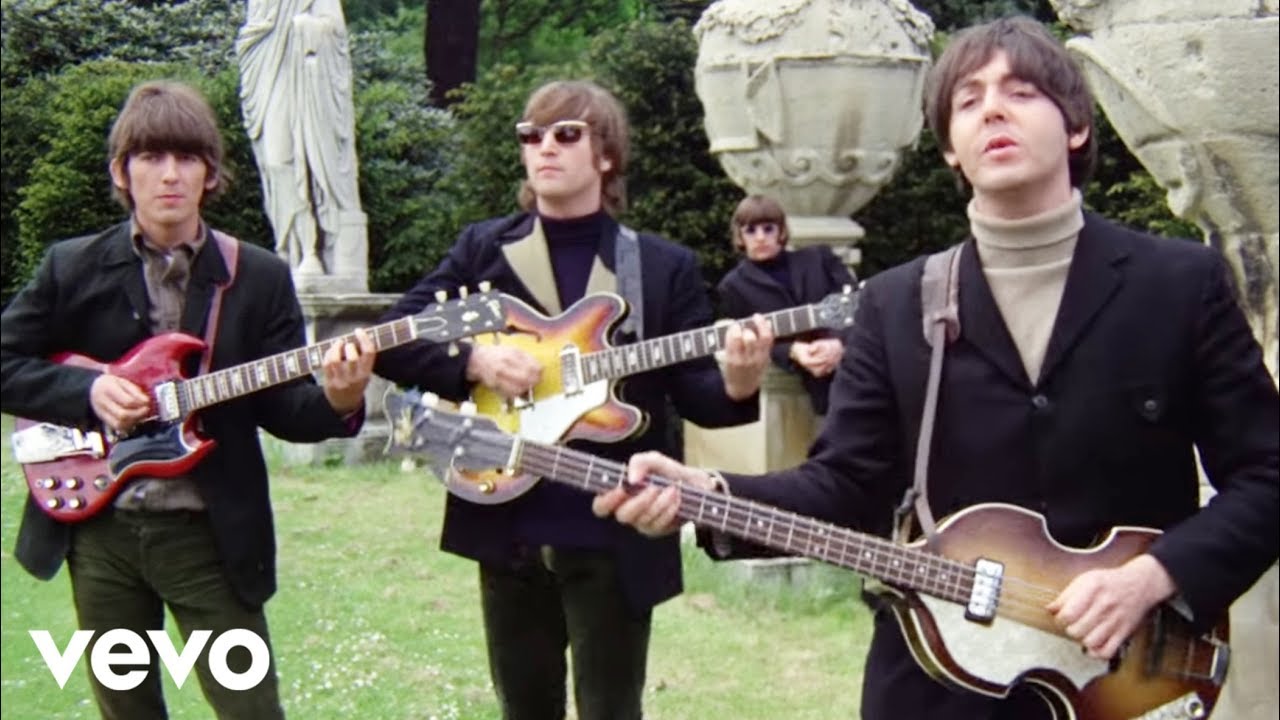
Soon after, groups like the Allman Brothers Band, Queen and Thin Lizzy began following the Beatles’ lead. Flash forward to the early ’80s and Iron Maiden and Judas Priest would send intermeshing guitar leads flying like eagles from their amps.
No less innovative was I’m Only Sleeping, widely regarded as the first recorded example of backwards guitar in popular music. As audio engineer Geoff Emerick has written, after Harrison played the main solo, McCartney “joined him to play the backwards outro in a bizarre duet.” This led the charge for Hendrix, the Byrds, Jimmy Page and other artists who would ornament their music with reversed guitar sounds.
Backwards leads aside, McCartney’s most celebrated guitar work from this period was markedly straightforward. Besides playing rhythm guitar on the stunning Here, There and Everywhere, he delivered what many consider his finest guitar solo in Taxman.
“It was the early Jimi Hendrix days, and I was trying to persuade George to do something like that, feedback-y and crazy,” he told Rolling Stone. “And I was showing him what I wanted, and he said, ‘Well, you do it.’”
Besides Hendrix, Paul’s raucous lead guitar on Taxman nodded to blues guitarists like Eric Clapton, B.B. King, Buddy Guy and Albert King. Author Ian MacDonald (as well as one or two Guitar World writers over the years) has also named Jeff Beck’s solo in the Yardbirds’ Shapes of Things as “the probable inspiration” for McCartney’s performance.
Played on the Casino through an overdriven Vox, the Taxman solo is a Day-Glo splatter-paint pastiche of blues, rock and Indian styles. It is rumored to have reincarnated in backwards form on the one-chord, 500-microgram mind-melter Tomorrow Never Knows.
Seasoning Pepper
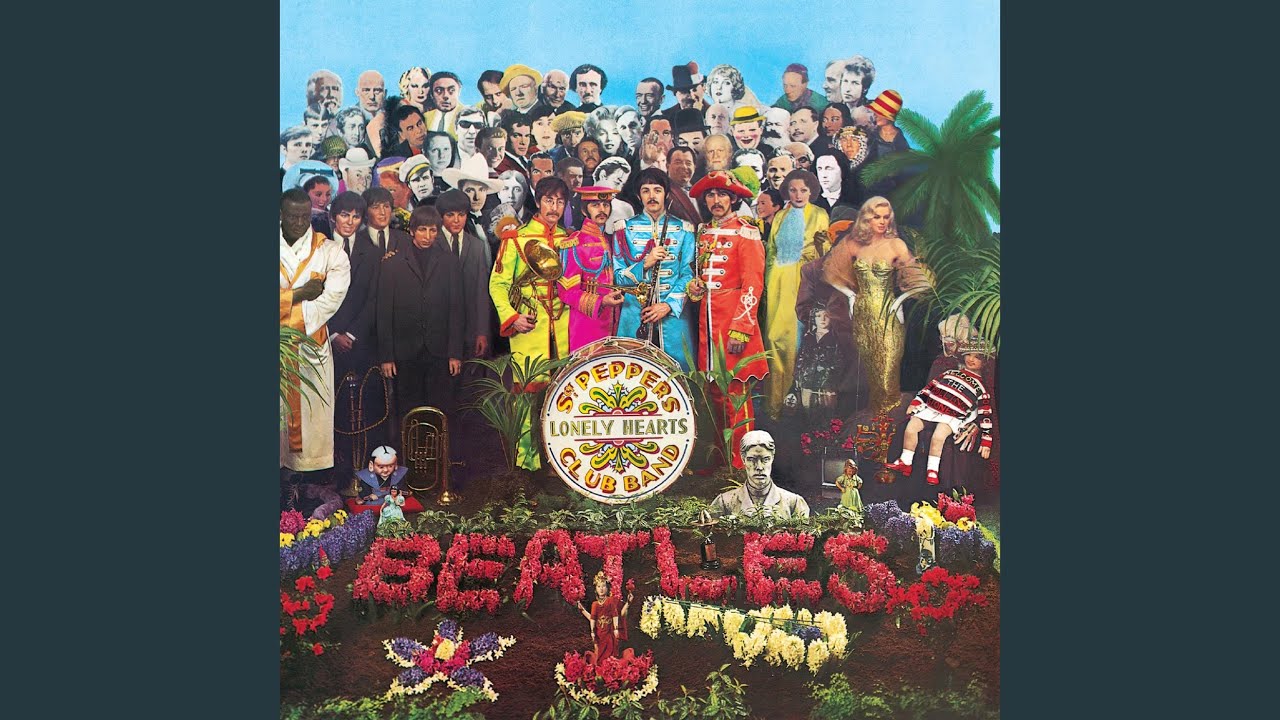
A brief, jagged interjection at the end of Strawberry Fields Forever was the last emission the public would hear from Paul’s Casino for a short while. His guitar of choice on Sgt. Pepper’s Lonely Hearts Club Band was an instrument he had acquired during the Revolver sessions, a single-pickup 1964 Esquire with a sunburst finish and rosewood fretboard.
On Sgt. Pepper’s title cut, he paired the Esquire with a Vox Conqueror. His playing, while simple, was indispensable to the song. After welcoming the audience to the show with his sharp leads in the intro, he bolstered the first verse with punchy fifth-chord stabs on the upper strings.
When the chorus arrived, his meaty power chords added heft and grit to the song’s explosive lift. Then he stitched a series of inverted arpeggios into the second verse, creating a secondary melody that was, and is, sheer magic.
Paul used the Esquire again on Good Morning Good Morning. To this day, his solo is as much a wake-up call as the alarm clock that breaks the reverie in Sgt. Pepper’s closer, A Day in the Life. Its Eastern-tinged legato licks hearken back to his work on Taxman, hitting like a splash of cold water at dawn.
According to Beatles historian Mark Lewisohn, McCartney played the Esquire through a Selmer amp on his spacey guitar solo in Being for the Benefit of Mr. Kite! Paul’s lead was recorded at half-speed and sped up to capture that inhaling-nitrous-oxide-at-the-fairgrounds feel.
Bach Bird, Fly
Some sources credit George Harrison with all the guitar work on Magical Mystery Tour’s Flying. Others maintain that he and Paul both played guitar on the track.
Supporting the latter claim, a fingerpicked run that begins approximately 21 seconds into the song sounds curiously similar to the intro of McCartney’s later composition Goodbye, a hit for Mary Hopkin in 1969.
Besides playing lead guitar on cuts like Back in the U.S.S.R., Why Don’t We Do It in the Road? and Helter Skelter, McCartney made profuse use of his freshly purchased Martin D-28 acoustic on 1968’s The Beatles (informally known as the White Album).
Its warm resonance enriched tracks like Rocky Raccoon, Ob-La-Di, Ob-La-Da, Mother Nature’s Son, Wild Honey Pie, the criminally underappreciated I Will and the ad-libbed Can You Take Me Back? section of Cry Baby Cry.
And then there’s Blackbird, whose roots lie in a Bach piece that McCartney and Harrison wrestled with as schoolboys: Bourrée in E Minor. They never got past the first few measures, but the composer’s use of contrary motion made a lasting enough impression on Paul to give rise to one of his most beloved works.
McCartney’s intuitive use of compound thirds and chromatic voice leading makes for a beautiful and unforgettable guitar part. Blackbird has become a favorite among guitar players of every generation… and the bane of guitar shop employees condemned to hear it on endless repeat.
It’s Getting Very Near the End
As he did in the band’s early days, Macca increasingly focused on bass rather than guitar during the Beatles’ final stage. He did, however, play acoustic and electric guitar on Maxwell’s Silver Hammer, and his Martin helped shape the sound of Two of Us, Maggie Mae and Her Majesty.
Though 1970’s Let It Be was released after the band’s dissolution, 1969’s Abbey Road was the last album the Beatles recorded together. Its parting shot, The End, was the only song to feature solos from all four Beatles. In the three-guitarist relay race near the song’s end, McCartney took the first, fourth and seventh lead breaks, often jumping across intervals rather than playing consecutive scalar notes.
After saying their individual farewells via their instruments, the group left the world with a pithy couplet: “And in the end, the love you take is equal to the love you make.” The song’s final moments conjure images of the musicians rising into the clouds as one, singing a final angelic harmony as they wave goodbye in slow motion. You’d be hard-pressed to find a more perfect closing statement from a band.
In one last pioneering act, the Beatles inadvertently capped off Abbey Road with history’s first hidden album track, not counting the sound collage in the run-out groove of the Sgt. Pepper record. The inclusion of Her Majesty was the result of an editing error, but in retrospect, it can be heard as almost deliberately anticlimactic.
It’s as though after the band members have taken their bows and left the stage, McCartney has poked his head out from behind the curtain to amicably stick his tongue out at us, reminding us that things aren’t so serious after all. Life goes on, and in the end, a band is just a band… even if it happens to be the most pivotal rock band ever to walk the Earth.
- This article first appeared in Guitar World. Subscribe and save.

