


After Ohio native Jim Gustafson had become consumed by guitar, pursuing music in the image of Hendrix, Page, Clapton, Beck, Fripp, Muddy Waters, and Johnny Winter, he thought he’d found his formula with the hard-rocking power trio Poobah.
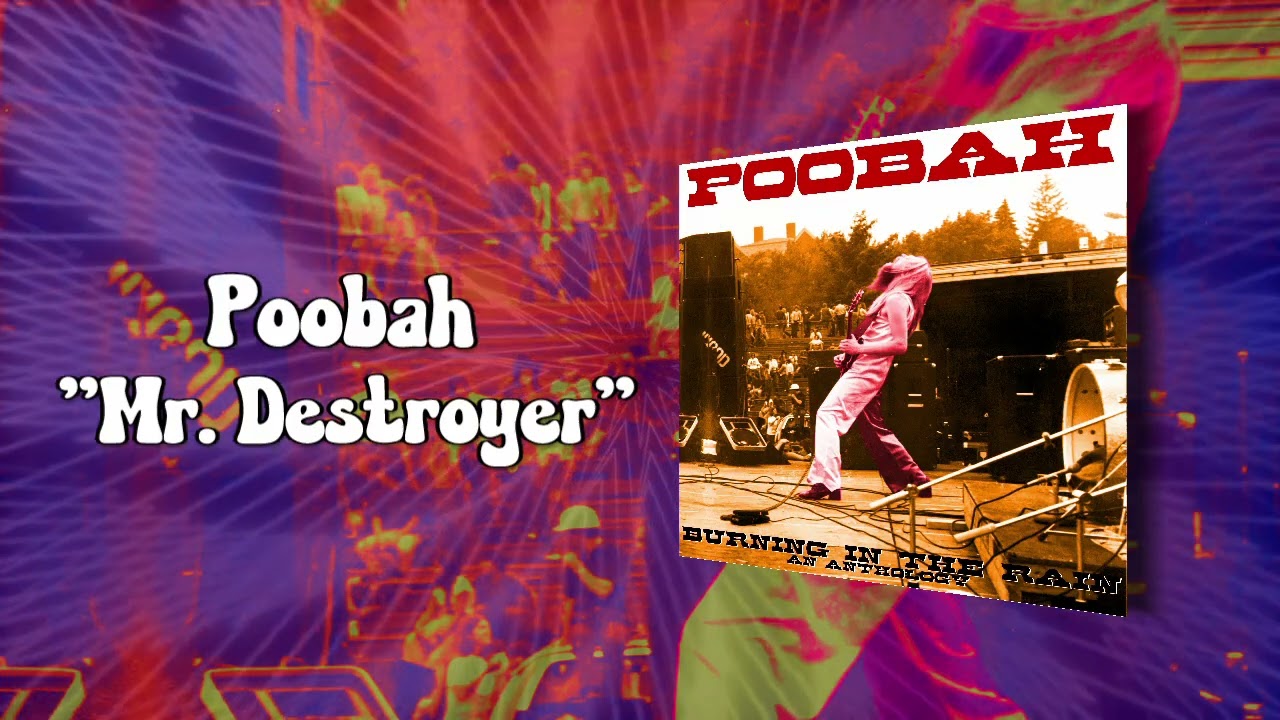
“I was very confident at that time,” Gustafson says. “When I heard my song Mr. Destroyer playing back on the studio speakers, I thought, ‘That rocks!’ I was so excited to hear people saying how much they liked it.”
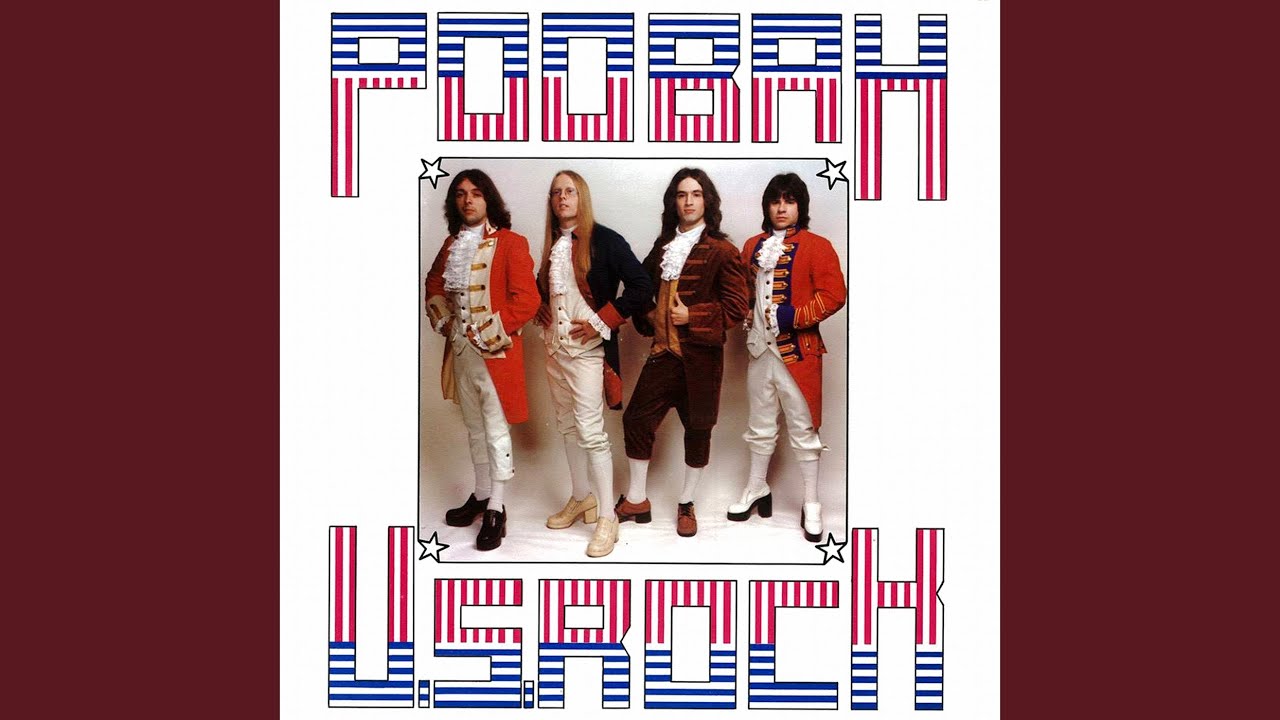
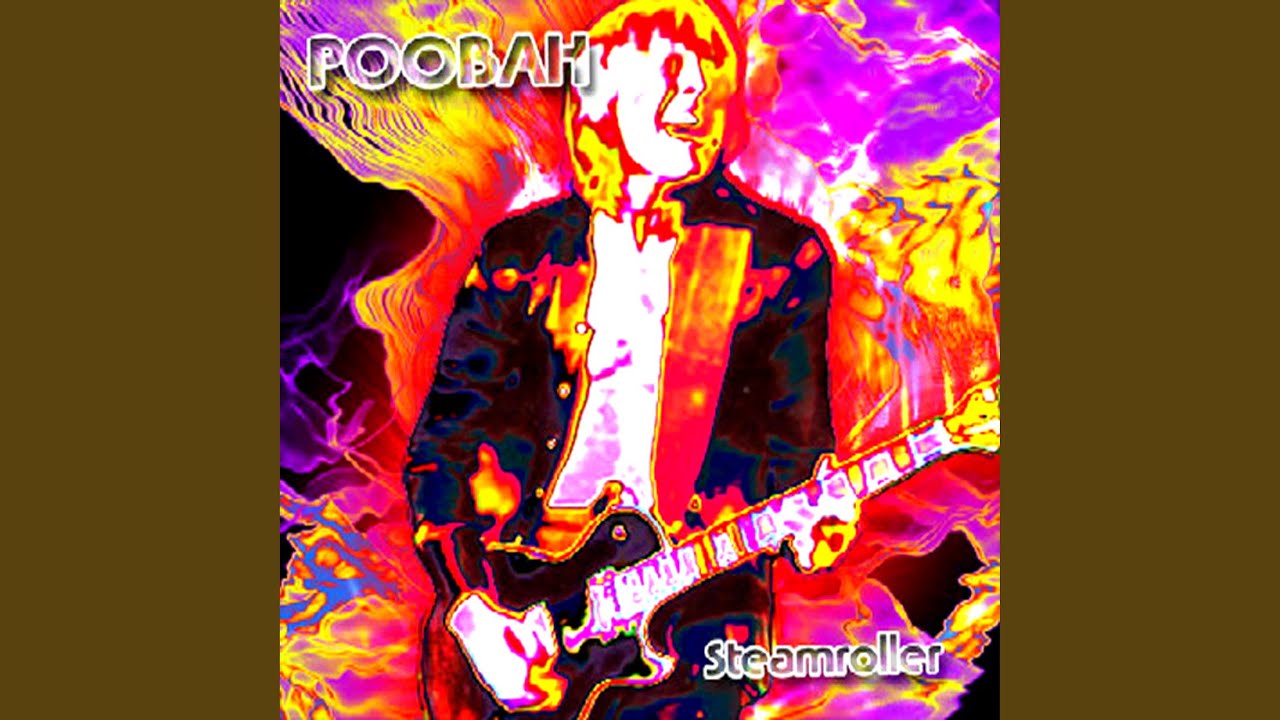
But despite three strong ‘70s albums – Let Me In, U.S. Rock, and Steamroller, which brought about tours with everyone from Ted Nugent to Judas Priest – life was tough for Poobah, and they faded into obscurity in the ‘80s and ‘90s.
“It can be hard to keep moving forward when your band splits,” Gustafson says. “It also affects your future when you can't promote your records, because you’re temporarily without a band.“
His determination paid off. Over the years, to the surprise of many, the group’s vintage vinyl records have become collector’s items.
“I’ve been lucky, partly because I'm the singer, lead guitarist, and songwriter. That makes it more likely you’ll stay working. We’ve played close to 3,000 live shows, and we have a lot of potential customers – if they can find us!”
What are your earliest memories of music?
When I was 12 my father gave me a new reel-to-reel. I dove headfirst into recording songs off the radio, then recording myself singing songs I’d heard. I started making up songs.
After seeing my older sister and her lovely girlfriends go wild over The Beatles, I was fascinated with this new sound. I knew then that I wanted to play the guitar. It seemed magical. My grandmother loved the idea, so she took me to the local music store for lessons.
She bought me a decent Instrument after a month of struggling to play a beat-up rental. It was a red six-string National, shaped like the USA. It was a good leap forward for learning. Guitar consumed my days – I had won two baseball trophies but I dropped out of the team. By 14 I was playing sometimes five nights a week with my first working band, The Daze Endz.
I’d written a song called What Can I Do, and we booked studio time and recorded a 45RPM vinyl record. I sang and played my first recorded guitar solo. It got played on local radio, and then the band had so many job offers.
Before forming Poobah, you met Billy Cox.
By the time I’d turned 19, my band Biggy Rat had made another 45 at Peppermint Studios in Youngstown, and we’d become very popular in the region. We played a show in Canton, Ohio, and Kenny Rogers' older brother, Lelan – who discovered the 13th Floor Elevators – came to our show.
The crowd went wild, and he signed us to his record label. A week later, we found ourselves in a studio in Memphis, Tennessee. I looked over and saw Jimi Hendrix’s bassist, Billy Cox, sitting at the mixing console. I’d just seen him in the Woodstock movie.
I asked him what he was doing there and he replied, ‘Mr. Rogers hired me to produce your recording sessions.’ I could not believe my luck! Billy told me he was impressed by my songwriting skills. We’re still friends. He once said the Poobah albums I sent him were incredible. What an inspiration!
What led to the formation of Poobah?
I formed it with Phil Jones, who played bass for a popular local jazz band but wanted to play rock music. We’d played together before, and we got along well. We tried out some drummers and chose Glenn Wiseman, who we thought was a powerful driving musician. He’d set his drums on fire at the last song of the night, Bowleen! The crowds loved it, along with the rockin' sound we’d found.

What gear were you using when Poobah recorded their debut album, Let Me In?
I used a Marshall 100-watt head and two 4x12 Marshall cabs. I had a 1972 Gibson sunburst Les Paul Custom. I also used a Cry Baby wah then. In the early ‘70s I bought a second Gibson Black Beauty Les Paul Custom.
Phil used a Gibson EB-3 bass with a large Acoustic bass amplifier. But at the end of Bowleen, I had him play bass through my Marshall amp, for a gritty bass sound that drives the ending. I borrowed a beautiful Martin 12-string to use on Enjoy What You Have, along with my white Jimi Hendrix Fender Stratocaster. I loved the mix of those two guitars on that song, and the feeling it creates.
After Let Me In, things went a bit sideways, leading to your second album, U.S. Rock.
Lots of small labels don't have the finances to support artists, but owners still want their investment returned
Soon after Let Me In came out, and sold 500 copies in one day in our area, we had a lineup change. Glenn dropped out and was replaced by Nick Gligor. We played shows with Foghat, Canned Heat, James Gang, Cactus, Spirit, Flash, Wild Cherry, Frijid Pink, and others.
We were playing lots of shows. You didn’t always see eye to eye, traveling for long hours, some days great, others dealing with dumb stuff. People forget they have to work to spread the name and sell the music. We got to spend more time recording U.S. Rock, but our lineup changed right before we started – we added a keyboard player, Ken Smetzer, and another new drummer, Gene Procopio.
Opening for those pretty big bands must have been thrilling.
We got to open a show for Billy Cox’s new band, Nitro Function, in Nashville. Great memories. We also played with Cheech and Chong, Ted Nugent, Alice Cooper, Uriah Heep, Velvet Underground, Brownsville Station, Sugarloaf, and lots more.
Having The Who come to watch Poobah seems particularly notable.
Playing for The Who for two nights in Cleveland was so excellent! John Entwistle talked to me for hours. I got to shake hands with the amazing songwriter Pete Townshend.
Despite Let Me In and U.S. Rock gaining strong regional followings, things didn’t click commercially.
Poobah changed record labels again, after the others closed up shop. Lots of small labels spend too much on expenses, without having enough payments coming in. They don't have the finances to give artists the support they need, but owners still want their investment returned.
We traveled at our own expense. Vehicles, agents, motels, gas, repairs, and equipment takes lots out of the profits. It helps if someone in the band has credit in case of emergencies.

Still, Poohbah managed to make Steamroller, another record with another lineup.
We decided to play the kind of rock music that we wanted. So many bands were doing dance music, but I was being influenced by jazz players. I tried to fuse it with guitar-driven rock and wild solos.
You opened for Judas Priest on tour for Steamroller, right?
Yes! Their stage manager told me we did very well because no one threw anything at us. He said the opener got pelted at the last show!
When I was told people were paying $1,000 dollars for one album, I was just amazed
What kept you going after things got lean in the ‘80s and ‘90s?
I just kept on playing so many shows, sometimes five nights a week. We worked with booking agents who kept us busy. We were drawing crowds at lots of places. We kept the same lineup for more than seven years.
And you continued to release Poobah albums independently.
There was a recording studio two hours from me, Rec W Studios, that would let me go there and record for close to free. They had a school of recording science for future engineers. I went there hundreds of times to record my songs. Almost all of them were done in eight hours of recording. We got really good at rehearsing, showing up, working fast with a plan and still delivering a product people liked.
Eventually Poobah developed a cult following to the point where the band’s original vinyl records began to climb in value.
In the ‘80s a collector told me people were willing to pay lots more than normal store prices for those releases. He said Poobah were fast becoming one of the most collectible vinyl artists in the world! Next thing you know, people from all over the world were asking for copies of Poobah vinyl and offering very high prices. You don’t expect something you did decades before to be valuable years later, like a painting.
I love that it happened, of course. When I was told people were paying $1,000 dollars for one Poobah album, I was just amazed that my hard work might come back to help me.
It can be difficult to keep people driving forward. It's always good if someone helps you in business
It still thrills me to see it keep growing in popularity. I saw Marc Maron showing off his copy of Let Me In on his page. Our song Enjoy What You Have is now in the Nick Nolte TV series Graves. And Monster Magnet recorded my song Mr. Destroyer.
Do you still have any of your old gear?
I managed to hold onto my tube-driven 50W Marshall head from 1974 and my 1970 Marshall 4X12. I still have some old Morley and Cry Baby pedals and an old Big Muff. Lately I've been using a Charvel 24-fret, a Jackson 24-fret, a Carvin 24-fret, a Larry Carlton Les Paul, a Hamer 24-fret Chapparal, a Martin acoustic, an Ovation 24-fret acoustic, a Yamaha Guitele, and a steel laptop.
How do you look back on your journey?
Both the other original Poobah members have passed away. I do talk with some former members – Ken Smetzer, our keyboard player during the U.S. Rock era, showed up and jammed at a show in Hagerstown, Maryland.
I’ve had so much fun and it's still going on. Sometimes it can be difficult to keep people driving forward for a goal. It's always good if someone helps you in business. I still love writing songs, playing guitar, and singing; and I love traveling and meeting new friends.
Joe Bouchard from Blue Öyster Cult asked Poobah to be his backup band for his shows at the Rock and Roll Hall of Fame. He’d seen us play a year earlier. It was an honor. Dennis Dunaway from Alice Cooper also played those shows, along with Neal Smith and Michael Bruce.
What’s next?
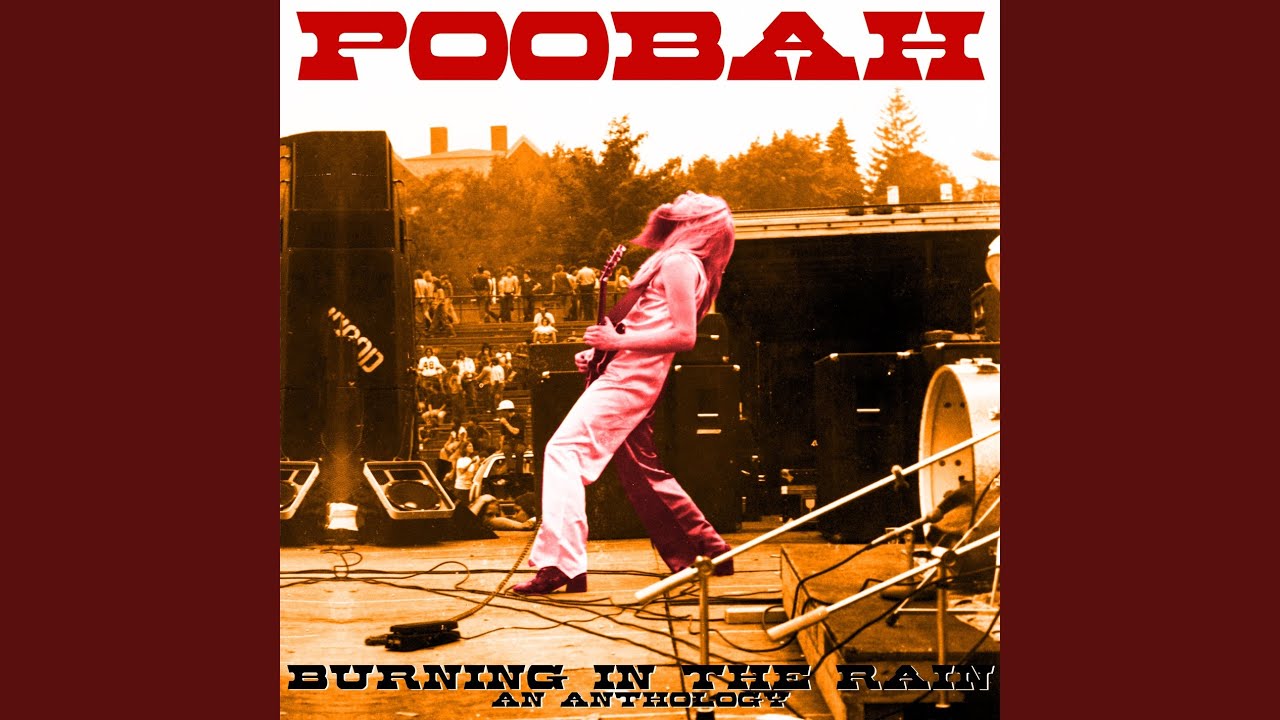
I get lots of offers to put out Poobah albums and I can’t stop writing songs. The new album’s called Peace, Love & Guitars. We’re reissuing Let Me In very soon. Steamroller is recently reissued. I found tapes of unreleased music from the ‘70s, so that’s coming too.
- Peace, Love & Guitars is out now. Head to the Poobah website for details.

