


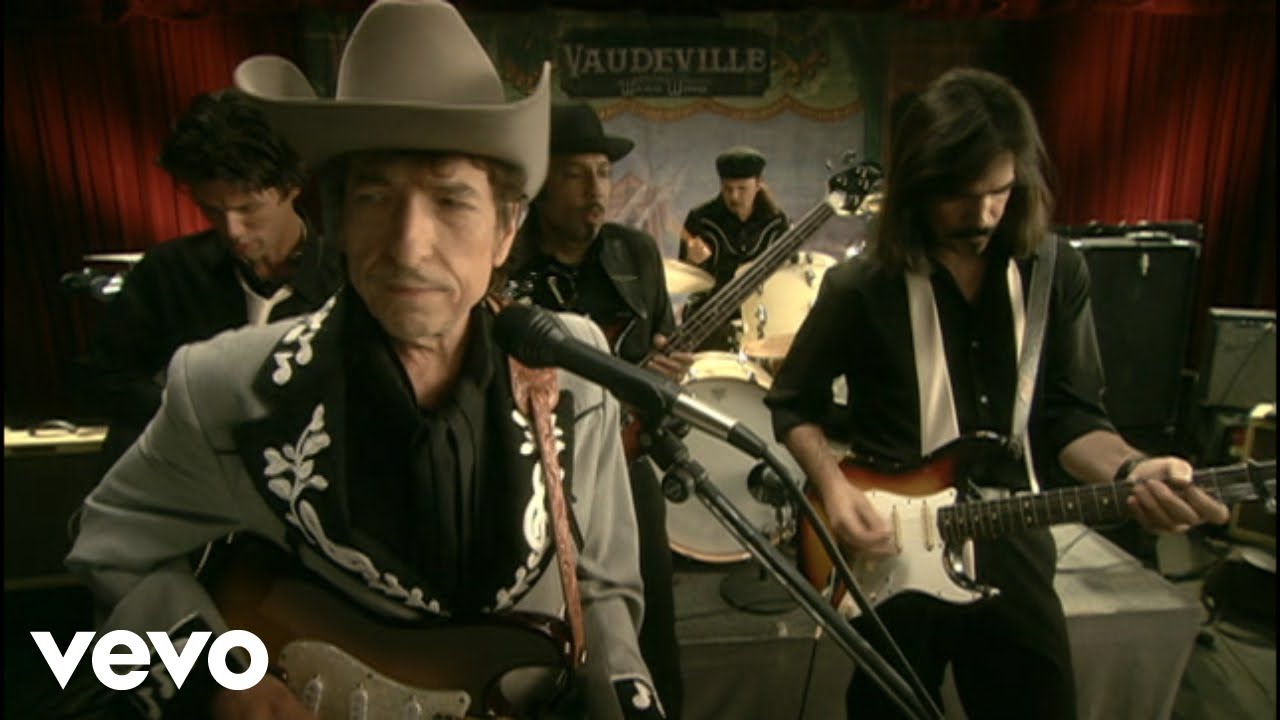
Tony Garnier has been doling out basslines for chart-toppers since his early-'70s stint with Asleep at the Wheel. Most notably, he has become a keen interpreter of song for Bob Dylan. Indeed, 38 bassists appeared on Dylan albums before he came onboard; in the 37 years since, no others have.
In addition to multiple albums with Dylan, Garnier has recorded with Marshall Crenshaw and Tom Waits, manned the bass chair at legendary venues The Lone Star and Tramps, and anchored everyone from Dr. John to Chuck Berry.
“I asked Chuck how he liked to hear the bass,” Garnier told Bass Player back in May 2015. “He preferred broken eighth-notes on the root, as opposed to a moving pattern of steady eighths.”
Garnier also subbed for T-Bone Wolk on Saturday Night Live for three years, which is where he met guitarist G.E. Smith and drummer Chris Parker, who were in Bob Dylan's band.
In 1989, Dylan bassist Kenny Aaronson had to take a medical leave. Garnier was flown to Europe to fill in for six weeks, ended up finishing out the year, and has remained ever since.
When Smith departed two years later, Garnier stepped into the bandleader role – “making sure the songs start and end where they're supposed to.”
How would you describe the bass role in Bob's band?
Simplicity works best. Complicated basslines can be distracting. You don't want to disrupt the song; you want to help it along. I'm all about trying to add some movement in between the vocal or the verses, but not sound like I'm just filling.
I'm looking to provide subtle forward motion, as opposed to playing a fixed, steady groove. I'll come up with my own basslines, or versions of basslines from Bob's earlier songs, and if he wants it different he'll let me know.

What inspires you when creating parts?
The lyrics and the vocal, as well as what the rest of the band is playing. You have to learn the lyrics to the songs. That will tell you what and how to play, and it makes your job easier because you have a connection; you're not just playing notes and chords.
I've always told new guys in the band, “You're not playing guitar – you're playing a song.” I know what the songs are about, and that gives me an emotional attachment when I'm coming up with the basslines. And of course there's Bob's interpretation to draw from.
He seems to vary his renditions quite a bit.
Absolutely; the songs are different every night because he never sings them the same way, so we're not playing them the same way. If he's phrasing a little differently on a song like A Simple Twist of Fate, the bassline I played the night before might not work.
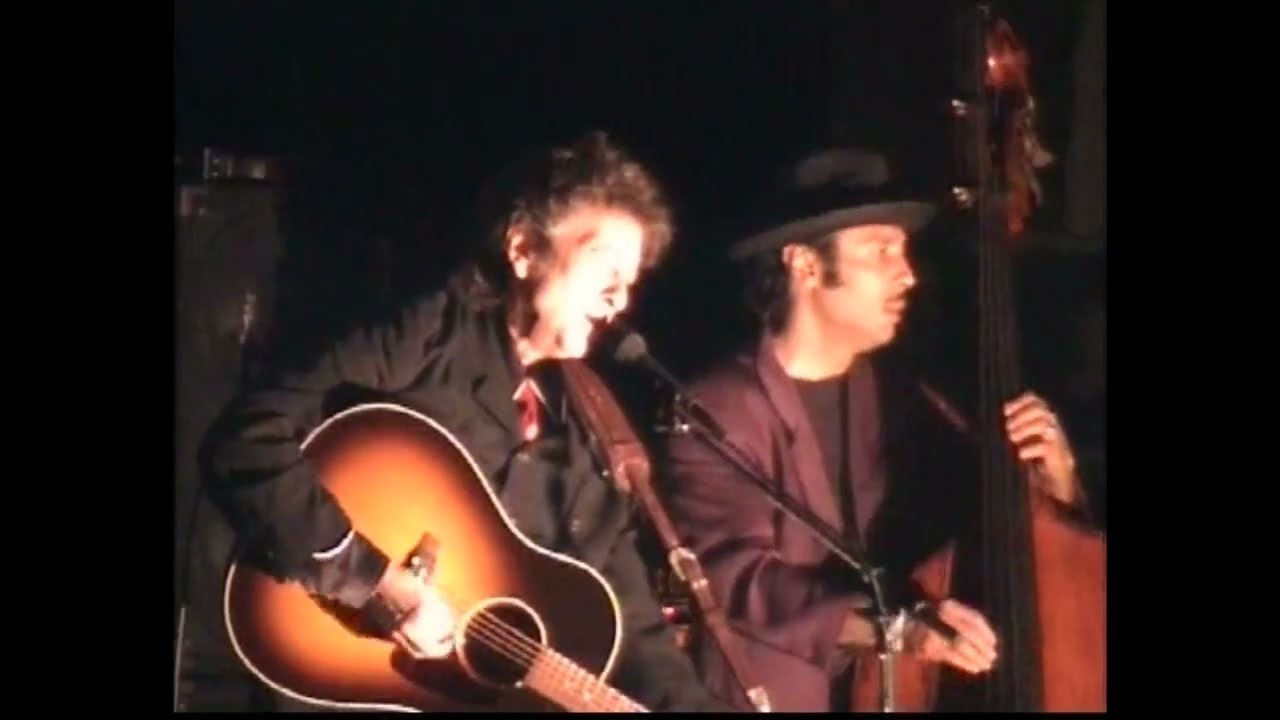
He may bunch up some words or draw them out, and it goes beyond that; sometimes he'll change the chords. Or he'll sing a different melody for a few nights, or change the lyrics – like on Tangled Up in Blue, the lyrics in the live show are different from the recorded version.
Ultimately, it's a conversation between everyone onstage. All I have to do is listen and react. It's actually a lot easier than having to play the same basslines every night, and it's much more creative and fun.
What would you say you've learned from Bob, playing-wise?
The concepts I've learned are like what you might learn from Duke Ellington or Miles Davis – ideas that you can use with other artists throughout your career.
For example, in Bob's book Chronicles: Volume One, he speaks about music in terms of numbers and how three and five are interesting choices. Maybe he'll write a song with three verses and a bridge, or create a melodic line in groupings of five, and the same can apply for basslines. If I'm stuck, I may apply that, or something like what Rick Danko did on Chest Fever, by The Band.
What advice would you offer to young bass players?
I'd advise getting a home studio and start writing and singing. Whatever it takes – just don't sacrifice your ideals. It's very challenging now in the music business, but music is a big part of people's lives all over the world, and the need for good musicians will always be there.
If my two kids want to become musicians, I won't discourage them if I see they have the passion for it. If that describes you, keep practicing and expanding your musical horizons.
