





There’s something wonderfully enchanting about Sayr: Salt | Thirst, the latest studio album from Finnish musician Jussi Reijonen.
After spending the last two decades experimenting with the Middle Eastern flavors of the oud, he’s come back to his steel-string acoustic – which he likens to meeting up with a wise old friend for deep conversations over a cup of coffee.
The 40-minute recording comprises just two tracks, which feel incredibly intimate and in the moment, almost placing the listener in a flickering candlelit cabin right next to the player himself.
With its genre-defying mishmash of Western folk and Arabic dissonance, it’s the kind of music that will leave you transfixed for hours on end.
Coming Home
For Reijonen, these latest recordings felt like coming full circle – and in more ways than one.
“I recorded this album in my home studio in Helsinki after 16 years away. I can definitely hear reflections of Finnish nature in its use of space and silence, and even abstractions of folk instruments like the kantele – as well traces of other places I’ve lived in Jordan, Tanzania, Oman, and Lebanon.
Of the guitar he used on the album, Reijonen says, “Something in this old instrument awakened all these memory references to places, people, and sounds from my journey. It completely changed my approach to playing fingerstyle.
“I’d never played quite like that, somehow refracting sonic memories of other string instruments. The flamenco-esque pulgar techniques are a good example since they sound more like an oud or sintir.”

Old Friends
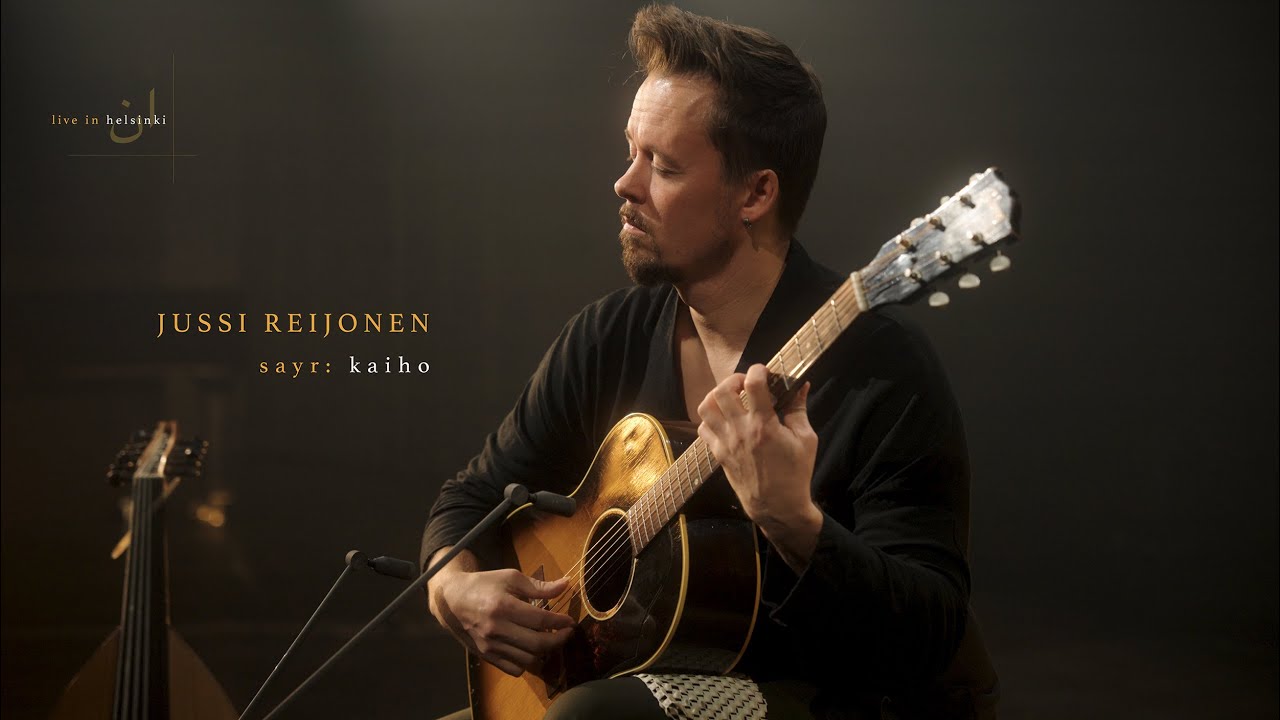
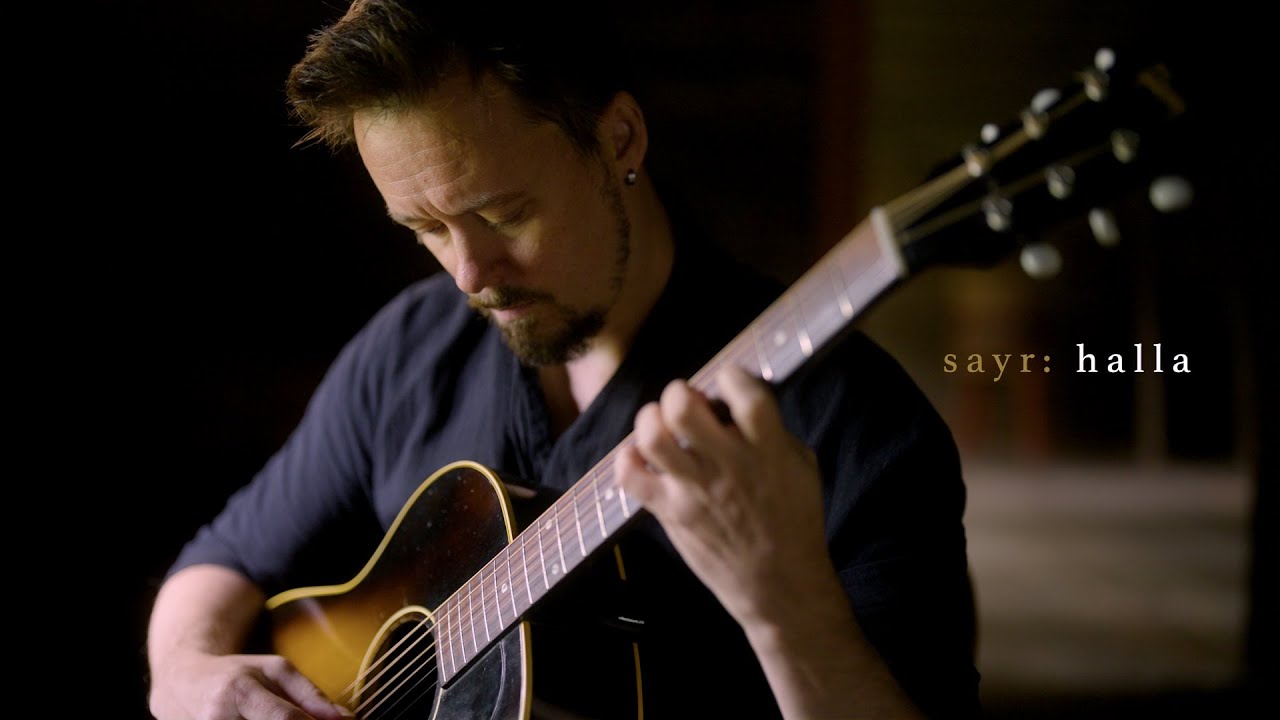
The vintage instrument he speaks of is a late-1940s Gibson LG-2 steel-string acoustic that was gifted to him by a former student.
“It was her grandfather’s guitar – this gorgeous and resonant old Gibson acoustic,” Reijonen explains. “She left to study abroad and I ended up being offered the guitar because her family wanted it to go to a good home where it would actually be played. So I became its new guardian.
“I still can’t believe her generosity. The serial number is too worn to tell the exact year. Something in its resonance seems to pull different musical ideas out of thin air… it’s like speaking to a wise storyteller or elder.”
Arabian Nights
Though he grew up loving rock music, it was musicians like Paco de Lucía and Camarón de la Isla who turned Reijonen on to flamenco, which paved the way to more worldly sounds.
“Their music can convey such intense, vivid moods and colours in terms of expression, especially with Arabic-influenced melodies in the mix,” continues Reijonen. “When I lived in Amman, Beirut, and Muscat, Arabic melodies and rhythms were everywhere in my environment. I will never forget the warm feeling of hearing Fairuz or Umm Kulthum through distorting transistor radios on the streets.
“Arabic music deeply resonates with me,” he adds. “Pulling on this thread led me to buy my first oud in Morocco in 2003 and study the modal system of Arabic maqamat.”

Heat Of The Moment
As Reijonen goes on to explain, the music was improvised live in one take as the tape kept on rolling. In that sense, it’s as honest as a recording can get.
“I wanted to keep this as raw and intimate as possible and retain its untouched form,” he admits. “It’s almost an honesty manifesto in this era of heavy editing, AI, Photoshop and Instagram filters. There are no edits on the album except for the removal of one sneeze, and even the silences between the different arcs of music were left exactly as they happened.
“The album was mixed and mastered by Luis Bacqué, who was surgically careful in treating the music so it wouldn’t lose its raw immediacy and live feel.”
Paperback Writer: How the poetry of TS Eliot informed Sayr: Salt | Thirst
It was a handful of lines from Burnt Norton, the first of Eliot’s Four Quartets, that provided a lot of the inspirational framework behind Reijonen's latest compositions.
“I was creating music that was minimalistic,” says Reijonen. “Eliot’s writing about the still point and the dance, like sound and silence, absence and presence – it’s all counterpoint. The paragraph about the still point of the turning world – ‘neither flesh nor fleshless; neither from nor towards’ – is what resonated with me at a particularly introspective time of my life.”
- Sayr: Salt | Thirst is out now
- This article first appeared in Guitarist. Subscribe and save.

