





Guitar World Verdict
This pedal encourages you to twist the knobs until you find a favoured sweet spot and offers plenty to explore in the realm of strangely voiced repeats and finely textured ambient soundscapes to sit with your core sound. Not your average digital delay by any means, the Hazee Delay is a vibe machine that could help get those creative juices flowing.
Pros
- +
Rugged build.
- +
Straightforward control surface.
- +
Unusual range of sounds.
Cons
- -
It’s a bit niche.
- -
Mono only.
You can trust Guitar World Our expert reviewers spend hours testing and comparing guitar products so you can choose the best for you. Find out more about how we test.
What is it?
The Hazee Delay, the first in the Pollinator series, is a bit of a departure for Beetronics in that it’s the company’s first totally digital pedal.
In true Beetronics style, though, this is not just a standard digital delay pedal but one that’s designed to deliver textural delays and ambient sounds.
This is a pedal solely for modulated delays, not simply delays where there’s a bit of wobble on the repeats – we’re talking delays where the modulation is a totally integrated component of the sound as the modulation comes first in the signal chain and is then delayed.
There are eight modes of modulation available – four tremolo and four filter – each mode featuring a different type of repeat, giving you a choice of forward repeats, octave up repeats, reverse repeats and octave up reverse repeats.

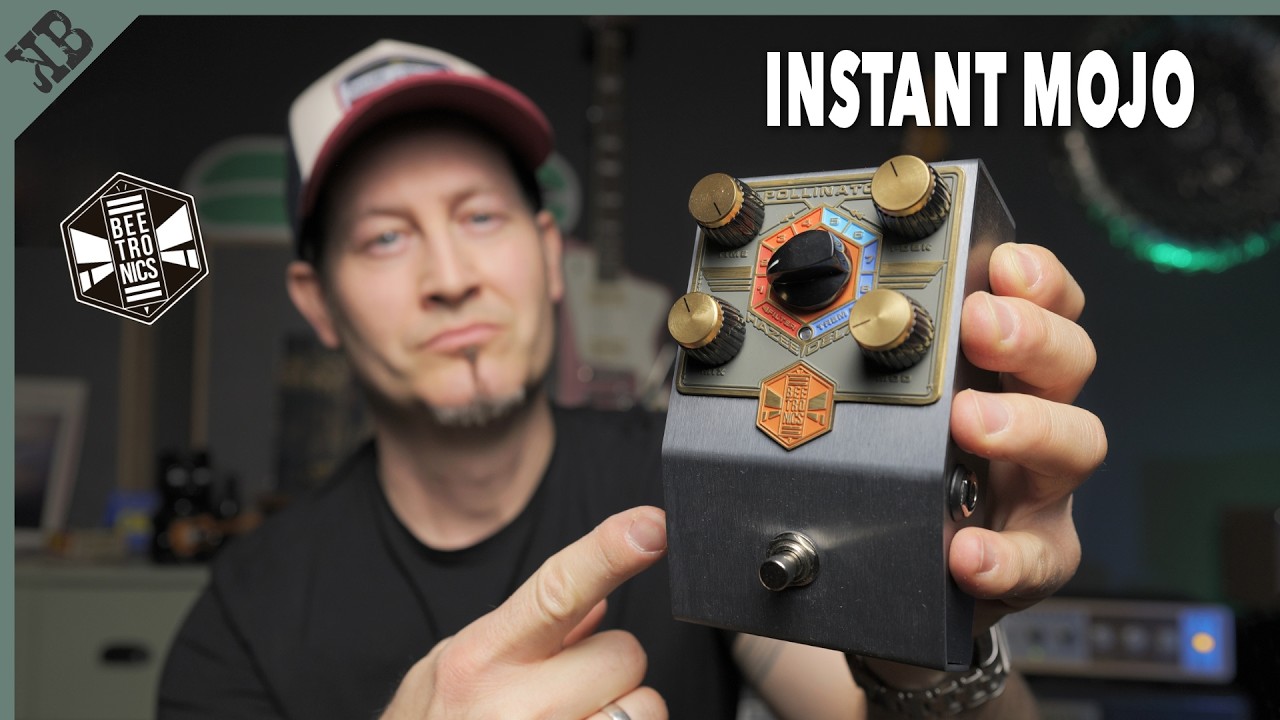
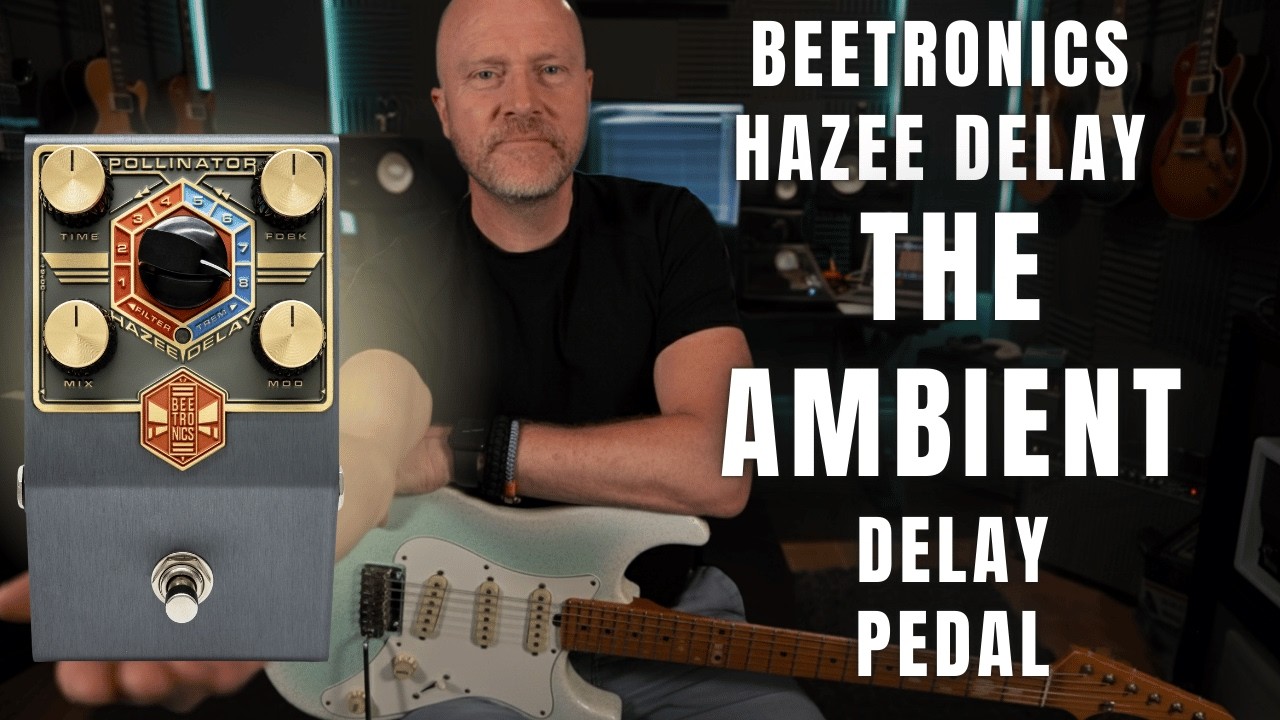
There are just four knobs to adjust the effect: the delay pedal staples are Time, Mix and Feedback, and the Mod knob controls the modulation rate.
Specs

- Price: $249 | £229
- Type: Digital delay pedal
- Origin: USA
- Features: Buffered bypass
- Controls: Time, Feedback, Mix, Modulation, Mode selector, Bypass footswitch
- Connections: Standard input, standard output
- Power: 9V DC adaptor (not supplied) 80 mA
- Contact: Beetronics FX
Build quality, usability and sounds

The Hazee Delay controls are very interactive – small changes can have a big effect on the sonic outcome – so experimentation followed by considered adjustment is the key to getting the pedal to work for you.
It can be an inspirational and creative tool in that certain modes may encourage you to adapt your playing in reaction to what you’re hearing, rather than adjusting the controls to fit your playing.
There’s quirky stuff here, for sure, but the modes that are most conventional are those that offer the non-pitch-shifted forward repeats.

For example, the filter will give you auto-wah effects and even something that sounds like a rotary speaker at fast Mod rates, while the tremolo offers a nicely rounded pulse; keep the delay time at minimum if you want something closer to a straight effect.
With the pitch-shifted and reverse repeats, the other modes offer a more ‘out there’ take on things and are capable of pulsing and shimmering sonic layers with rhythmic movement as the repeats and modulation interact.
Verdict
Verdict: ★★★★

Guitar World verdict: This pedal encourages you to twist the knobs until you find a favoured sweet spot and offers plenty to explore in the realm of strangely voiced repeats and finely textured ambient soundscapes to sit with your core sound. Not your average digital delay by any means, the Hazee Delay is a vibe machine that could help get those creative juices flowing.
Hands-on videos
Beetronics


Kris Barosci
The Studio Rats
- “Lo-Fi and Pitch modes take you well beyond the usual analog delay paradigm”: Beetronics Bee Bee Dee review
- This article first appeared in Guitarist. Subscribe and save.

