Exclusive lessons, interviews, presales and features from the GW archive
Curated Newsletters
Handpicked guitar news, lessons and gear highlights
Early Access
Our biggest stories will go to Backstage Pass holders first
Achievements
Unlock badges as you learn and explore
Join the Conversation
Connect with fellow GW fans across the globe
Tailored For You
Lessons, gear and stories picked for you
Sign up to Guitar World Backstage Pass
For the quickest way to join, enter your email below. We’ll send a confirmation email and sign you up to Guitar World newsletters with the latest news, gear reviews, lessons and exclusive offers.
Join Backstage Pass for quick access. Enter your email below and we'll send confirmation, and sign you up to our newsletter.
By submitting your information, you confirm you are aged 16 or over,
have read our
Privacy Policy
and agree to the
Terms & Conditions. Geographical rules apply.
All the latest guitar news, interviews, lessons, reviews, deals and more, direct to your inbox!
You are now subscribed
Your newsletter sign-up was successful
Join the club
Get full access to premium articles, exclusive features and a growing list of member rewards.
An account already exists for this email address, please log in.
“My tech said, ‘This bass looks tiny on you.’ I lowered the strap so it would look cooler. You have to throw your whole body into it”: Bought from grunge icons and stolen before Soundgarden reunited – the story of Ben Shepherd’s 1972 Fender Jazz Bass
Soundgarden’s Ben Shepherd first appeared in the pages of Bass Player for a 1993 feature on alternative-rock. He was even on the cover, but that doesn't mean he was happy about it.
Speaking to Bass Player again in 2013 he revealed, “I was bummed out because Ray Brown was also in that issue, and I felt he deserved the cover.”
In the wake of original bassist Hiro Yamamoto's departure following the release of 1990’s Louder Than Love, Shepherd converted from guitar to bass guitar specifically for Soundgarden.
And despite the adage that guitar players make lousy bass players, his transition to the lower register proved remarkably seamless.
“Sometimes I would go for a note and miss it entirely, either on the fingerboard or with my plucking hand because the string spacing was so different from playing guitar. I'd hit the gap. Rookie mistake!
“But I played pretty well immediately, because of Hiro's influence and some other real bass players I knew growing up.”
Shepherd’s detuned, thunderous bass tone and askew songcraft factored immensely as the band refined its grungy sound throughout the decade on Badmotorfinger, Superunknown, and Down on the Upside.
Get The Pick Newsletter
All the latest guitar news, interviews, lessons, reviews, deals and more, direct to your inbox!
Along the way, the most commonly-seen bass guitar was a 1972 Fender Jazz Bass, which Shepherd used on many seminal recordings.
“That bass belonged to the Wood brothers [Andrew Wood fronted seminal Seattle-scene bands Malfunkshun and Mother Love Bone].
“I bought it to try out for Soundgarden, and I played it on every Soundgarden record and every tour. I called it Tree because it was so heavy. At that time it felt like it weighed more than I did because I was scrawny as hell.”
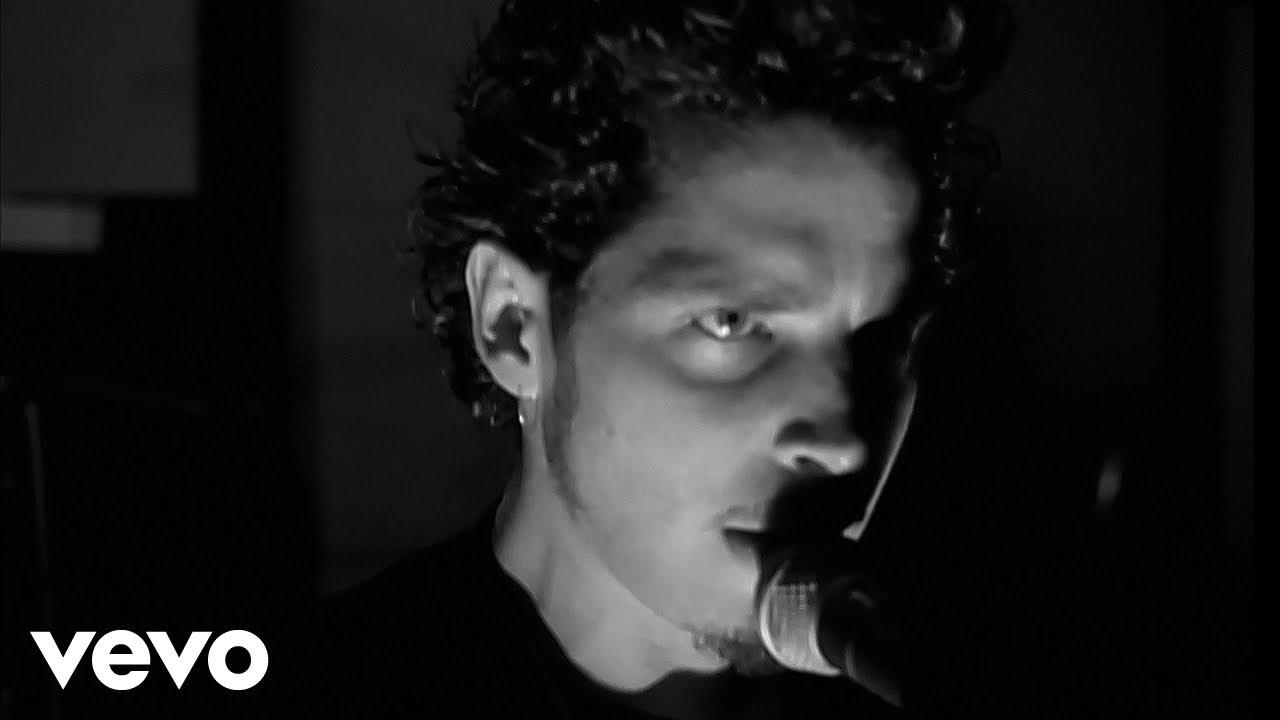
Soundgarden - Full Concert [HD] | Live at Pinkpop 1992 - YouTube
“Then my bass tech said, ‘This bass looks tiny on you.’ So I lowered the strap so it would look cooler, and I straightened out my arms so I could just use my fingers.
“That's why l always wore it long, and I'm tall enough to get away with it looking exaggeratedly long. I could still touch all the strings where I wanted, but you have to contour your body, and be willing to throw your whole body into it.”
When the dust settled in 1997, Soundgarden called it quits. Shepherd and drummer Matt Cameron kept working together, as their Hater side project with Monster Magnet's John McBain (formed in 1993 with Shepherd on guitar) evolved into Wellwater Conspiracy.
“I didn't even like doing that stuff, especially the shows. I never felt comfortable. Those Hater songs were built around being played exactly the same every time. I'm way more of an improv person.”
(Image credit: Getty Images)
Shepherd was off music altogether by 2008, completely disenfranchised after being robbed of all his gear just as he was about to mix his first solo album.
“They took everything. I slipped into a comatose state soon after and went to work as a carpenter's grunt. After a two-year, anti-music funk I decided to start playing again, and my friends cajoled me into making a new record.
“I told everyone that we could do whatever we wanted because no-one would hear it anyway. But then Matt Chamberlain and Greg Gilmore started showing up, volunteering their ace drumming. Once those guys started laying down drum tracks, I started thinking, ‘Oh man – now it's real. I have to up the ante.’”
At this point, Shepherd had made the switch to a Fender P-Bass.
(Image credit: Getty Images)
“When I started playing again I bought a stock Precision right off the rack, and that's the one I used. It sounds and plays completely different from my old Jazz.
“Jazzes are too little for me. And when you hit a note and pluck through the string toward your hip, it disappears, kind of like a raindrop hitting cement instead of deep water. I like immediate response and heaviness. That P-Bass grabs the note immediately and reflects it back the other way.”
As fate would have it, just as he was finishing his album, Shepherd got the call he'd been waiting on for what must have felt like forever: Soundgarden was back in business.
“It's ironic that two days before the call, I was finishing my solo album and telling everyone I would never be in another band – ever. I’d help other guys make records; it's fun to be a part of a creative process and play live, but for me nothing compared to Soundgarden taking the stage.
“I had been waiting for those guys, and then all of the sudden there we were working at Pearl Jam's warehouse. I was bummed that it wasn't just the four of us at some friend's house, but we were lucky it turned out that way because Kim's guitar tech, Josh Evans, started recording us from the second we all put on our instruments and started jamming.
“I knew we'd always be in business together, so we might as well do the cool part – make music.”





![Soundgarden - Full Concert [HD] | Live at Pinkpop 1992 - YouTube](https://img.youtube.com/vi/d00n2fMor2I/maxresdefault.jpg)


