


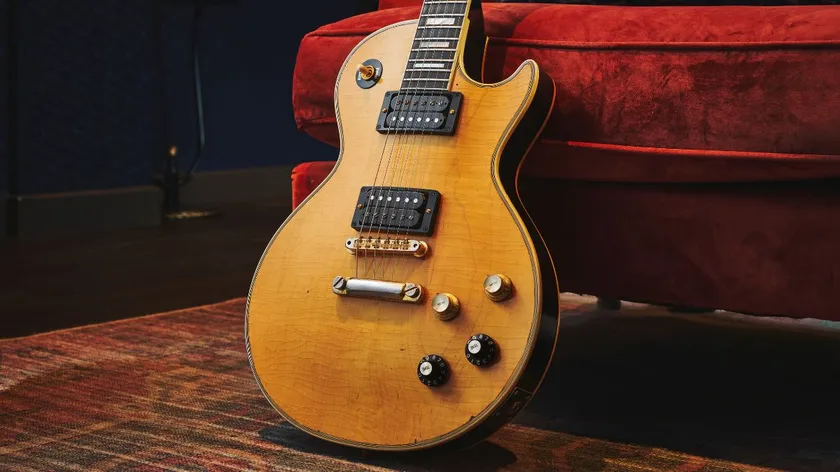


The late Andy Fraser, famous for his bass-heavy hit All Right Now, anchored Free's sound with basslines notable for their economy and effectiveness.
“In a band like Free, simplicity is key,” Fraser told Bass Player back in 2013. “My general rule of thumb as kind of the arranger in the band was to say, ‘You play in this space, I'll play in this space,’ and everyone has freedom within those spaces.
“It helped maintain a freedom for individuals and an arrangement that worked that didn't require a lot of filling in. Letting the music breathe was important.”
Fraser’s superbly economical line towards the end of Free’s best-known song was enough to secure his status as one of the 1970s’ most revered bassists.
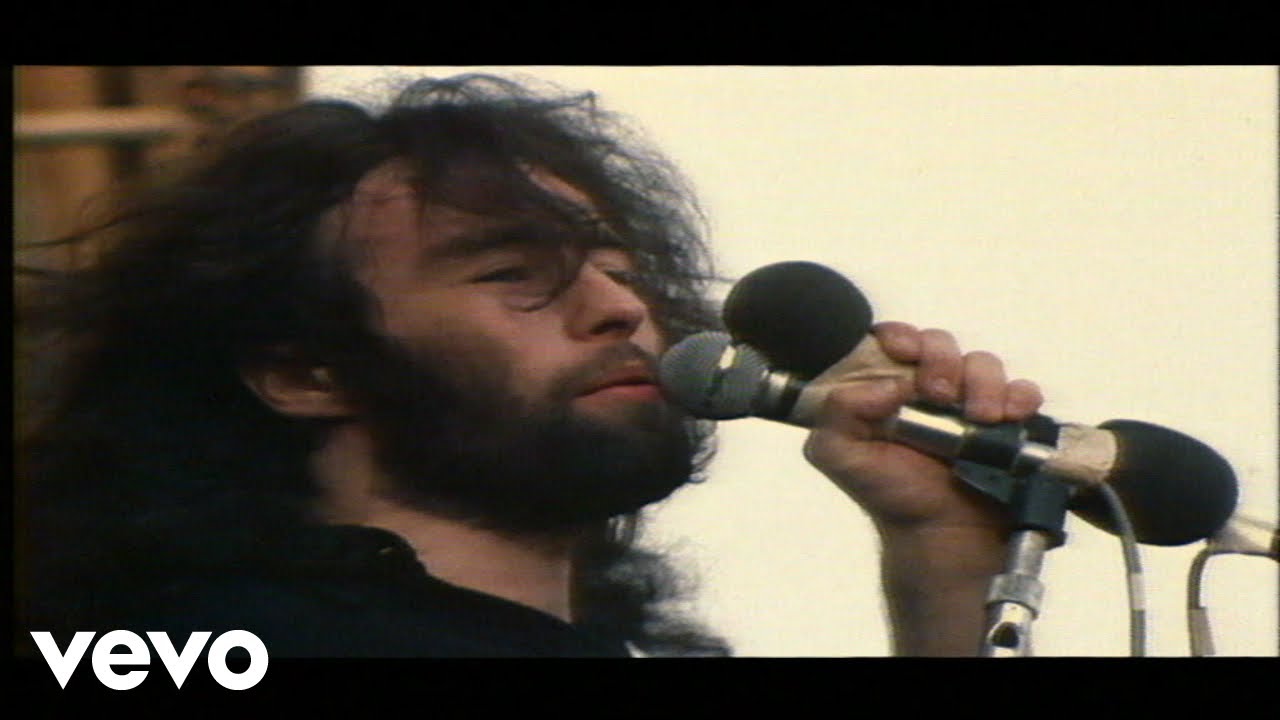
Mixed low – you have to strain to make out the chords that end the riff – this classic bit of bass playing is all warm, middy tones: you can almost feel Fraser’s fingertips on the strings of his Gibson EB-3.
“My job for that part was simply to put in a bed that suggested the chord changes and supply enough support for the guitar to riff over the top. That's all it was, and it worked out very well.
“My approach was always very minimalistic; with All Right Now, I was just trying to do my best Pete Townshend. I always loved his chord playing, and I thought, ‘Hey, I'll be Pete Townshend for a minute!’”
In the verse, Fraser delivers a masterclass in restraint, demonstrating that the most commanding bass guitar statements often come from knowing precisely when to take a step back.
“The verses just sounded better with me not playing anything. It made the guitar sound bigger and the bass sound bigger when it actually came in. So I tried to do only what was appropriate, and sometimes that meant not playing at all.
“With a three-piece band and a singer, you don't really have the option of more, anyway. If there was a part that was needed and Paul Kossoff had his hands full on guitar, then I would often do it on the bass.
“With something like The Stealer, I'd think about song first, and then, ‘What does the bass need to do to make this work?’”
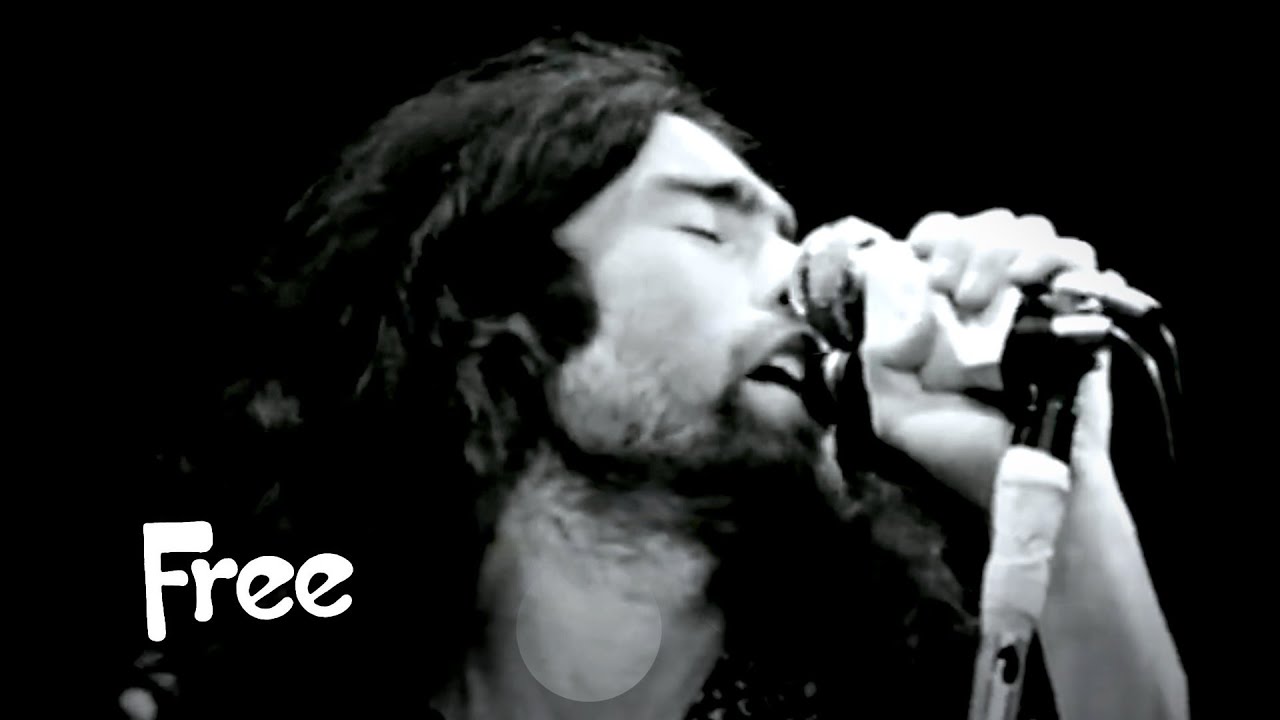
“We didn't have a second guitarist or a live piano player, so a lot of the things I would play would make up for that. I wasn't thinking like a bass player at all. I’d just try to make it come together, and I would do whatever was necessary.”
All Right Now transformed Free from blues-rock contenders into international hitmakers. Although, the track almost wasn’t released at all, despite its now-undeniable hook.
“We thought it was a throwaway and argued against it being released. It was one of the few arguments we lost with Chris Blackwell of Island Records. It's incredible to me, and us at the time, that it was a single.”

