

![Alter Bridge's Mark Tremonti [left] and Myles Kennedy sit on flight cases as they're photographed with their PRS signature guitars.](https://cdn.mos.cms.futurecdn.net/tCvmamNdQD8gk8Q766rjdh-1920-80.jpg.webp)
Given how they juggle their time between playing in Creed, Slash’s band and various other projects including a Sinatra tribute, the two six-stringers in Alter Bridge are likely up there with the busiest musicians working in rock ’n’ roll today.
But despite the excess of musical activity, the band they play in together still remains top priority for singer/guitarist Myles Kennedy and lead guitarist Mark Tremonti – the songwriting force whose creative exploits turned the group into one of the most widely respected arena headliners of the modern age.
After making the decision to record their self-titled eighth record at Edward Van Halen’s 5150 Studio in Los Angeles, the music was born in an environment heavily steeped in guitar history.
This record seems to live on the heavier side of the Alter Bridge sound.
Myles Kennedy: Yeah, [the track] Tested and Able came out almost like a heavy metal Morse code riff. It’s super rhythmic and detuned. Maybe that was partly influenced by knowing we’d be at 5150, which is like hallowed ground for guitar riffs, right? Mark and I knew we had to show up with the biggest riffs possible, which helped dictate what this record was going to be.
I was playing baseball in the backyard with my brother in the summer of 1983 when I heard Eruption by Van Halen and their cover of You Really Got Me by The Kinks. That afternoon I decided what my life would be. Eddie’s genius guitar playing was that awesome. Eruption sounded like it was from outer space. It’s a piece of music that genuinely changed my life.
So it was a conscious decision to focus more on heavier riffs than ballads?
Some studios are nice because you can play Xbox for a few hours. 5150 is more like, “Here’s a great-sounding room with some great gear. Go in and work”
Myles Kennedy
Mark Tremonti: I remember calling Myles, asking how he felt about not doing any ballads and it all being high energy. We sort of agreed. Then we got to the studio and it was all pretty heavy. The last song we recorded, Hang By a Thread, ended up being the ballad. It’s not necessarily a super-ballad, but it’s the most ballad-esque song on there.
What was it like for you both working in such a legendary studio?
Myles: It’s not a super-facility. It’s a very functional utilitarian setup for people who want to go in and work without distractions. That’s what I loved about it. Some studios are nice because you can play Xbox for a few hours. 5150 is more like, “Here’s a great-sounding room with some great gear. Go in and work”. It was a really important part of forming this album.
Any time we hit a wall creatively, wondering where to go next, we couldn’t help but feel some of the ghosts of the past in there helping inspire us. Maybe it was more of a psychological thing, but I could almost hear a voice saying, “Play the D chord!” It’s like the walls were telling us what to play next, and it was always the D chord [laughs]. That was pretty awesome.

Songs like Scales Are Falling feel experimental in places, showing how you are still finding ways to tread new musical ground.
Mark: “It ended up being one of my favourite guitar moments on the album. I remember my brother saying how much he loved Myles’ leads in the bridge and I had to tell him, ‘That’s my solo!’ He was surprised because my approach is usually more aggressive. But I love that kind of melodic playing over a clean section, I just don’t get the opportunity to do it much. Scales Are Falling is in open G minor, which gives it a lot of that character and personality.”
Myles: The solo I played in the outro was my tip of the hat to David Gilmour. I played a few solos on this record. Any time I do, I’m happy. Lead guitar is the best. And, yeah, it’s an unorthodox song. The phrasing is strange; it leaves the listener wondering where the ‘one’ is. It’s always important to keep expanding and trying new approaches. As a band, you need to keep testing the possibilities.
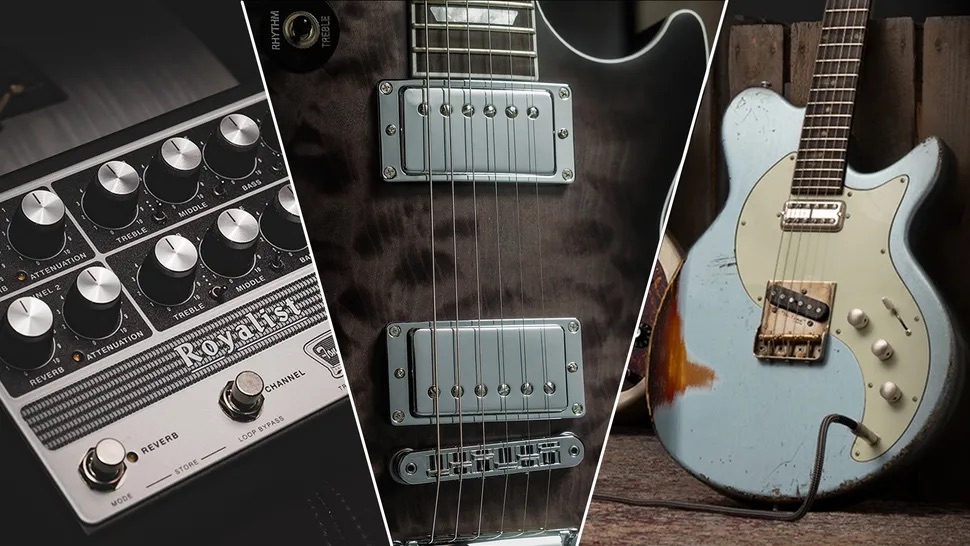
You’re both PRS signature artists. Is that what you stick with in the studio?
What I learned is that it’s difficult designing a guitar from the ground up. Even if you have a broad overall view of what you want it to be, every little detail matters
Myles Kennedy
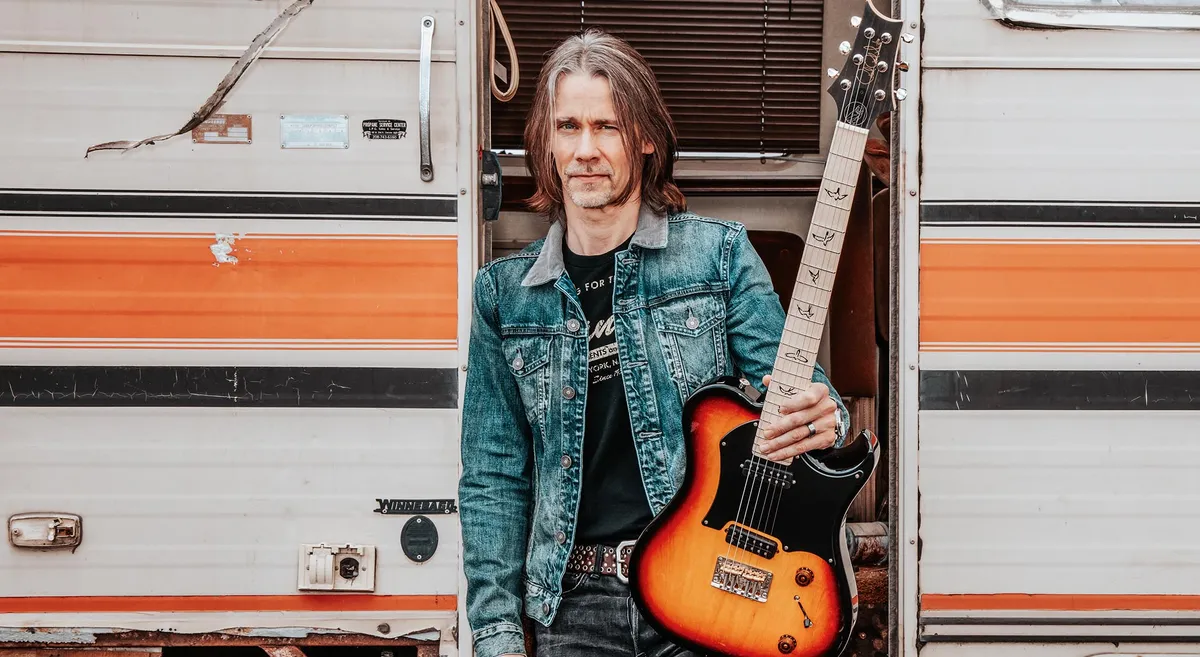
Myles: It was mainly my PRS signature, which was their first version of a T-style guitar. I was honoured to be part of that process because Paul and the team knew how much I love those kinds of guitars. So we got on the horn and they asked if I’d be interested in helping them step into that realm.
What I learned is that it’s difficult designing a guitar from the ground up. Even if you have a broad overall view of what you want it to be, every little detail matters. I have a newfound respect for R&D, that’s for sure.
Mark: I had about seven guitars with me, but there’s a black and grey one with a Van Halen sticker that I used a lot.
We do this thing where we get PRS to send us a bunch of guitars, then we’ll track an individual song with each of those guitars and our fans can buy the guitar that ended up on the record.
This one got sent to me a few albums ago. While I was playing it, I was like, ‘No, I’ve got to keep this.’ As close as they all are, each guitar has its own personality. This one just sang to me. I use it all the time.

Myles, you used Jeff Buckley’s 1983 Telecaster in Paris for a performance of Hallelujah back in 2019. That must have been quite an experience.
Myles: Grace is an album that gave me the same feeling as hearing Eruption, with my brain wondering, ‘Whoa, what’s happening here?!’ I also felt that way when I heard Julian Lage.
Playing Jeff’s guitar was amazing, though I truly didn’t feel worthy of it. I was a little uncomfortable, to be honest. I gradually convinced myself that it was okay. It’s just a guitar that’s part of this incredible history. All I had to do was not taint that history [laughs].
What do you think is so special about that instrument?
Myles: It’s just an early-to-mid ’80s Tele, but there’s something weird about how the pickup was wired. Apparently, there’s something technically wrong with it, at least from what [Matt’s Guitar Shop owner] Matt Lucas explained to me. That’s what gives it that beautiful shimmery sound. It’s all down to this imperfection, which makes it even cooler. When you plug it in, you think, “Oh yeah, there’s that sound!”

In Alter Bridge you and Mark have quite different preferences when it comes to guitar amp brands.
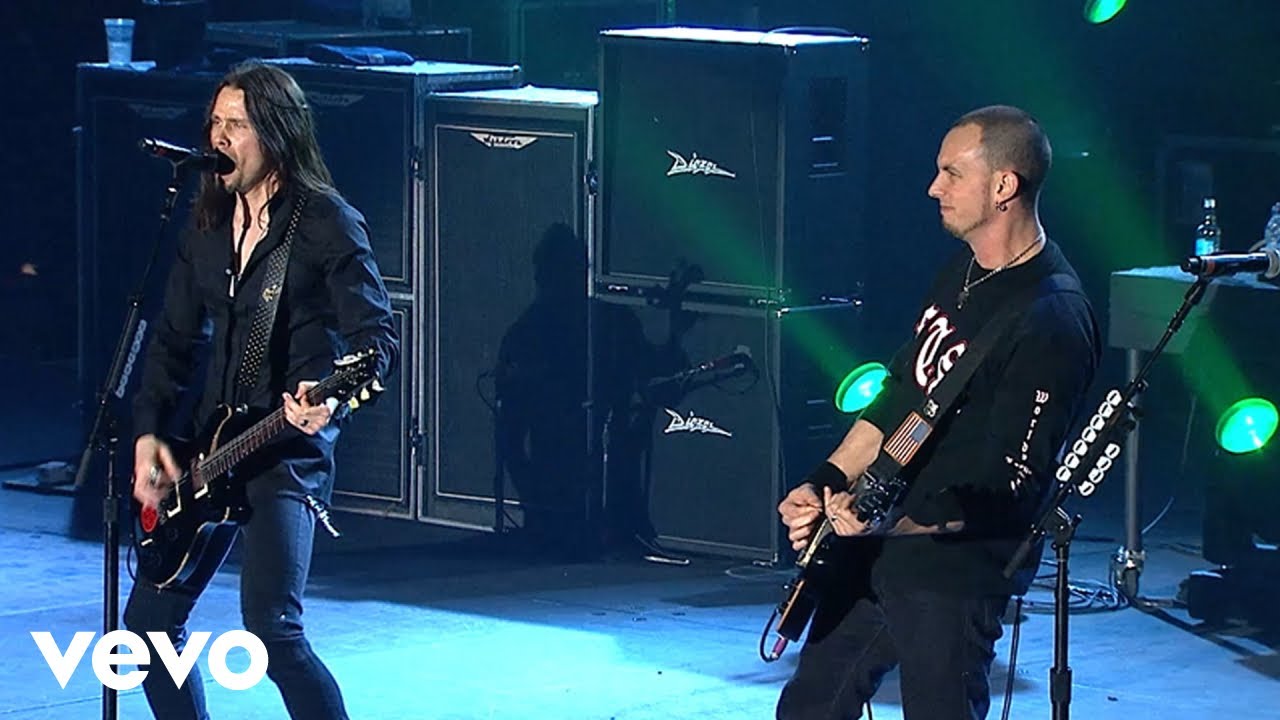
Myles: I usually stick with my Diezel VH4. But when we started at 5150, all my amps were in the warehouse, so they let me borrow one of the 5150s, which sounded great. In the end, we blended my VH4 with that. Now I’ll be using both amps live.
Mark: “I mainly used the clean and dirty channels on my PRS MT 100. On top of that, just like with my live rig, I used my Synergy amp. The modules I had were the SLO II preamp, to pair with the MT 100 dirty channel, and then the Fender[-style] TDLX preamp with the clean. That 5150 III in the studio sounded killer, so I blended all three. Like Myles, I’m going to incorporate it into my live rig.
I’m a big fan of multiple amps when it comes to tone. Each one has its own frequency range, together they fill a bigger space. That approach works for us as a band as well as within my own rig.
Were there any pedals involved or was it mainly direct?
Mark: The one I rely on most is my [signature] Morley wah. I love the attitude and scream of a wah. If I solo and it doesn’t have a wah on it, I almost think it doesn’t sound right. It’s been like that since I was a kid.
I love using my Electro-Harmonix Micro Synth to make single-string lines sound heavy. That thing is like our secret weapon. Our producer calls it ‘the Alter Bridge pedal’ because he never uses it with anyone else. What I love is that it’s not just one sound. It’s an actual living thing that sounds different every time. We might track that five times before we find the perfect sweep.
We also used the Kemper Profiler shimmer effect for the beginning of Scales Are Falling. It sounded perfect on the demo, so we kept it on the final recording. It’s funny, when the album came out, one of the first responses was, “Glad to see somebody is digging the Kemper shimmer,” which made me think, “Good ear!”
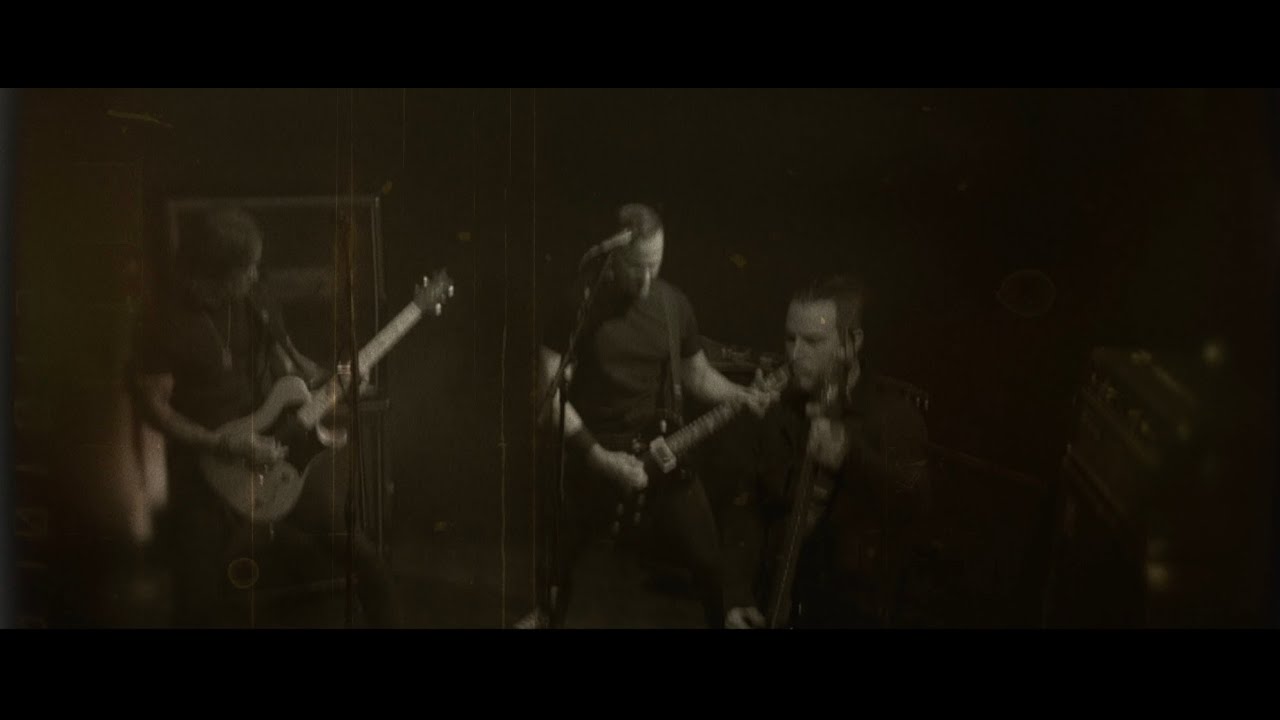
The name Julian Lage cropped up earlier. What do you think makes his playing so special?
Myles: He’s got the whole thing figured out harmonically. It’s so interesting because he’s moving it forward and it’s exciting to see for the rest of us. It’s rare to hear something like that done so well, where the guitarist isn’t just regurgitating the same thing over again.
He’s breaking new ground, which is something all of us strive for, while making it look effortless. I’ve seen some of his recordings with Dave King on drums, who is one of my favourite drummers. The interplay between Julian and him is special.
Mark: Julian is such an intelligent and sophisticated player, half of it probably goes over my head. If you’re not fully theoretically bulletproof, you might not even understand how or why he’s playing like that. It would take a lot of work over many years for me to play like that, but I still try to take in as much as I can.
- Altar Bridge is out now via Napalm.
- This article first appeared in Guitarist. Subscribe and save.

