


Two decades and eight albums into Alter Bridge’s lauded career, the hard rockers are pulling off a first in 2026 – they’re embracing the definitiveness of a self-titled album.
While you could argue 2010’s AB III almost did this – at least typographically – there’s a to-the-point toughness behind the band’s new, eponymous 12-song statement that fully fortifies what Myles Kennedy and Mark Tremonti have been working on together since 2004. And it all comes down to the sickness of the riff.
“The essence of the band has always been to build the song on a good, solid, heavy riff and then balance it with a certain melodic sense and a certain depth of the lyrics,” vocalist-guitarist Kennedy says of the Alter Bridge aesthetic. “But from record to record, we kind of lean one way or the other – like maybe we incorporate some Eighties synths as a texture.”
He reiterates of Alter Bridge, though: “You’re not going to have any keyboard extravaganzas on this. This is a straight-ahead hard-rock record. So it felt appropriate – as far as the self-titled approach goes.”
Sure enough, Alter Bridge deliver tunefully brawny anthems by the boatload. Close to four years on from their seventh album, Pawns & Kings – and following Tremonti’s recent arena-conquering Creed reunion tours, as well as albums from his eponymous metal outfit and Kennedy’s solo project – the band broke a long silence last summer with the release of their deep, D-chunking Silent Divide.
Beyond its infectiously swampy groove, the single features solo sections that contrast Kennedy’s kinetic vibrato skills with Tremonti’s famous fretboard dexterity.
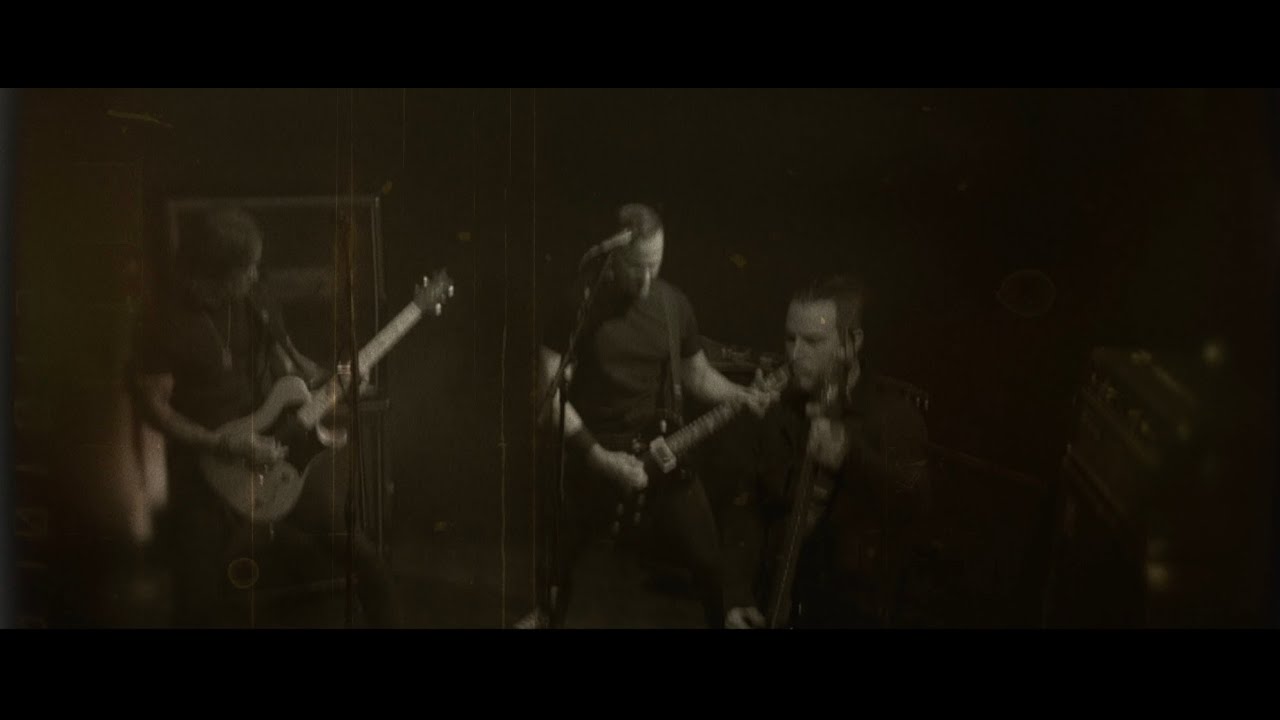
Both players explain that they brought their A-game to L.A.’s iconic 5150 Studios, where they recorded the album at the behest of longtime friend, collaborator, and tourmate Wolfgang Van Halen. Kennedy and Tremonti were wowed by the magnitude of making music within the hallowed walls of Eddie Van Halen’s home studio.
Inspired by the room’s rich history – and with the help of one in-house EVH 5150 III head – Alter Bridge put their all into the album’s hard-swung screechers (What Lies Within) and gloom-crested arpeggio attacks (Scales Are Falling).
“It made us want to be better musicians and take advantage of the moment we had,” Tremonti says of the setting. “When you have your guitar in your hand and you're playing in that studio in the same spot those guys played in, there's no slop coming out. It's got to be on point. You’ve got to man up, you know? You’ve got to band up when you're in that situation.”
In Silent Divide, Myles, you’ve got these really decadent string slides coming out of the second chorus, right before Mark switches into that galloping bridge.
Myles Kennedy: That’s something that I got from – rest his soul – John Sykes. He was a big influence for me, and he was the master of the string slide.
When we’re recording, [producer] Elvis [Baskette] always says, “Do more of that string-sliding stuff,” and I don't really think anything of it. It's just been in my DNA for 30 years. But we leaned in for Silent Divide. Like, let’s be unapologetic about it!

There’s a lot of dynamism between your and Mark’s respective approaches to soloing; the two leads you bring to Silent Divide reflect this. How do you see your respective styles complementing the other’s?
Mark loves learning new tricks and runs. I think that’s the main difference, and that’s maybe why we complement each other
Kennedy: I always try to sing the guitar solos. I’m generally singing along with them as I’m playing them. I don’t know if you’re familiar with Oscar Peterson, the piano player, but that was something I used to love on those old jazz records. You could hear Oscar singing every note. I like to incorporate certain techniques and punctuate things with a flurry of notes, but I really lean into the melodic thing.
Mark loves learning new tricks and runs. I think that’s the main difference, and that’s maybe why we complement each other; we have enough of a different approach where you can kind of tell who’s who.
Mark Tremonti: I think Myles has a very soothing way of playing. Some of my favorite vibrato I’ve ever heard is Myles on the guitar. I grew up more on the speed metal side of things. He listened to metal, but early on he dove deeper into jazz, which really helped his playing.
He’s very good at improvisation. He has a lot of moments where he writes beforehand, but he also has a lot of moments where he’s just improvising in the studio, whereas I like to come in fully prepared with a written solo.
How did you come to record this album at 5150?
Kennedy: Wolf was incredibly kind enough to bring that offer up with our manager. We were like, “Really?” We knew the history of all the incredible music that had been made there. Just the fact that he trusted us enough to come in and not totally ruin the legacy really meant a lot.
When we all showed up, we were very cognizant of that, and we wanted to honor the situation. If you know you're going into this sacred ground where all these incredible riffs have been constructed and recorded, the last thing you want to do is show up empty-handed. It was definitely fuel for the creative fire.
Did Wolf have any stipulations for you coming into 5150? Like, “You can come in here, so long as you punch a werewolf in the face in my music video,” as you did in Mammoth’s The End music video?
Kennedy: Right? [Laughs] “Yeah, you can record here, but you have to sit in a makeup chair for two hours and turn into a zombie.” Getting to do that was awesome. So much fun. But yeah, I think the only thing was “Please, don’t play Eruption.” He didn't say that, but I wasn't going to do that.

Was all the gear at 5150 at your disposal?
Kennedy: There were pieces of gear there they had set out, but nothing super iconic. We weren’t tracking with Frankenstein. Have I held Frankenstein? Yes. Was it a total, Excalibur-level experience? I don't even know how to articulate that, but I got emotional – that was a pretty special moment.
But as far as amps and whatnot, there was a 50-watt 5150 III that we used when we were doing pre-production, so I plugged into that. I had it set up because I couldn’t fly out my Diezels. I fell in love with that amp, and it became a big part of the sound. I ended up marrying it with the [Diezel] VH4 when I was actually tracking.
Tremonti: I thought [the 5150 III] sounded so good, especially mixed with what I was using, which was my signature PRS head. I loved it so much that I got one; they were nice enough to give me one, and I took it on the last tour we did. So now it’s a part of my sound. It’s given me a new appreciation for 50-watt heads.
As long as I’ve been playing guitar, and as long as I’ve collected amplifiers, I don’t think I’ve ever owned a 50-watt head – maybe a single 1x12 combo that was 50 watts. I never appreciated how aggressive a 50-watt head is. When you pair it with 100-watt heads, it’s got a certain character – a bite that cuts through the mix. But it’s not harsh.
Did any Van Halen vibes seep into these songs?
We by no means sound like Van Halen in any way or form. But you can feel the spirit of the band and Eddie in that room
Mark Tremonti
Kennedy: Without a doubt. The riff for Silent Divide has definitely got an Eighties vibe. Mark kept comparing it to an old Judas Priest riff, but with the way I keep coming back to that chugging on the low D, I think of a riff like Unchained. Those were such important riffs for me. Does it sound like Unchained? No, but there's definitely that element there.
Tremonti: I try to explain to people that 5150 Studios isn’t some sterile environment where they’re cleaning up for the next band to come in. It was pretty much left the way [Van Halen] used it last.
Wolfie has a great Neve console in there now, but it’s pretty much the same letters on the kitchen fridge; there’s the 5150 necklace hanging over the door – all the cool stuff that was there when those guys were there. We by no means sound like Van Halen in any way or form. But you can feel the spirit of the band and Eddie in that room.
One characteristic to your solos on this record, Mark – whether on Rue the Day, Silent Divide, or Power Down – is that heavy, wah-filtered tonality. When we spoke with you around your last Tremonti record, The End Will Show You How, you were prototyping your own line of pedals behind the scenes, including wah pedals. Are any of those on the record?
Tremonti: No, that’s the Morley wah. I’m still dabbling with trying to get some stuff together. It’s going to be called Tremonti Audio Company, but there’s such great stuff out there [already]. I’m a picky guy, so I gotta make sure it’s right before we do it.
Pardon the pun, but what else lies within this record, gear-wise?
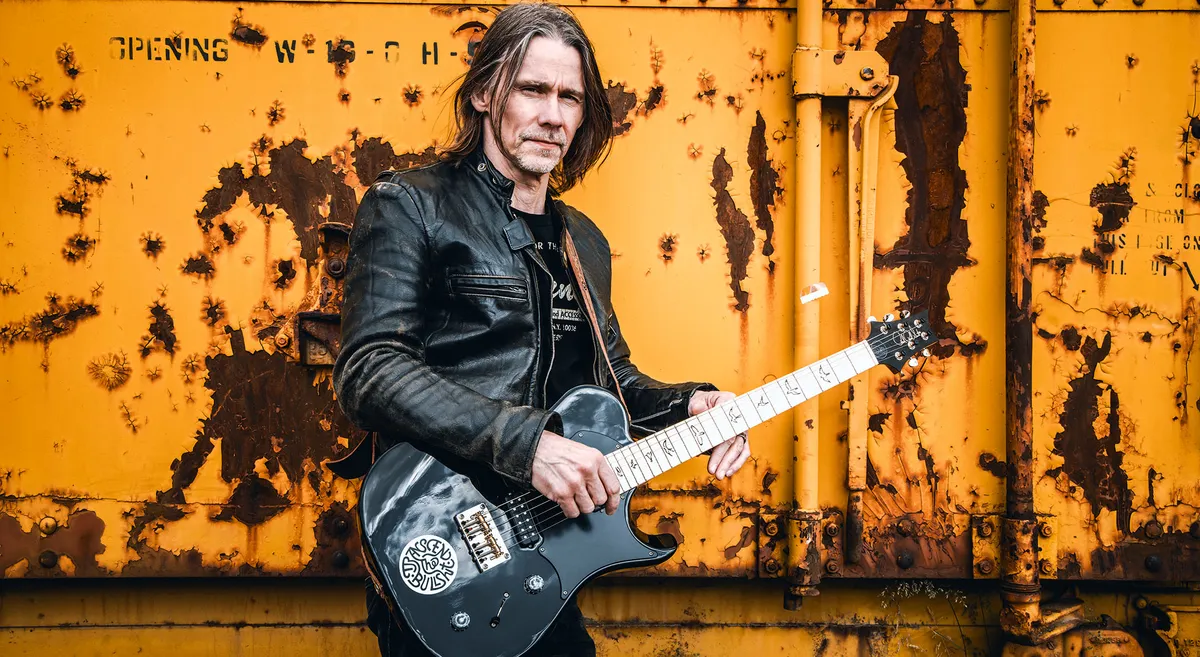
Kennedy: Guitar-wise, I’m just using my signature models. On this record, there were probably two or three, depending on what the tuning was, that were just off the rack. No changes, just stock MK signatures from PRS, and they worked out great.
Tremonti: I just used my signature model. PRS always gives us a handful of guitars we can play in the studio, and then fans can buy the actual studio-recorded guitars. But there was one that they sent over that I really loved and I kept. There’s also a baritone we used on Rue the Day.

Getting back to the heavy riff, how did you come about the doom-waltzing feel of What Lies Within?
When we play in these multiple bands, it keeps it all fresh. I couldn’t imagine being in one band now. I think it would start getting stale
Mark Tremonti
Tremonti: That’s in open D5, which is one of my favorite alternate tunings. I had that riff and chorus sitting around. I put the demo together with all those parts on there and left the melodies in the verses up to Myles’ interpretation.
Kennedy: I came up with a little alternate melody, a little octave part. The way we marry those two concepts has really become a thing since the record we put out about 10 years ago, [2016’s] The Last Hero, where he’ll have this kind of chugging, driving riff and then I’ll put on an octave thing in an eighth- or 16-note pattern, just to move it along.
You’re both prolific workers and writers. To paraphrase Myles’ lyrics on Power Down, you don't necessarily slow the overall pace, but you’re not always at it with Alter Bridge, specifically. What are the things you notice about each other once you get back together?
Tremonti: Just how much of a powerful singer Myles is. When we play in these multiple bands, it keeps it all fresh. I couldn’t imagine being in one band now. I think it would start getting stale, and you would kind of take it for granted.
So, when you come back to playing these songs you haven't done in three years, it’s like, “Oh yeah, I love playing this!” and you see the smiles on everybody's faces. I think that's why we’ve had a 20-year-plus career with the same members, because we’re all open-minded enough to go out and do other projects before coming back together.

Kennedy: It seems like the longer we do it, the more that dynamic is solidified – there’s this level of comfort. It’s the same way I look at why we continue to use Elvis as our producer, where you know how it’s going to play out and you trust everybody’s instincts.
With Mark and me, part of the reason it’s really worked since day one is because we realize we’re kindred spirits who are obsessed with writing music. You never feel like you’re having to pull someone along.
Are you ever able to fully power down?
Tremonti: I love to do this. When I want to power down, what’s better than sitting around and playing guitar? It’s not relaxing to practice sweep arpeggios or that kind of thing, but sitting down with a guitar and writing and improvising – that’s relaxing.
I don’t power down in the typical sense of, “I’m going to sit on the couch and watch TV.” I like going to bed at night thinking, ‘I did something today. I wrote this part or practiced this or that.’ That makes me feel good. If I go to bed going, “I just wasted a day,” it bugs me.
Kennedy: Power Down is written from the perspective of, “Take some time to stop and smell the roses.” Given what we’ve been talking about, that’s something I’ve really been working at the last few years. It got to a point where I was never home. I realized life was just passing me by.
Though the life I was living was all music and touring the world – and I don’t want to sound like I’m complaining – there are other responsibilities I have as a partner, family member, and dog owner. I wanted to be around more and take this all in, because this side of life is great.
Referring back to the chorus of Power Down, how would you describe the Alter Bridge experience these days?
Kennedy: It couldn’t be better. I’m at this stage in life where I feel like all the boxes have been checked. I’m very grateful for that. At this point, it really is just a matter of continuing to revel in what this has all turned into and just savor and enjoy it.
When I was younger, that wasn’t the mindset. I was hungry and sometimes frustrated and kind of lost in my own head and ego. I feel there’s been this shift, and it really is beautiful. I love it. I recommend it. Gratitude is the attitude.
Tremonti: I couldn't ask for anything else. First and foremost, I’ve got a family that is the best, and the most supportive circle of friends. I spent a lot of time in the beginning of my career worrying that I wouldn’t amount to anything. You’re just dying to be a musician, then once you become a professional, you’re worrying it’s going to end.
People are telling you you’re going to be a one-hit wonder, and then people are telling you you’re going to have a sophomore slump, or that tastes in the music scene are changing and you’re no longer relevant – you hear these things every day in the music business.
But halfway through the Alter Bridge records, I was finally at peace with my career. Like, as long as I keep on writing – not just phoning it in, but putting all my heart and soul into this – I can do this as long as I want. I get to do what I love!
- Alter Bridge is out now via Napalm
- This article first appeared in Guitar World. Subscribe and save.

