





On his latest release, Soho Sessions, Italian jazz guitarist Andrea Rinciari is paying tribute to the music that’s been performed with his quartet on a weekly basis over the past few years.
Included within the eight tracks are his versions of Bean And The Boys, covered by one-time mentor Barry Harris, as well as other standards like Tea For Two, I Can’t Get Started, and Carvin’ The Rock.
The performances across the board are stellar, though it’s the chemistry between Andrea and tenor saxophonist Alex Garnett that shines through most, with the pair serving up melodies together or taking turns to finish each other’s musical sentences.
Round Midnight
This album, says Andrea, is the product of having learned a comprehensive amount of music to play live: “It came naturally after years of performing in a specific way,” he tells us.
“This band was a result of those residencies. What you hear on the record is a very small portion of the material we learned. There was a whole book of sheet music we had under our belts, varying from American Songbook standards to more intricate compositions that were tricky to play on guitar.”
A Day In The Life
When Andrea decided to focus on jazz guitar, it was Wes Montgomery and Joe Pass who taught him the fundamentals of the style.
“Transcribing their parts really helped me on my journey,” he continues. “You can see the amount of joy they were bringing to the music. That’s something that still gets me. Even later in their careers, though they’d been doing it for so long and so well, they never stopped sounding fresh or inspired.
“Both of them taught me how to target certain notes around chord changes. Wes was really pure and creative when it came to this, while Joe was methodical.”
My One & Only Love
It’s perfectly natural for any guitarist to have that one instrument they pick up more than anything else.
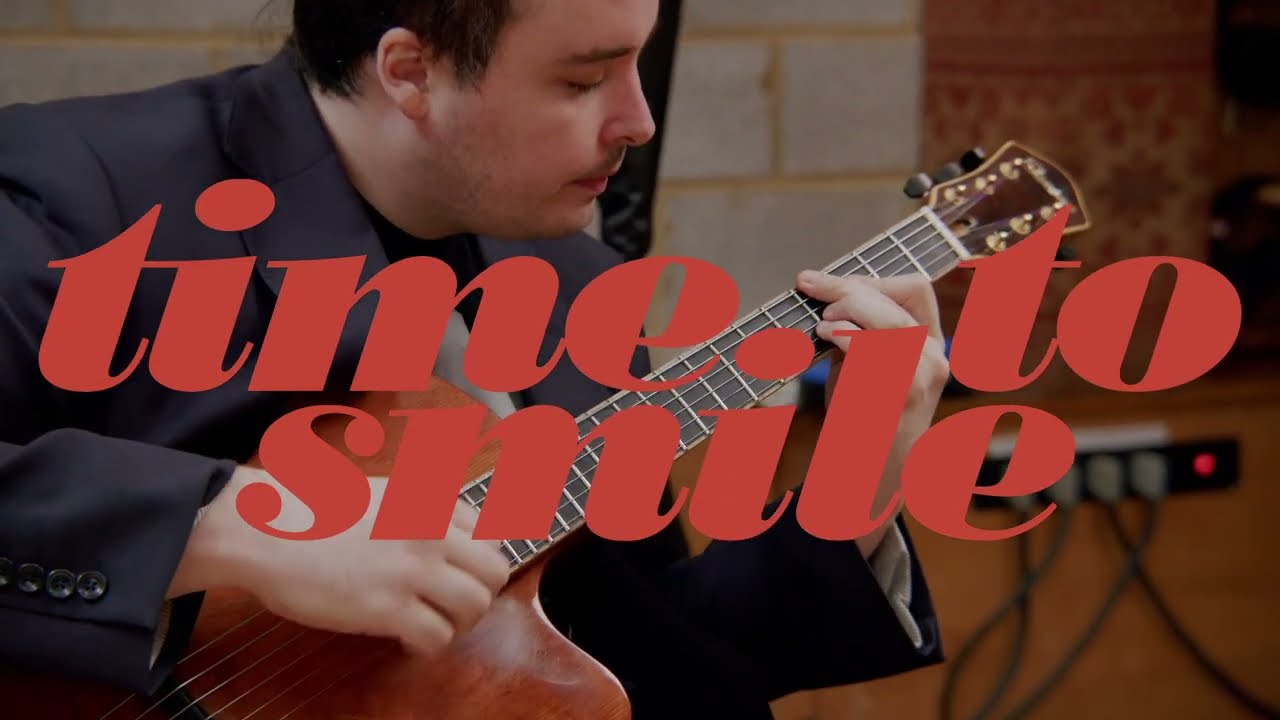
For Andrea, it’s his Fibonacci Ambassador, custom-designed into an unofficial signature guitar.
“It’s a beautiful guitar with 20 frets that was made to my specifications. It has this rare floating Charlie Christian pickup that’s no longer in production. The amp I use is a Henriksen Blu, which has a lot of clarity while maintaining enough punchiness to cut through. I prefer to use the reverb of the room, which is more natural sounding.”

You Don’t Learn That In School
It was American bebop legend Barry Harris who took Andrea under his wing and gave him the tools to develop.
“I was lucky to learn from him in person,” says the guitarist. “His method helped me understand how jazz works. I would comp along to a solo before transcribing the lead. You have to put yourself in the music. It’s a game of repetition – right now Charlie Parker’s solo on Cherokee is my warm-up.
“You don’t want to think about the notes, it should be like a reflex. After that, take phrases and mess them up. Change the start and end, change the rhythm or change the direction of the lines. Eventually, you build your own language.”
Less Is More
When you listen to Soho Sessions you’ll notice how a big part of the sound comes from playing just a select few notes.
“That comes from Jim Hall, as well as my piano influences,” Andrea tells us. “I’m a fan of Sonny Clark’s comping. He could’ve played 10 notes at a time, but he’d choose two or three; Thelonious Monk was the same. I wanted to translate that onto guitar, taking small clusters and finding my own spread voicings.
“I will usually play one bass note with the pick then a couple of higher notes with my fingers, simulating what a piano player would do.”

How High the Moon: Rinciari's version of Polka Dots and Moon Beams
“It was covered by my hero Bud Powell on his 1954 album, The Amazing Bud Powell, Vol. 2, which is one of my favorite records. It’s a challenging arrangement. I was trying to emulate his piano movements on the guitar.
“There are chords moving with counterpoint melodies that were difficult to replicate, but anything is possible with the right amount of practice. I love how he almost wrote fugues for these tunes, giving them a classical feel.”
- Soho Sessions is out now
- This article first appeared in Guitarist. Subscribe and save.

