


Blackwater Holylight traffic in a specific kind of atmosphere – not just “heavy” as a genre checkbox, but heavy in emotional depth and weight. The kind that hangs in the air then suddenly breaks open into something hauntingly beautiful and almost tender.
That push-and-pull is heard on new album Not Here Not Gone, their most patient and panoramic statement yet, contrasting the doom-inspired sounds of Deftones-meets-My-Bloody-Valentine with the cathartic experimentation of Radiohead.
Guitarist Sunny Faris is calm, candid, and refreshingly unromantic about Blackwater Holylight’s origin story. There was no master plan – instead, it began with proximity, friendship and the late-night, post-shift ambition that seems possible when you’re able to pull off a full-time job and still play shows like your life depends on it.
“We were friends and musicians around town,” Faris says. “It started as an idea – wanting to play music with other women, wanting to experiment with new tones. The goal was to play some house shows and some basement shit in Portland. The plan was not to make it this far.”
The sense of accidental momentum makes Not Here Not Gone feel even more striking. It’s the sound of a band that have grown beyond their original aspirations without losing the intimacy that made them compelling in the first place. The album is heavier and darker in places, but also more melodic, textural, and emotionally charged than anything in their catalog thus far.

Not Here Not Gone doesn’t just present riffs and songs as much as invites you to live in it. Faris describes the album as the product of time – the kind that changes you while you’re too busy surviving it to notice.
“We’ve never taken such a long time on a record,” she says of the album, which followed their 2021 move from Portland to LA. “We made demos, and we made demos again; we wrote songs and then rewrote them; ditched some and added some.”
The process wasn’t linear, but it was deeply intentional. Faris is careful not to assign the album a single trigger: “It wasn’t an isolated event that inspired it – it was just the collection of time. Over those years came relationships beginning and ending, deaths, distance, a new city, new people, new versions of the self. You can hear that accumulation in the way the record moves.”
GW tells Faris that Not Here Not Gone feels melodically darker and heavier than earlier releases, yet simultaneously more textured – almost shoegaze-bright. She doesn’t frame it as a deliberate reinvention.
“We’re much better as musicians in general,” she says. “It was really important for this record to be fuzzy and slow at parts, and reverb-drenched and doomy in other parts. But we also wanted to branch out. Shoegazey stuff, some more lighthearted stuff.”
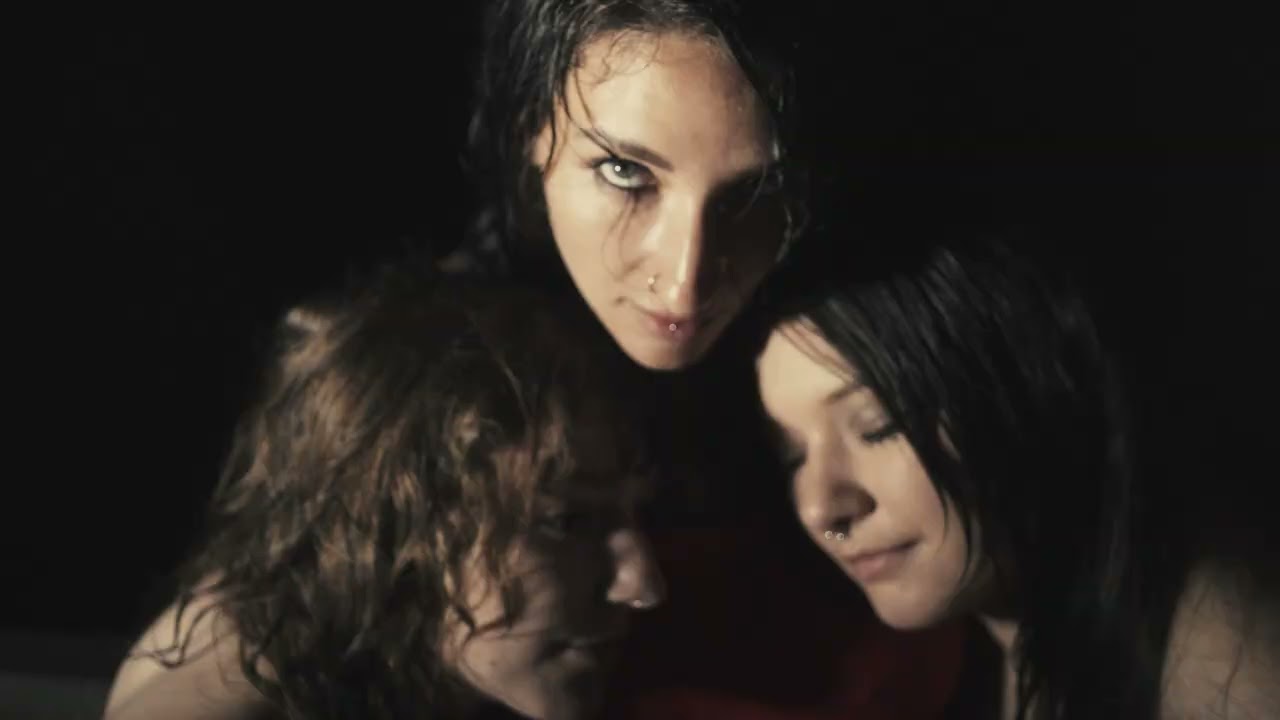
The result is what she calls “two sides of the same coin” – a record that feels like home and a departure at once. That balance shows up in the sequencing. They debated which song should open the album, hashing it out on the drive back to LA from the El Paso, Texas studio, Sonic Ranch. They chose How Will You Feel. Faris is relieved listeners have responded to it as the right mission statement.
The other contender, Fade, is the song she returns to most intimately, calling it her favorite. The way it came together reveals a core truth about how Blackwater Holylight build emotional weight. Starting as a melody she hummed to herself, she wrote the song stripped down on acoustic, wanting the arrangement to support the vocals rather than bury them. “I wanted to let the guitar part be a platform for the vocal, and let everything fill in and get washy around it.”
Then, almost accidentally, the piece gained one of its most human details.
“I was taking a voice memo for my band, like, ‘I think this should be the structure.’ An ice cream truck drove by right when I got done with the song. I’m giggling in the voice memo, I was like, ‘We’re keeping that!’”

If the album’s emotional tone comes from time and revision, its rhythmic identity comes from something older – the band’s internal language.
One of the most distinctive qualities of Blackwater Holylight, especially on this album, is groove. Even at their most droning and drenched they feel locked in, breathing together. “It wasn’t until this album that we really recorded to a click,” Faris says. “We have this language. We know exactly what things mean.”
She describes the silent communication that happens in loud bands: glances, gestures, micro-cues, an unspoken dialogue that guides tempo and dynamic changes without anyone needing to utter a single word. It’s a visual chemistry that becomes audible across the record.
When we talk gear, Faris doesn’t romanticize pedals as songwriting engines. Her process is the opposite; write first, then build tone around it. But when asked which piece of gear matters most to the record, her answer is immediate: “It’s a custom SG with only one volume knob, one pickup.”
It was a gift from her friend, Paul Hinojos of At The Drive-In and The Mars Volta – one of only two custom SGs Gibson made for him. “The album would sound really different if I hadn’t used that SG,” Faris says. She plays it live too.
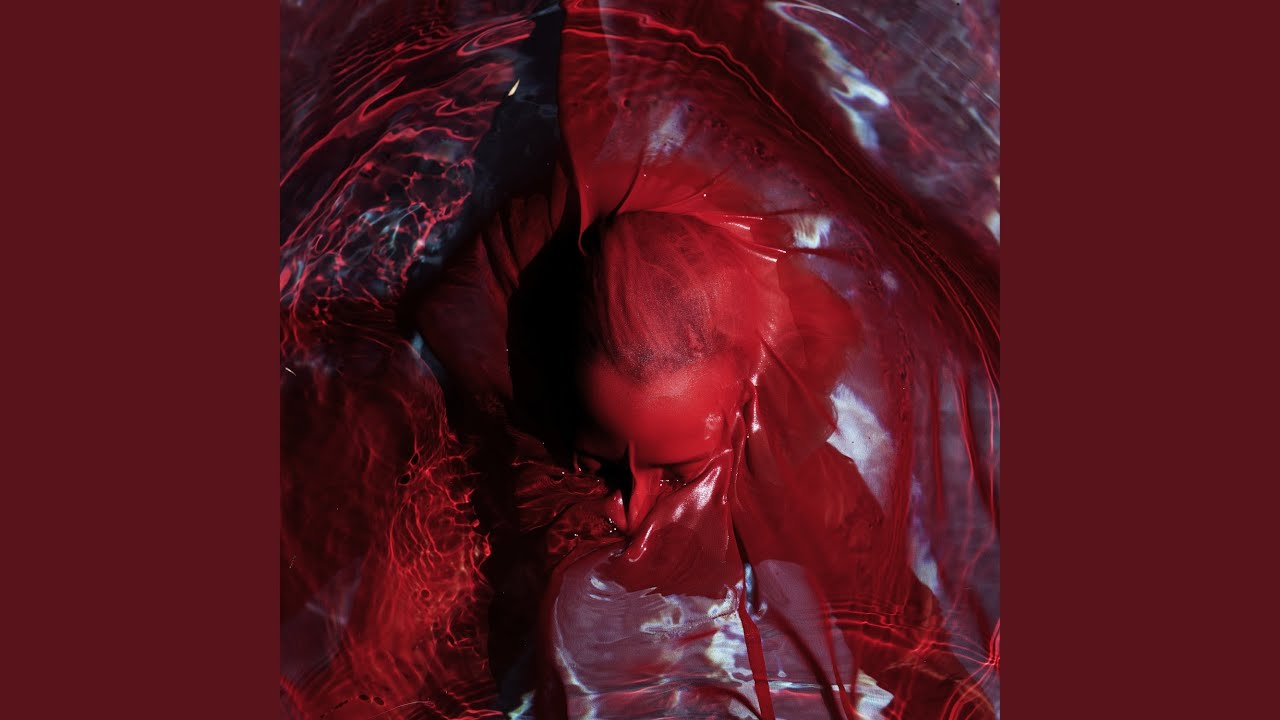
She points to two other major tonal forces. The Death by Audio Fuzz War, she says, is foundational to the band’s heavier palette; both she and guitarist Mikayla Mayhew run one. Then the Strymon Cloudburst helped provide expansive blooming ambience.
Looking forward, Faris is notably unsentimental about material that didn’t make the album. The band already released what could have been considered extra songs via an EP, and she feels good about leaving the remaining cuts behind.
Blackwater Holylight’s history is, in one sense, simple: friends in Portland who wanted to play loud music together and chase new sounds. But Not Here Not Gone is what happens when that simplicity survives growth, relocation, loss, and time. “Everything beyond those first Portland house shows is extra,” Faris says.
It’s hard to agree. The album feels like an arrival – not at a finish line, but at a more complete version of what Blackwater Holylight have been building all along.
- Not Here Not Gone is on sale now.
