


Over the past decade, Earl Slick has been approached to play on numerous David Bowie-related projects, and he’s turned down most of them.
He did take part in a Station to Station tour in 2016, during which he and Rolling Stones backing vocalist Bernard Fowler performed the singer’s epochal album to celebrate its 40th anniversary, but he agreed to it before Bowie’s death. And even then, he checked in with the man he called “boss.”
“I spoke with David about it the October before he died. I didn’t know he was sick, and I wanted to give him the courtesy,” Slick says. “I said, ‘Look, Boss, I want to do this.’ The only thing he asked me was who was singing. He didn’t want a Brit Bowie copy guy. I said, ‘No problem there, because I got Bernard Fowler.’ He was quite happy with that.”
The venerable guitarist, who has the distinction as Bowie’s longest-serving axeman, starting in 1974 for the Diamond Dogs tour and returning for multiple albums and tours over the next four decades, was thrilled when he was asked to join a new band, KillerStar, led by the U.K.-based duo of singer-guitarist Rob Fleming and drummer James Sledge, that would also feature a group of Thin White Duke alumni (guitarist Mark Plati, pianist Mike Garson, backing vocalist Emm Gryner, saxophonist Donny McCaslin, and bassists Gail Ann Dorsey and Tim Lefebvre).
But what prompted him to sign on had as much to do with what the outfit was as what they weren’t.
“It’s not a Bowie tribute,” he says, “though it’s hard for people not to think of us as that, because look who we have. We’re not doing Bowie songs. We’re doing Robert’s stuff, which isn’t Bowie. It’s got Robert’s flavor, and trust me, I had to learn some of his weird chords when we record. The [Bowie] stigma is there, whether we fucking like it or not. It’s not a bad thing.”
“It’s more like flavors of Bowie,” Fleming says. “He’s one of many influences we have.”

The group issued a self-titled full-length album in 2024 that blended atmospheric art rock and gritty classic rock-tinged tunes. There were no attempts at cloning the likes of Heroes or Suffragette City, but one could easily conjure a Bowie aura floating over the proceedings.
“You never know how something’s going to land, but we were really happy with the reviews and feedback,” Fleming says. “People from the Bowie community dug it, but there were quite a lot of people who got into it who aren’t Bowie fans.”
Buoyed by the response to the album, Fleming and Sledge got the gang back together to record a follow-up. Well, most of them – bassists Dorsey and Lefebvre have been replaced by Plati.
“Mark slotted in really well when we did live shows,” Fleming says. “He joined the band for gigs in New York and London, and he played bass on those shows. It was a natural thing to ask him to play bass on the new album.”
Slick laid down his parts for the debut album remotely, but for the new record, titled The Afterglow, the New York-based guitarist recorded the majority of his tracks at London’s RAK Studios with Fleming and Sledge overseeing.
He prefers it old-school, saying, “These days, everybody expects you to record at home and engineer it yourself. But I’m a guitar player. I can run Pro Tools well enough to do an overdub, but while I’m pissing around with a machine, all the vibe goes away.”
The two guitarists didn’t play together live in the studio, but Fleming, who recorded basics with Sledge before Slick came to the studio, says their parts seemed to bond in the most surprising ways.
There are some songs we’re both playing lead on, but Earl added things so unexpected, and they blended magically with what I already had
“That’s why I love Earl. That’s the magic dust,” he says. “The structure of the songs didn’t change from the demos in terms of basic patterns and chords, but certain things change when Earl gets involved and adds melody parts. There are some songs we’re both playing lead on, but Earl added things so unexpected, and they blended magically with what I already had.”
The new album punches harder than its predecessor. So Easy, driven by a simple yet spikey guitar riff, recalls glam rock’s glory days, and Proud is a mean and muscular piece of business with a surreal edge.
Slick’s echo-drenched slide playing dominates the ambient gem There Has to Be a Reason, and, as he notes, it was all done in a moment of spontaneous splendor.
“I didn’t have any notion of playing slide on the song,” he says. “Robert didn’t even put a guide vocal on it. So I just decided to do whatever. I just picked up the slide and did it in one take. If you’ve done this long enough, you know where the verses and choruses are going to be.”
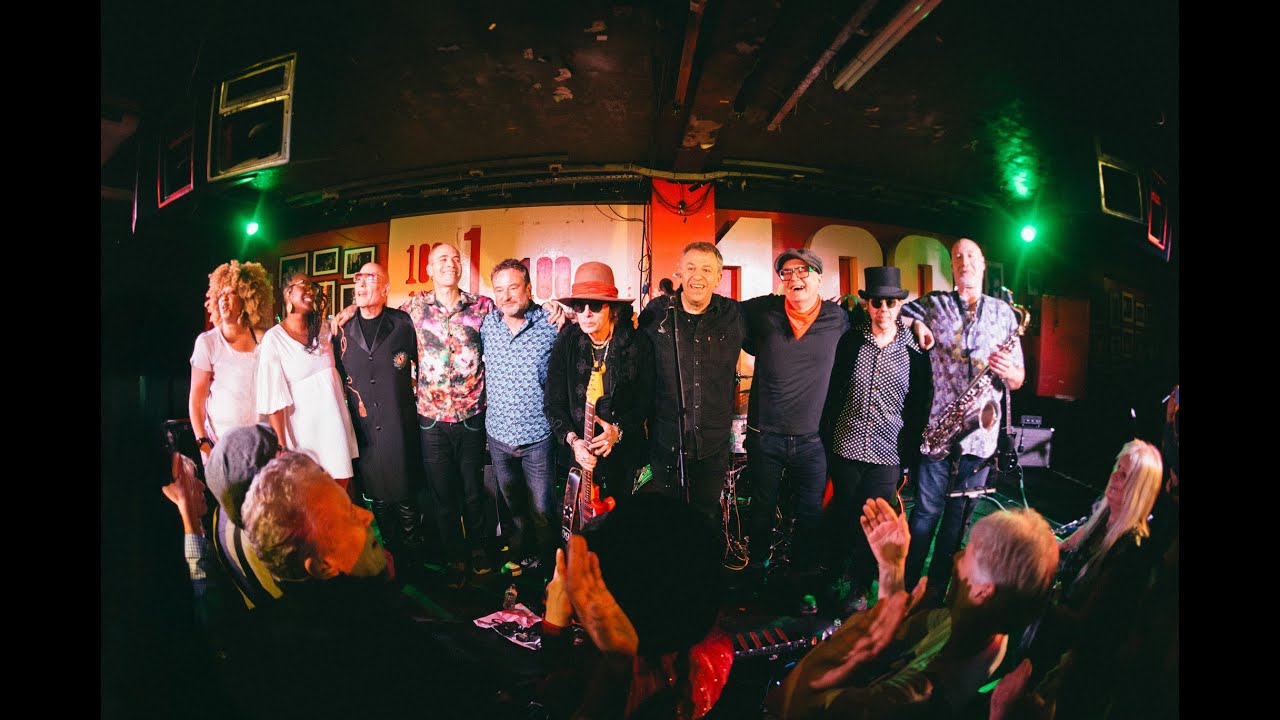
On their first go-round, KillerStar played three sold-out shows at London’s 100 Club, and they returned to the venue to celebrate the release of The Afterglow.
As to the possibility of playing more gigs this year, Fleming says the challenge lies in the logistics of getting the entire group together.
“We really just focused on getting this album out the door to see how people like it first,” he says. “I’m sure there will be more shows to come.”
For his part, Slick is gung-ho to play. He’s especially keen to perform in the U.K.
“I wouldn’t mind playing the 100 Club and then maybe the Arts Centre in Norwich and a gig in Liverpool,” he says. “I spend more time there than most of the other guys. I’m more than available to go there all the time. If I were younger, I’d be buying a place there.”
- The Afterglow is out now via Vintage League Music
- This article first appeared in Guitar World. Subscribe and save.

