


Despite having served under Frank Zappa, releasing one non-genre-conforming solo record (1984’s Flex-Able) and scoring a key – and now legendary – role in Crossroads, which hit theaters in March 1986, Steve Vai was still relatively unknown in the land of regular humans. But after joining the solo band of former Van Halen frontman David Lee Roth, he’d become a household-ish name.
“At 26, I got to live the ultimate guitar rock-star fantasy,” Vai says. “I wish every rock guitarist could experience a piece of that, but it would need to be the ’80s when that type of thing was flourishing.”
The “thing” Vai is talking about is glammed-out shred, which was popularized by Eddie Van Halen (and a few others), who, in the eyes of Roth’s fans, Vai was about to be directly compared to. Not that this bothered Vai.
“I believe I worked well in the band because I’ve had rock in my blood since I was a teenager,” Vai says. “I was able to authentically express that, with my quirk, of course.”
Also helpful was Vai’s habit of coming in behind iconic shredders. “I’ve been lucky that way throughout my career,” Vai says. “I replaced Warren Cuccurullo with Zappa, Yngwie with Alcatrazz and Edward with Dave. Somehow the fans kept welcoming me in. Maybe they just like watching a guy try to keep his head above water!”
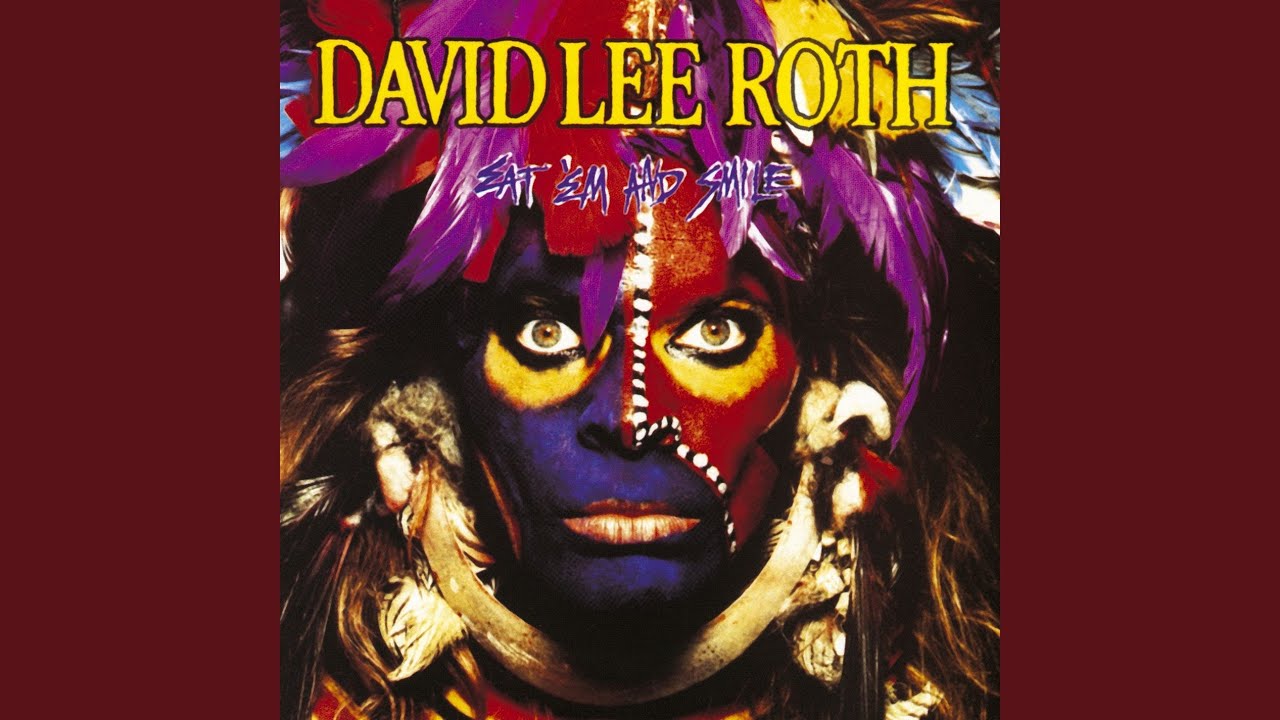
In all fairness, judging by Roth’s debut solo record, 1986’s Eat ’Em and Smile, Vai did more than keep his head above water. Tracks like Yankee Rose, Tobacco Road, Shyboy and Vai’s favorite, Big Trouble, tell the story of a match made in hair metal heaven.
![David Lee Roth - Yankee Rose (Official Video) [HD] - YouTube](https://img.youtube.com/vi/65o3MFsb0BY/maxresdefault.jpg)
Eventually, Vai would break out solo and turn the guitar world upside down, but he couldn’t have done it without having served under Roth. “I always look for things I haven’t done before, or I haven’t really heard from any other guitar players,” Vai says.
As for how he looks back on working with Diamond Dave – one of music’s most notorious characters – post-Van Halen, Vai smiles, saying, “He was a handful in the best possible way. Working with him was like being strapped to a rocket made of charisma and fueled by tequila.”
How did you end up playing guitar for Dave?
I was living in a little apartment on Fairfax in Hollywood when I heard he was looking for a guitar player. For some strange reason, I just knew it was my gig. It wasn’t an ego thing – I didn’t think, “I deserve this” – it was more like a quiet voice inside saying, “This is yours.”
The next day, the phone rings; it’s David Lee Roth. Turns out [bassist] Billy Sheehan had mentioned my name. Dave tells me he’s putting together a band for an album, a tour and even a movie, and he asks if I want to come down and jam. I knew they’d been trying out other guitar players, but once we started playing together, it just clicked. Sparks were flying, musically speaking.

How did you handle being compared to Eddie Van Halen?
I knew all ears would be on me. It was probably the most coveted guitar chair in rock at the time. I adored Edward's playing, so from a fan’s point of view, I understood that people would be skeptical. I would’ve been too. But competing with Eddie Van Halen? Forget it. You don’t compete with Mount Everest – you just admire it.
My mindset was simply to contribute something authentic, be myself and let that speak for itself. Once the album came out and we hit the road, the reception was fantastic. I didn’t feel the backlash people warned me about. I think fans realize you can’t replace Edward; you can only bring your own voice.
What did Dave expect from you?
Dave wanted a young hotshot who could play their ass off. He wanted a supergroup with players who could really throw down, and he nailed it: Billy Sheehan, Gregg Bissonette and me. It was wild chemistry. I knew I had to supply some riffs, and the ones I did resonated with Dave.
He has a great ear for what works for him and what doesn’t. As a soloist, I was quite the “shredder,” and that was popular at that time. I knew that was important to Dave, but he was also interested in solos being a musical statement and not just a flurry of notes.

What gear did you use in the studio, and what was the vibe like?
When I joined Dave, I was embarrassingly inexperienced with what people would call “big rock guitar tone.” I didn’t even own a Marshall! I was using Carvin X-100B amps, which I brought into the studio for Eat ’Em and Smile.
I tracked a few songs with them using my yellow Jackson Soloists and also my pink one. I also used my Charvel “Green Meanie.” But the Carvins weren’t cutting through for the more aggressive tracks.
Luckily, Steve Stevens was recording across the hall. I mentioned my tone troubles, and he lent me one of his favorite Marshall heads and cabs. Boom! Instant magic. I ended up using his rig for most of the album. Thanks, Steve. You saved my sonic bacon.
Ted Templeman produced Van Halen and Roth. What was he like?
He was brilliant. I learned a ton from him. He gave you total freedom, but his suggestions were so insightful that you wanted to follow them. I came from a background with Frank Zappa, where precision and complexity ruled the day.
Ted taught me the opposite – how to capture raw energy. He knew how to bottle the chaos of young lunatics like us and make it sound big, tight and alive. We respected him as the Yoda that he is.
What do you remember about working on Yankee Rose, That’s Life and Tobacco Road?
I knew this record would be forensically examined, so I leaned into my quirks. I’ve always had this playful, slightly mischievous streak in my playing
I knew this record would be forensically examined, so I leaned into my quirks. I’ve always had this playful, slightly mischievous streak in my playing. One such example is my “guitar talking” technique. I thought it’d be fun to open the album with it, just to grab people by the ears.
That’s Life was pure Dave – swagger, humor, and showbiz all rolled into one, and I was happy to support it. And Tobacco Road? That was a blast. Dave suggested it, and I went home and cooked up a guitar arrangement filled with weird little twists and turns. I remember thinking, “There’s no way they’ll let me get away with all this nonsense.” But they did. And that freedom made the whole session magic.
You handled the horn arrangement on I’m Easy. Did Zappa prepare you for that?
I started writing horn charts in high school and really dove into it at Berklee. I’ve always loved big band arrangements. It’s like sculpting sound with brass. Doing the horns for I’m Easy was… easy.
What’s your favorite guitar moment from Eat ’Em and Smile?
Perhaps my solo on Big Trouble. I had full creative freedom on that one, and it came out exactly how I heard it in my head – melodic, daring and unapologetically “Vai”. To me, it didn’t sound like Edward or anyone else, and that’s usually a sign that I was hitting the mark I set for myself for this record.
And the riffing with Billy on Shyboy? Total mayhem. Imagine two electric eels wrestling inside a transformer. That’s what it felt like.
We were holed up in Dave’s basement for about a year putting this thing together, completely under wraps
Were you satisfied with the album?
It felt gloriously surreal to listen to that record from top to bottom and be embraced by its audio energy elixir. I still feel that when I listen to it now. A part of me ponders, “How the heck did we do that?”
We were holed up in Dave’s basement for about a year putting this thing together, completely under wraps. I couldn’t tell anyone what we were doing, so I had no clue how it would land. But I loved it. It had energy, humor and attitude. It felt alive.
Were you prepared for the wave of popularity that followed?
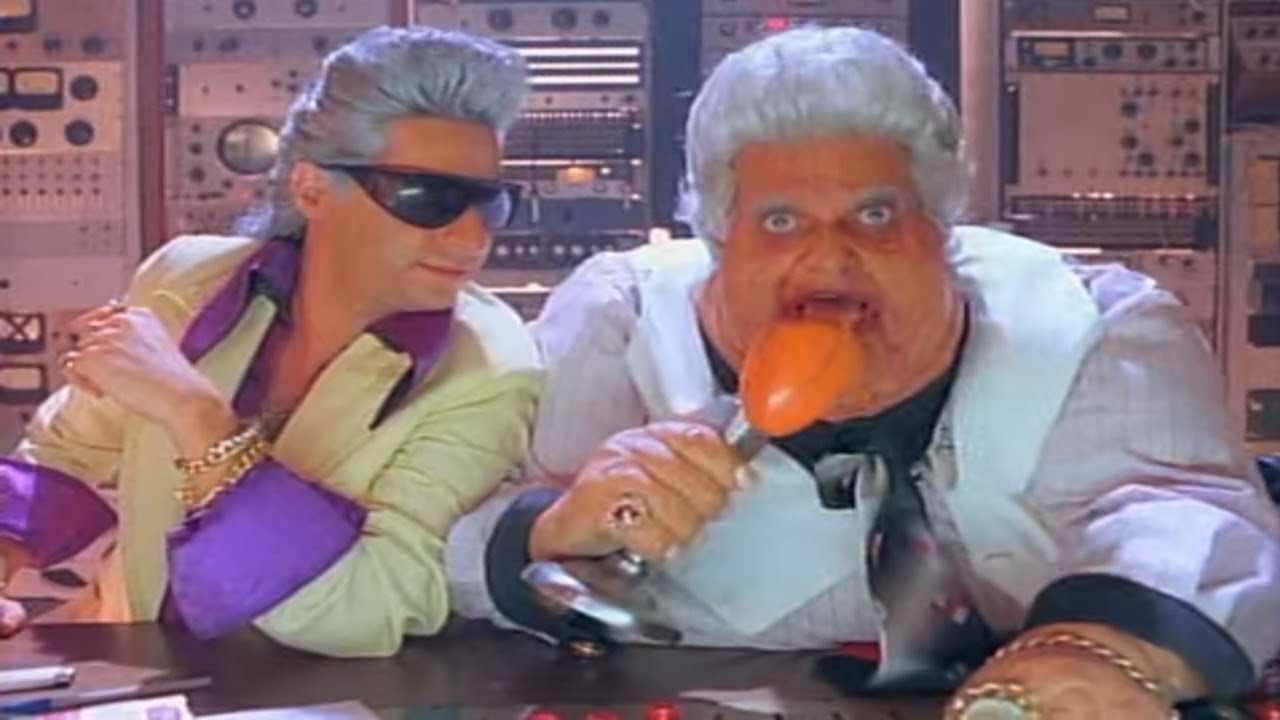
One funny moment – I was at the gym, walking through the parking lot and nearly got hit by a car. The driver slams his brakes and yells, “Hey, you dumb fuck – watch where you’re going!” All the while, he was blasting Bump and Grind at full volume while headbanging. I just smiled and thought, “At least he bought the record!” [Laughs] Soon we were playing to 20,000 people a night.
Would you do anything differently?
That gig was a gift for many reasons. It launched me into a whole new world and taught me how to command an arena stage. I can’t think of anything I would have done differently. It was financially rewarding, too, but after a 45-year career, I discovered that success is very nice – the money, fame, respect and so on. It's all quite fine and good, although it does come with certain challenges.
To this day, Billy, Gregg and I are unbelievably close. They’re like brothers
But of vital importance is the people you meet along the way, the experiences you have with them and the bonds you create. This is the real payoff, and when I look back at Eat ’Em and Smile, those are the things I'm most appreciative of.
To this day, Billy, Gregg and I are unbelievably close. They’re like brothers. There’s no way to put a value on our friendship that could compete with worldly success. I could even pick up the phone and call Dave. We were actually good friends back then.
He was like a mentor to me in many ways. When I look back, I thank my lucky stars. The whole thing feels extraordinary to me now. Touring, the videos, the huge stage, crazy clothes, girly hair, the backstage parties, the mayhem – it was outstanding.
Beyond that, what does Eat ’Em and Smile mean to you?
In all the bands I’ve been in, be it Frank Zappa, Alcatrazz, Roth, Whitesnake and the others, I knew there was a brand of music bubbling up in my imagination that I had to get out. Those eccentric ideas were there for as long as I can remember.
When I quit all those bands to make [1990’s] Passion and Warfare, I thought it might be the end of my career, but it was an easy choice. If you don’t allow your true creative impulses to manifest, it usually leads to depression.
I was fortunate in that Passion and Warfare and my brand of music and playing found an audience that has sustained me and my music. When I think of Eat ’Em and Smile, it’s like a wild, beautiful chapter in a fairytale. Somehow I got to be one of the characters.
- This article first appeared in Guitar World. Subscribe and save.

