

Holding down the bass chair for a force of nature like Stevie Wonder seems an unenviable task. In addition to being one of most prolific songwriting geniuses of the last century, Wonder's keyboard-born left-hand basslines have been as influential as those on our list of the 40 best basslines of all time.
But none of that daunts Nathan Watts, having played more than 50 years with the man he casually refers to as Steve. “Too High, Boogie On Reggae Woman, I've had to play everything over the years,” Watts told Bass Player back in June 2010.
“Natural Wonder is a good live album to hear how I cover Steve's keyboard basslines. I just learned them all by ear; we've never had charts in the band.”
Wonder likely performed the Boogie On Reggae Woman bassline on the legendary TONTO synthesizer, the largest multi-timbral analog synthesizer ever built, and one of music's all-time craziest contraptions.
Most sonically prominent, due to TONTO's numerous analog oscillating tone generators, is that Wonder's bass sound consists of several octaves of nearly unison tones.
“I'm throwing down this challenge right now,” said Bryan Beller in the December 2007 issue of Bass Player. “I don't think that bassline is playable – top to bottom, up to tempo, all inflections included – by anyone other than Nathan Watts.
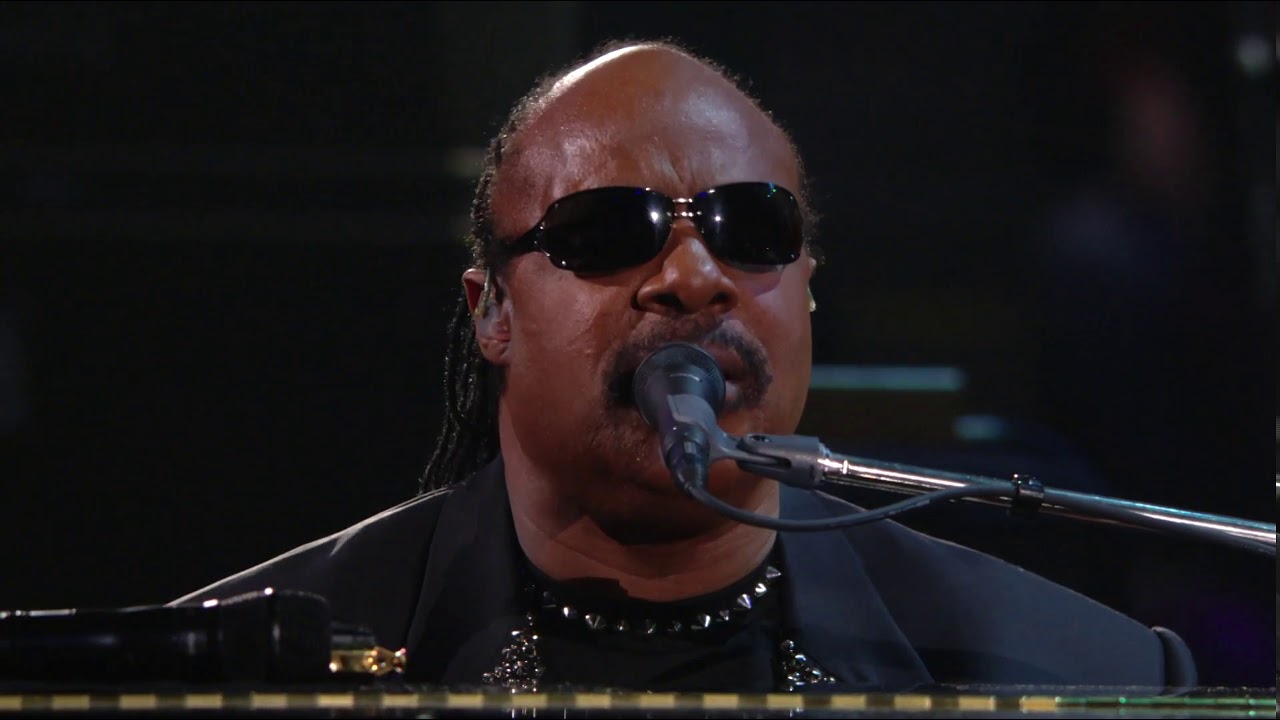
“But really, all praise is due to Stevie Wonder. I always knew he was a bad man. I just didn't know he was such a badass!”
The intro is probably the most un-bass-like thing in the whole song, and is wildly open to interpretation (not only was it played on a keyboard, it's in the dastardly key of Ab).
While the bassline is clearly improvised, there are a couple of signpost motifs that show up right away and keep the line centered.
For the record, we're talking about the 4:11 radio-edit version of the tune.
The main major pentatonic line is sprinkled throughout, and is usually followed by a bar containing a fill of some kind, often leading to a chord change once the verses begin. Wonder plays it repeatedly but doesn't wear it out, dressing it up with subtle rhythmic shifts and muted notes.
In addition to syncopated finger mutes, fingering and position challenges, 32nd-note fills, and effect generation, there's one big inflection left to tackle.
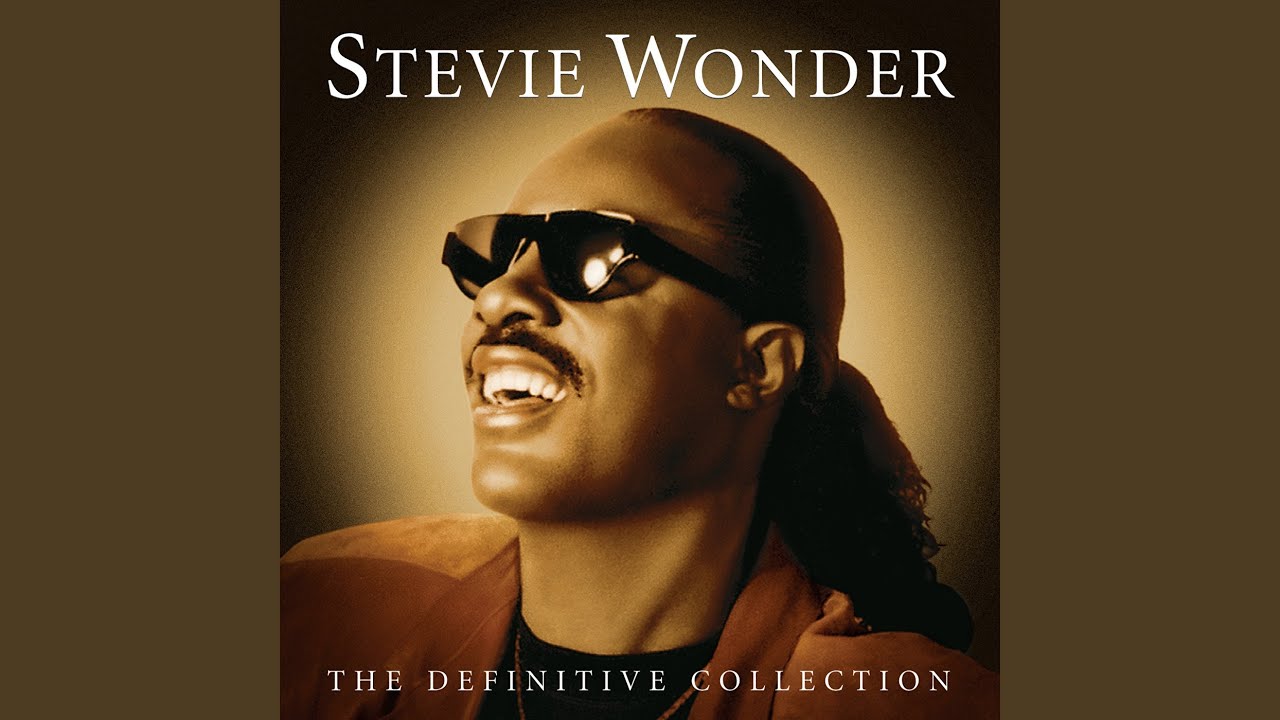
Wonder used the pitch-bend wheel and glide control, and used them often. Sometimes his line is legato without notes being bent, while other notes have a sharp attack, sometimes all within the same beat.
A quick slide up and down a half-step is a good way to deal with his propensity to pull off those 32nd-note pitch bends. This applies for grace notes as well.
Sometimes, by using the TONTO's myriad controls, Wonder would change pitches without either bending or audibly retriggering a note. With the proper tone, a hammer-on or pull-off can achieve the smooth synth-like legato.
The best of the best is a smooth string of funky Ab major pentatonic runs at 01:36, and a double 32nd-note lick on the way down at 02:18.
Wonder throws everything but the kitchen sink at 03:53. Two octaves, mutes, slides, slurs, and one heaping slab of funk. Now that's how you set up a fade.
