

While the Yardbirds are rightly famed for having kickstarted the careers of three British guitar legends – Eric Clapton, Jeff Beck, and Jimmy Page – the band was far more than a mere nursery for six-string superstars.
Their freewheeling mid-song interludes (dubbed “rave-ups”), deft combination of blues and harder-edged sensibilities, and willingness to engage with non-mainstream ideas such as Gregorian chant exerted a powerful influence on their mid-'60s contemporaries and presaged many developments in the worlds of experimental and heavy rock.
In its heyday, the group enjoyed success on both sides of the Atlantic with such hits as For Your Love, Heart Full of Soul, and Shapes of Things.
Like many other low-enders, the band's founding bassist, Paul Samwell-Smith, started out as a guitarist. “When the Yardbirds started, under the name of the Metropolis Blues Quartet, Keith Relf was playing guitar, and playing rather well,” said Samwell-Smith in the March 2017 issue of Bass Player. “So I volunteered to play the bass – well, someone had to!”
The Surrey, England-born musician cites Ricky Fenson of the Cyril Davies Band as an early influence. “He blew my mind when I watched them play. I copied much of his style, as did others, including Bill Wyman.”
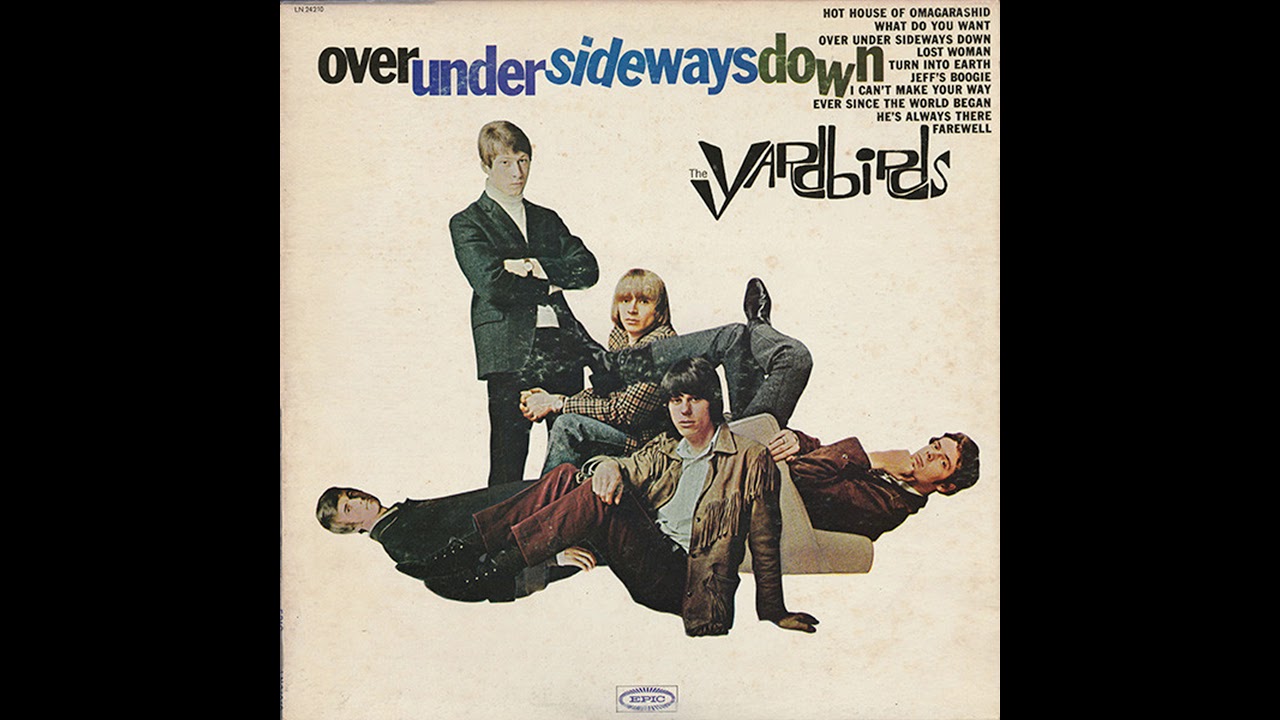
The Yardbirds' first studio album, Yardbirds – a.k.a. Roger the Engineer and released in the States as Over Under Sideways Down – opens with Lost Woman, a riff-based number that features a prime example of the band’s rave-up style.

Samwell-Smith – who also served as the album's co-producer – believes the song was likely recorded live in one take, with the bass guitar sound captured using a miked Marshall rig comprising an amp and a four-speaker unit.
“I used my Epiphone Rivoli bass, a short-scale model that I used for everything, and which made it easier to play chords. In fact, I found it easier all around to reach the notes – those long-scale Fender Jazz models sounded fantastic, but they scared the hell out of me. I used black nylon tapewound strings to reduce the friction, as I played a lot of chords and slid up and down the fretboard a lot. I found with wire-wound strings I'd wear my fingers down.”
Following a hi-hat count-off, the bass announces the song's foundational hook: a bobbing pick-plucked riff built around the G minor pentatonic scale. This riff continues through the guitar-free intro and verse, accompanied by drummer Jim McCarty's throbbing tom-tom ostinato and Relf's vocals.
Samwell-Smith changes tack for the chorus, deploying root-5th power chords (enlivened by an occasional 6th) while adding beat four color to the C and D chords with a minor-3rd-to-major-3rd half-step. “These are the classic Jimmy Reed-type blues chords, which I used a lot.”
Following a repeat of the verse and chorus, the song segues into the rave-up section at 00:51 via the pivotal D7#9 chord. Here, the bass, harmonica, and a single guitar hammer out a snappy unison line. Dig how the bass duplicates the bluesy bends of the guitar and harmonica throughout this section. “That was me just trying to be a guitar player, yet again.”
At 01:21, the bass drops to a low, 3rd-fret G, heralding a slow, whole-note climb up the G minor pentatonic scale that extends under Relf's wailing harp solo and Jeff Beck's off-the-cuff axe-work.

Samwell-Smith takes over Dreja's hypnotic 16th-note G's at 02:06, gradually adding in the 5th and octave above, as the rave-up careens toward an abrupt climax. This is followed by a return to the main riff at 02:39, and a recap of the verse and chorus before closing out over a raucous G9 chord at 03:05.
Regarding the band's slow-build interludes, Samwell-Smith explained: “It was something we always did in our live performances, so it was easy to agree on the basic shape of the improvised part and make it up on the spot. It relied on eye contact to indicate when the rave should end and the riff come back, which was usually me, since I had to get back to the riff double-sharp.”
Samwell-Smith quit the band shortly after finishing the Yardbirds album to pursue a career as a producer, later working with such artists as Carly Simon, All About Eve, Cat Stevens, and Jethro Tull. “I was so tired of touring endlessly, always traveling for hours to a gig miles from anywhere.
Making the album was a brief period of sanity for me; I think we spent five consecutive days in the studio, and I loved it. It was definitely what I wanted to do. So when we finished the album and went back on the road, I realized that I had to change my job.”
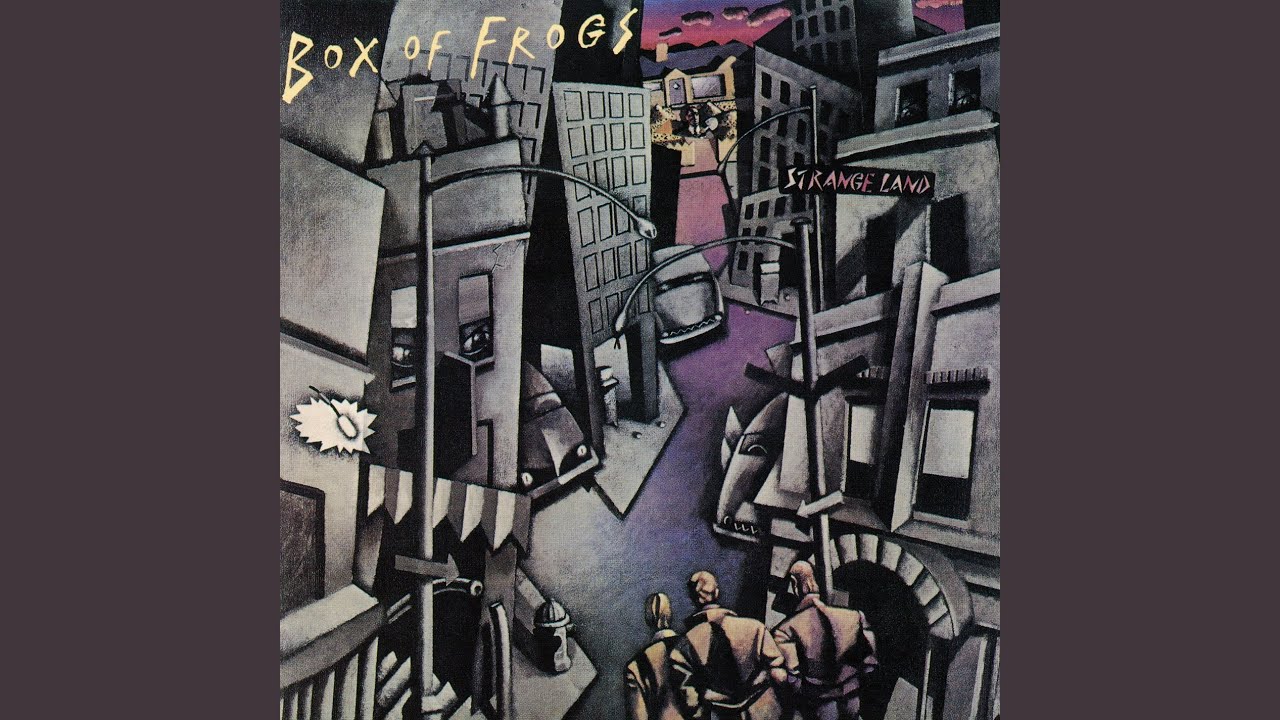
In the mid-'80s, however, Samwell-Smith teamed up again with Yardbirds founding members Dreja and McCarty to form Box of Frogs, which recorded two blues-rock albums featuring a host of musical buddies, including Beck and Page.