


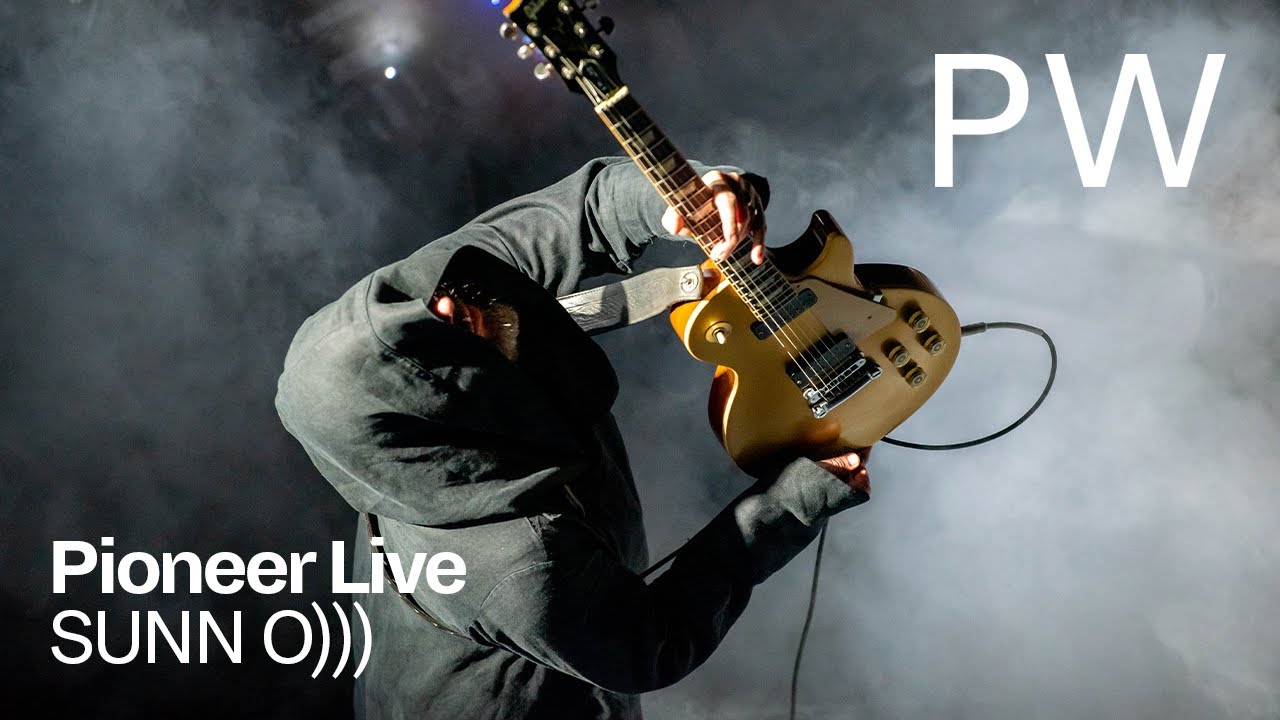
10 albums since their formation in Seattle in 1998, Sunn O))) have built an intimidating and intellectually rigorous catalog of music based on subterranean riffing, currently in trouser-flapping drop-A tuning.
A wide range of alternative musicians have performed with them over the years, including Joker soundtrack composer Hildur Guðnadóttir, Japanese experimentalists Boris, singer Attila Csihar of black metal ghouls Mayhem and the avant-garde songwriter Scott Walker, whose collaborative 2014 album, Soused, was one of many high points of the duo’s prolific career so far.
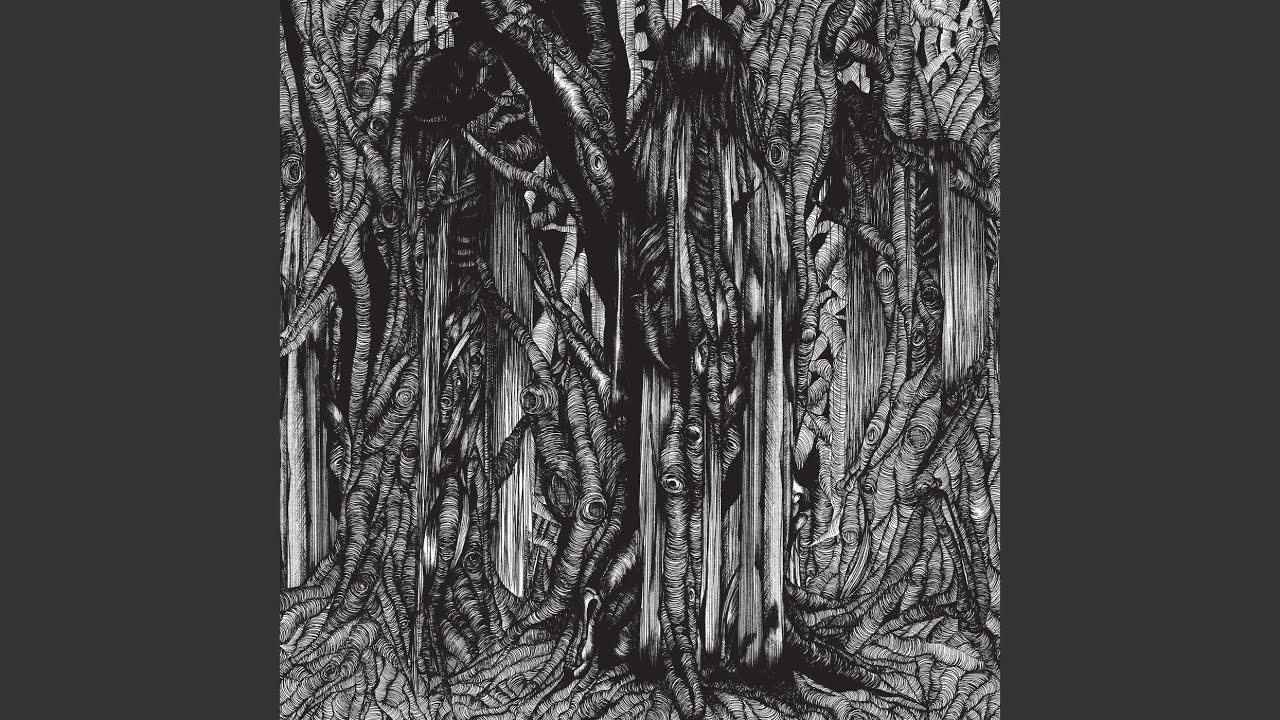
Still, their new album, Sunn O))) (it’s pronounced “sun,” BTW, just like the classic amp brand), a monstrously edifying piece of work, might well match that highlight.
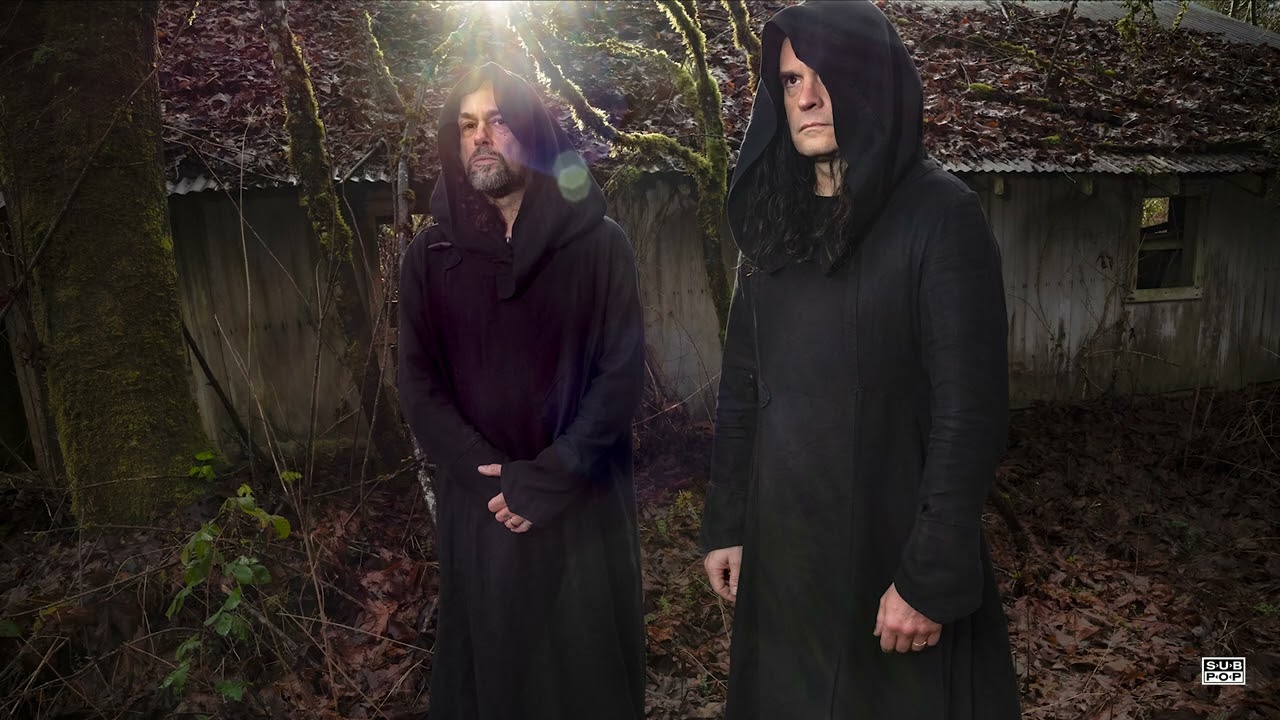
Guitar World met Stephen O’Malley and Greg Anderson for a discussion of all things downtuned.
The press release for Sunn O))) claims there are 130 guitar tracks on the album. Is that true?
Greg Anderson: Yeah. Maybe more, actually. The producer that we worked with, Brad Wood, developed this concept of recording us almost as you would an orchestra, with a microphone or two on every instrument, to get a really detailed documentation of the sound.
There was a microphone on every single speaker that was used in the tracking. In the past, on a 4x12 cabinet, we’ve had one, maybe two microphones on it. Brad put a microphone on all four speakers, and we’re playing with multiple cabinets.
Stephen O’Malley: It was an incredible way of doing it. I think there were about 20 mics per person per take, so with that, all of the variety of color of each speaker, and even location of each mic, it was great. It was Brad’s concept that he brought to the table.
And you were reamping, too.
Anderson: We did a lot of that on this record, so there was a direct signal that was recorded while we were tracking, and then we ran that back through a different pedal setup or different amplifiers, but the speaker cab remained the same.
One of the things that we also did on this record was take Stephen’s signal and run it through my setup, and then we’d take my signal and run it through Stephen’s setup, just to get some different sounds and different textures. We had many, many layers to work from, hence the absurd amount of tracks.
Presumably 130 guitar tracks is quite a challenge to mix.
O’Malley: That was our only hesitation – like, “Can you manage this?” Because if we do one take of one guitar part, that’s 40 tracks. And then if we re-amp it, it’s adding another 40 tracks, and then there’s the other instrumentation as well. If someone was playing a bass track through the backline, that’d be another 40 tracks of bass.
It adds up quite quickly, and the management of all that takes a lot of skill. Another question was, “Are there enough Neve preamps to handle this?” Fortunately, the studio had them, and to Brad’s credit, the entire mixing process was totally smooth, with no issues.
If you’re going to do this, you might as well go big, right?
Anderson: Yeah. That’s actually part of the story of this group. Our backline is enormous, and so is the sound we’re making.
Just as well you weren’t recording to tape.
O’Malley: That would have been a lot of tape machines. I mean, our last two records that we recorded with Steve Albini [Life Metal and Pyroclasts, both released in 2019) were on tape, and it was exactly that — like, “How many channels do we have to work with?”
The guy we rented it from, I asked him if he could do a drop-A tuning with a .140 string on the A, and he was like, “Well, I’ll have to put a new nut on, but I’ll do it”
Can you take us through the gear you used on the record?
O’Malley: Yeah. I need to pull up some photos. We had someone come in and take them for this specific purpose.
For when Guitar World calls?
O’Malley: Yeah – exactly! My main guitar on the record was my signature silverburst Travis Bean T1000A.
Anderson: I played two different Les Pauls — a 1972 Custom and a 2005 Deluxe. One has P100s in it and the other has Lollar humbuckers.
O’Malley: On the bass guitar tracks, I was playing this amazing vintage Gibson Thunderbird. The guy we rented it from, I asked him if he could do a drop-A tuning with a .140 string on the A, and he was like, “Well, I’ll have to put a new nut on, but I’ll do it,” and he set it up like that. It was just great.
![Stephen O'Malley [left] and Greg Anderson of Sunn O))) are photographed in a forest](https://cdn.mos.cms.futurecdn.net/uC7pHiCqCaG66HgNBXj5Vf-1200-80.jpg.webp)
How about effects?
O’Malley: My board had my ProCo Big Box Rat with the Keeley mod. There’s a Zvex Super Hard On, which I’ve had since the early ’90s. There’s a J. Rockett Silver Archer, a Dallas Rangemaster, a Black Ash from EarthQuaker Devices, an Aguilar Octamizer, an EarthQuaker Swiss Things, a Peterson StroboStomp tuner and an Echofix EF-X3 Chorus Echo. The Sound Shank by EarthQuaker was used a lot, as well as a few Big Muffs.
Anderson: We brought a shit-ton of different distortion and fuzz pedals and a few other pedals as well. Stephen tends to be the one who uses more echo and reverb in his sound; I leave that out of mine. I was using a Big Muff Civil War fuzz.
That runs through the EarthQuaker Devices Life pedal, whose circuit is based off the Rat and has an octave and boost in it as well. Those are the two main pedals as far as the sound for me.
And amps?
O’Malley: On my side, the amplifier wall was four Sunn Model T tube heads, vintage. Two of those were Super Ts, with Fender Soldano and Marshall cabs. For the bass, we had a vintage blueline Ampeg SVT and an 8x10 cab. That was all for the primary tracking.
For reamping and some of the overdubs, I also had to create a Fender wall, which had a Champ, a Deluxe, a Twin and another one with a 12” speaker that I can’t recall. Those were all vintage.
Anderson: Of course, we had the Sunn Model T heads, and on my side we also set up a bass setup with an 8x10 and a bass head. Typically for us on a live performance, that’s done with an Ampeg SVT head and cabinet, but this time I used an Orange AD120.
O’Malley: We called one of the guitar cabs, a Fender 4x12, “the Black Hole.” It had an insane bass response, much more than the Ampeg, even. It was pretty juicy on the bass – actually, a little bit too much, which is kind of good for our songs. We’re kind of about having too much.
That’s a lot of gear.
O’Malley: That’s about half of what we usually use. [Laughs] I mean, recording full stacks isn’t really necessary, so it was primarily half-stacks in the studio.
How do you two divide up the recording?
O’Malley: Obviously, we’re both playing electric guitar, and the way that works is pretty old school and pretty democratic. We’ll introduce parts to each other and work on them and create arrangements, and then try different variations and make suggestions.
It’s pretty open in that way. We’ve been playing together for so long that we have a vocabulary that we go back to, but at the same time, each time we work together, it seems like we have to find new paths to communicate. I find that to be really positive and stimulating.

Do you guys play the riffs in unison?
Anderson: Oftentimes, yeah. There’s moments too, especially on this record, where we were experimenting with contrast and one person would riff and the other person would lay out, and we would take turns on that.
Our live performances are typically around 90 minutes long, and at the end of one, it’s definitely something you feel, like a great hike through the woods
Greg Anderson
Sometimes there were moments where we were playing slightly different variations of the same thing in unison. But oftentimes it is in unison, or one player played an octave up to give it some depth. We did a few overdubs, but not many: most of the album is a singular performance.
What you hear is what was played in that moment. There’s different things happening in reaction to the riffs, where each player is adding their own thing. To me, that’s what makes up the entire sound. It brings in the character of each player.
Is it physically exhausting to play your stuff?
Anderson: Somewhat, but it’s also exhilarating, like jumping into a frozen lake. Our live performances are typically around 90 minutes long, and at the end of one, it’s definitely something you feel, like a great hike through the woods. You can feel it in your bones. I like that feeling.
Is there a limit to how low the guitars can go, frequency wise?
Anderson: There are limitations to the instruments and the amplification when it comes to producing sounds.
On some of our earlier recordings, we experimented with low tones that only dogs can hear. I’m sure there’s recordings that have that, but I think as far as an expression of what we’re doing, it can’t be captured correctly, or in a way that we would present it.

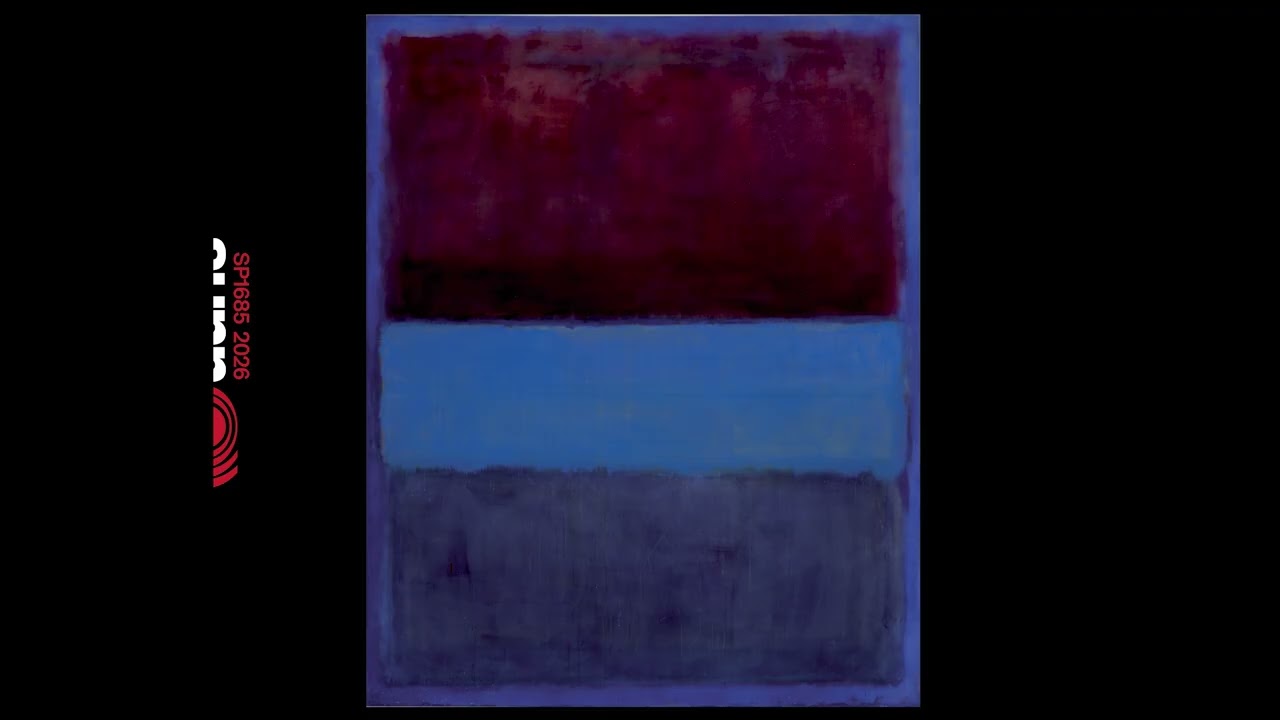
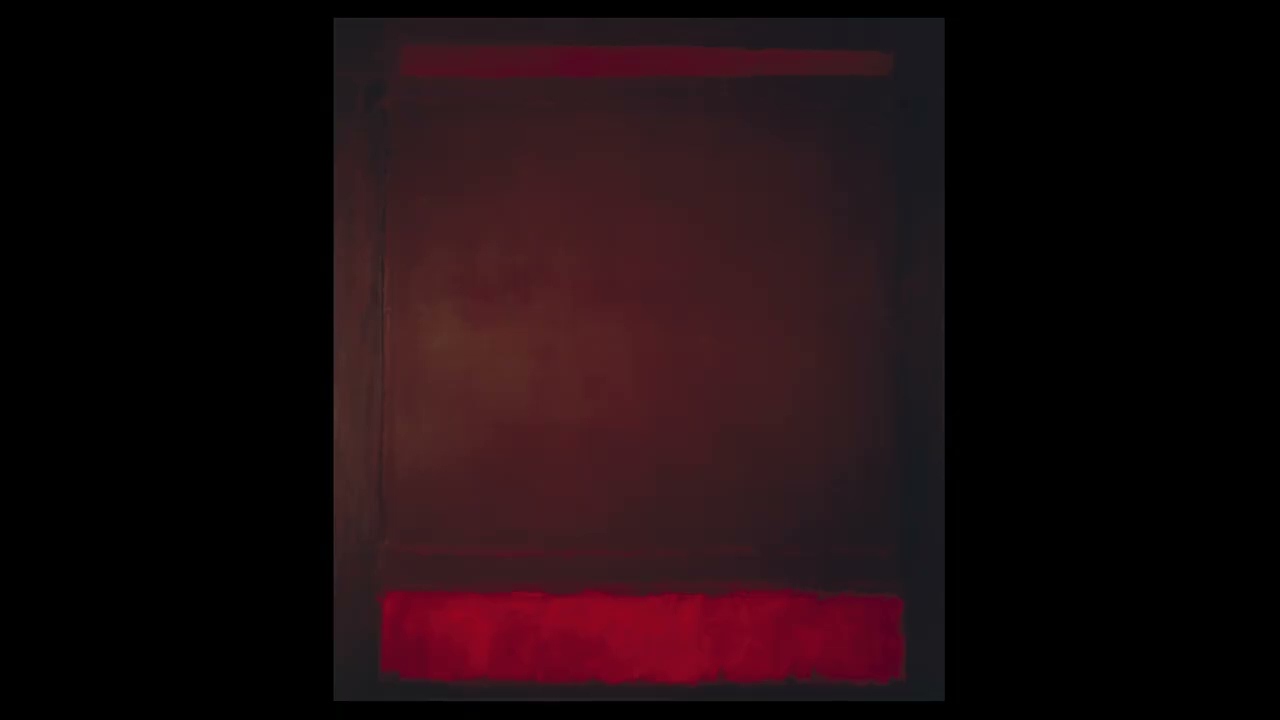
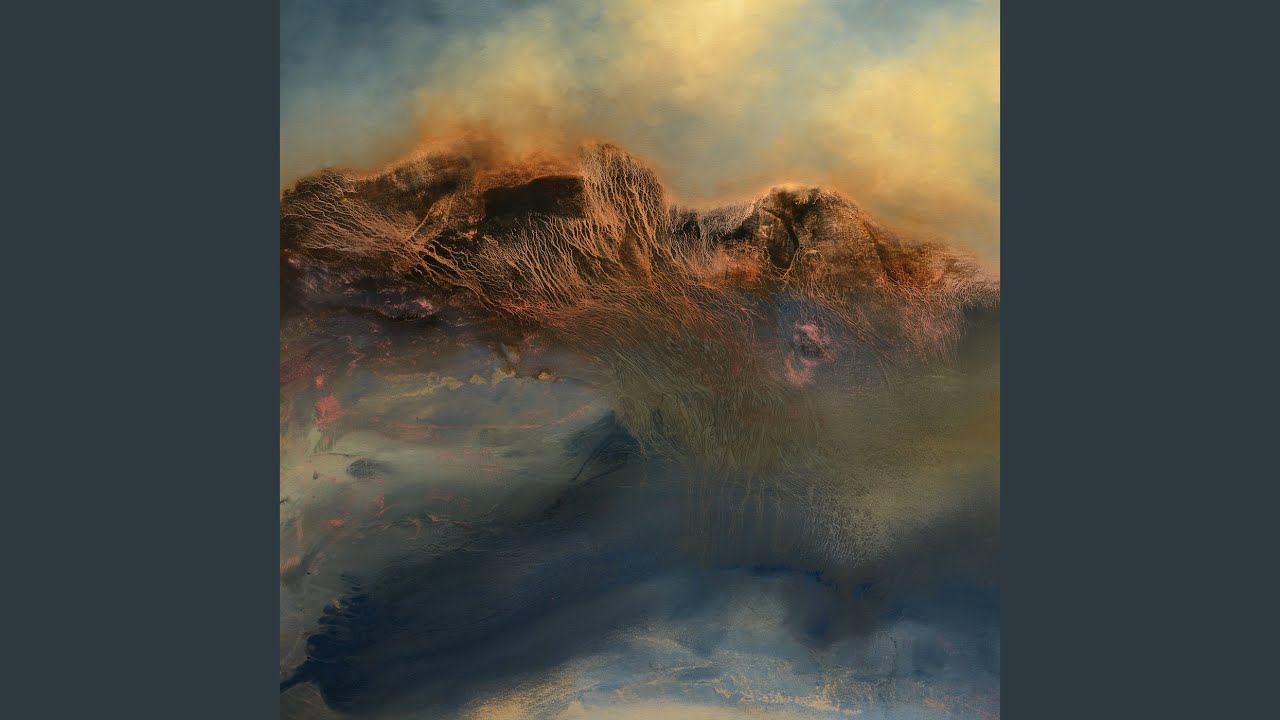
It’s a great album. From the Mark Rothko picture on the cover to the guitar tones, it’s one hell of an artefact.
O’Malley: Thanks for saying that. It’s taken a lot of development to get here, and what’s exciting about it is that it always feels fresh, and we’re working with a new label, Sub Pop.
Greg and I grew up in Seattle, and we started playing music over there in the ’90s, so to be working with Sub Pop is really cool. This is a life’s work kind of artistic project, and it’s really been a blessing, considering where it’s brought us.
Anderson: I’m really excited about Sunn O))) – and very proud of it. This is the first record we’ve made with just the two of us. We’ve gone back to the beginning, in a sense, but in a way that this project has turned into its own beast. After 10 albums, we’re still moving forward.
- Sunn O))) is out now via Sub Pop.
- This article first appeared in Guitar World. Subscribe and save.

