


“Just what we need – another damn bass player from Detroit!”
That friendly chide from bassist Eddie Watkins to fellow Motown thumper Ben Adkins about Allen McGrier, who had just arrived to live at Adkins’ Los Angeles pad, begins the tale of McGrier's successful move west.
The results would be a slew of great bass work, as well as songwriting and production with Teena Marie, Rick James, and many others.
Born on July 24, 1957, McGrier began playing trumpet at age 12. After transferring to a new junior high school, he met James Jamerson Jr. and began hanging at the family's home. “I had refrigerator privileges,” McGrier explained in the August 2018 issue of Bass Player.
When James Jamerson Sr. played at a school talent show and “tore the place up,” that clinched it. Equipped with an Epiphone semi-hollow bass guitar his dad bought him, McGrier made the switch from trumpet, applying the influences of Jamerson, Billy Cox, John Paul Jones and Rocco Prestia.
Following high school, McGrier, like family members before him, began working for Ford Motors. A successful audition for the Dells led to some regional touring, for which he took medical leave from his day gig. Eventually, the toil and risks of melting iron while balancing his playing career led him to leave the Ford foundry.
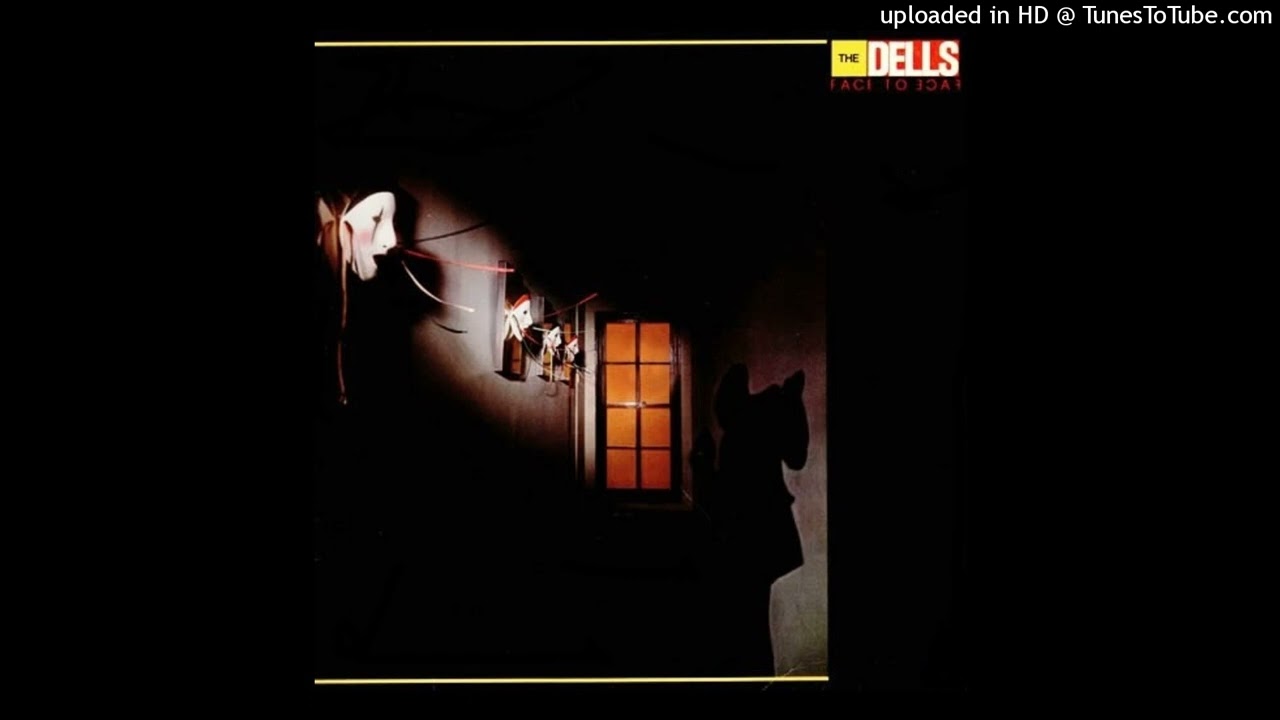
“I never wanted to make a car – I wanted to make music. James Jr. had moved to L.A. and was telling me to come out, so I bought a super-saver ticket and hopped on a plane. When I got there, he was on the road, so I moved in with Ben Adkins, who was the first bassist in the Jacksons after Jermaine quit.”
Soon after the 1979 move, McGrier got a break when Adkins recommended him for a Teena Marie audition. He landed the gig and went on tour with Marie, opening for Prince and Rick James. He also did some demos for Marie's second album, but with bills to pay, he hit the road with the Jones Girls.
For Marie's third record, McGrier and his buddies from the Motown band Ozone (keyboardist Jimmy Stewart and drummer Paul Hines) told the singer they would share their ideas with her, so that her music wouldn't sound like everything else on the radio. The unit did the rhythm and horn arrangements, and 1980's Irons in the Fire still stands as Marie's most critically acclaimed album.
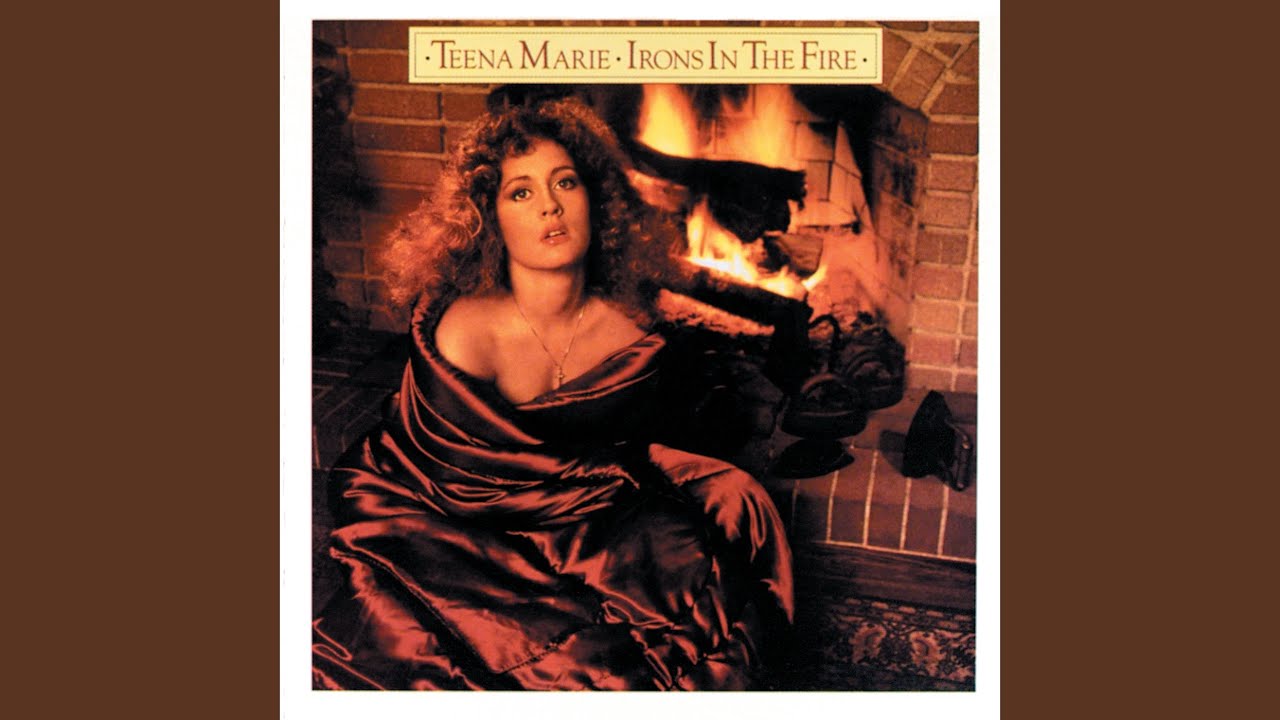
The sessions took place at Motown's Hitsville Recording Studios in Hollywood, with McGrier on his '77 Music Man StingRay (strung with Dean Markley roundwounds and recorded direct).
“I had James Jr. come down to overdub acoustic bass on the track Tune In Tomorrow. Pops (James Jamerson Sr.) came with him to hang, and they brought his famous Motown upright.”
Among the ear-grabbing bass tracks is the ballad Young Love. “Pops asked me if I wrote the Young Love bassline, and he was mad at me for not getting a cowriting credit. Teena's original version had a I-IV-V chord movement. I changed it to I-bVII-IVm-I, and came up with the bassline, and she loved it.”
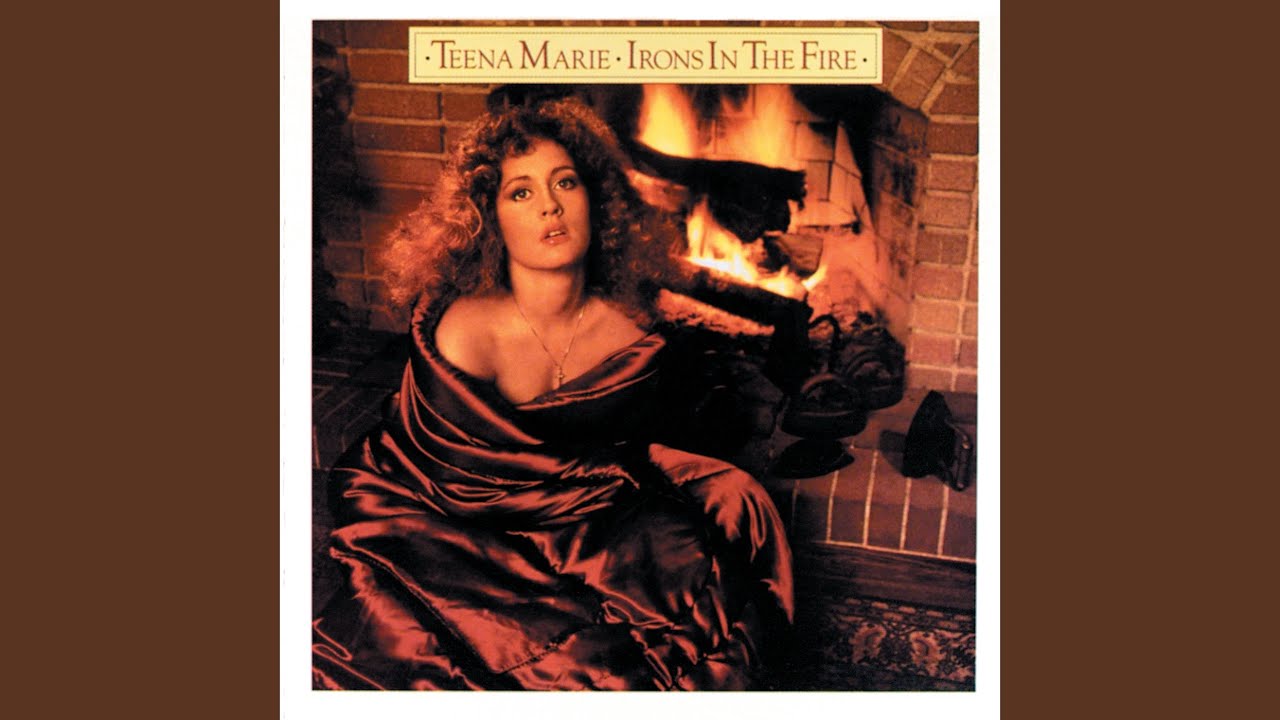
The first verse stays within the same harmonic framework, showcasing McGrier's heavy Jamerson influence: chromatic movement, open strings, and a drop down to the 3rd of the chord. He adds a killer fill at 01:14, coming out of the band accents at the end of the previous bar.
The mood alters for the bridge at 03:01, which drops to the relative minor. “I thought it was a bit harsh for the track's vibe, but Teena insisted.”
The last four bridge bars return to the original D major tonality to set up the final chorus at 03:51. Eight bars later, at 04:19, an outro begins, in which Marie improvises some final vocal thoughts. McGrier marks the shift by plugging in his Jamerson-esque drop-to-the-3rd figure in the first bar of the four-bar phrase.
For the final four measures, he gets a bit looser over the C chords. Finally, with a very slight ritardando at the back of the second-to-last measure, he ends on a 10th, adding some color tones before stating it again on beat four.
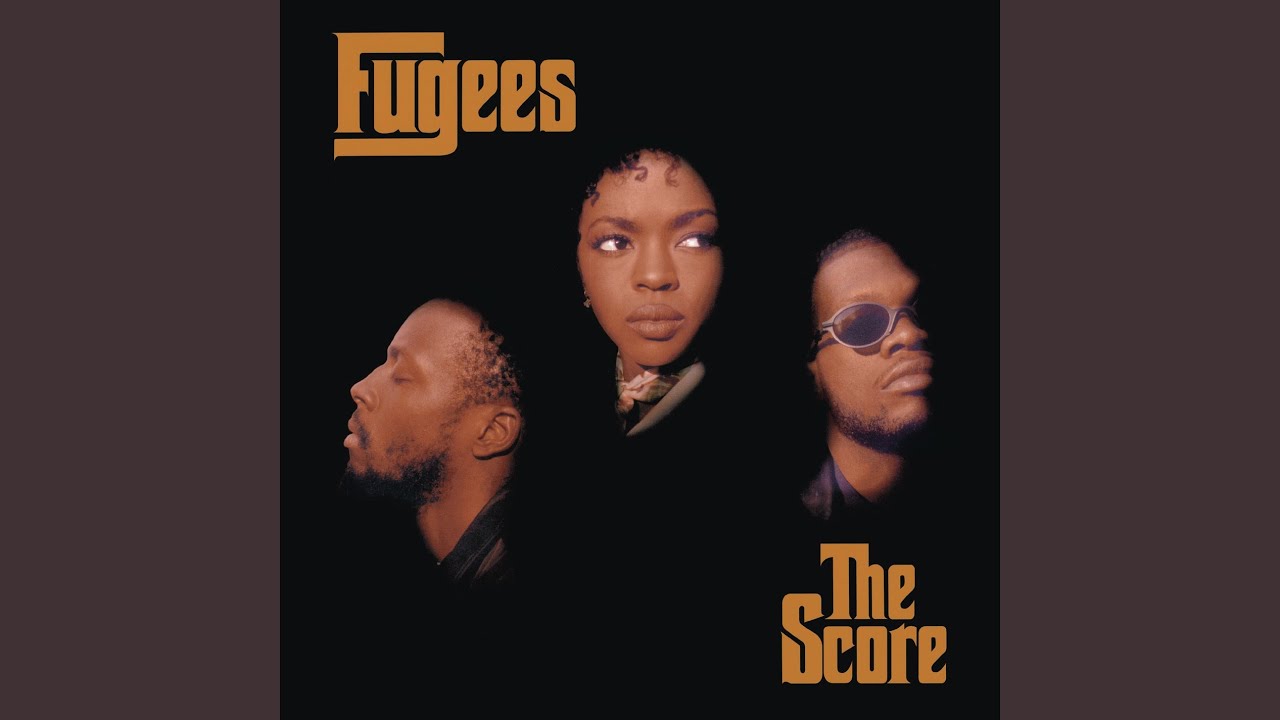
McGrier (who proudly contributed It's a Shame to Allan Slutsky's book Standing in the Shadows of Motown) went on to live off his royalties, thanks to his songs being sampled by the Fugees, Missy Elliott, Snoop Dogg, and others. He also played with the Rick James Stone City Band and a Teena Marie tribute band.
