

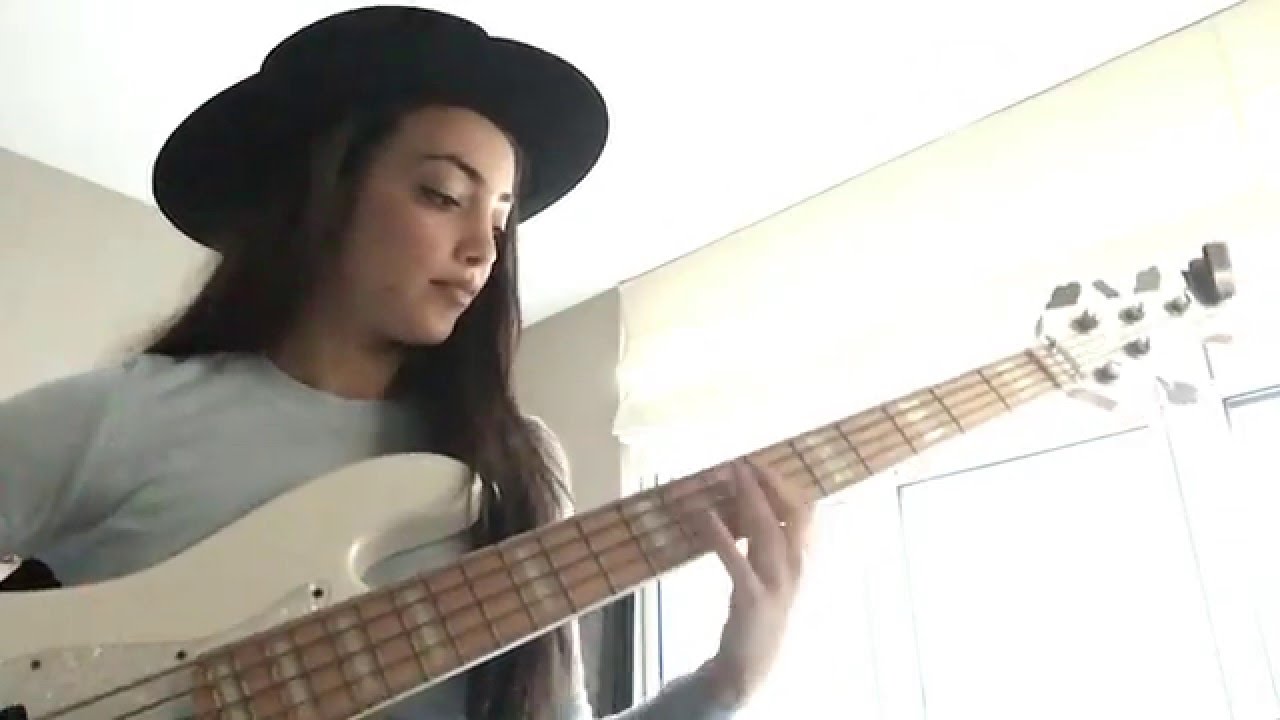
Moving to Berklee while still in her teens, Alissia Benveniste, who records under her first name, soon found herself riding a wave of recognition in the wake of her first viral YouTube video back in 2015.
“That was how Prince found me,” says Alissia. “Social media wasn't a big thing at the time. There was no TikTok or Instagram, so I was just posting whatever I was shedding on YouTube. Then we shot a video with my band from Berklee, which went viral and all of a sudden I was getting a lot of attention.”
Prince fans will not be surprised to hear that on receiving a call from the great man, Alissia thought it was a joke.
“I wasn’t really posting anything on Twitter back then, but then I saw his name on a DM. He’d seen some of my YouTube videos where I’d played some tracks by The Time. I got an invitation soon after that to go to Paisley Park and jam, but at first I thought it was a prank, so I didn’t answer!”
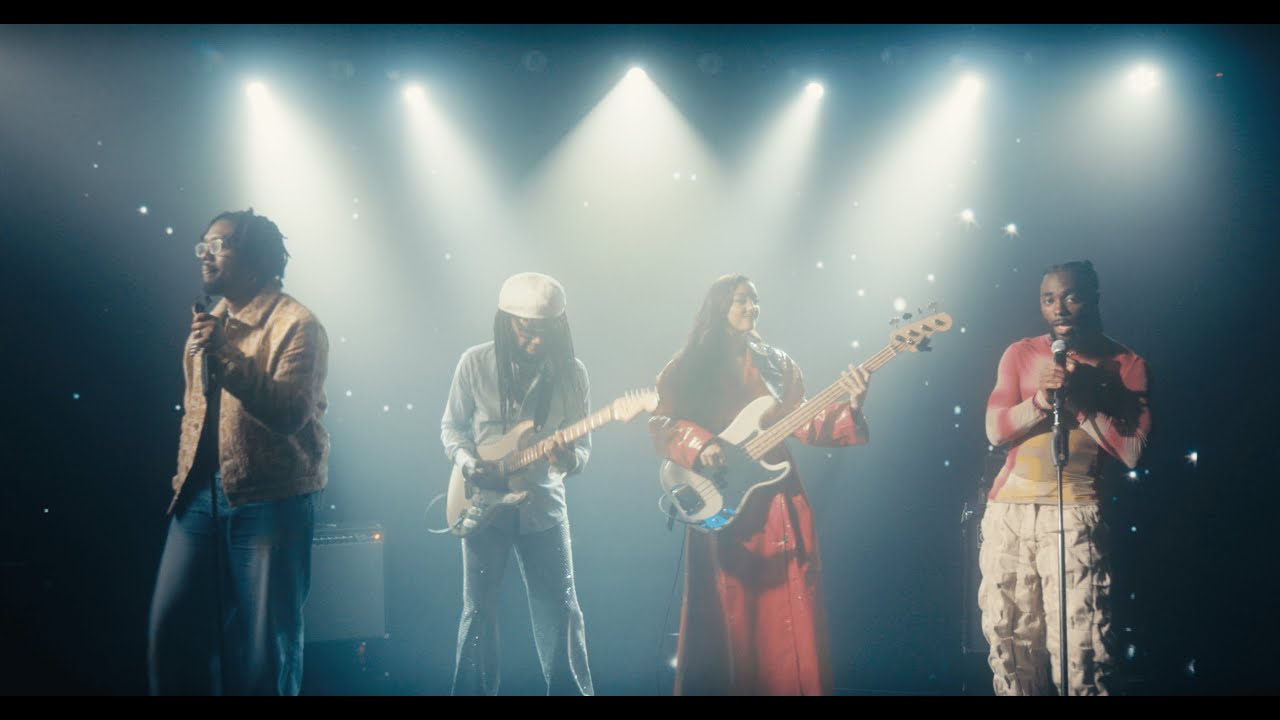
Aside from jamming with Prince, Alissia’s desire to experience and play as many different styles as she can – “variety is the spice of my life musically” – has seen her build up an impressive client list as a bassist and producer, including Bootsy Collins, Lenny Kravitz, Bruno Mars and Mariah Carey, while also featuring Nile Rodgers and rap duo EarthGang on her latest single.
“2025 was a big year for me. I was nominated for producer of the year at the Grammys, and spending more time in the studio has meant working with a lot more artists. But now feels like the right time to start releasing my own music.”
How did you get into bass?
My first instrument was the piano, but I actually entered Berklee as a vocalist. I switched to the bass guitar in my second semester. I’d been listening to a lot of P-Funk, Prince, The Brothers Johnson and Michael Jackson, and in all of those songs I always felt like it was the bass that was driving the music.
How did you come to audition for Berklee?
I never really auditioned because I had a scholarship. I was classically trained on piano, so I couldn’t really play jazz, but I had a good ear and I could sing.
What was the first bassline you ever learned?
Good Times by Chic. I remember having a bass in my hands and somehow being able to learn that bassline really quickly. I just felt immediately connected to it.

Who are your bass heroes?
Bootsy Collins, Larry Graham, Louis Johnson, Bernard Edwards and Paul Jackson. I went through different phases of wanting to dial in all of their bass sounds.
What was it like working with Nile Rodgers on your single?
It was incredible. Nile is one of those people who you could drop into any musical environment from the past 40 years and he would find his own space within that music. It's just amazing how he does it.
On the track you’re using an envelope filter?
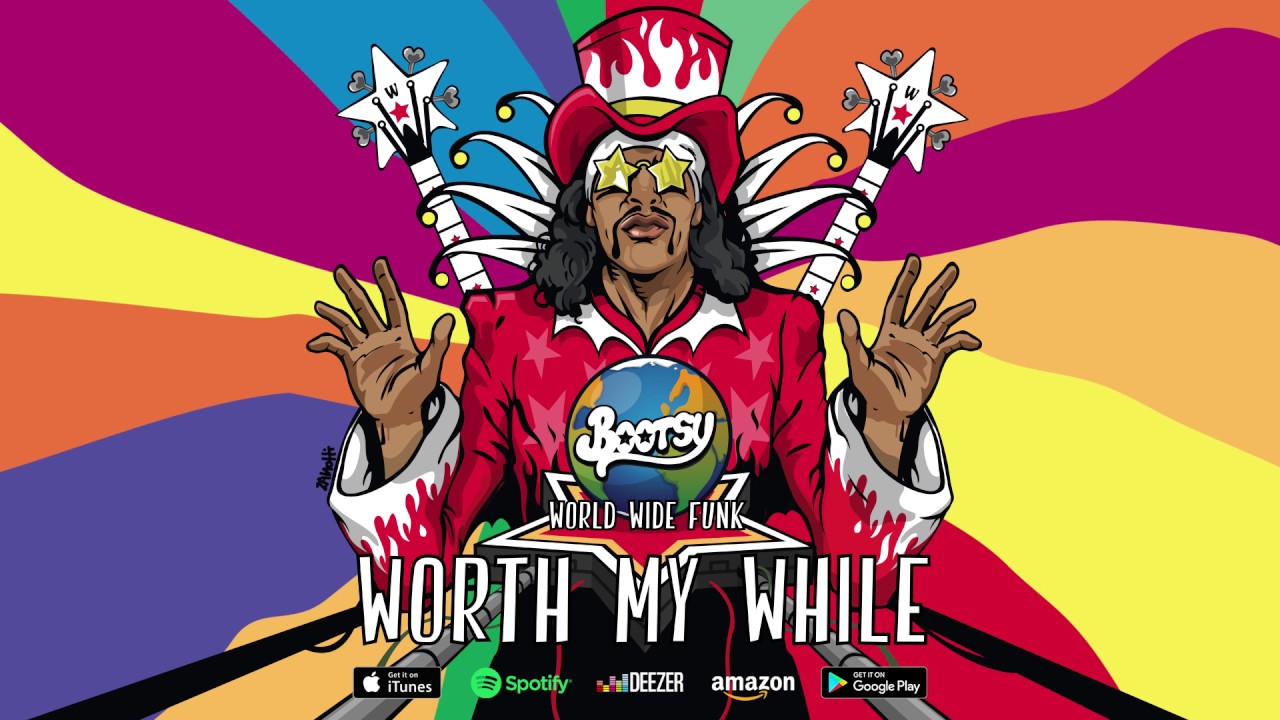
I actually used a Mu-Tron pedal that Bootsy Collins had given me. Working on his Worth My While album was my first big project as a producer, and he ended up giving me a few effects pedals including his original Mu-Tron.
I love the way Bootsy approaches effects. He’d always be looking to dial in the Mu-Tron, or a distortion pedal, or different delays and reverb. He thinks about effects like a guitarist.
Are there any other pedals that you couldn’t live without?
The only other envelope filter that I would use on bass is an MXR. Sometimes I mix them both together because the MXR is newer and a little cleaner, but I love that Mu-Tron. It’s like having a cheat code because it sounds so good.
When did you first meet Bootsy?
His manager invited me to come and watch a show they were filming in New York. It sounded like the perfect place to hang and check out the concert.
I walk into the venue and Bootsy is sat behind the drums, Bernie Worrell is at the keys, and George Clinton is on the mic. Then Bootsy looks at me and he says, ‘Where’s your bass?’ I thought I was just there to watch the show!
Thankfully, we found a bass at the venue and 10 minutes later Bootsy is counting in Flashlight. Luckily, I knew all those P-Funk basslines, but it was definitely a learning curve! Bootsy has been my mentor ever since.
You’ve also worked with Anderson .Paak.
He’s an incredible musician. He can do it all! He brought me onto a lot of other projects with people like Mary J. Blige and Rae Khalil. I also worked with him and Bruno Mars when they were working on Silk Sonic. I actually put them in touch with Bootsy. Bootsy’s always hungry to help push the next generation forward like that. It’s the same thing with Nile Rodgers. I love that whole mindset.
Do you ever get nervous?
I don't really get nervous, but I do get excited! So it’s usually a case of trying to control the adrenaline. It’s also rarely about the person I’m working with, but more about the music and what I can learn from the situation.
I don’t even remember being starstruck when I met Quincy Jones, and he’s one of my biggest influences. I was just on a mission to learn!

How do you prepare for a session?
When I got the Prince call I prepared so hard. I learned as much as I could from all his live shows. It was the same thing working with Mariah Carey. I knew a bit more about what I was walking into, but I still made sure I was prepared. I never want to miss an opportunity like that because I don’t feel ready.
I did a session with Lenny Kravitz where I was going to shred this really quick progression. He’s such an amazing guitarist that I don’t think I even used it! But I had it in my locker just in case he asked me to bring something to the table.
Do you have any advice for aspiring bass players?
If your dream is to work with Lenny Kravitz or Bootsy Collins, how ready would you be if they called you tomorrow? That’s always been my mindset as a bass player, and it’s something I’ve carried through to my career as a producer.
It could be something simple, like being aware of the back catalog, or knowing the live arrangements of the studio recordings. You never know when the call’s going to come, and it always pays to be ready.