


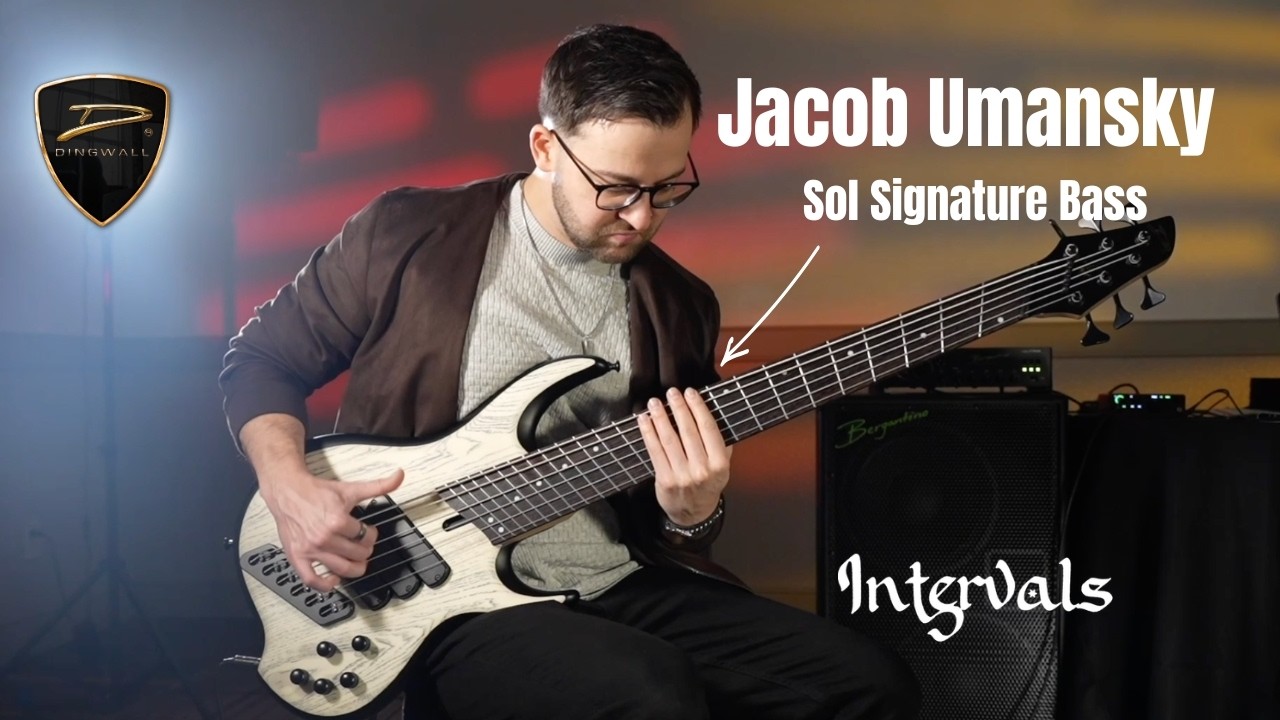
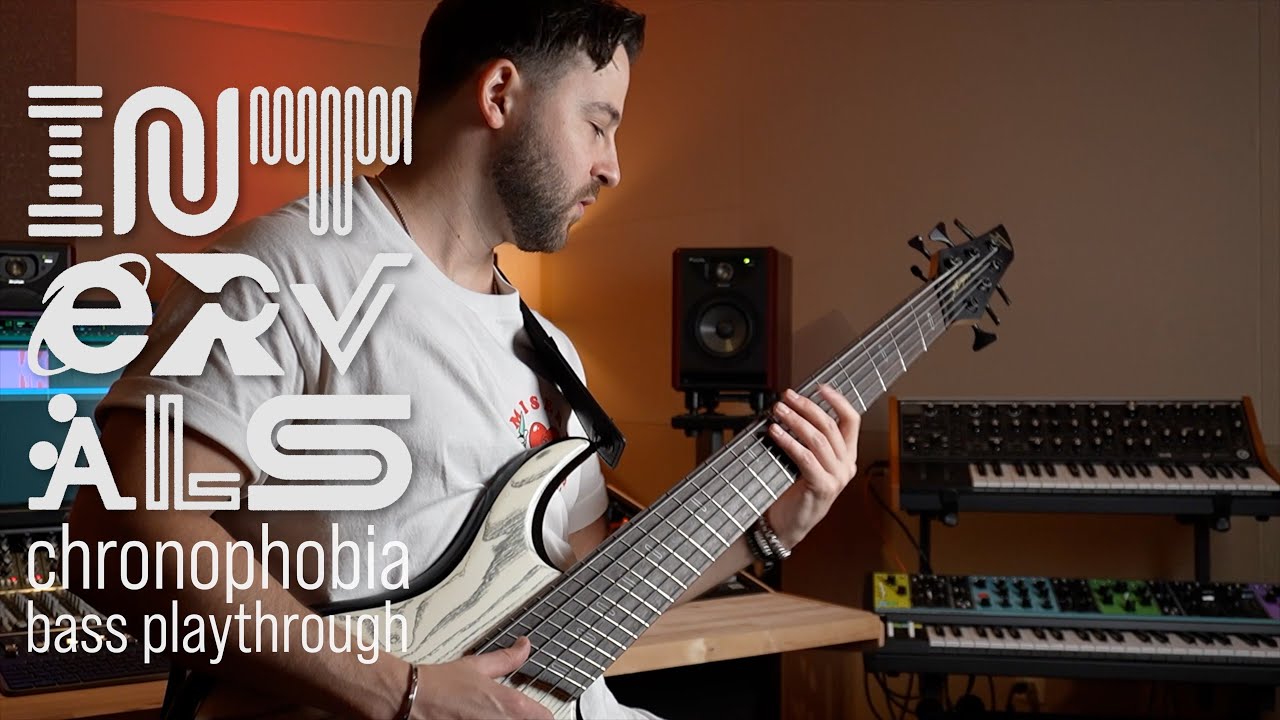
Jacob Umansky’s bass pyrotechnics with Intervals remain the driving force behind many of the band’s instrumental hits and continue to pave the way for progressive bass playing in modern metal (listen to tracks like Lacuna and Chronophobia, which epitomise his hard-hitting technique).
Umansky’s rhythmic affinity dominates his dynamic bass style, which incorporates cutting-edge slap grooves played with a combination of picking-slap-hybrid techniques.
“I didn’t play much slap bass when I first joined Intervals,” says Umansky, sitting clasping his new signature model. “But once I started playing Dingwall basses and I got comfortable with that new terrain, I began developing new techniques – slap being at the forefront.”
In recent years, Umansky has been responsible for the sale of lorryloads of Dingwall basses, having first appeared in early playthrough videos.
“It really started toward the end of my first tour with Intervals. We stopped at a music store called Quest Music, and I tried a Dingwall bass called a Voodoo. It had a Jazz Bass pickup configuration that really lent itself to my style of playing.”
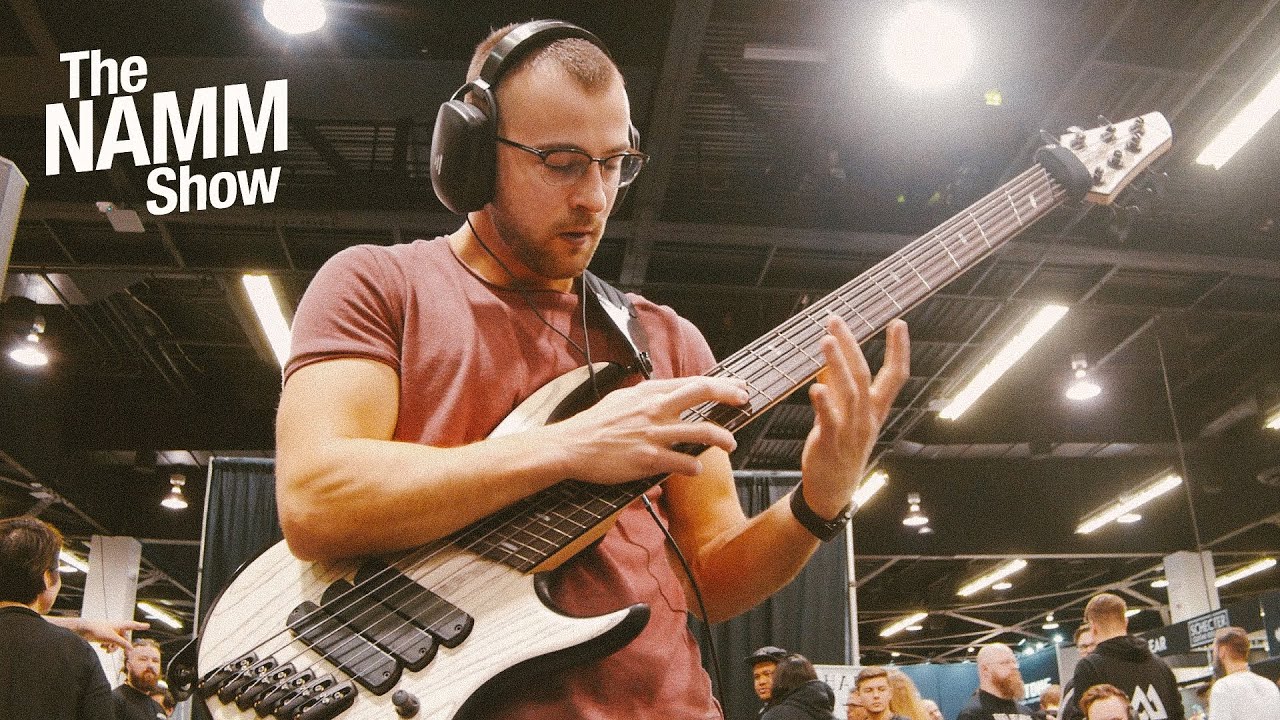
“At the following NAMM show, I stopped by the Dingwall booth, not knowing if anyone would even know who I was, but Sheldon immediately came over. Soon after that, I started playing a 6-string prototype. It was technically a loaner, but they were never getting that bass back!
“When I was in Japan, I tried one of the Custom Shop basses, and that’s when I realized it was essentially an evolution of the Voodoo bass that I had originally fallen in love with.
“That same year we started talking about building a Custom Shop Z model, and that instrument ended up getting a huge amount of attention, which led to Sheldon and I having a conversation about a possible signature bass.”
Having been involved in the design of his new signature model from day one, Umansky was able to give Dingwall some very specific requirements.
“Even though this is a more-affordable, production–model instrument, I wanted to make sure the design language of my Custom Shop bass was still there.”
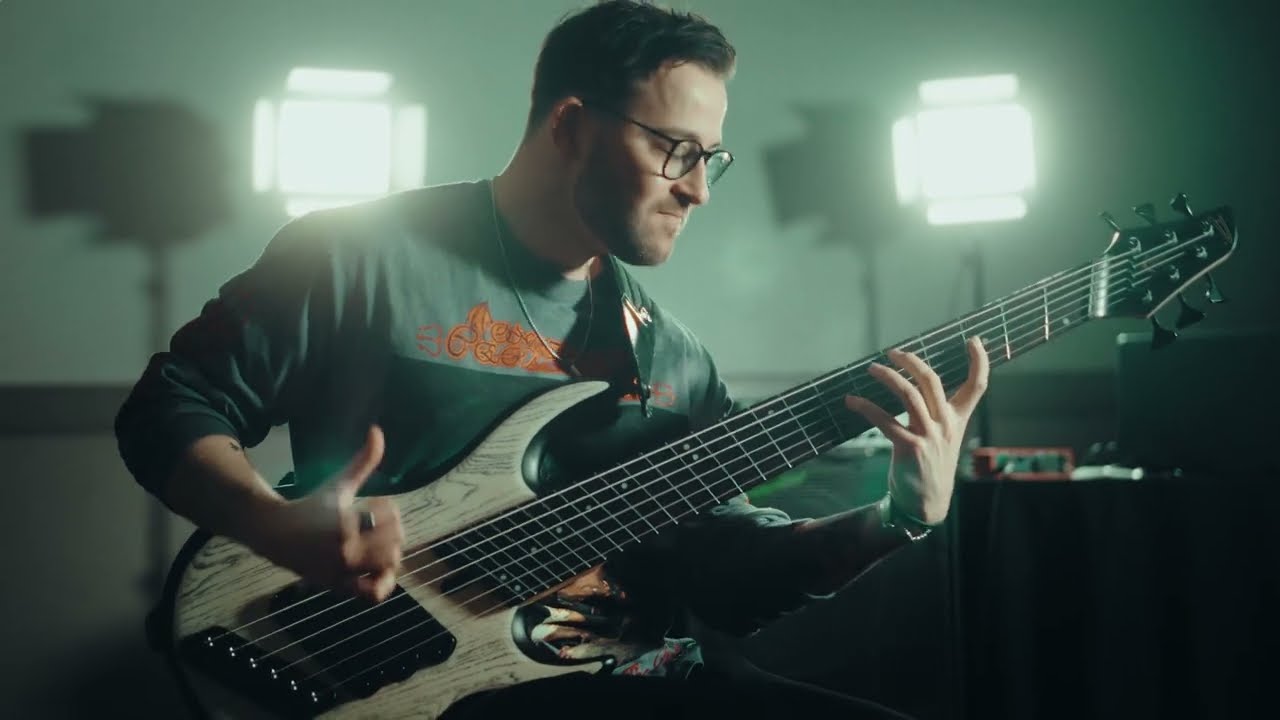
“The first thing that I brought up was the layout of the control knobs. Being a bass player who plays a lot of technical metal, I would often smash my hand into the master volume control whenever I was double–thumbing. So Sheldon quickly accommodated that with a new configuration.
“We also exaggerated the body curves, added some new cutaways, and changed the shape of the neck to make the profile a little thinner, but with thicker shoulders. Some bass necks feel too thin, to the point where it almost feels like you’re playing a guitar. This neck is super-fast, but it still feels like a bass.”
How versatile is your new bass sonically?
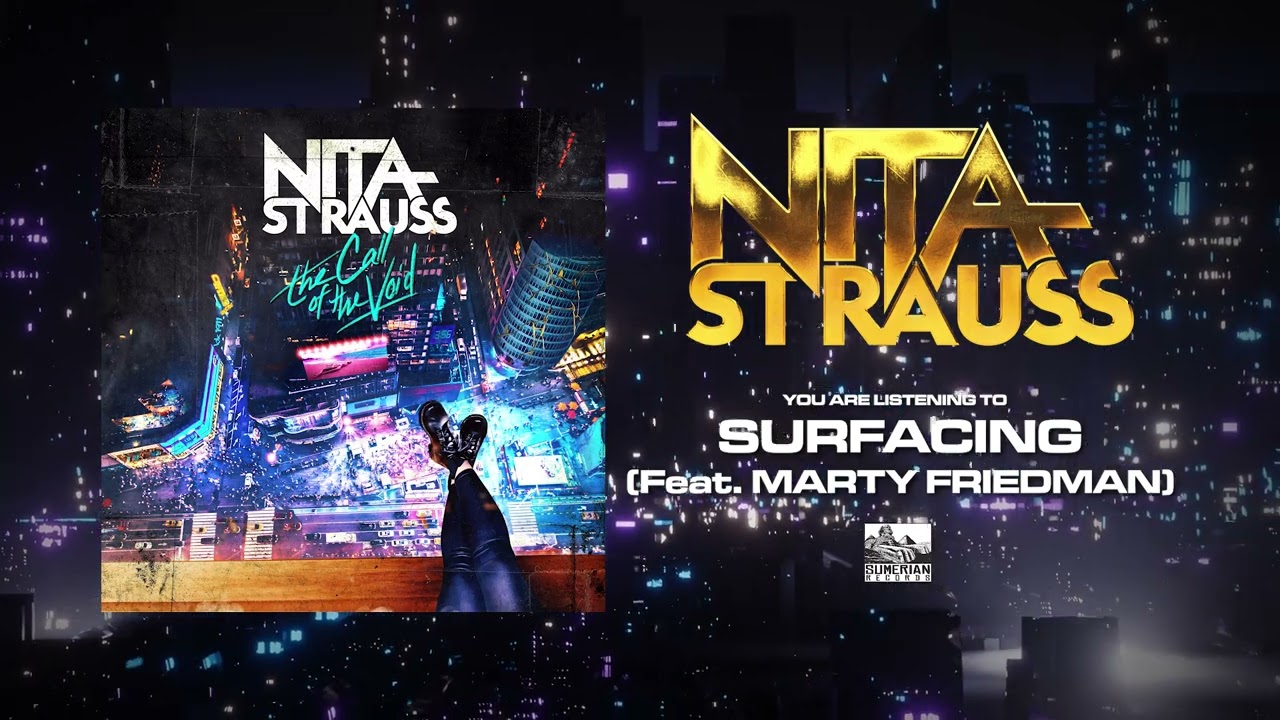
It blends into any environment you throw it into. Whether you're tuning down to double drop E or playing some modern rock, which I did for a record with guitarist Nita Strauss.
And then there’s the kind of radio rock that most people know me for with Intervals. In terms of metal, it's not even fair to compare it to other basses. The neck pickup, soloed, is just ridiculous.
What was the last major change in your signal path?
I usually blend a high distortion with the low-end from a bass amp, which gives me a really focused distorted tone, but I was noticing that I wasn’t getting the kind of definition I wanted whenever I switched between different techniques. It was hard to hear the difference between slap and tap, or pick and fingerstyle.
So I implemented a processed DI, which gives me a clearer and more focused low-end, as well as a gritty distortion.
What motivates you to try something new when it comes to bass tone?
It comes from listening to other bass players. I’ll hear something I like, or I’ll check out someone’s signal chain. Sometimes, I’ll spend time on YouTube dissecting what’s going on and then try to implement it in my own way.
What did you want to be when you were a kid?
I wanted to be a musician – to tour, to be in the studio, and to be onstage. I feel incredibly fortunate that I get to do all of those things now, because it really was the only thing I was ever interested in.
I was a B student at school, and every day I just wanted to go home, open GarageBand, and start messing around. I remember watching documentaries about my favourite bands and thinking about how cool it must be to have that be your job. There was never really a backup plan. This was always the thing.
Who was your all-time favourite band when you were coming up?
Avenged Sevenfold. I know that might be surprising to some people, but they’re absolutely my ride-or-die band. They were heavy and aggressive like Metallica, but also melodic and technical like the prog stuff I was listening to – and they just looked badass. I loved the idea of being technically proficient while also clearly having fun on stage, and that’s something that really drew me to them.
Who was your first bass guitar idol?
I still think Johnny Christ is one of the most underrated bass players ever. It was the first time I realized that you could put distortion on bass, and that it doesn’t just have to sit in the background. It could play fills that weave in and out of whatever the guitars are doing. I definitely owe a lot to him.
What was the first bassline you ever learned?
God of Thunder by Kiss. I was so excited to learn what was happening in that song, and then I looked at the tabs and realized Gene Simmons was mostly just playing quarter notes on the low E string.
He wasn’t doubling the guitar or doing anything flashy, and it made me understand how important the bass is as the foundation. You don’t have to play every note possible, as long as you’re playing what the song needs.
Do you still feel attached to that music and that culture?
Absolutely. That sense of attachment and gratitude never really goes away. Metal culture is a beautiful thing, and the same goes for rock. I definitely still feel connected to my roots, and I always will. If bands like Avenged Sevenfold hadn’t existed, I genuinely don’t know what I’d be doing with my life.
How would you define your role with Intervals?
I’d define my role as support – plus a little extra. My job is to lock in with the drums and create a pocket that the rest of the band can live in. That’s always the priority, and it’s why I chose this instrument in the first place.
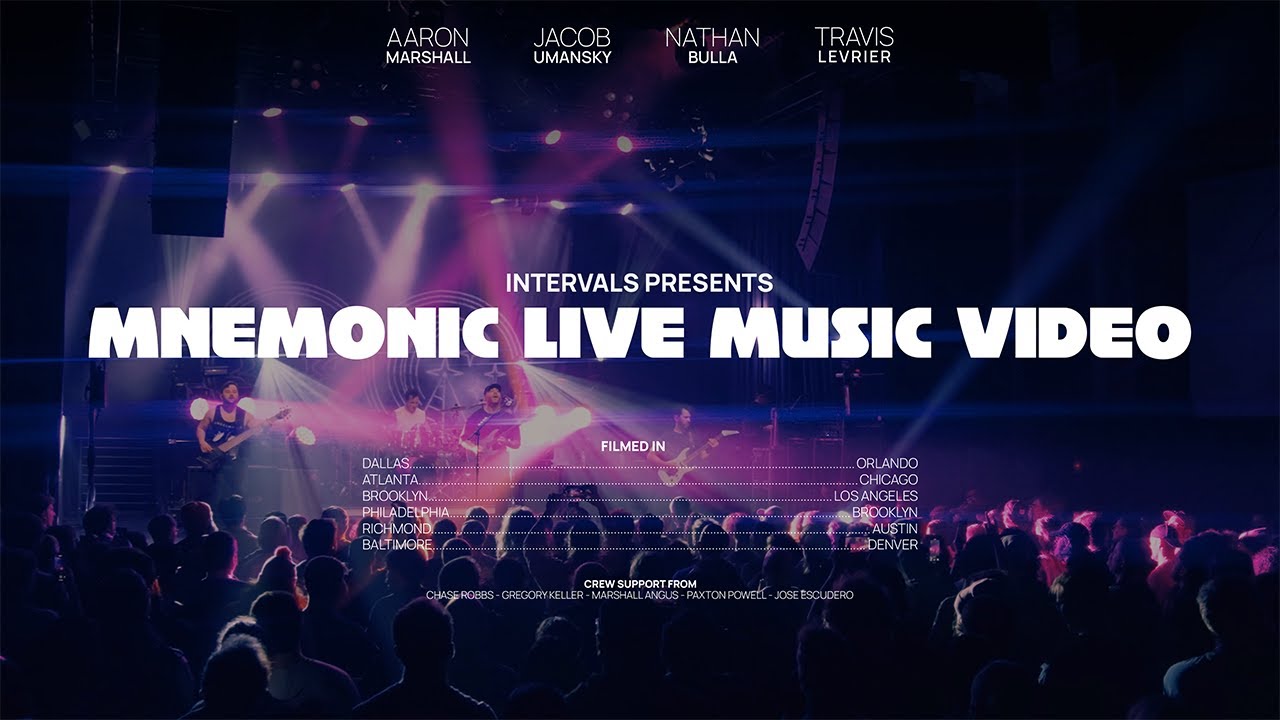
That said, I’m fortunate to have a lot of creative freedom. Aaron [Marshall, guitarist and band leader] will send me a song or an outline, and after listening, I’ll come back with ideas – maybe suggesting where something could use a bit more movement. He’s very open to letting me explore, whether that means making certain sections more bass-focused or taking the foundation in a slightly different direction.
I think that trust is a big reason people connect with what I do in the band. It’s not just about writing complex parts – it’s about the back-and-forth between me, Aaron, and Nathan [Bulla, drums] as we build these tracks. There’s a real collaborative energy there, and that’s what makes it work.

