


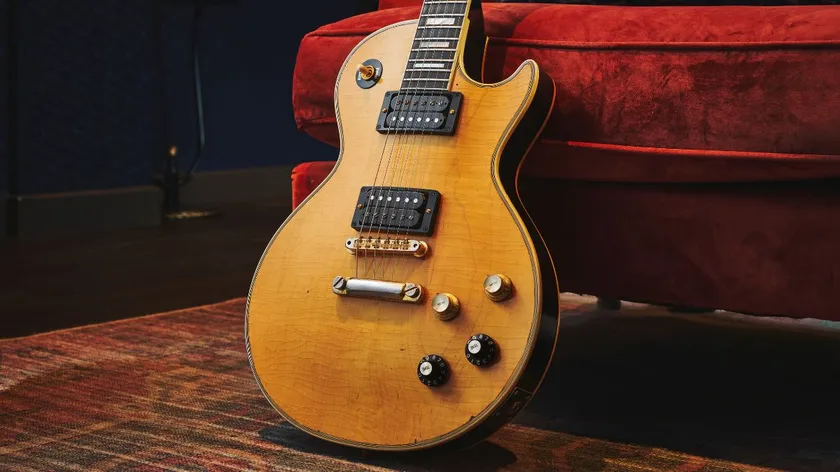


![Steven Tyler and Joe Perry of Aerosmith pose with an S-style electric guitar [left]; A classic BW portrait of Run DMC in 1986](https://cdn.mos.cms.futurecdn.net/N75cmTsfBRePWsvatq69T-1920-80.jpg.webp)
Looking back at the then-improbable collaboration between Aerosmith and Run-D.M.C. on a rock/hip-hop reboot of Walk This Way, guitarist Joe Perry says, “It was a lot of fun and definitely a high point of our career.” His second point cannot be overstated.
By 1985, Aerosmith were experiencing a commercial stasis, and their ballyhooed comeback album, Done with Mirrors, stalled on the charts. The revamped version of Walk This Way blasted them back into the mainstream while also introducing Run-D.M.C. to a wider audience.
Unbeknownst to Perry, Run-D.M.C. (Joseph “Run” Simmons, Darryl “DMC” McDaniels and DJ Jam Master Jay) were fans of the original track. At the same time, Perry was just getting into hip-hop.
So it was kismet when Rick Rubin brought the guitarist and singer Steven Tyler together with the pioneering Queens-based hip-hoppers to create one of music’s most celebrated crossover hits. (In 1975, Aerosmith’s original Walk This Way reached Number 10 on Billboard’s Hot 100. Run-D.M.C.’s remake hit the top five, and its video was a smash.)
What did you think of hip-hop when you first heard it?
My son, who was 11 or 12, was blasting it in his room. I dug the groove. It was really basic music; it’s all about rhythm and guys standing on a street corner with a boombox. The lyrics reflected how they were living.
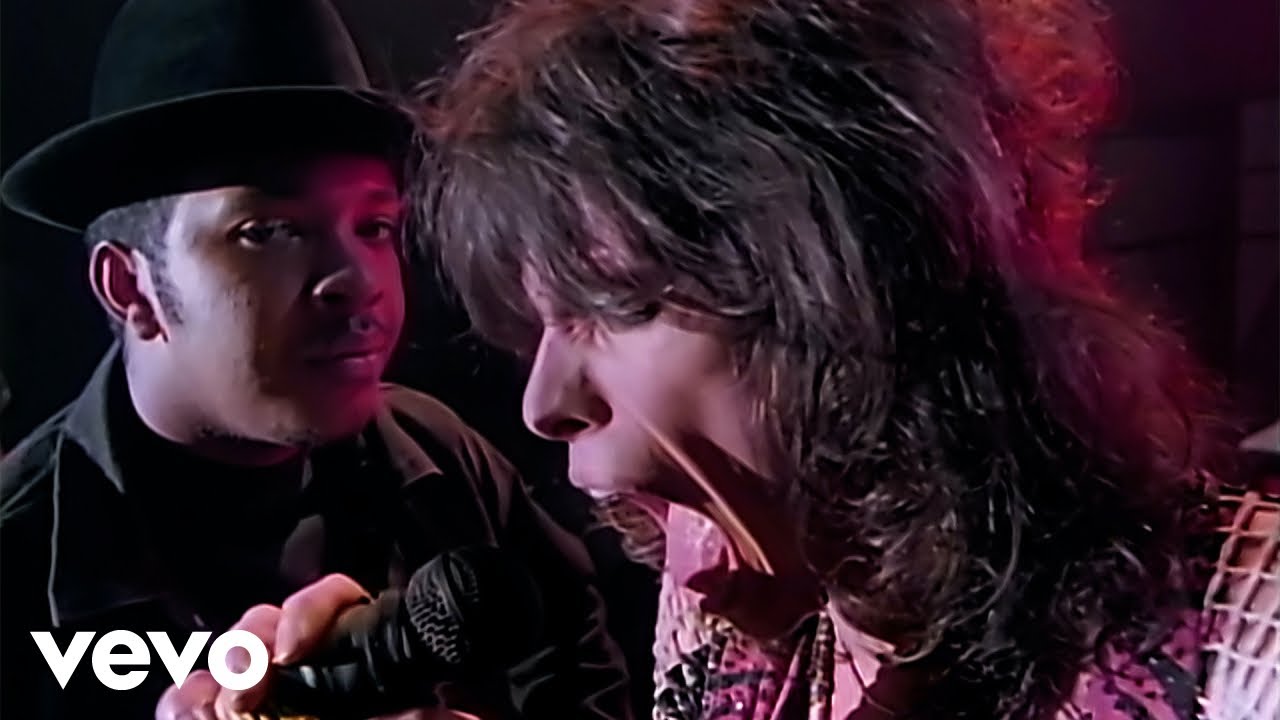
By the ’80s, a lot of people were calling Walk This Way proto-hip-hop.
The lyrics were a story, and there was a rhythm in hip-hop, so to me it was a natural progression from the blues. But to think that Walk This Way was proto-rap, that’s another story. I guess that’s a discussion – or an argument. And even if it’s an argument, which it shouldn’t be, it’s just a point of view; nobody’s right or wrong.
Were you into the idea of collaborating with Run-D.M.C.?
Rick Rubin heard something. He had to convince those guys [because] they were kind of tentative. But Aerosmith was up for anything. That’s why our music goes from hard rock to almost heavy metal to blues to ballads. We thought, “Let’s try it!”
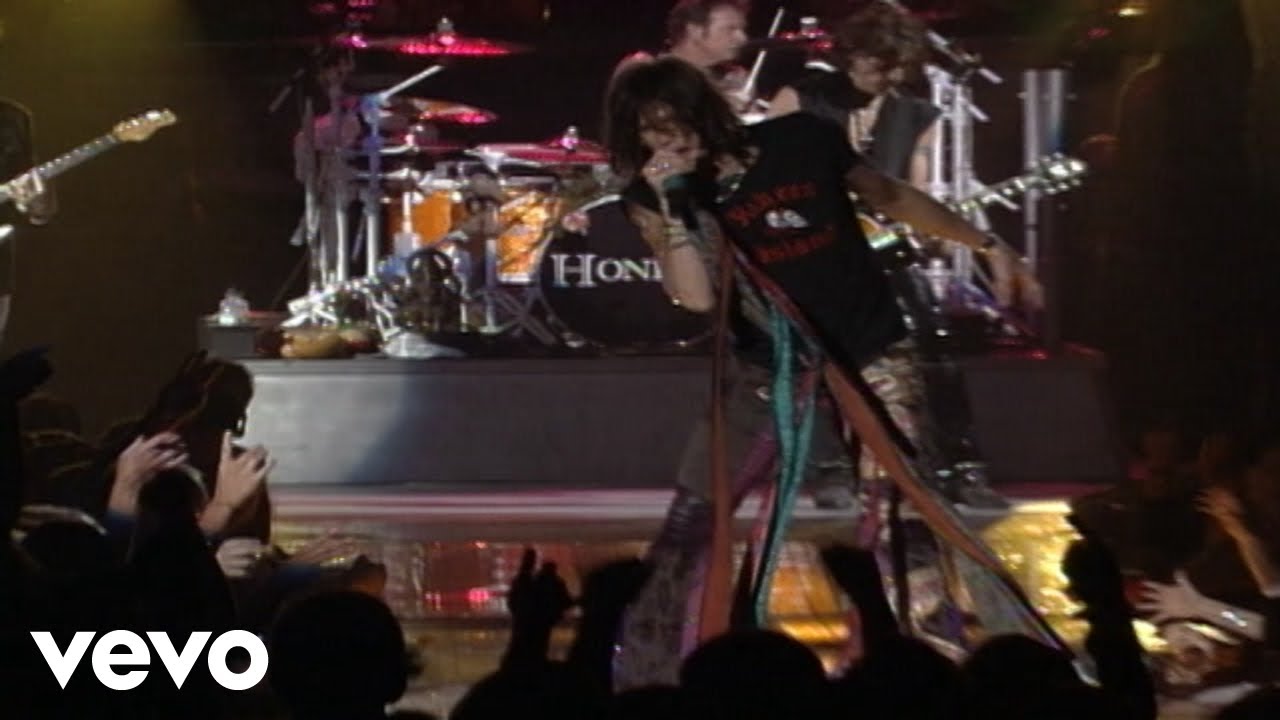
Aerosmith were touring at the time. What was the recording process like?
We were, I think, in North Carolina. They sent us plane tickets, and me and Steven went to Queens. I brought my guitar, and there was Rick, an engineer and the guys from Run-D.M.C., and one was late because they had towed his rental car. [Laughs]
He was flipping out because he didn’t know what he was gonna do about it, but Rick kept saying, “Listen, you’ve got Aerosmith here. Focus. We’ll take care of the car later. Don’t worry about it.” After that, everybody settled down.
What was the recording process like?
We got the drum beat down, which was the common ground for the song – from our version and theirs. I think Rick said, “You’re using the drums to rap to anyway; you might as well take it all the way. Let’s try it.”
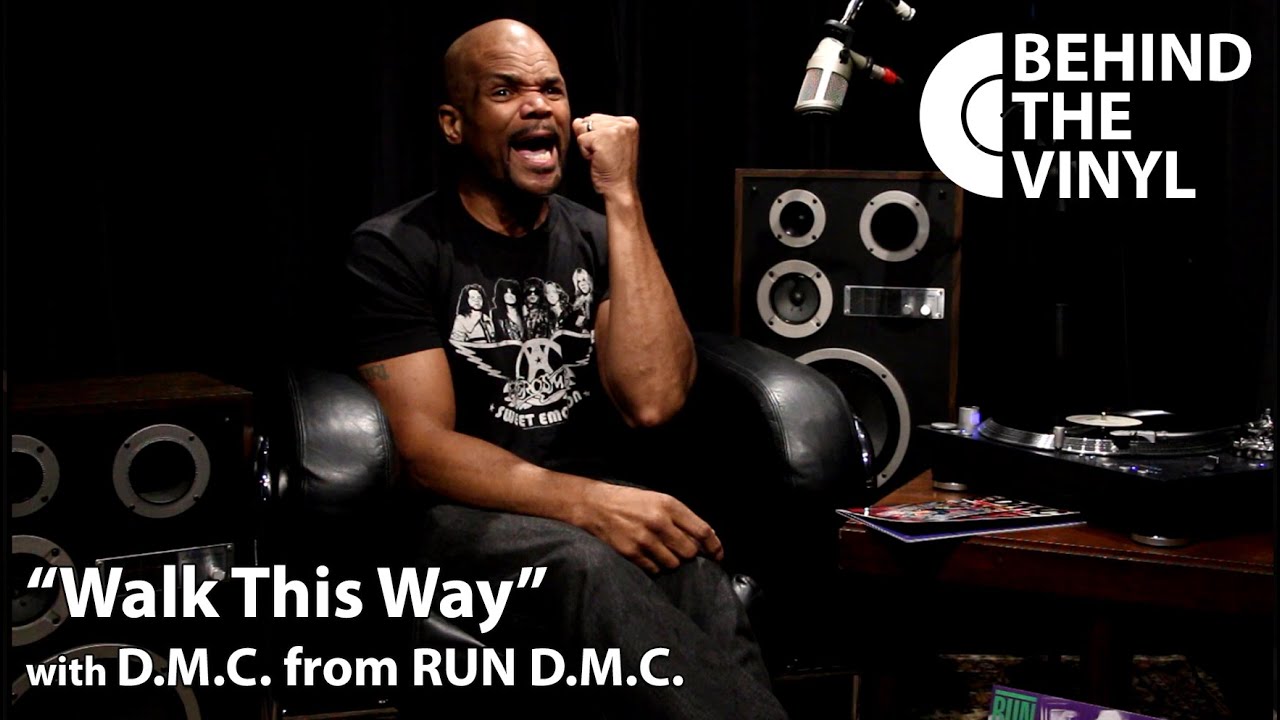
Is it true you also played bass guitar on the updated track?
There were these three kids in the studio sitting on the couch. We were introduced to them, and I didn’t know who they were, but they were cool guys and a little younger. We were listening to the mixdown, and Rick said, “I think we need to put a bass on it.” We looked around the studio, and there were no basses, but one of the kids said, “My apartment ain’t too far, I got a bass there.”
Who were the three kids?
The Beastie Boys! [Laughs] He went to his apartment and was back in 15 minutes with a P-Bass or a Jazz. Anyway, I played the bass.
The track kicked off your second run to glory. How do you look back on its importance?
It was definitely a leg-up. We’re just proud to say it was a meeting of two styles of music. And the video speaks for itself. We got Black rappers on MTV. The only Black cat on MTV at that point was Michael Jackson; at least, that’s what we heard. I’m proud of that.
- This article first appeared in Guitar World. Subscribe and save.

