


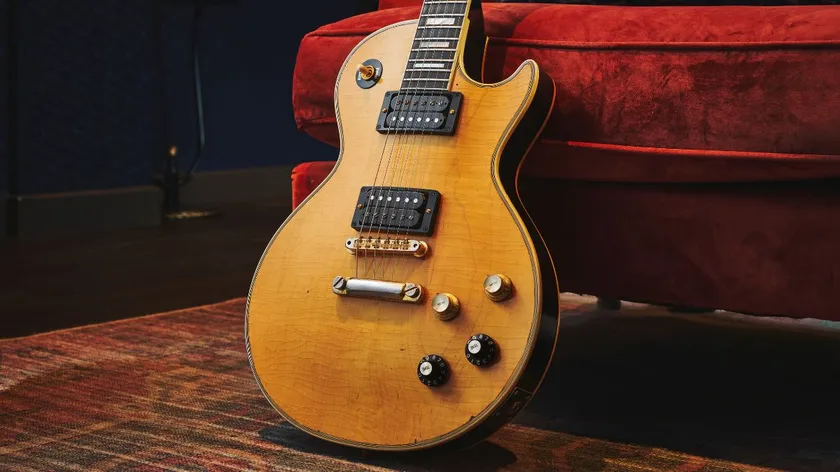


“It was a pretty important record for us,” says Glenn Mercer, singer and guitarist of New Jersey-based indie rock giants the Feelies, of the band’s 1986 album, The Good Earth. “Our first record, Crazy Rhythms, got a lot of favorable reviews, so it wasn’t set in stone that a follow-up would do well. Plus, we took a lot of time between records. We pursued offshoot bands. I guess we didn’t really have long-range goals at the time.”
They might not have been career strategists (the band are legendary for their extended hiatuses), but the Feelies nonetheless made an impact on emerging post-punk and “college rock” bands like R.E.M. and Yo La Tengo, who were greatly influenced by the group’s minimalist, edgy rhythms and the hypnotic guitar interplay between Mercer and co-six-stringer Bill Million.
While Mercer often took on the role of lead guitarist, much of the time he and Million “wove” parts in a way that was reminiscent of both the Stones and the Velvet Underground. (Mercer’s off-handed, almost whispered vocals, often buried in the mix, also bore an unmistakable Lou Reed influence).
“I don’t know if we ever really analyzed what we do,” Mercer says. “A lot of it’s just instinctual. I think the sound we got on Crazy Rhythms that people point to came about because the bass and drums are very tight, but Bill and I are very loose. That creates a friction because things aren’t precise.”
By the time the Feelies felt ready to record their second album, they had a new rhythm section (drummer Anton Fier and bassist Keith DeNunzio were out, drummer Stan Demenski and Brenda Sauter were in). At the same time, their stature among indie rock fans had grown to mythic levels.
One such admirer, Peter Buck, encountered Mercer at a party and offered his services. “He was very cool,” Mercer says. “He said, ‘I love Crazy Rhythms, and I hear you’re going to make a record. If there’s anything I can do to help you guys out, let me know.’”
As co-producer (along with Mercer and Million) of The Good Earth, Buck’s approach was more along the lines of “if it ain’t broke, don’t fix it.”
“Peter didn’t come to rehearsals or do any kind of pre-production,” Mercer says. “He wanted to make an honest-sounding record, so outside of a few suggestions here and there, he didn’t really interfere. What he did was more encouragement than trying to steer us in any sort of way.”
Although generally not known as a huge lead guitar fan, Buck was especially encouraging when it came to Mercer and Million’s solos.
On the meditative epic Slipping (into Something), the two guitarists engage in a blissed-out interlocking raga-like improv that recalls Robby Krieger’s early work. Mercer takes the solo spotlight on a few cuts, most notably his dramatic, searing leads on On the Roof and The High Road.
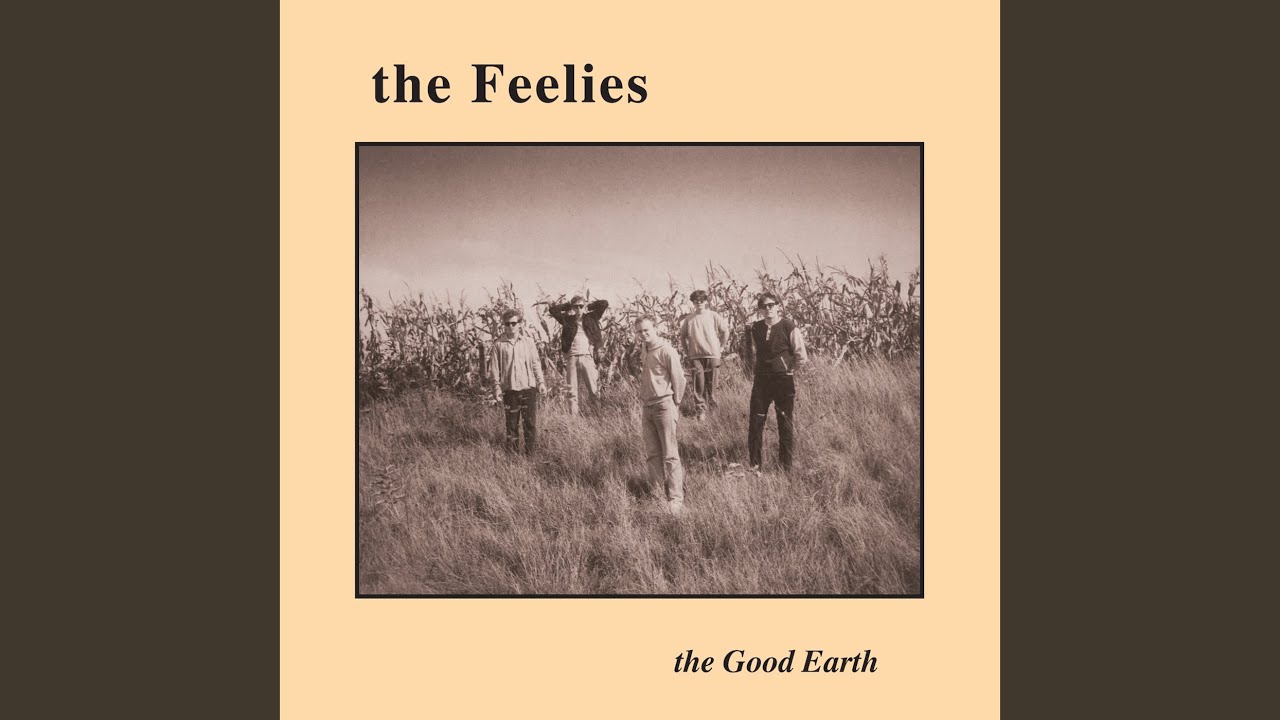
“Peter said he liked how the solos were like mini songs within the songs,” Mercer says. “Typically, half of the solos were worked out, and the other half were improvised. The last thing I wanted to do was waste a lot of time in the studio and lose our momentum.”
The last thing I wanted to do was waste a lot of time in the studio and lose our momentum
Prior to 1986, the Feelies had only played a handful of club gigs per year, but upon the release of The Good Earth, they logged their biggest number of dates to that time (31), which included an East Coast run of shows as openers for R.E.M., who themselves had just graduated to large-scale venues such as New York City’s Felt Forum and Philly’s the Spectrum.
“For me, there was always a certain degree of discomfort no matter what stage I played,” Mercer says. “I wasn’t even comfortable playing a club like Maxwell’s in Hoboken, New Jersey. Playing those big places with R.E.M. was no different. I would look down at my pedals, maybe the monitors. A few times I’d look out and check out the first couple of rows of people, but I never looked out beyond that.”
- This article first appeared in Guitar World. Subscribe and save.

