




Pre-1986, Scandanavian rock was a minor import for the U.S. – while the sluggish international sales of Europe’s first two albums suggested the Swedes were doomed to their domestic market.
But as guitarist John Norum remembers, everything clicked with The Final Countdown. First came a deal from Epic Records, then the hook-up with Journey producer Kevin Elson and, finally, the hot-streak of singles that beamed the parent album to Number 8 on the Billboard charts.
Among the highlights were the jawbreaker chorus of Rock the Night and the tear-streaked power-ballad Carrie. But to discuss The Final Countdown without landing on the title track is futile. Forty years later, all roads lead to that deathless synth hook and space-exploration lyric (sketched by frontman Joey Tempest as early as 1984), while the dazzle of Norum’s neo-classical solo still holds shivers.
The song has been streamed 753 million times; factor in the ad-sync revenue and the money it must have made is unfathomable. But the guitarist didn’t feel history in the making when Tempest first presented him with the demo tape.
Back then, Norum admits he thought the nascent track was “dreadful,” already irritated by hearing that keys lick “over and over again,” and fretting that the hard-rock band he co-founded in 1979 was “turning into Depeche Mode.”
On the flipside, Norum “liked to try new things.” As the guitarist beefed up the demo’s weedy tone with Marshall amps and a rhythm part like stampeding hooves, he slowly sensed the song’s potential. “I’m a huge UFO fan,” he says, “so that galloping feel came from Michael Schenker’s playing on Lights Out.”
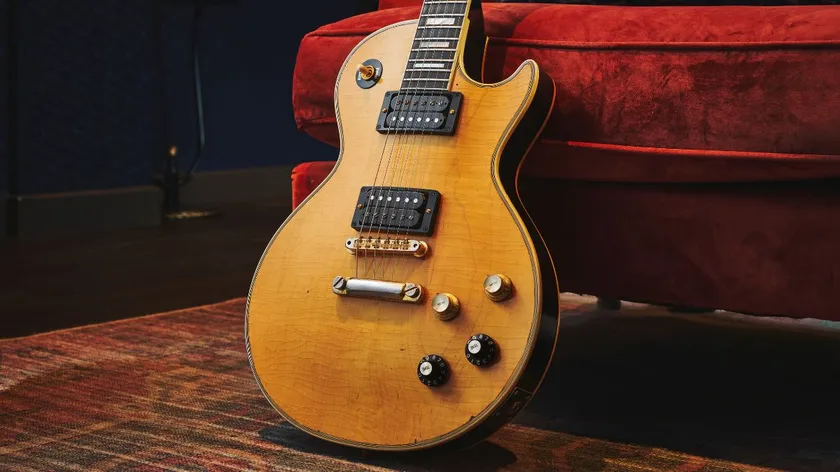
As for the inspiration behind the solo, Norum cites two more giants. “The technique comes from Ritchie Blackmore, but at the same time, I was friends with Yngwie Malmsteen and we were hanging out a lot. My guitar style was a lot more frantic back then, but that’s the way it is when you’re in your early twenties. I played that solo on a 1965 Strat. I bought it in 1984 and it’s the only guitar I’ve kept from then. I paid, like, $900 for it, and today it might be worth $45,000.”
With four decades’ hindsight, Norum has no doubt The Final Countdown changed the band’s trajectory. But today, he takes a beat to decide whether the runaway success of Europe’s third album was worth the price they paid for it.
With chart placings came pressure, and soon the guitarist cut an unhappy figure who hated the “teenybopper” image now dogging his band and numbed the circus with alcohol.
“Fame isn’t really my thing,” he says. “I’ve never been that kind of person: ‘Look at me, everyone!’ It’s just not important to me to be in the spotlight and out on the ramp doing guitar solos.
“I’m quite introverted, so I ended up drinking and partying way too much, and I got stuck in that thing. It’s never fun to wake up with a hangover when you have a gig that night and still 20 more shows on the tour.”
Norum had split before 1988’s Out of This World, but he returned in 2003 to find The Final Countdown had grown in his estimations.
“The title track was originally in F# and it’s now in F, so it’s darker and doomier-sounding – not so square, like it was in the ’80s. Now, when we play it live, it sounds so much heavier. The reaction – you can see all these happy faces out there. I like it a lot more now than I did then.”
- This article first appeared in Guitar World. Subscribe and save.

